Unlocking Opportunities with Sublimation on Hard Goods
Decorators using their dye-sublimation equipment only for branded apparel could be missing out on a significant opportunity to upsell.
Think about it, says Tim Check, senior product manager, professional imaging, at Epson America: The same customers who are buying shirts, hoodies, and uniforms for their businesses are likely also buying mugs, plaques, and office décor from a different vendor.
“By leveraging sublimation with hard goods, you keep that work in-house instead of letting it go to online suppliers,” Check adds. “This isn’t about chasing new customers. It’s about not leaving money on the table.”
Most customers don’t want the complexity of working with multiple vendors, so if your company can offer more of a one-stop shop solution, by expanding into hard goods as well as apparel, the likely result is stickier clients and more revenue, Check says.
“The shops that grow fastest don’t pitch this as something new,” he adds. “They say, ‘We already do your apparel; let us handle the rest.’ That’s an easier sell, a stronger relationship, and steadier work.”
Plus, says Emily Wines of ThatShirtShack in New Philadelphia, Ohio, if you’re willing to do some “trial and error” on a variety of products to see how well they work with sublimation, you could become one of the first decorators in your region to offer something unique. “And then you’re going to be exclusively selling it until everyone else figures out how to do it,” she adds.
Dye-sublimation is a digital decoration process that uses heat to turn ink into a gas, allowing it to bond directly with polyester fibers or specially coated surfaces. In apparel, the technique works best with synthetic fabrics and performance wear. But a wide variety of hard goods can also be sublimated.
Because the design becomes part of the substrate rather than sitting on top of it, sublimated products offer vibrant color, durability, and a smooth, long-lasting finish — all of which are attractive attributes for a variety of promo products and niche markets.
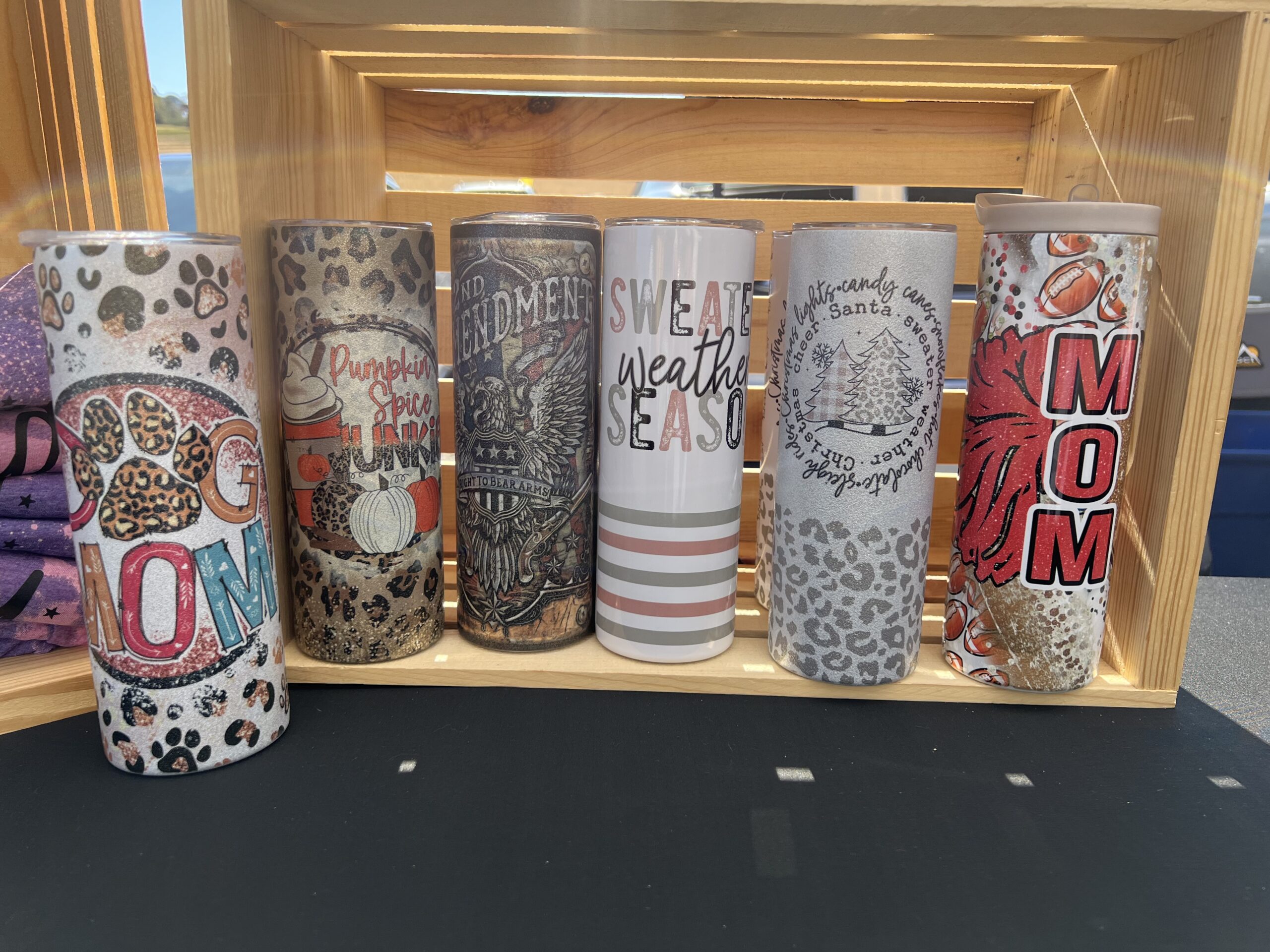
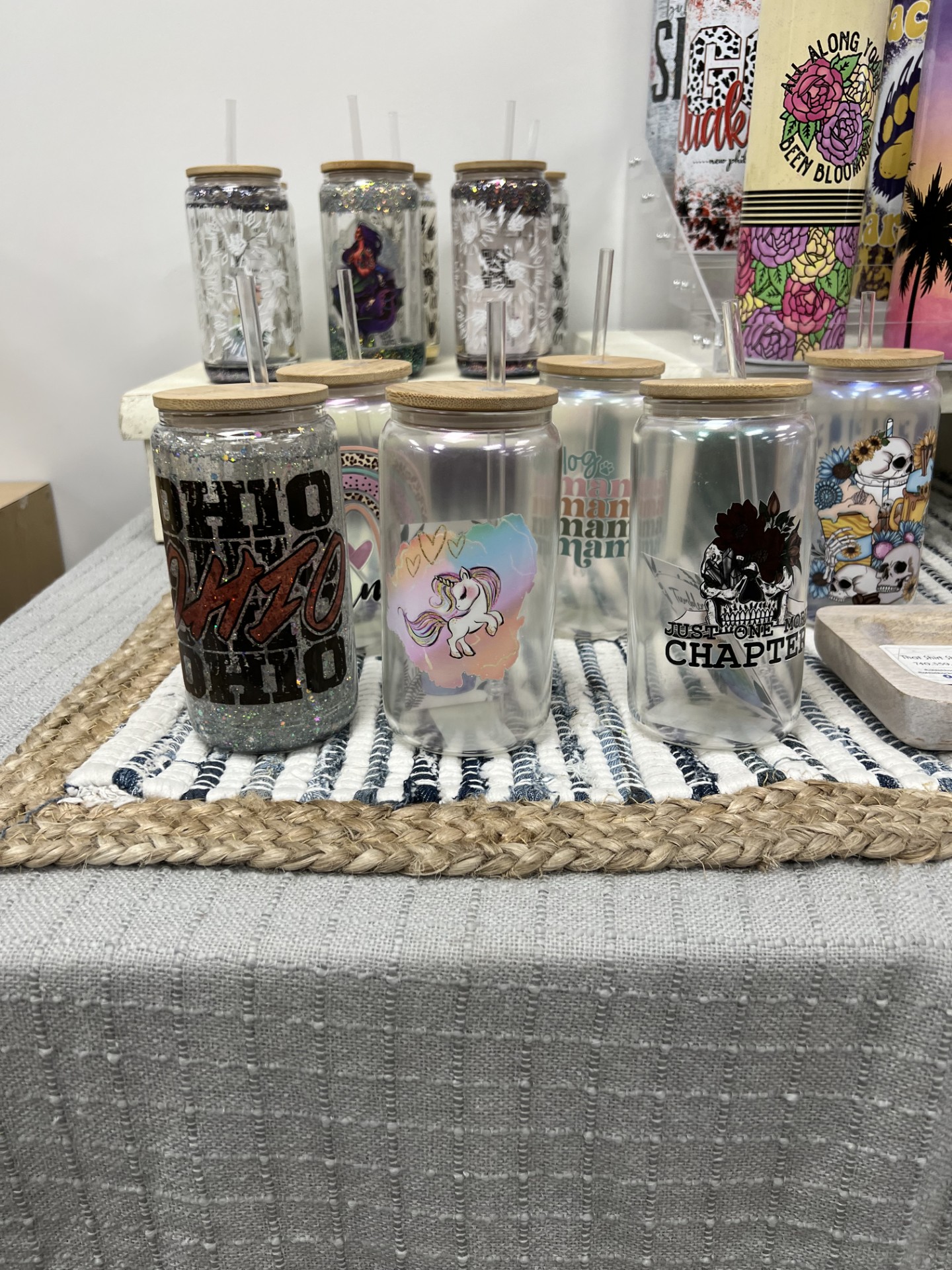
Branded drinkware, for instance, is reordered often by companies for new hires, events, and giveaways. “Extending branding beyond just apparel is a benefit for both our customers’ staff and their customers,” says Tammy LeMieux, owner of Ink It Your Way in Monroe, Washington. “A branded mug or tumbler that will stay on a desk or in a vehicle is always a win.”
Awards and recognitions are “strong margin products,” according to Check, because customers are more concerned about how they look than how much they cost to make. Consider items like plaques, glass and acrylic awards, trophy inserts, or nameplates.
Another door-opener, he says, are sublimated photo metal panels. “Real estate office, hotels and corporate spaces want clean professional wall art,” Check explains.
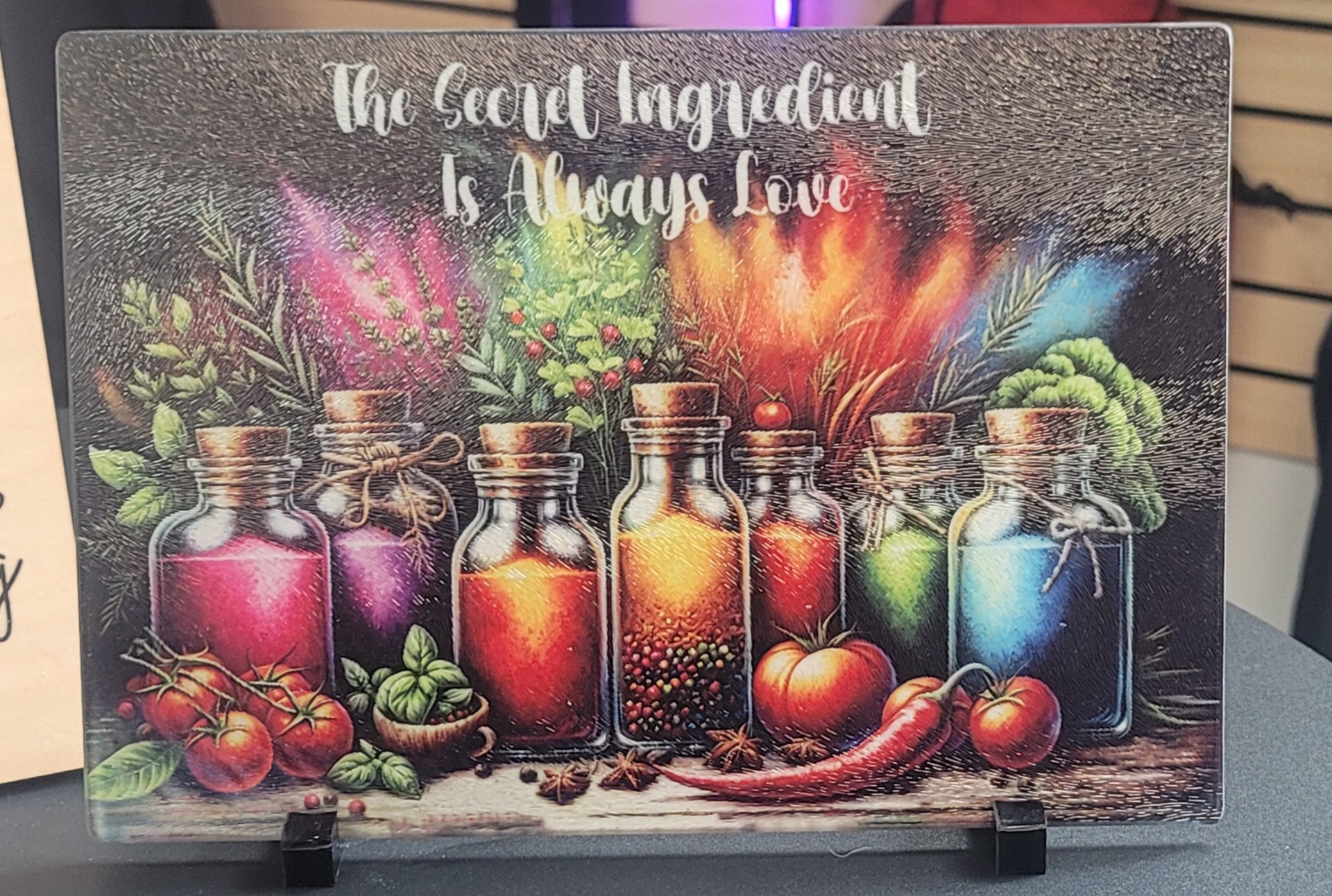
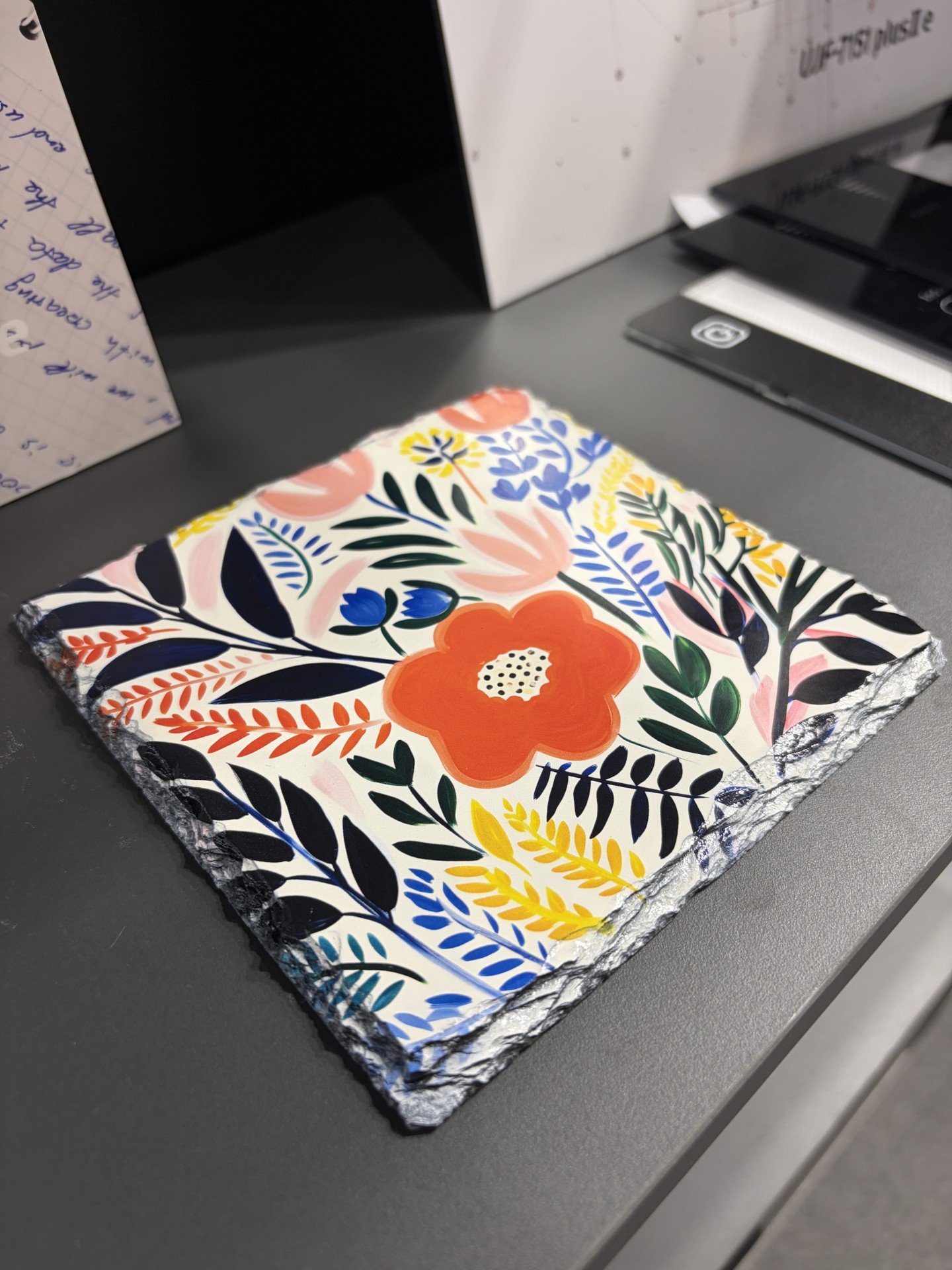
LeMieux has also sublimated coasters, name tags, slates, and glass cutting boards. Non-apparel soft goods such as bags, pillow covers, eye glass cleaners, jar openers, and can coolers are other strong contenders for sublimation.
ThatShirtShack has found success sublimating products that include bookmarks and notebook covers. “If you’re not going to wash it, you can sublimate almost anything,” Wines says.
The good news for decorators who run sublimation for apparel is that you’re already most of the way there when it comes to setting up a workflow for hard goods sublimation. “The printer doesn’t change, and your art setup stays the same,” Check says. “What you really need is the right heat press for hard goods.”
Flat presses are recommended for metal panels, plaques, and tiles, while a mug- or tumbler-specific press is best for drinkware. “However, combo presses can also support a range of hard goods if budgets are tight,” Check says.
For shops just getting started with dye-sublimation or adding hard goods alongside apparel, Check recommends a 24” dye-sublimation printer, such as the Epson SureColor F570 Pro. For shops running longer jobs or printing overnight, a 44” printer with a take-up reel, such as the SureColor F6570, will save time and labor, he adds.
“The key is keeping it simple at first and buying equipment that fits how you actually work, not how you think you might work someday,” Check says.
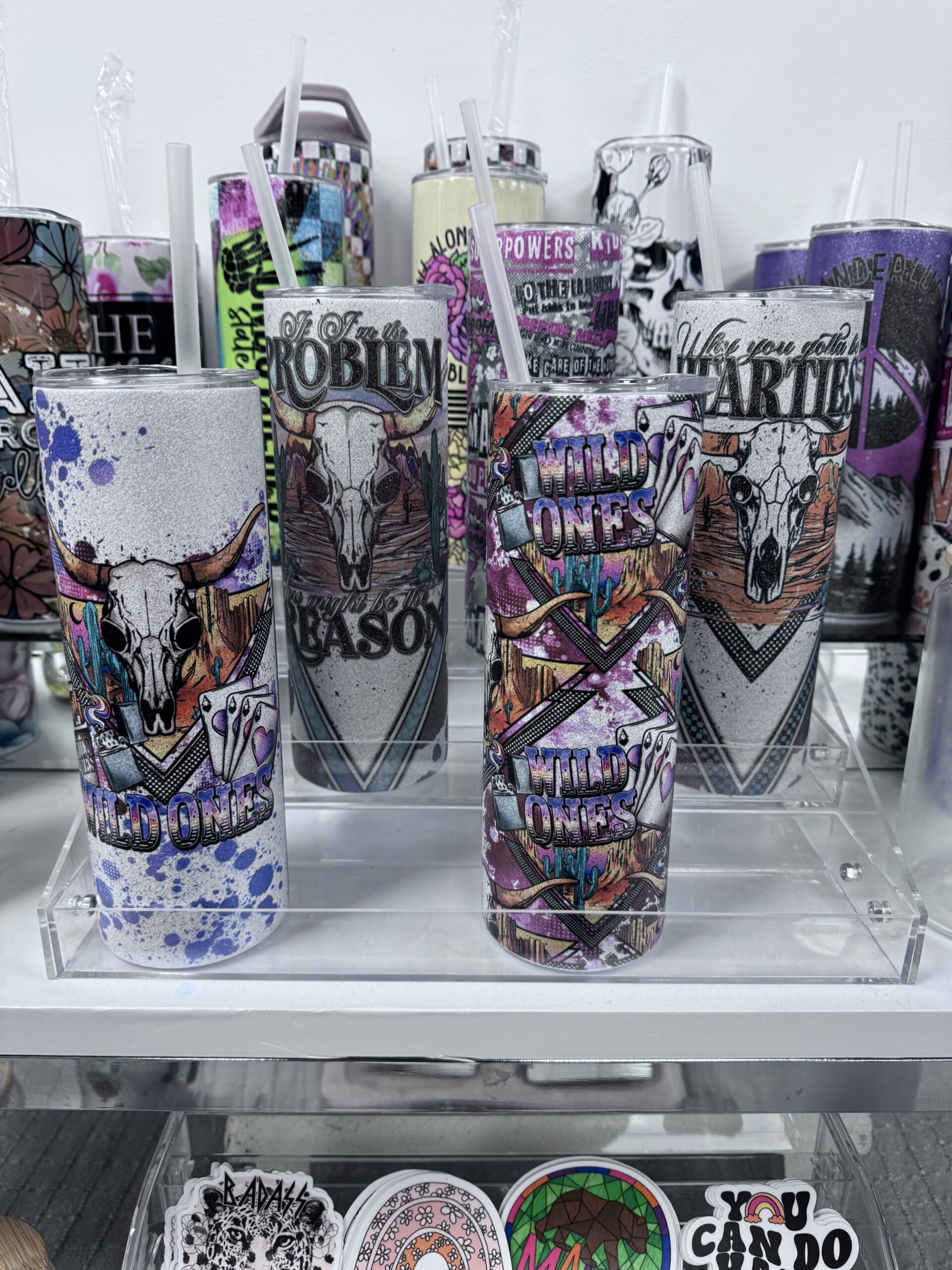
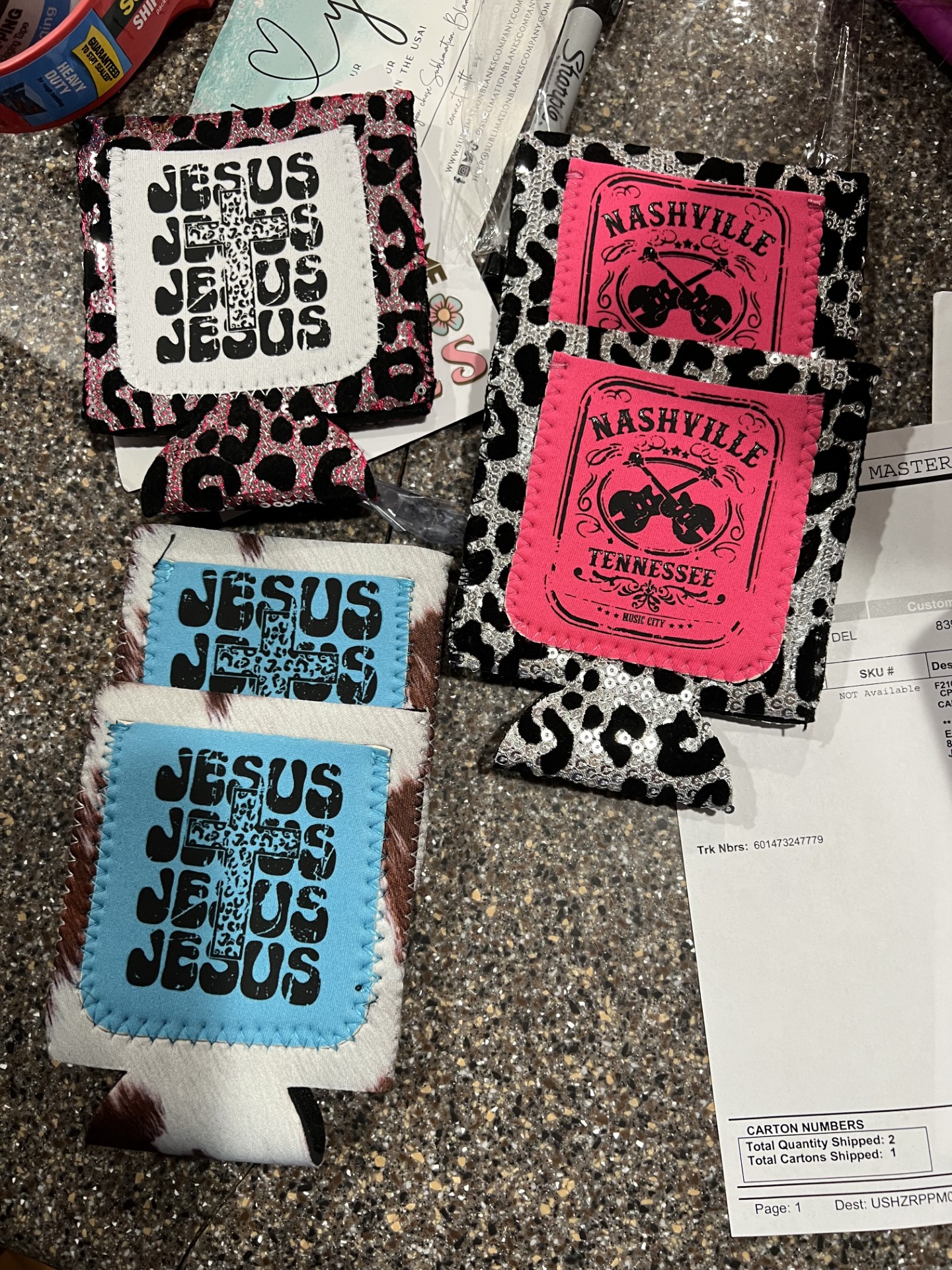
One way sublimation technology has changed in recent years is that the process has become easier and more dependable to run day to day, according to Check. For instance, some of the newest printhead technology can monitor print quality in real time, detecting clogs or other anomalies and automatically compensating to keep image quality consistent. “For a production shop, that means fewer ruined transfers, less reprinting and far less monitoring,” Check says. “You can load the paper, start the job, and trust it to stay on track.”
He also notes that entry-level machines have become more capable than in the past, offering solid quality, built-in safeguards, and consistent results, which makes it easier to start adding hard goods without having to invest in a high-end production unit.
Crucial for success is investing in high-quality equipment and consumables, experts say. “We learned early on — buy once, cry once,” LeMieux says about equipment purchases.
Check has the same advice when it comes to buying hard good blanks. “Bad coatings lead to bad results, no matter how good your printer is,” he says.
It’s important to pay close attention to your equipment settings, test new substrates, and document your processes, especially if you have to make modifications from manufacturer recommendations to accommodate your shop’s setup. “Everything in sublimation is going to come down to pressure, time, and temperature,” Wines says. “If one of those is off, then your results are going to be off.”
Of course, dye-sublimation isn’t the only decoration technique suited to branding hard goods. UV printing, for example, can handle nearly any surface and works well for small, mixed jobs, Check says. Direct-to-film (DTF) printing has expanded beyond apparel to support select specialty items as well, he adds.
Where sublimation shines compared to other techniques is “when durability matters,” Check says.
“Sublimation differs in that the image is infused into the coating rather than sitting on top, making it especially effective for coated mugs, tumblers, and metal panels — delivering no raised texture, no peeling or cracking, and long-lasting color,” Check says.
The vibrant and unlimited colors make it an ideal choice for decorating keepsakes, souvenirs, awards and incentives, and a range of company giveaways.
“Seeing a customer’s response when they pick up their order never gets old,” LeMieux says. “Sometimes, it’s laughter and joy, and other times, it’s tears and memories. Either way, creating a lasting, meaningful item is rewarding.”