
From Casual to Couture: The Evolution of Apparel in Promotional Marketing
For decades, the promotional products industry served businesses with tangible reminders to connect with target audiences. These products are budget-friendly and diverse, helping businesses build brand recognition and foster loyalty. Among the galaxy of giveaways, promotional apparel has emerged as a marketing favorite, offering a unique blend of visibility, utility, and personal connection.
Promotional apparel has undergone a significant transformation over the years. What began as simple logoed T-shirts and caps has evolved into a sophisticated sector where style, quality, and fashion play a critical role. This evolution from casual to couture in promotional apparel reflects broader trends in consumer behavior, branding, and marketing strategy.
Understanding the Rise in Demand for Promotional Apparel
Apparel has always held a special place in promotional marketing due to its inherent visibility and practicality. When customers wear your personalized T-shirts, they become walking advertisements, spreading brand awareness wherever they go. This type of marketing is powerful because consumers are not just receiving a message, they are actively displaying it.
In addition to visibility, apparel offers a personal connection that few other promotional items can match. Clothing is an intimate product that can evoke feelings of comfort and pride. When done correctly, promotional apparel can create a positive association with your brand, leading to stronger customer loyalty and advocacy.
The history of promotional apparel dates back to the late 19th century when businesses began to realize the potential of using clothing as a marketing tool. The earliest examples were simple and functional, focusing primarily on basic branding.
One of the first known uses of promotional apparel was in 1896 when a New York-based baseball team created T-shirts with their logo to promote the sport and their team. These shirts were rudimentary by today’s standards but were effective in creating brand awareness.
As the 20th century progressed, promotional apparel became more common, particularly in the form of T-shirts and caps. Companies saw the value in providing employees and customers with branded clothing that promoted the brand while also serving as a functional item.
The focus during these early days was squarely on utility and cost-effectiveness. The goal was to produce items in bulk, at a low cost, and with the primary aim of getting the brand’s name out into the public sphere.
These early promotional items were often made from inexpensive materials, with designs that were simple and straightforward. The apparel was seen more as a vehicle for branding than as a product that needed to appeal to consumers’ tastes or preferences.
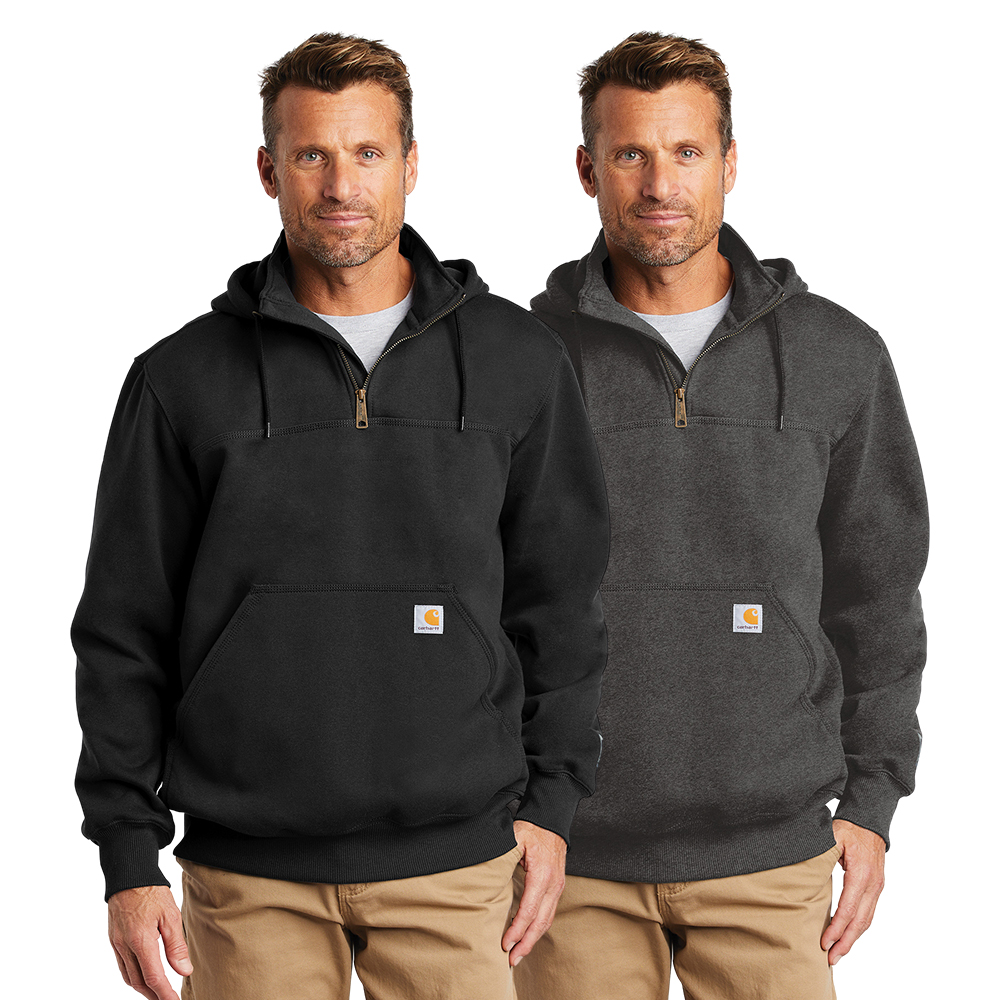
When done correctly, promotional apparel can create a positive association with your brand. | Credit: Dave Sarro
The Shift Toward Stylish Clothing and Fabrics
By the late 20th century, companies recognized that to stand out, they needed to offer more than just a logo on a basic T-shirt. The shift toward higher quality fabrics and more sophisticated designs marked the beginning of a new era in promotional apparel.
Companies that recognized this shift began investing in better-quality materials, such as soft cotton blends, moisture-wicking fabrics, and eco-friendly options. These materials not only felt better to wear but also conveyed a message about the brand’s commitment to quality and innovation.
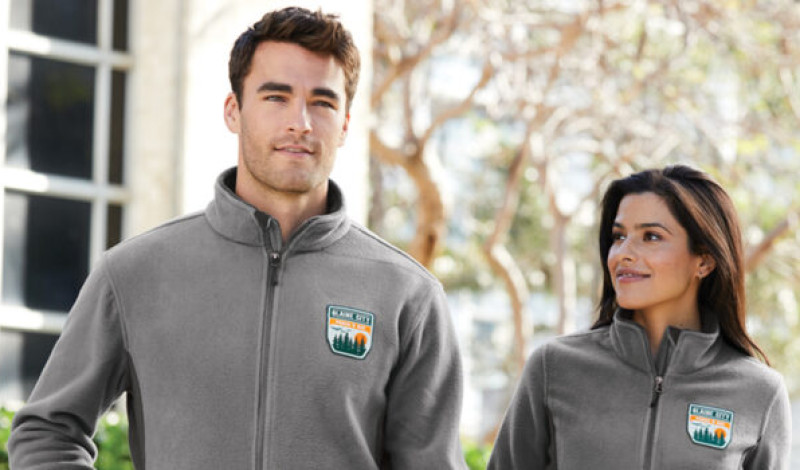
In addition to fabric improvements, the design of promotional apparel also became more sophisticated. The days of simply slapping a logo on a plain shirt were over. Companies began working with designers to create apparel that was fashionable and appealing. This included using modern cuts, trendy colors, and subtle branding techniques, such as embroidery, patches, or tone-on-tone printing.
The growing emphasis on style and quality is also a response to shifting consumer expectations and market trends. Consumers are increasingly brand conscious, seeking out products that align with their values and lifestyles.
Brands have recognized that their promotional items must reflect current fashion trends and consumer preferences to remain relevant. This means keeping up with seasonal styles, popular color palettes, and the latest in fabric technology. The push toward higher quality and more stylish apparel is not just about making a good impression — it’s about ensuring that promotional items are used and appreciated.
Embracing Couture Fashion and Premium Fabrics
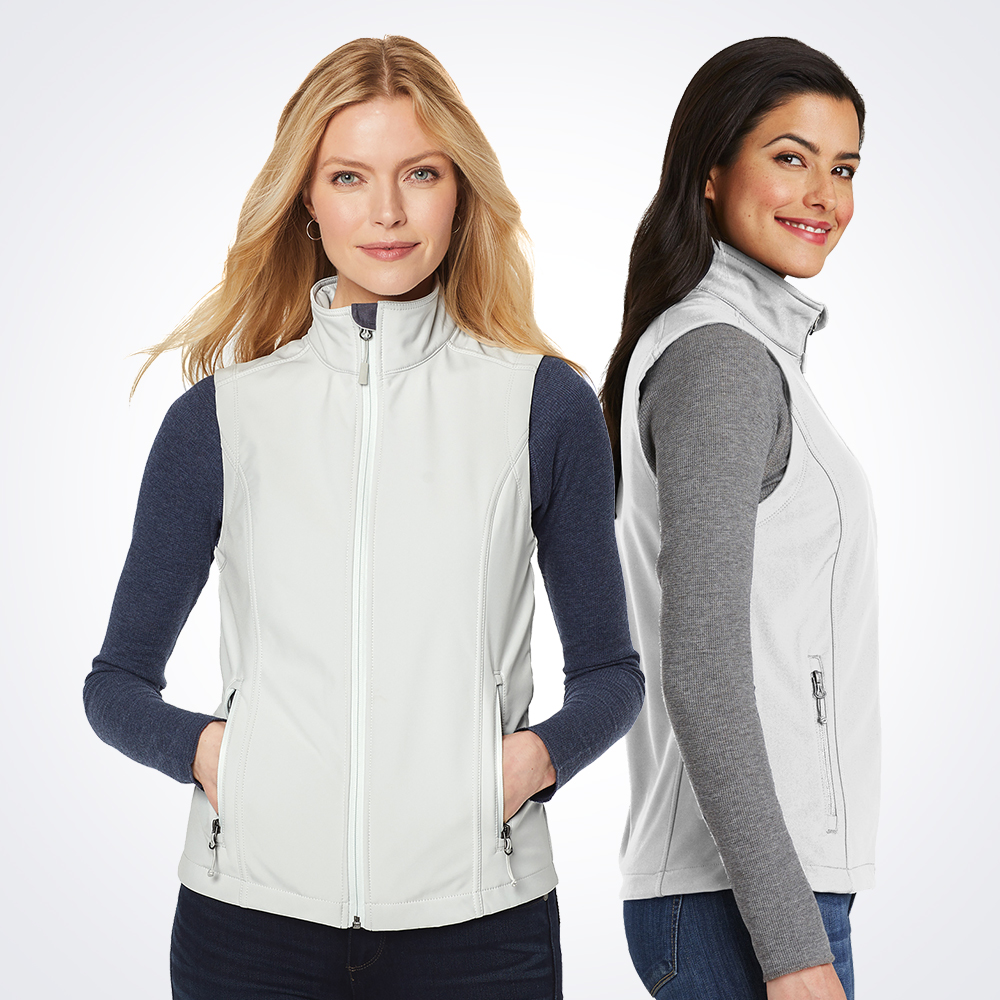
Promotional apparel is an extension of the brand itself. | Credit: Dave Sarro
The most significant evolution in promotional apparel is the movement toward couture fashion. Companies are no longer content with just providing a T-shirt or cap; they are creating entire lines of branded apparel that could easily be mistaken for items found in a retail boutique.
This shift is driven by the understanding that promotional apparel is not just a marketing tool — it is an extension of the brand itself. The quality, style, and design of the apparel reflect the brand’s identity and values. As a result, companies are investing in collaborations with fashion designers, using premium fabrics, and employing cutting-edge manufacturing techniques to create promotional apparel that people are proud to wear.
For example, high-end brands have begun offering limited-edition promotional apparel that is both exclusive and fashionable. These items often feature unique designs, luxury materials, and are produced in limited quantities, making them highly coveted. By creating promotional apparel that is on par with retail fashion, companies can generate excitement and buzz around their brand, turning their customers into brand ambassadors who are eager to show off their exclusive gear.
This trend toward couture promotional apparel is particularly evident in industries where brand image is paramount, such as tech, luxury goods, and lifestyle brands. Companies in these sectors understand that every touchpoint with their customers is an opportunity to reinforce their brand’s identity. By offering high-quality, fashionable promotional apparel, you can create a deeper connection with your audience, turning a simple promotional item into a powerful brand statement.
As we look to the future, it’s clear that the trend toward couture apparel will continue. Brands will increasingly prioritize fashion-forward designs, transforming apparel into coveted, high-status items. To make a lasting impression on your target audience, consider investing in custom-branded jackets, premium polo shirts, designer sunglasses, and high-quality caps. Couture fashion speaks volumes about your commitment to quality and style.


