
Future-Proof Your Apparel Decorating Business with a Strong Vendor Network

Supply chain disruptions can derail production, delay deadlines, and cost you clients. For apparel decorators, building a diverse vendor network is key to staying flexible, competitive, and resilient.
Supply chains – they're talked about often, especially in times of economic change, uncertainty, and global pandemics. When manufacturers face pressures from tariff hikes, shutdowns, or slow shipping times, decorators feel that strain. Whether it’s delayed shipments, low inventory, increased prices, limited product range, or unreliable vendor support, supply chain volatility can hugely impact decorators.
To avoid delays on deliveries and missed deadlines, apparel decorators need to diversify their supply chains to stay competitive. The pandemic and the more recent tariff changes are a perfect example of when changes outside a shop's control can expose its vulnerabilities. Those businesses with diverse vendor networks have kept things moving – often being the difference between struggle and success.
And it’s not just about crisis management. Having a diverse list of equipment, blanks, and consumables suppliers means an opportunity to explore new product offerings and technologies you may not have considered.
At the end of the day, you don’t want to lose clients because of limited or poor vendor choices.
Why Diversifying Your Vendor Network Matters
Meeting deadlines in this industry is the name of the game, and if your vendor network isn’t up to snuff, it can cause hiccups in production and workflow.
“Decorators live and die by deadlines,” Mitch Cahn, founder and president of Unionwear, stresses. “The difference between keeping and losing a client often comes down to delivering the right product on time. That’s why a diverse vendor network isn’t a luxury — it’s mission-critical.”
Cahn says his company learned this the hard way when FDA-approved materials weren’t available in the U.S. during the pandemic. Materials were sitting overseas in containers, causing logistical nightmares.
“Suppliers were shut down, but because we had 10 to 20 vendor relationships already in place, we could pivot immediately — from hats and bags to producing face shields and gowns,” he shares. That agility within a vendor network allows a decorator to say yes when opportunity knocks — whether it’s switching product categories, pivoting amid price increases, or jumping on a viral campaign or event, Cahn explains.
A diverse vendor network brings flexibility and resilience, adds Taylor Landesman, vice president of Lawson Screen & Digital Products Inc. “It ensures access to a broader range of products, better lead times, and alternative options if a supplier has delays or stock issues,” he says. “It also increases competitiveness, enabling printers to search around for better products and prices.”
What happens when you rely on one or two vendors? You gamble with your reputation, Cahn warns, including being faced with complete shutdowns if a vendor closes unexpectedly and bottlenecks outside your control.
“Relying on a limited number of vendors exposes decorators to serious risks like supply disruptions, pricing fluctuations, and reduced bargaining power,” adds Lawson. “If a key vendor experiences delays, discontinues products, or raises prices, decorators could face production stoppages or fail to meet client deadlines, damaging their reputation.”
Keeping vendor lines open is especially important during a time when consolidation among apparel wholesalers is happening.
“Don’t shy away from smaller wholesalers/suppliers in your region,” Tim Gibson, president of sales at US Standard Apparel, says. “Many times, they stock or drop ship many of your everyday brands as well, and are much more likely to work with you on credit, pricing, shipping, etc. Never put all your eggs in one or two baskets.”
His advice: Don’t miss out on brands you may not know about because your go-to wholesaler doesn’t carry them. “Explore new and exciting brands when attending trade shows,” he advises. “You may find something that separates you from your competition up the street — same goes with supplies and equipment.”

Finding and Choosing the Right Vendors
The argument for widening your vendor network is clear, so what qualities can decorators look for when choosing a new vendor partner? While price is important, it’s not the North Star. Reliability and relationships hold weight in any good partnership. Are your vendors adapting to your needs and contributing to your growth?
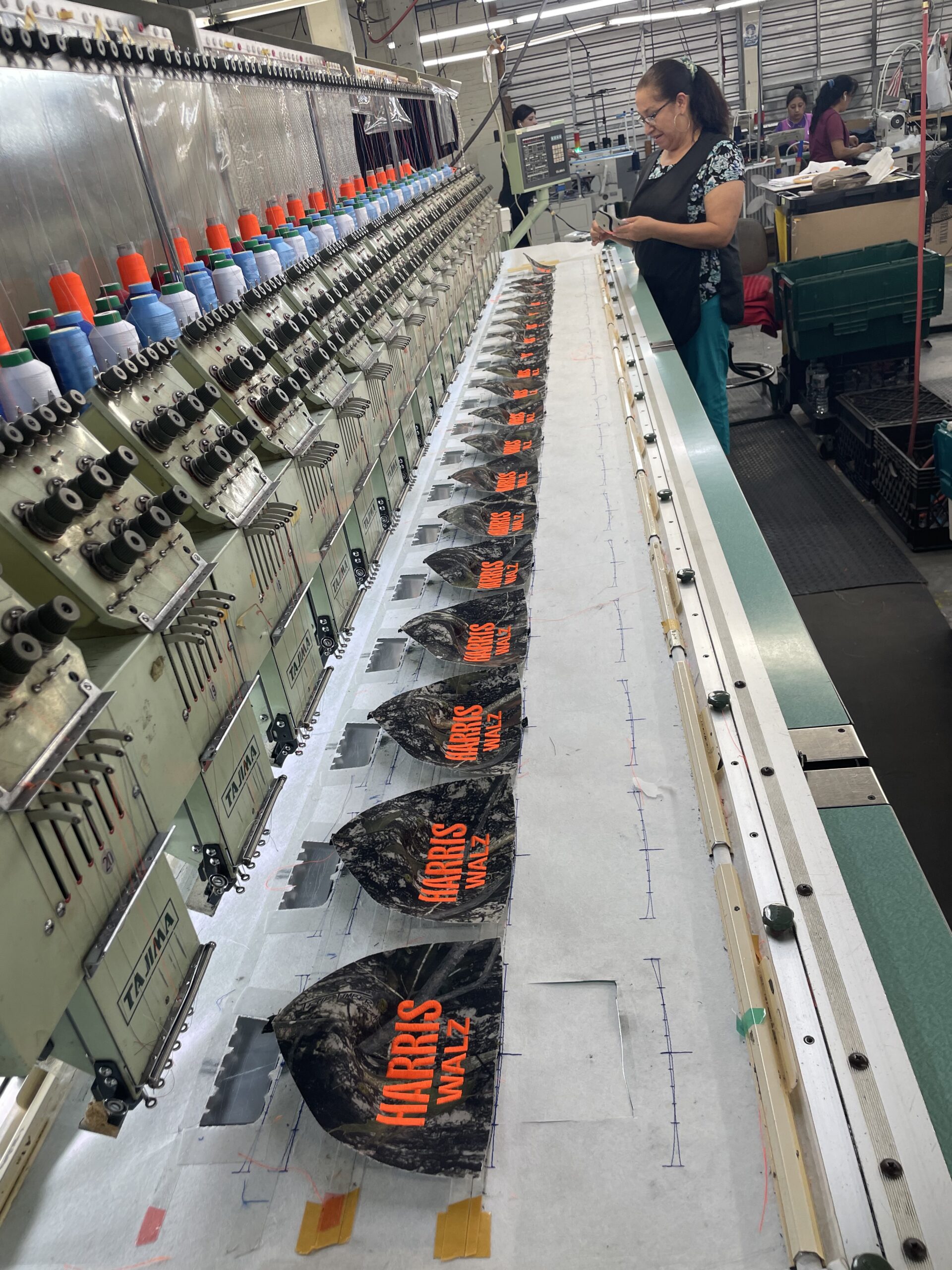
Vendors should be partners that communicate well and often, share trends and forecasts, provide needed information in a timely manner, and offer feedback.
“Today’s environment demands more than just price or product catalogs,” Cahn affirms. He suggests finding vendors who offer:
- Inventory depth and speed
- Decoration flexibility
- Instant quotes
- Market understanding
- Domestic sourcing
“Unionwear alone offers over 100,000 SKUs, many of which can ship immediately,” Cahn adds. “That kind of flexibility empowers decorators to say yes more often.”
When it comes to equipment suppliers, Landesman says, “Decorators should look for vendors that offer robust technical support, ongoing training, warranty coverage, quick access to replacement parts, and reliable customer service.”
Beyond these checklists, Gibson says it’s also imperative for a vendor partner to have an interest in helping the decorator grow their business. “Have they come to see you in your shop? Have they provided samples for your showroom or production? Have you ever heard from them at all?” he asks. “In defense of my fellow rep community, we can’t see everybody and, frankly, don’t know everyone. This is why you should go to trade shows and other events and get to know the rep in your territory.”

Sincerity, honesty, and follow-up are three things he looks for in any good partnership. There’s a good chance decorators have come across a vendor rep who has promised the world — samples, EQP printing, credit terms, and more — and then, radio silence. “Avoid these like the plague,” Gibson says. “They will not help you or be a true partner. They are just checking a box that they stopped in to see you.”
He makes it a point to spend time with anyone and everyone who visits his trade show booth. Sometimes it’s a well-established customer or friend, but often, it’s someone new to the industry who’s just starting out or just purchased their first piece of equipment.
“They are looking for resources and partnerships to help them grow,” he says. “Who is that vendor who took the time to speak with you or show you the line or new supplies and equipment that could help you in your shop? These are good qualities to look for. Today's small shop or newbie is tomorrow’s big shop.”
Beyond intentional interaction from a vendor, decorators also need to do their research. Are they a reputable company? Research, ask peers for advice and first-hand experience, and explore social media threads and comments. This due diligence will help you uncover if a vendor could contribute to your business’s growth.
And just like any relationship, these vendor partnerships are a two-way street. While they can check all the boxes on their end, decorators have a part to play in cultivating those relationships. Help them help you.
Strengthening Existing Relationships
Strengthening new and existing vendor relationships is the key to all this coming together successfully.
When you open your vendor network to 10-20 vendors instead of one or two, you create options, but it’s important to foster those relationships. When you have established relationships, you can call in that favor when you need it, Gibson says, but avoid abusing those relationships. Keep favors selective and pay it forward.
“Spend time learning the strengths and weaknesses of the brands and products they represent,” Gibson says. “How can you help them? Quid pro quo. If they have shown interest in helping you and growing their business, you should do the same. Don’t ask for a bunch of free samples and never order anything. They will ghost you faster than you can say ‘waste of time.’ Realize they have a job to do as well.”
When you treat your suppliers like partners, they’ll become your best resources.
“Many of our biggest successes came when we ‘banded together’ with vendors and clients alike to move mountains in days,” Cahn shares. “The more your vendors understand your challenges, the more prepared they’ll be to help you solve them.”
Your success is their success. “Search and find someone who is in it for the long haul with you, and not just there to sell you a piece of equipment,” Landesman adds.
Practical Steps for Apparel Decorators
So, what are the next steps? Sources provide some actionable tips to start growing your network today — a decision that will help your business tomorrow.
“Start by identifying gaps or vulnerabilities in your current supply chain,” Landesman says. “Research vendors through trade shows, industry forums, and peer referrals. Prioritize those with strong reputations for service and reliability. Test new vendors with small orders first. Over time, diversify across apparel, supplies, and equipment to build resilience.”
Gibson stresses the importance of carving out time for connecting with your network, no matter how bogged down and busy the shop gets. Whether it’s in-person or via social media, get out, make friends, and build those allyships in the industry.
“We are all from the same tribe and willing to help,” he says. “AI will not create a personal relationship for you; that’s something that you need to do in person. I’m all for automating processes and efficiencies, but I can assure you the best of the best in any business are the ones that establish a strong network and leverage those relationships to succeed.”
Resilience isn't built overnight. It takes work to foster strong relationships with vendor partners, carefully chosen based on your needs. Invest in your business today so the challenge of tomorrow already has solutions.
Don’t Let Tariffs Disrupt Your Supply Chain
Tim Gibson, president of sales, US Standard Apparel
Make sure to get ahead of tariff-related concerns like pricing and stock. Don't wait for the well to dry up before you act. There are more options than ever to purchase blanks and consumables, specifically here in the USA.
Price will always be a deciding factor. However, with the moving target of tariffs being so volatile, there is much less of a gap in price between import vs. U.S.-made.
Having a diverse network of both import and USA-made partners can help you navigate these challenges. Educate your customers and communicate any impending price increases or inventory shortages. They will understand and are already used to this in the everyday items we all purchase, including groceries, gas ... pretty much everything is more expensive today than years past.
If you are proactive with both your vendors and customers with communication and transparency, you will have a much easier time than those without those relationships and networks.
Explore blanks, supplies, and equipment vendors at PRINTING United Expo.
Register for the print industry's premier event, happening in Orlando, Oct. 22-24.