
7 Tips to Create the Ultimate POD Experience for Your Customers
You’re not a printer.
When someone asks me what I do, I no longer say I’m a printer or in printing tech or even in print-on-demand (POD). I tell them M.i.A Merchandise is a fulfillment solutions provider, which sounds like an opaque answer; however, in reality I think it’s what we all do. It’s time to elevate our collective status and our offering to customers
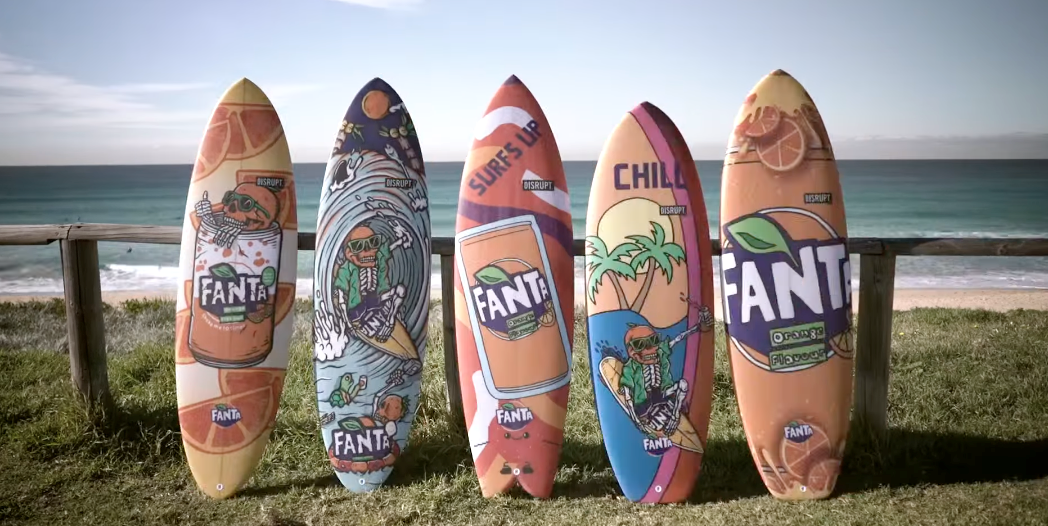
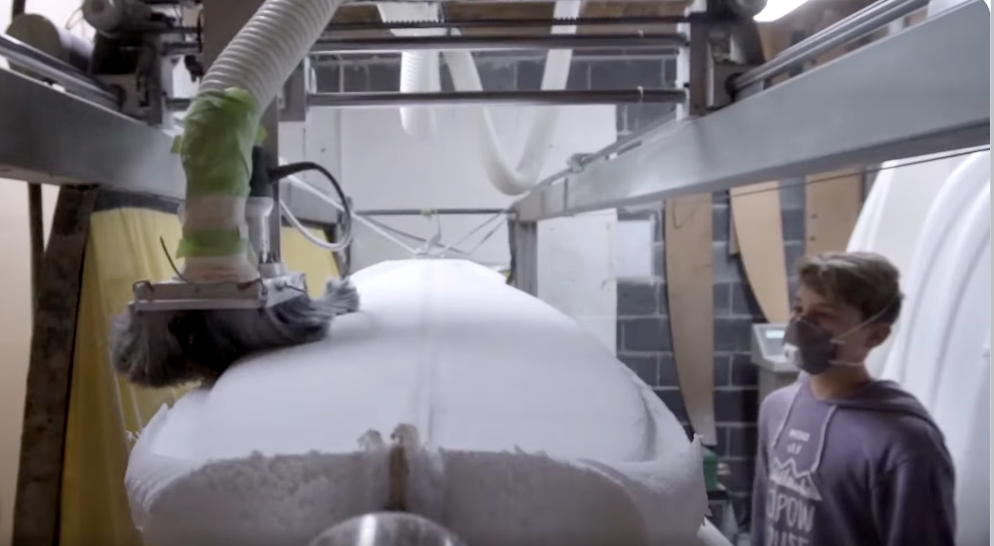
M.i.A started manufacturing-on-demand surfboards in Australia, taking CAD onto the web (and later got our break on Shark Tank). We evolved into POD (it turns out average Joe didn’t make a great surfboard engineer, but they could design the graphics pretty well), and from there we evolved again into a fulfillment solutions provider across the U.S., U.K., and Australia. I see the industry evolving as well and believe we are at another inflection point, or POD 3.0 if you will.
POD 1.0
Print-on-demand (or web-to-print as my dad and many others still refer to it as), has been around for some time now, with the first incarnations likely from some bright spark in a print shop who let you upload the file for your flyers to be printed.
This quickly saw multiple “print-your-own” retailers pop up and with it the need for fulfilment trade printers. Products were limited, technology worked even if it was a little clunky (hello FTP), and you’d be lucky to get your delivery in the next two weeks.
POD 2.0
As POD evolved and the market expanded to including retail brands or IP holders, so did the POD print network. No longer were we just printing flyers or wedding invites — soon we all were printing on T-shirts, hats, hoodies, mugs, and a lot of other interesting items with an ever-extended print space (ourselves included).
We all invested into more automation tools, direct-to-garment (DTG), barcoding, and invested in connecting API’s to make a more connected eco-system. The automation meant faster fulfillment, a decreased cost-basis, and an improvement in the products we could put a logo or name onto.
POD 3.0
Here is where we find ourselves today. Many people know how to print a T-shirt or sublimate a white space on a mug. The market has expanded yet again — we’re seeing all kinds of entrepreneurs with unique appeal from painting your pets to matching mom and baby outfits; from music to entrainment brands doing monthly brand refreshes, HR teams delivering to remote work-from-home employees, sales teams needing flexible fulfilment options, prizing, and many more use cases. As the market expands so must the businesses that we all operate in.

How to Create the POD 3.0 Experience
With a lot of people moving into the POD space, it’s crucial that you as a fulfillment solutions provider give the best possible experience to each and every customer. Here’s my advice:
- Move beyond the standard print area. Businesses are demanding more and more unique items to ensure they stay fresh, can capitalize on SEO trends, and increase repeat purchase rate from existing customers. This means moving beyond a simple, basic T with a front print. Instead it means working with alternative print areas like cuffs, sleeves, under arms, and oversized prints. It’s also about new blanks that step outside the norm, oversize fits, heavy blends, and mixed print methods (embroidery and DTG).
- Go beyond just T-shirts. We all need to consider what else we can offer outside of the standard Ts, hats, and hoodies. Using the same machinery (and direct-to-film and UV-DTF printing) will help this expand. No longer are businesses satisfied with a one-location print on a T. They are asking for more kiss-cut items like decorations, plaques, keychains, 3D models, custom fragrances, pet items, skateboard decks, and paint-by-numbers kits (to name just a few).
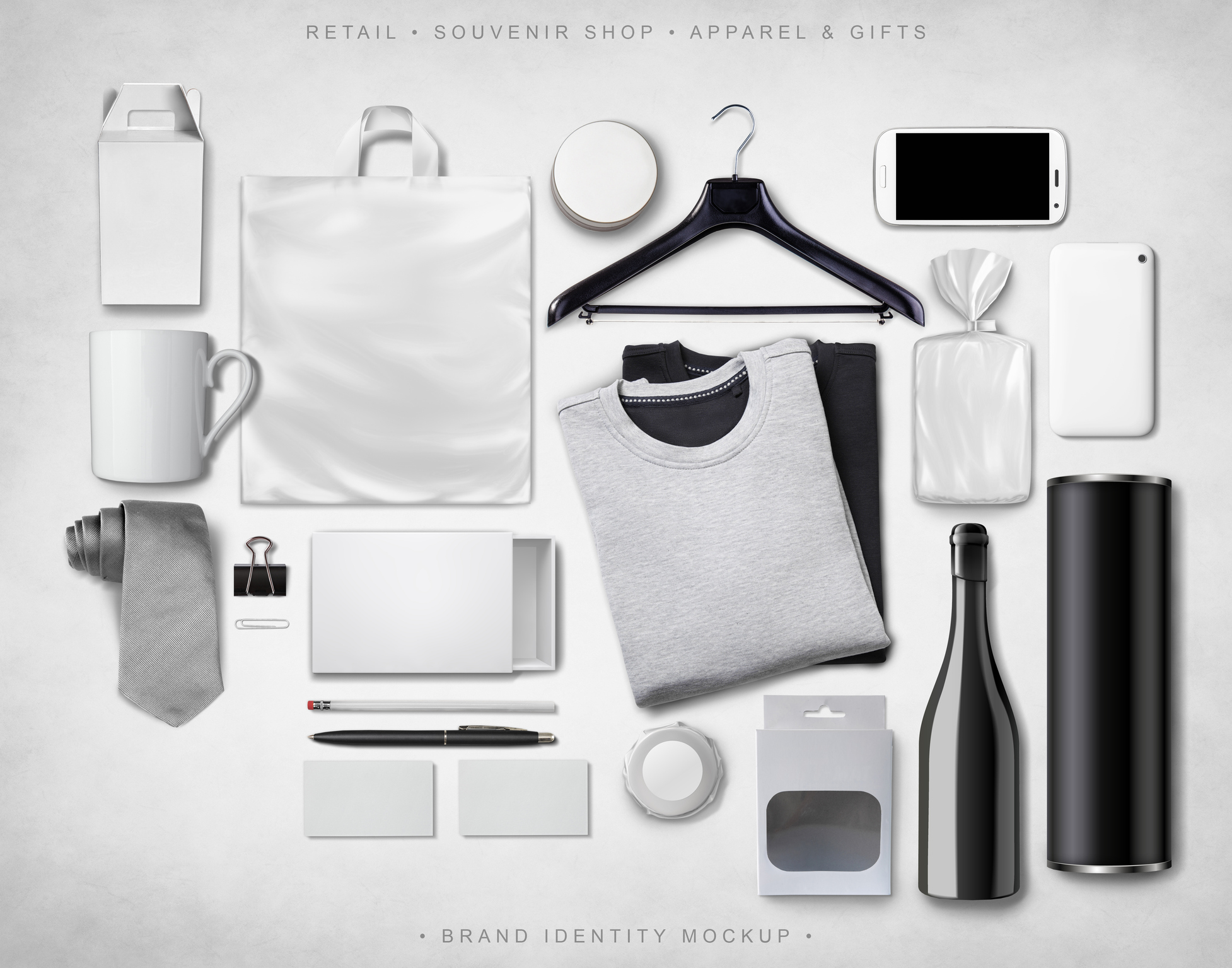
- Think about retail and packaging opportunities. Blank packaging no longer fits the bill. Think bio-plastic shrink wrapping, eco-hang tags, coat hangers, barcoding and variable print batch numbers, 3PL, kitting, and more. As more businesses look to outsource their entire back-end fulfillment to a partner, so must we, their fulfillment solutions provider, evolve to match their new channels matrix
- Achieve higher margins. The elephant in the room is often that an on-demand solution “costs more,” which it does on print fulfillment alone. We spend a lot of time educating future clients on “total cost of fulfillment” using an on-demand solution versus a traditional bulk option (of course, when it makes the most sense). Most do the math and see how the opposite of higher costs is true when they consider the cost of capital, warehousing old stock, missing sales when they go out of stock, and the leakage that happens along the way, let alone the internal staff management. Work with the client in mind and find solutions that address this question before it arises, including analyzing their sales data for them and seeing where a mixed solution of bulk runs/short runs with fulfillment costs and a layer of print-on-demand will provide them with the best blended margin. That’s how a solutions provider would think.
- Think on a global scale. More and more partners are looking for fulfillment solutions on a global scale. They may have strong domestic warehousing or supply chain but are looking for flexibility in their overseas fulfillment, to test, to learn, to scale with less risk and to do it all with less internal oversight. Make it easy for your partners to work with you while reducing their overall fulfillment (and internal oversight) costs.
- Work in tandem with your partners. M.i.A has taken the approach that we will no longer “make it and they will come,” putting a new catalog out twice a year to see what sticks. Instead, we focus on creating products in collaboration with our retailers and partners; we test, iterate, and bring those products to market (with a period of exclusivity) so everyone wins: the customer, the client, and the fulfillment solutions provider.
- Do it for the environment. Finally, if not just for evolving your respective business, consider the impact you’re having on the environment and how you’re changing the perception of the print and fulfillment industry as a whole:
-
- Removing items going to landfill
- Reducing the carbon footprint in the delivery networks by making items close to the customer and by replacing plastic packaging with more sustainable options
- Reusing the materials already available by bringing to market eco-friendly and long-lasting items with true utility
So the next time someone asks you what you do, consider everything you do and all the value you add.