

Wooden T-shirt Takes Sustainable Apparel to New Heights
Twin brothers, designers, and athletes Nick and Steve Tidball are known for using science and technology to design innovative clothing with the future in mind.
Their brand Vollebak didn’t originate in a garage as many apparel brands do — the idea came from the pair surviving things like heatstroke and bullet ants while running across the Amazon and Namib desert. During these explorations, they wondered if their clothes could help them manage the conditions they faced.
From the zombie-proof Apocalypse Jacket to workwear made for life on Mars and T-shirts made with black algae, the brand’s pieces address worldly issues like “climate change, resource scarcity, disease spreading around the world, and space colonization,” according to its website.
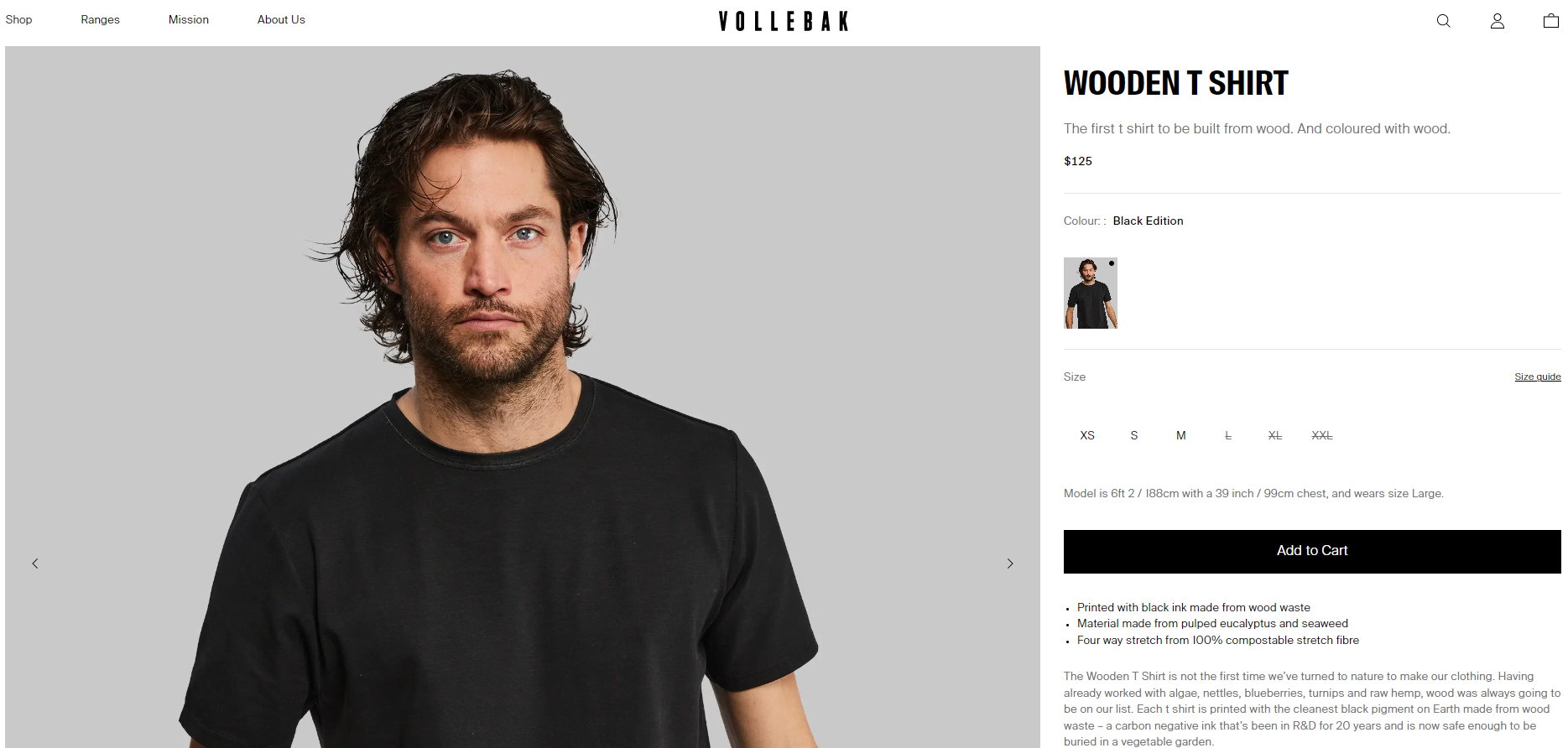
Its latest launch takes sustainable apparel to another level, offering consumers a T-shirt made and dyed from wood. Retailing at $125, the T-shirt is made from eucalyptus wood pulp and dyed using black ink made from wood paste — a carbon-negative ink that’s been in R&D for 20 years. The garment, made in Portugal, is 75/19/6 lyocell/SeaCell/compostable elastane, which gives it a four-way stretch and 100% compostability.
Credit: Vollebak
The Future of Sustainable Apparel
With innovation and the environment being key factors in Vollebak’s apparel, using natural elements isn’t anything new for the brand. It’s worked with everything from blueberries and turnips to raw hemp to make its apparel.
Credit: Getty Images by Andregric
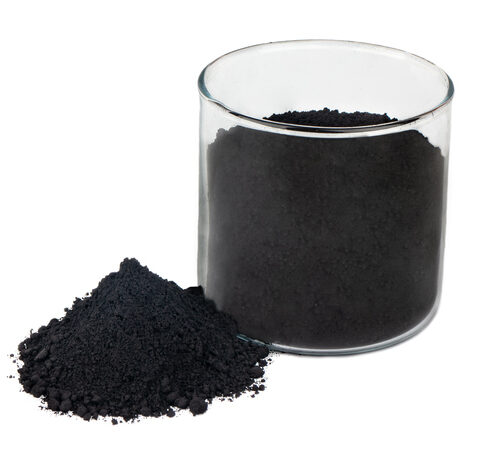
So why make a black pigment made from wood? The story behind carbon black — the pigment used to make virtually every black product black (tires, pens, printing inks, etc.) — isn’t necessarily a good one. The way it’s made creates greenhouse gases, and the petroleum needed to make it is pulled from the earth — eroding ecosystems and vegetation, and in turn, causing more carbon emissions.
For the wooden T, the brand partnered with Californian start-up Nature Coatings to formulate the clean black pigment for dyeing. Leveling up even further, the dye — or “ink” as Vollebak calls it — used for the shirt will continue to absorb CO₂ for 100 years. So rather than producing emissions, which is a concern in the textile industry, the T-shirt stores carbon emissions — also known as carbon capture technology.
Vollebak’s tagline, “Clothes from the future,” feels fitting and we can’t wait to see what the Tidball brothers come up with next.


