
Op Ed: The Voice of Change in Textile Sustainability
If you’ve spent any time discussing the state of the industry with me, you know that I’m passionate about sustainability. This isn’t just about textiles for me — I practice sustainability in my everyday personal life. But given that I work in the apparel decorating community, I spend a lot of time researching data and information when it comes to apparel and textiles.
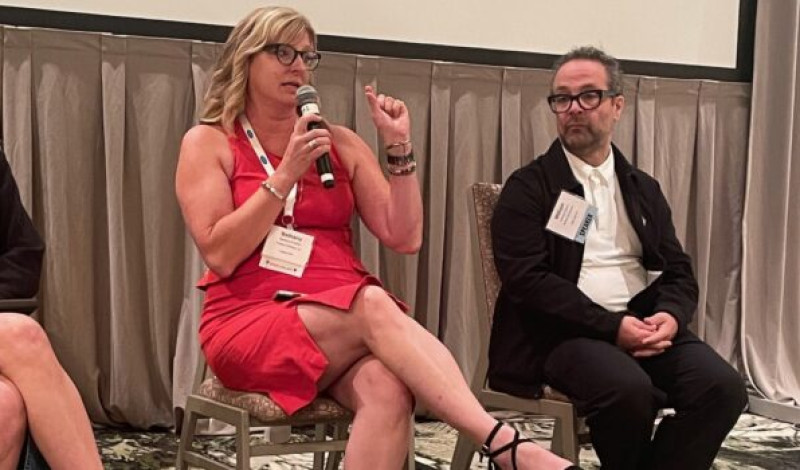
This past week (Oct. 6-8, 2024), I had the opportunity to attend the AATCC Textile Discovery Summit, where most of the conversations focused on textile recycling, repurposing, chemical safety, and coloring using natural and biodegradable methods. It was fascinating and simply mind-blowing hearing about what some companies are capable of achieving, particularly when it comes to scaling.
Those intimate to the topic know that apparel and textile recycling has long been a massive challenge. Things like fabric composition, mixed manufacturing, accessories like zippers, and synthetic dyes have presented problems when it comes to recycling. Not only that, but fast fashion and huge global companies taking advantage of de minimus loopholes have added to the proliferation of garment excess.
In other words, sustainability in apparel and textiles is a behemoth of a problem. It’s a 92-million-ton problem.
But hearing some of the work various companies are up to within the U.S. this week at the Textile Discovery Summit gives me hope. Companies like Accelerating Circularity are working on scaling textile recycling. Shelly Gottschamer, VP of Programs and Stakeholder Engagement, spoke on building a circular economy and some of the challenges that it presents.
We also heard from William Calvert of Return to Vendor, who notes that the company’s mono-material focus enables it to deliver products that are 100% recycled and 100% recyclable. They’re able to do this by focusing their efforts on nylon.
While it’s clear that a lot of progress is being made in this arena, it’s also clear that a lot of challenges still persist. Large retail brands still tend to overproduce to keep up with the latest fashion trends; color standards are not universal, nor do the natural dying processes currently available provide a wide selection range; and lack of accountability and funding often leads to more problems like greenwashing. However, a big point that many speakers agree on is that it’s about changing our mindsets and changing the mindsets of consumers.
Eric Henry of tsdesigns made this statement early in his presentation on slow fashion and agriculture in the U.S.: “Sustainability is a journey, not a destination.”
So I’m imploring the apparel decorating community members to join me in helping change the rhetoric: We can make a difference. We can educate our customers about better buying habits. We can help perpetuate change that will eventually address pain points like higher costs associated with apparel sustainability. But we can’t do nothing. Ninety-two million tons says we can’t keep on this path. So let’s be the voice of change.


