
Growth, Sales, and Digital Printing: A Recap of Apparel Decoration Summit
If you weren’t in Nashville last week for the Apparel Decoration Summit (ADS), we’re here to give you a quick play-by-play of what you missed!
From three days of networking, dedicated attendee-sponsor meetings, and education sessions to panel discussions, the second-annual ADS had it all. Attendees and sponsors couldn’t say enough about the event format – getting the chance to mix business and fun in a city like Nashville.
Day 1: SODA Results and a Night with Nashville Songwriters
Day one of the event kicked off with a presentation on the results from the latest State of the Decorated Apparel (SODA) survey, which included responses from 72 participants. Takeaways from the report:
- Majority (30.6%) report sales of $1-$3 million, while 6.9% say sales range from $250,000-$500,000.
- On average, participants offer four decoration methods in-house and outsource two.
- Top concerns for print shops include maintaining profitability, economy/business conditions, rising labor costs, increasing sales, and rising consumable and energy costs.
- 47.8% currently offer print-on-demand (POD) in-house, 18% plan to in the next two years, and 34.3% expect to continue outsourcing.
The day ended with a welcome dinner and icebreaker activity where attendees and sponsors broke out into groups with Nashville songwriters to craft songs about apparel decoration.
-

- PRINTING United Alliance’s Principal Analyst Lisa Cross shared the results of the most recent State of the Decorated Apparel (SODA) survey.
-

- The winning songwriting team took the stage for an entertaining performance.
Day 2: What’s Next in Apparel Decoration?
Day two had it all: a networking breakfast, education sessions, case studies, and 1:1 meetings.
A keynote sponsor panel featuring David Clifton, alphabroder; Don Whaley, Kornit Digital; and Josh Ellsworth, STAHLS’ discussed “What’s Next in the Apparel Decorating Industry?” The group covered digital printing, AI and automation, and what’s next in the changing world of apparel decoration. Key takeaways:
- Digital printing brings new opportunities, use cases, and markets to decorators.
- While digital is growing that doesn’t mean screen printing is dead. It steps in for those large, long-run orders, and works in conjunction with digital technologies.
- Digital printing is “adding to the pie not eating the other side of it,” Clifton urged.
- Some brands are now leveraging AI to predict body mass indexes of consumers to better plan for blank apparel production in silhouettes and designs, Whaley shared. This allows everyone to get a jump on trends before they happen, which lends itself to nimble, short-run production, he added.
- Ellsworth anticipates acceleration of digital technology, including direct-to-film (DTF) becoming more cost-effective for higher quantity runs. “We’re going to start seeing more realistic textures and finishes come through the digital platforms and technology,” he predicted.

Apparelist Content Director Cassie Green alongside Josh Ellsworth, STAHLS’; David Clifton, alphabroder; and Don Whaley, Kornit Digital. | Credit: Apparelist
Taking Your Shop to $15+ Million
In a session presented by YOUNGONE’s Jeffrey Paul, printers got a deep dive into what it takes to go from a $5 million shop to $15 million and above.
“Your business does not need you working on things that are right,” he said, leaving attendees with a list of questions to ask themselves if they’re looking to reach that next level of revenue. For example, is your AP accurate? Do you know how much you owe in three weeks? Does your accounting system accurately capture inventory? Do you have job descriptions and pay ranges for every position?
A Word on DTF Printing
Green’s panel on DTF printing featured Kevin Oakley, Stoked On Printing; Jed Seifert, Stakes Manufacturing; and Mehmet Ugur, Tidal Colors. Key takeaways:

DTF panelists shared what they anticipate from DTF in the next five years. | Credit: Apparelist
- Speed, better hand feel, automation, and improved printer manufacturer support are in the future, but it’s tough to say when it’ll reach its sweet spot.
- Oakley anticipates those just starting in apparel decoration will lean toward DTF because of its smaller footprint.
- Mehmet stressed the importance of fume filtration for the safety of the environment and employees.
- Seifert noted the additional staff needed, training, potential color issues, and just knowing the general direction of your business before bringing it in-house.
“Version 1.0 is usually not that good,” Seifert shared. “Sit and wait and let the dust settle … let the equipment mature.”
Case Studies and 1:1 Meetings
Mixed in between general sessions, attendees broke out into their CMYK small groups for 20-minute case study sessions presented by sponsors. Each session featured a short presentation, followed by a time for Q&A, where attendees shared business pain points and praises.
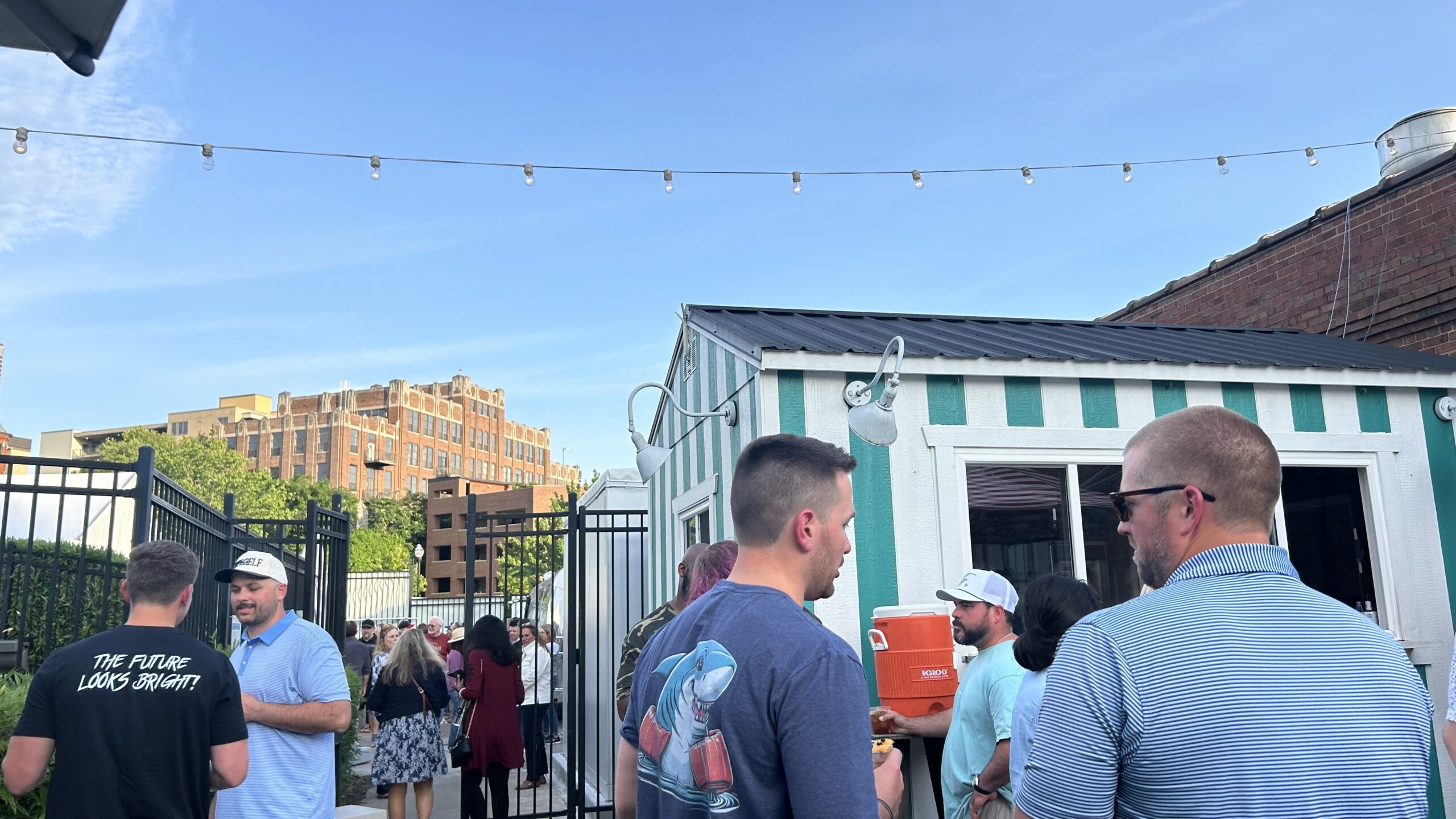
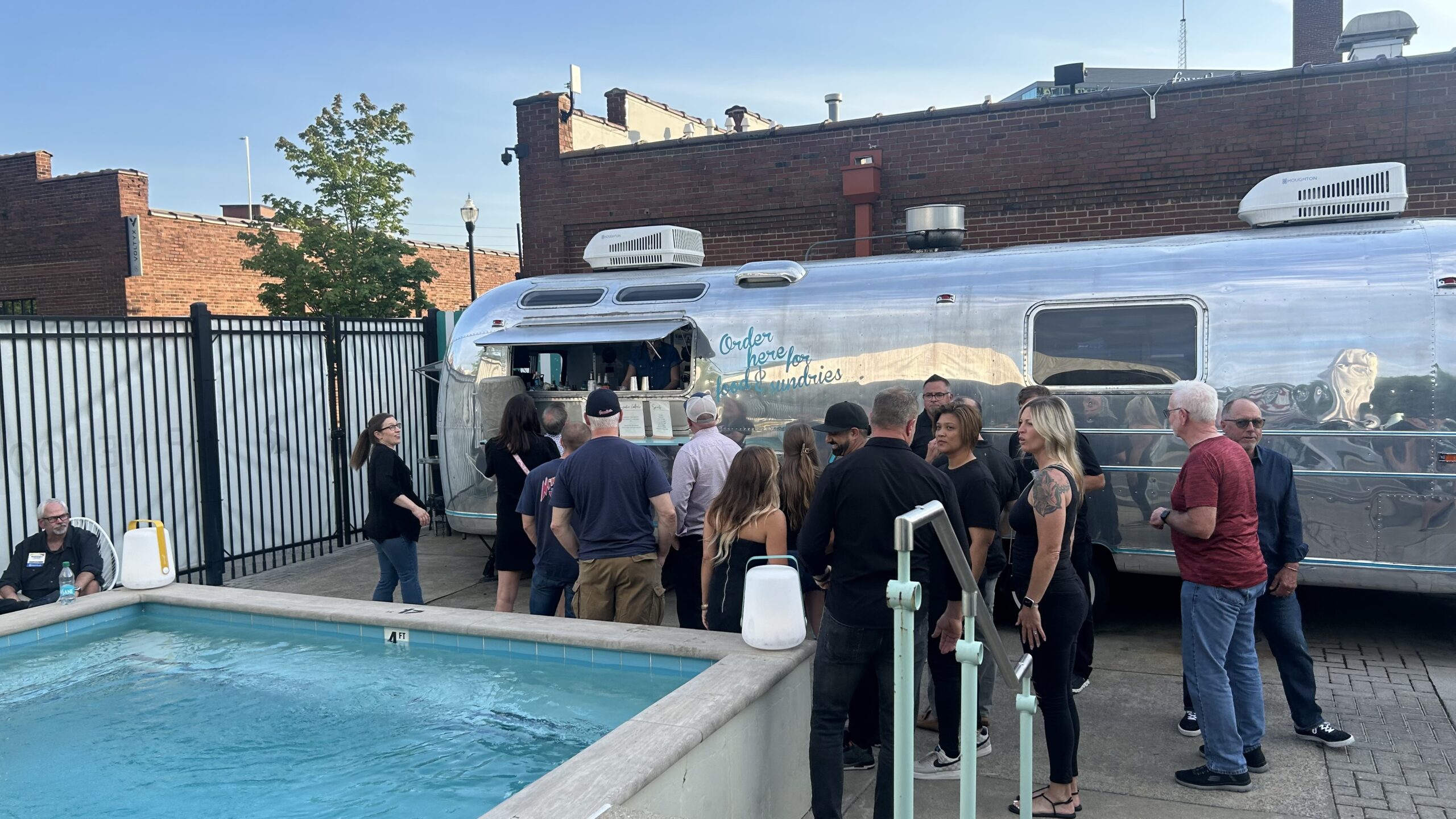
Day two ended with 1:1 meetings, where attendees had the chance to pick the brains of sponsors in a speed-dating-like experience. Taking those connections to a more casual environment, the group headed to Pinewood Social for mingling, dinner, and games.
-

- 1:1 meetings between sponsors and attendees.
-

- Day two featured case study sessions from keynote, diamond, and gold sponsors.
Day 3: A Focus on Sales
With sales being a top concern among SODA participants, we couldn’t send attendees off without a proper discussion on sales strategies. On day three, Marshall Atkinson, Atkinson Consulting; Kevin Baumgart, Set Sales/Sales Ink; Lon Winters, Graphic Elephants; and Nikki Bowen, Cotton Street Apparel joined Green for a final panel.
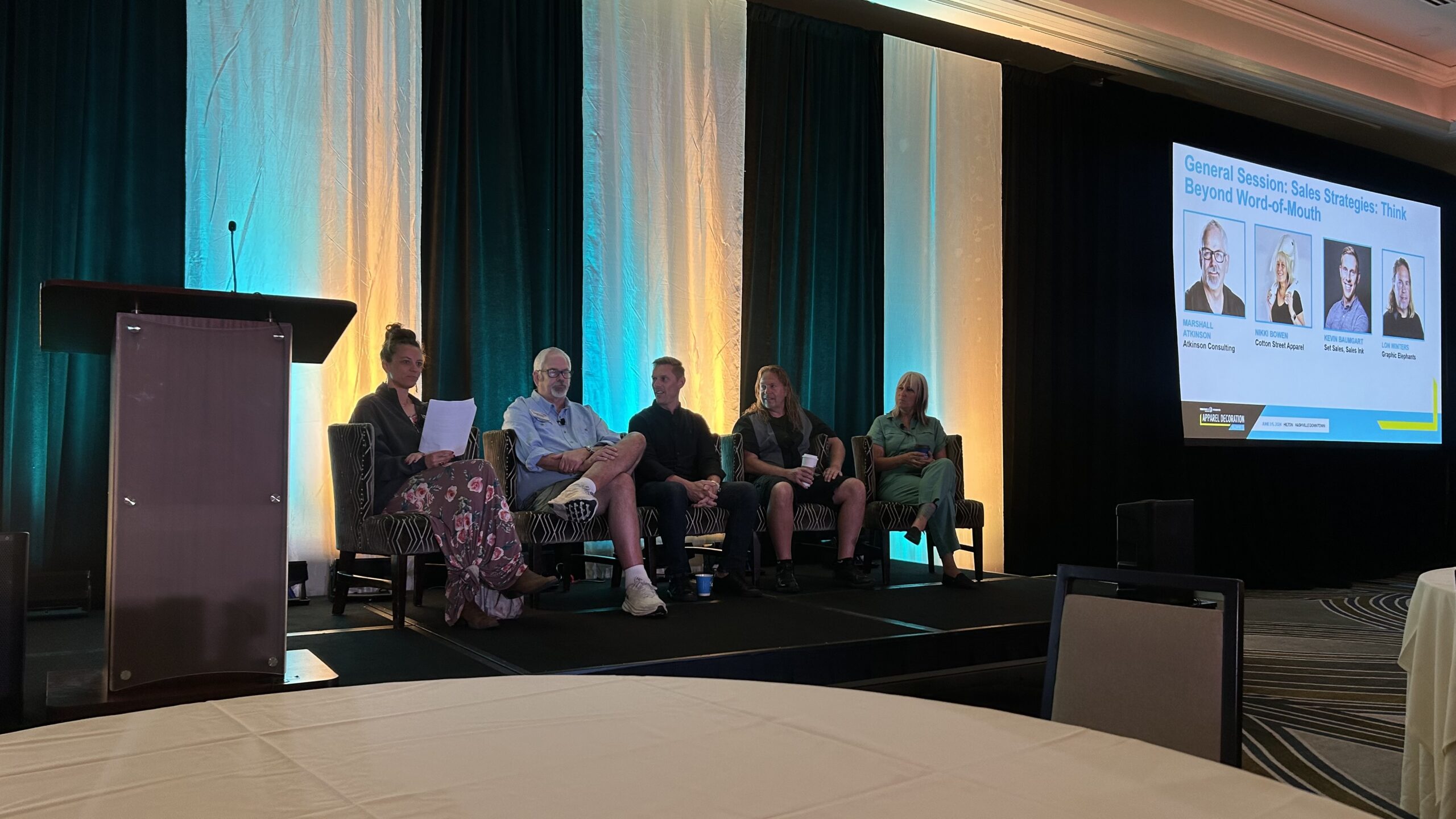
L-R: Green, Atkinson, Baumgart, Winters, and Bowen discuss sales. | Credit: Apparelist
One point was clear: Adding significant revenue doesn’t happen by chance. Other key takeaways from the session:
- Adding revenue requires a commitment to outreach.
- Standard operating procedures (SOPs) can help set the foundation and structure for sales success.
- Introducing promotional products can add a good chunk of revenue to a business.
- Drip marketing campaigns and automated emails are a must to ensure several touches with clients.
- Tapping into AI tools like ChatGPT for weekly email and text drafting can automate marketing efforts.
Atkinson left attendees with some parting advice: “The best time to get sales is when you’re really super busy.” This avoids inconsistencies in orders. By the time shops close current deals and finish printing, they have the next flow of orders to process. This strategy can be key to avoiding the infamous lull in January and February each year.
Day three ended with 1:1 meetings, a send-off lunch, and a giveaway. Big congratulations to Prestige Apparel and P&M Apparel for each winning a hat press, courtesy of STAHLS’.
Thank you to all the engaged attendees who came ready to participate and make the most of the event, and to all our sponsors who helped make ADS 2024 such a success. While we’d love to get into the nitty-gritty of it all, it’s really a, “You had to be there,” type thing. Stay tuned for 2025 details and dates. We’ll see you next year!


