
Why Your Business Deserves the Best Apparel Decorating Supplies
Purchasing cheap accessories and supplies will only cost you in the long run
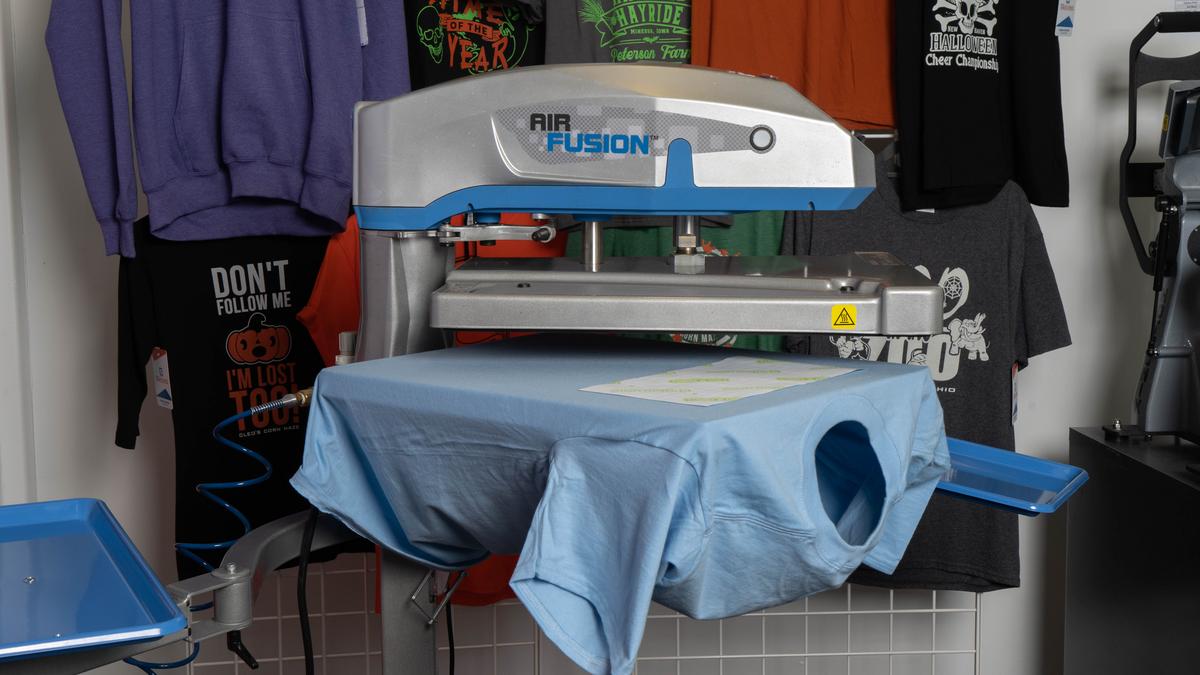
With the demand for efficiency and cost-effectiveness at an all-time high, decorators are continually looking for ways to maximize their profit. Whether you’re fulfilling apparel orders, embellishing hard goods, or simply creating crafts, it seems like a good idea to trim costs anywhere you can, especially when it comes to supplies. Small things like cover sheets, inks, and tapes may be minor at first glance, but they are incredibly useful items in your shop’s day-to-day operation.
While saving money is always appealing, choosing the lowest cost supplies often comes with hidden drawbacks that outweigh initial savings. Just like the quality of your heat transfers matters, so do the accessories you use during application. Supplies affect results, and your business needs to be confident in every item produced.
For the purposes of this article, we focus on heat-applied graphics, but the same argument can be made for all apparel decorating supplies. Following are the main reasons why you should think twice before purchasing the cheapest heat-printing supplies.
• No. 1: Investment ‘Insurance’
The old saying "you get what you pay for" rings particularly true for heat printing supplies. Investing in quality supplies acts as insurance for your equipment and operations, ensuring that you maximize the lifespan of your assets.
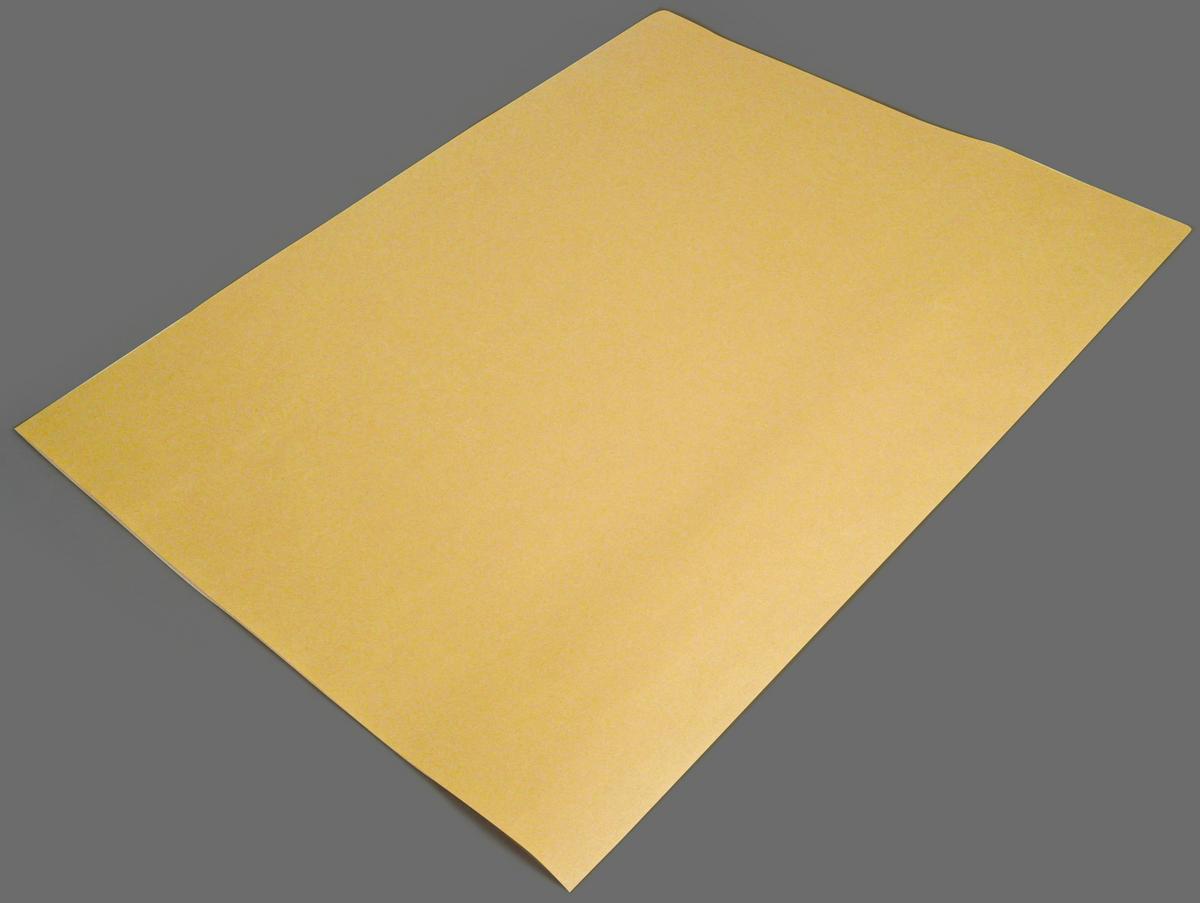
Cover Sheets: These might seem like a small accessory, but they are fundamental in protecting your heat press and garments. High-quality cover sheets prevent inks, dyes, and residues from contaminating your heating element, which can cause damage or performance issues over time. They also protect each garment and blank item during heat application, able to leave a glossy or matte finish on your heat transfer depending on the cover sheet material.
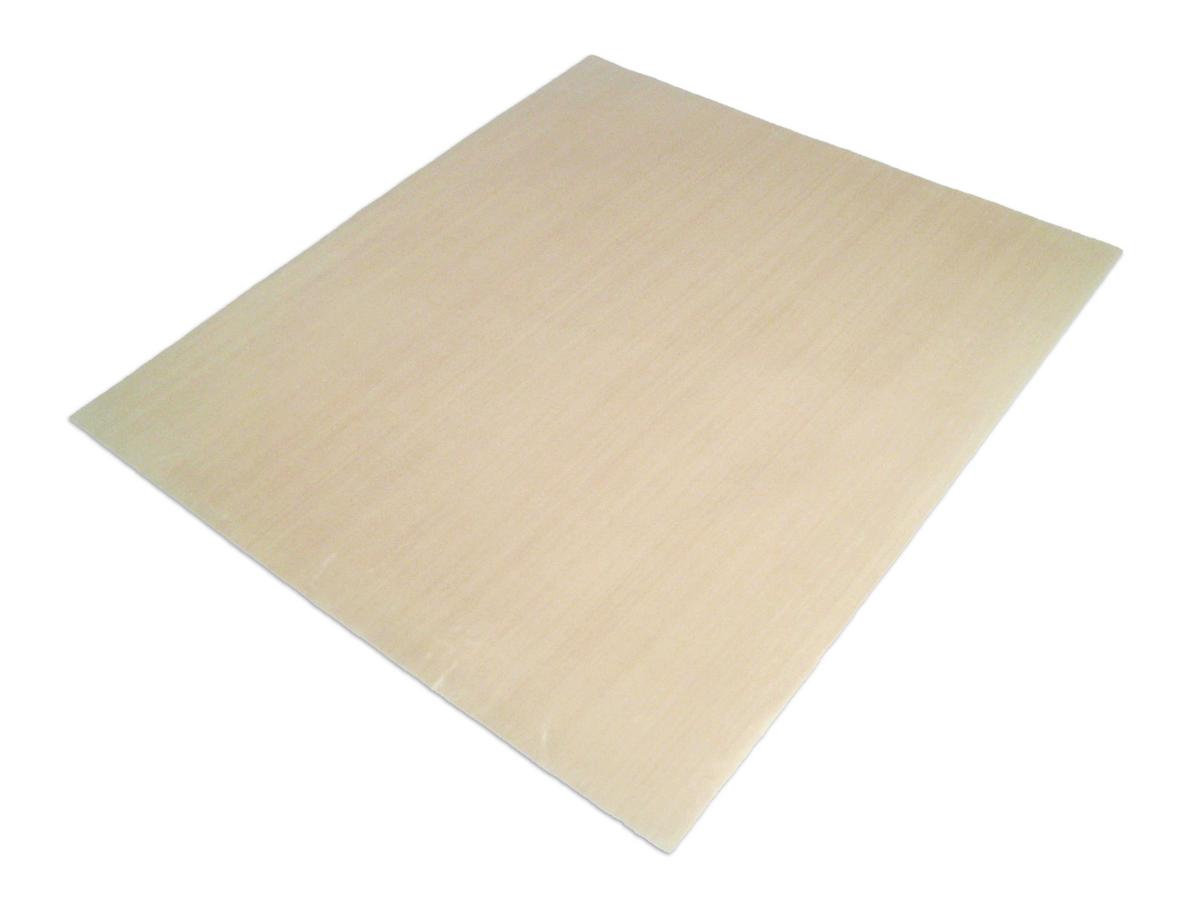
Platen Protectors: Protectors for the lower platen reduce wear and tear on the silicone padding, while upper protectors shield the heating element from ink and residue. Investing in durable platen protectors can extend the life of your heat press, reducing the need for repairs or replacements. They also contribute to a smoother heat application process, minimizing the risk of defects or damage to your products.
These covers simplify the loading and rotation of garments on the platen by providing a smooth, non-stick surface. They enhance operational efficiency by reducing friction and streamlining the process, which helps maintain a consistent workflow.
Flexible Application Pads: Essential for handling heat-sensitive fabrics such as polyester and nylon, these silicone rubber pads offer an extra layer of protection from the upper platen’s heat. Using flexible application pads allows for greater versatility in decorating different fabrics and blank items, expanding your range of possible transfers and application settings.
• No. 2: Ink Consistency
Inconsistency is a frequent issue when using low-cost supplies. This is extremely important when it comes to purchasing ink. Whether it’s for transfer paper, full-color digital print/cut systems, screen printing, or direct-to-film (DTF) printing, ink is the essential ingredient in creating a vibrant, standout finish that lasts.
Choosing dependable ink is critical to maintain consistency and ensure the success of your transfers order after order. This can be true with DTF printing, for example.
“With DTF printing, you might encounter differences in ink performance from batch to batch. Inferior inks can result in inconsistent adhesion, clogged nozzles, color shifts, and/or subpar wash fastness, which will lead to poor quality products, lost production time, and lost profits,” says Jason Ziga, senior vice president and general manager, STAHLS’ Transfer Express. “This ink variation can make it difficult to achieve consistent results, especially when working on large-scale projects or generally meeting/exceeding client expectations.”
Inks that may be more costly, on the other hand, offer more reliable performance. Investing in reputable ink is critical to ensure that you achieve consistent, professional results every time.
If you’re not printing transfers in-house, the same holds true when it comes to your transfer supplier. Cheap heat transfers are often made with inferior materials, which are not likely to perform as expected, leading to inconsistent results and unhappy customers.
This issue has become more prominent as the demand for DTF transfers grows, bringing new suppliers into the marketplace. Some of these suppliers cut costs by replacing key ingredients with lesser quality alternatives. Inks that once worked well may suddenly degrade in quality, impacting the overall print.
Hazardous chemicals, such as tetra ethylene glycol and diethylene glycol, may also be present in lower cost inks, further compromising safety and performance. These DTF inks can suffer from lower opacity, faded colors, or reduced durability after just a few washes.


• No. 3: Lack of Longevity
While low-cost supplies might seem like a bargain, they often wear out faster, meaning you’ll need to replace them more frequently. Just like cheap transfers that fade or fail to stay on the garment after a few washes, inexpensive supplies can cause failed prints and add to the waste pile.
High-quality supplies are designed to last while adding to the longevity of your products. For instance, heat-resistant tape is a handy tool to have on hand for alignment and holding transfers in place, but it’s important to buy tape that is resilient. You may think it’s as easy as a quick piece of scotch tape to hold in place, but that isn’t the case. Using tape that isn’t resilient runs the risk of shifting designs or misprints.
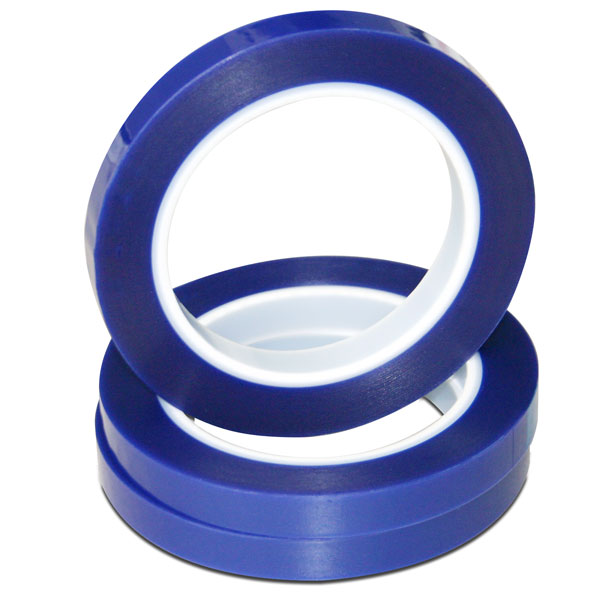
Thermo-Tape
Thermo-Tape, for example, is a high-quality heat-resistant tape helps keep loose letters, numbers, and transfers in place during layout and heat application. It’s also reusable, so a small piece goes a long way. Choosing the right tape is important, as not all tapes are made to withstand the high temperatures during heat application.
Cheap tapes may lose their stickiness or heat tolerance, requiring frequent repurchases. They can also cause leaking adhesive or even melting, which leads to misapplied transfers and ruined garments.
Instead of buying low-cost tape more frequently, with the risk of errors during heat application, it’s better for your business to purchase well-made products that reduce the need for constant replacement. This not only saves you time, but it also guarantees that your final products stand the test of time, leaving your customers happy with every order you produce.
• No. 4: Hidden Hazards
Cutting costs on supplies can sometimes mean compromising safety. Low-quality materials may not meet important industry standards for safety, durability, and environmental impact. This is especially relevant in printing transfers in-house, where inks must meet specific safety certifications to ensure they are non-toxic and environmentally friendly.
If outsourcing your transfers, be sure to order from a reputable supplier that is transparent about their safety compliance, providing certifications and results of lab testing.
Before purchasing supplies, check for safety certifications such as:
- OEKO-TEX Standard 100
- NIKE RSL
- CPSIA compliance
- Vegan-friendly (containing no animal products)
Cheaper inks and materials might not comply with these standards, which can pose risks to both you and your customers. Choosing certified, reputable products ensures your supplies are safe to use and meet the highest standards.
• Save on Time, Not Supplies
While purchasing cheap supplies may seem like a smart way to save money, the hidden costs will quickly outweigh the benefits. From reduced product performance and equipment damage to safety concerns and inconsistency, the risks are significant for your business.
In today’s digital world, where the competition is fierce and customers want their orders yesterday, investing in supplies that last saves you time on every order. Time is money, and the quicker you can produce quality orders for your clients, the more likely you’ll create repeat customers. While it might look like you’re saving a few bucks on supplies, remember that they aren’t insignificant items in your shop, they’re an investment in your success.