
Why On-Demand Packaging Is the Next Profit Play for Apparel Decorators
A Q&A with Brian Reinhart, CRO of Packsize
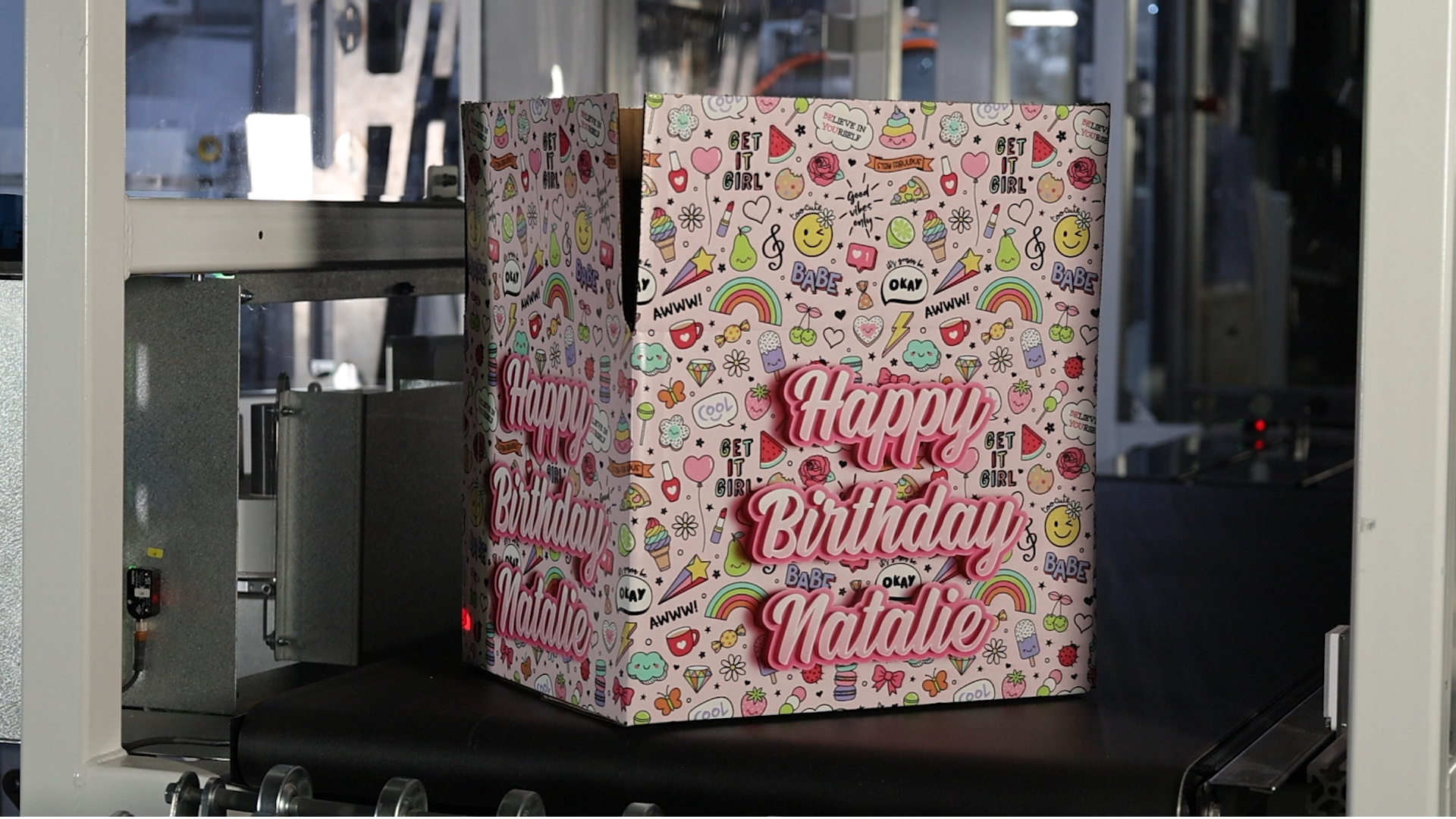
What opportunities have you evaluated this year when it comes to increasing your revenue, driving more profit, and elevating your customer and partner experiences? Has on-demand and right-size packaging crossed your mind?
As print-on-demand (POD) continues to explode across the industry, more apparel decorators are taking on the fulfillment process, often packing and shipping product directly to the end-user on behalf of a partner. Rather than put something in a plastic bag (boring and bad for the environment), decorators should consider on-demand packaging.
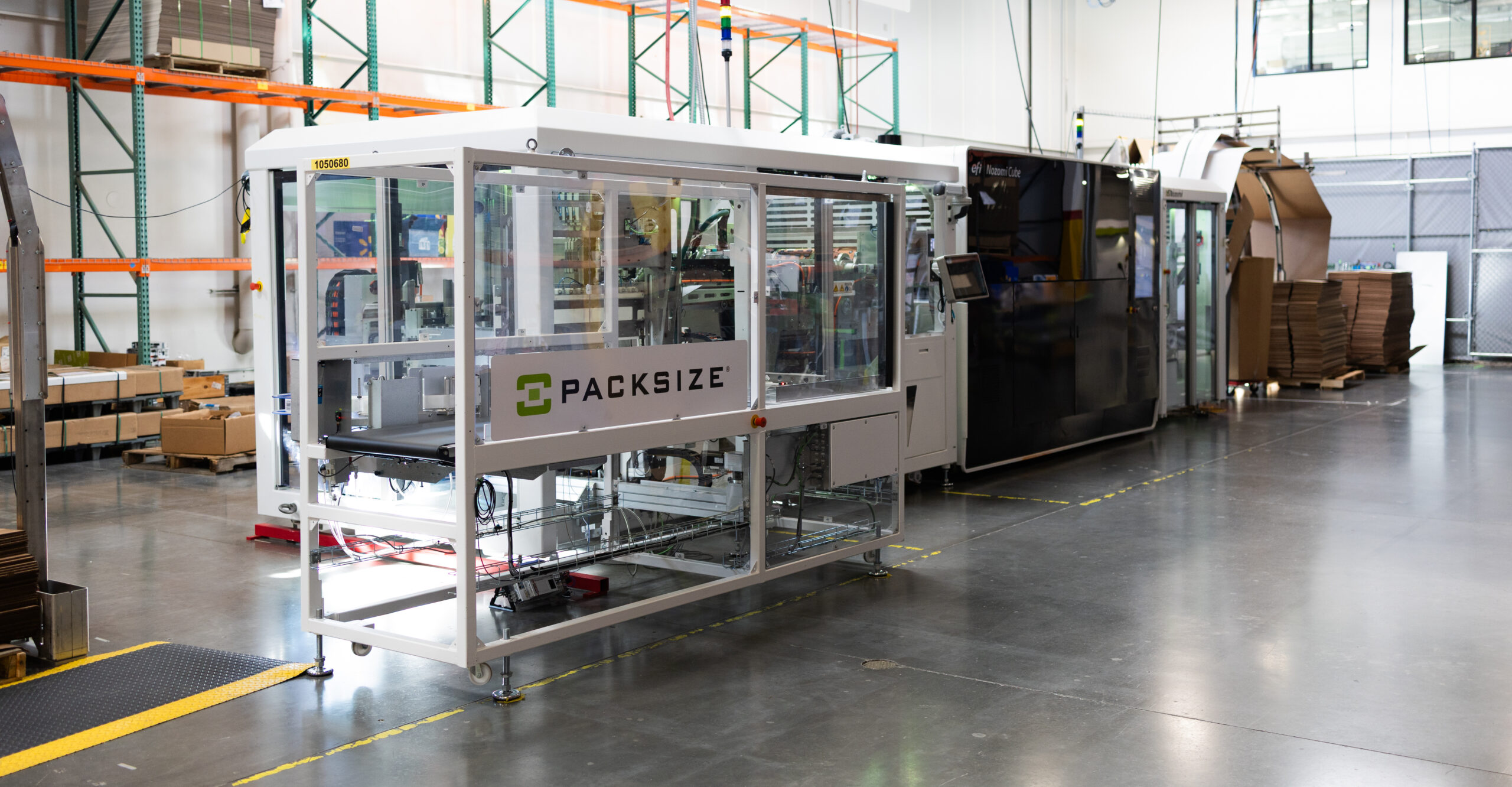
But where to start? We went to the experts at Packsize for some information. Following, Brian Reinhart, chief revenue officer, dives into the details.
Apparelist: What trends have you witnessed over the last few years when it comes to on-demand and right-size packaging?
Reinhart: I think the predominant trend is just value creation. It's a really broad term, but I think companies are looking for ways to create value through every segment of their base of their business. What's unique about the packaging segment of the business is that it touches so many areas of a company. If you think internally to the business, [apparel decorators] can save money on their operations, within their distribution and warehousing. Then within their end-user experience — their marketing, their engagement side of the business — you kind of get two birds with one stone.
This industry grows so rapidly because you're able to create multiple value points with one type of investment. Automation in general has been one of the fastest growing industries in the world over the last 10 years. But we've really seen packaging on-demand, custom, ad hoc, bespoke packaging explode in the last three years, as I think people have started to uncover all of those value points. At first it was, we can save on our corrugated usage. And then it was, we can reduce our labor in the warehouse. Oh, our buyers love this experience much better. Oh, we get less returns. Oh, we save on our dunnage. And over time, you just get value stack on top of value stack.
Apparelist: How do you really see this impacting apparel decorators specifically?
Reinhart: What’s unique about apparel is that it's a form of expression. And so I think there's always going to be a niche segment of the market, there's always going to be an evolution. There's always going to be something on the cutting edge with apparel that is just impossible to capture, it's impossible to commercialize. And when you have that kind of uniqueness within your product, that is always going to require infrastructure to support, and so you can't just take it and tuck it into existing infrastructure, because it's always evolving.
In the simplest terms, you'll always have new companies popping up in the apparel space. A dishwasher doesn't, because all dishwashers are kind of the same, right? That's what I think is really unique and cool about apparel, footwear, things like that.
What that means for us [on the [packaging side] is that the cool kid today needs a warehouse. They need packaging equipment. They need distribution infrastructure. And then the cool kid tomorrow is also going to need that.

Apparelist: Many apparel decorators have adopted a print-on-demand (POD) business model. Do you see an opportunity to incorporate on-demand packaging into this business model?
Reinhart: Yes, and I think there are a couple different ways to do it. The first is, [think about] when you throw it in a bag: You're kind of using a one-size-fits-all packaging process. And while that will get it out the door, it does create some problems. When you throw things in a bag — shirts, for instance — they can get bundled up. They can they can get wrinkled if they're mixed with other items. So, there are product quality issues that can come with [that].
The other is that there's no kind of brand identification on the packaging, and so you're just another box that shows up at the front door. If you're doing third-party print-on-demand, the beauty is that the company you're doing that for is proud of their logo. They're proud of their brand. They want to put it on a shirt; they want to put it on a hooded sweatshirt. Why would they not want to put it on box? If you're able to, first off, take care of their products, show a little bit of grace and quality in the packaging, and then also do some type of high-quality print or high-quality cardboard then the whole experience would match the product that is in there.
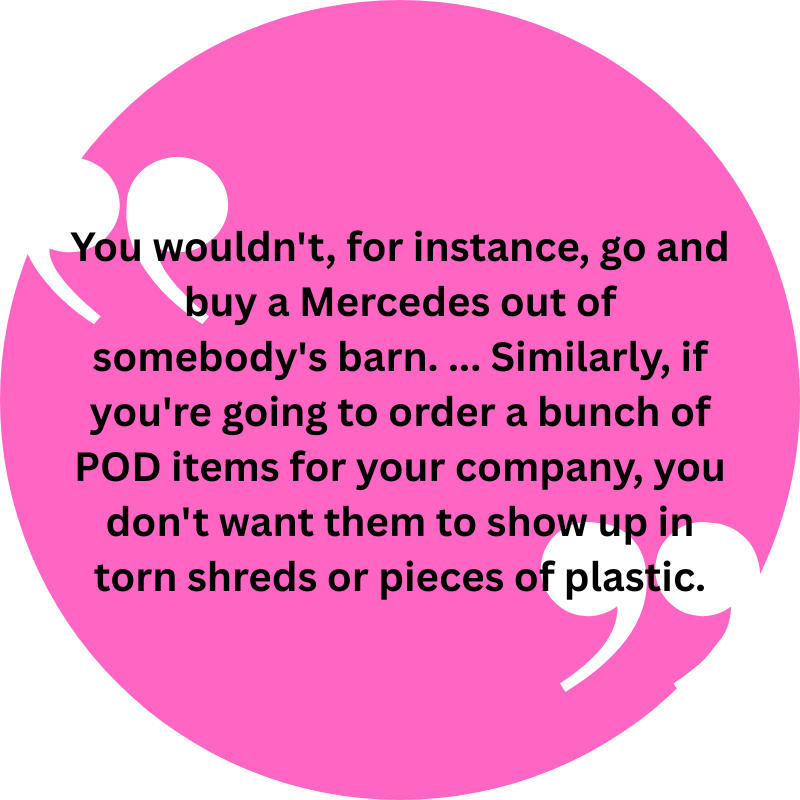
You wouldn't, for instance, go and buy a Mercedes out of somebody's barn. There's a reason that all of those dealerships look really nice and are really shiny and clean. Similarly, if you're going to order a bunch of POD items for your company, you don't want them to show up in torn shreds or pieces of plastic. You want them in a nice, high-quality package. It's part of the experience.
Apparelist: What additional benefits are there of offering on-demand packaging?
Reinhart: We’ll start with the financials. First off, you use less cardboard, just fewer materials in an on-demand or right-size packaging environment, and that's going to save you in a few different areas: material cardboard and your void fill. If you've ever opened a package and you've got all that paper in there, or, God forbid, the old packing peanuts or the crunchy stuff, you don't need that anymore, because there is no void to fill when the box is the right size for the product. Typically, with on-demand or right-size packaging, you can reduce your corrugate spend by about 30% or your corrugate usage by about 30% and your dunnage or void fill by about 90%. Those are substantial savings.
Then some of the more high-automation machines can do automated packaging with no operator involvement, [even] up to 1,000 packages an hour; whereas, an operator may be able to do 50 packages an hour. You're able to repurpose labor or expand your operations without additional labor investment.
The last kind of financial element is on the freight side. If you're able to pack into a smaller box, you can fit more boxes on a pallet, or more boxes on a truck, which means you need fewer trucks, and you get a much more optimized network. By right sizing, you typically save anywhere between 10%-18% on your freight.
[The next benefit] is a sustainability perspective. When you use less cardboard, you cut less trees. One of our core company ethos is about sustainability. It's really why the company was initially founded by our founder — he's really passionate about sustainability.
So often sustainability initiatives come at a cost, and I think that's why a lot of green initiatives have had such a hard time getting off the ground. They require government subsidies. They require profit erosion to do the right thing. This is one of the rare ones where doing the right thing actually makes you more money.
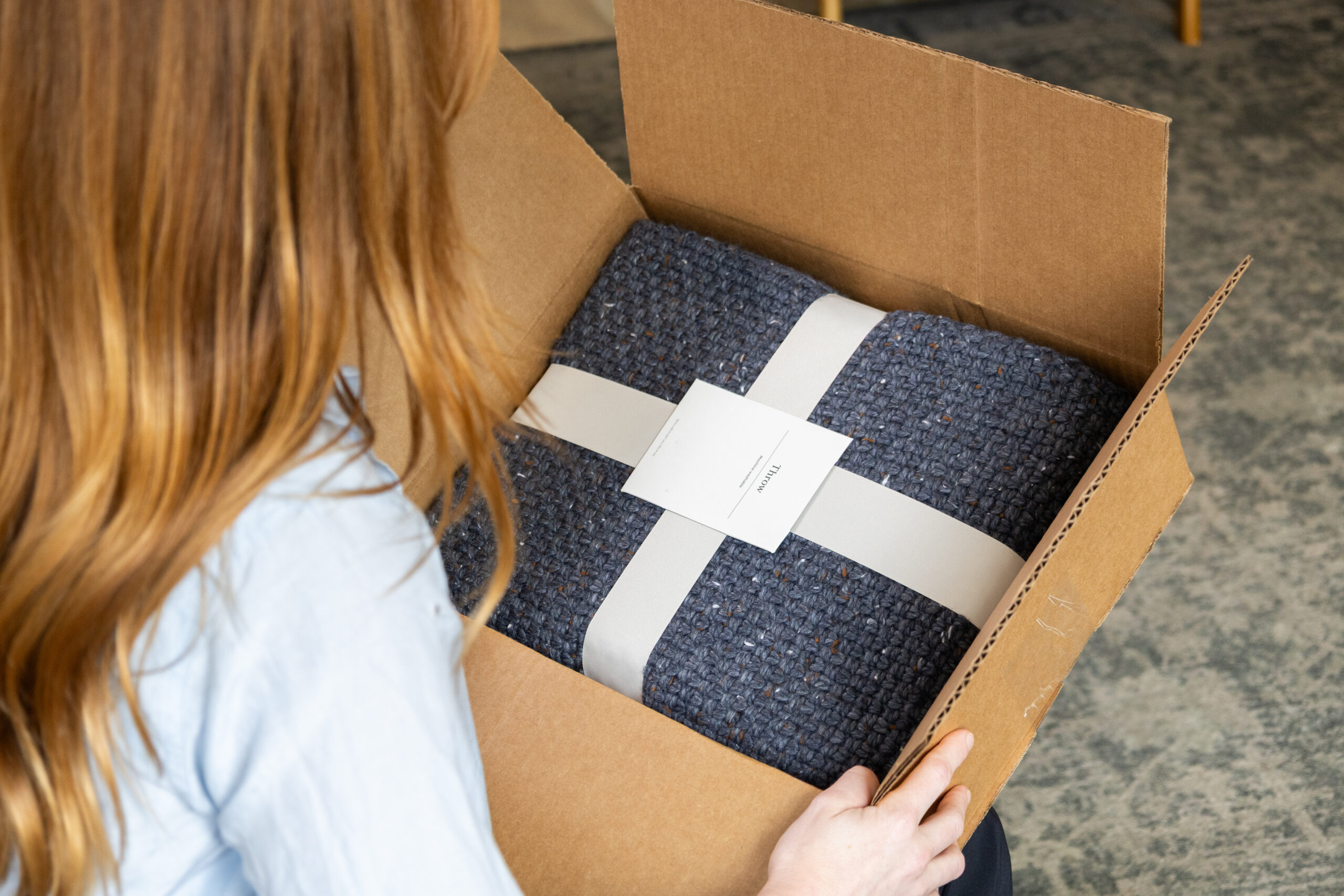
[Lastly,] customer loyalty. It's hard to measure … but there are some pretty strong data points that have come out from a few of our customers. A large customer of ours has said that when using a right-size package, their e-commerce customers are 30%-50% more likely to order again. And there's a few different reasons for that. The first is, the opening experience is much more pleasant. You don't have all that crap in the box, and the second is that [the retailer] actually does a lot of branding and printing on the box. It creates a connectivity to that company.
Apparelist: How can apparel decorators get started on the journey with packaging?
Reinhart: Don't be overwhelmed — it's not as hard as it looks. I've seen a lot of paralysis by analysis, just throughout my career in this space, where automation in general can look like something out of a sci-fi movie. Oftentimes you'll see very large capex price tags on it, and that can be overwhelming. And you think, well, I'll just stick with the status quo, because I know it gets orders out the door. [But] the risk is a lot lower than you think.
There are a few different ways to get started. The most common way is to start clicking around online. You can also go to the trade shows. And then you'll stumble upon who is doing what in this space. The key is to be inquisitive. Ask a lot of questions, both from the companies you're exploring, but also about yourself.
One of the biggest pitfalls is that people don't understand their own business, they don't necessarily know their data, they don't know their product, they don't understand their customers. And then when [Packsize] comes in and tries to solve their problems, we're guessing a little bit.
I'd be remiss if I didn't mention the investment portion. The beautiful thing about packaging is that it doesn't have to be a capital expenditure. You can do it in an operating expense model. We call it packaging as a service, where it requires essentially no down payment, and you just kind of pay as you go. So even then, the financial burden is essentially lifted.