
What's In for 2025: Streetwear, Sustainability, and the Y2K Revival
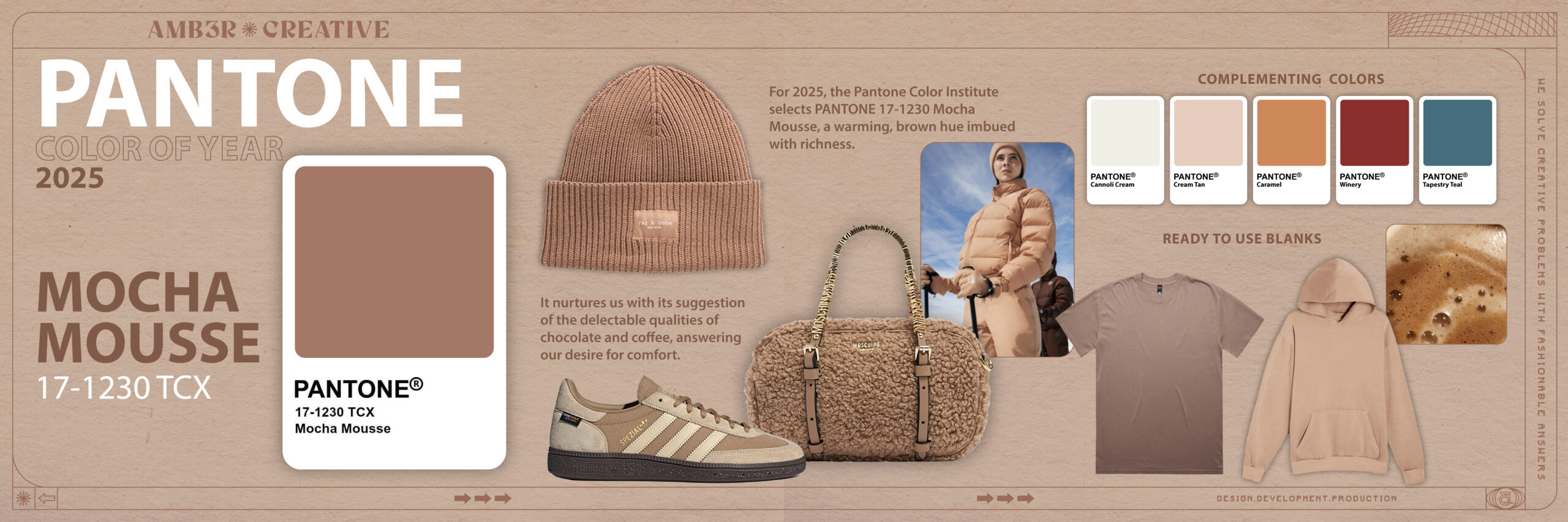
With 2024 coming to a close, it’s time to start looking ahead to 2025 — if you haven’t already started. For many, it’s the holiday season, but for businesses, it’s forecasting season. While we do this for financial planning, we also want to know what’s ahead in fashion.
For apparel decorators, it’s knowing what styles and cuts will dominate, what colors to watch, where sustainability comes into the picture, and how retail influences the wholesale world.
To get an idea of what’s ahead, we tapped some sources who have their finger on the pulse of the apparel world.
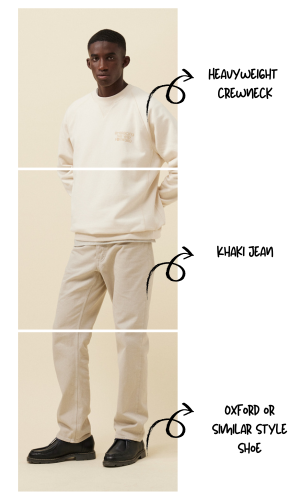
Looking at trending styles, sources have garments that bring comfort and versatility at the top of their lists, which is what we saw a lot of in 2024. Think heavyweight Ts, crewneck sweatshirts, and layering pieces.
While heavyweight Ts have been trending for at least the last year, Greg Brown, VP of business development at Cotton Heritage, says we’ll see them “stepping to the front of the line.”
Jeremy Picker, CEO and creative director of AMB3R, a Colorado-based apparel design firm, anticipates many of the current trending styles to roll into 2025 as well.
“I think garment-washed, heavyweight styles will remain supreme,” Picker explains. “I think Y2K styles will still have some steam for the summer. I have also been seeing real tree camo in retail. Not just for hunters any longer! Western flair is still trending.”
He also anticipates “prep categories” with a streetwear flair doing well in 2025. Think polos, oxfords, quarter zips, cardigans, knitted sweaters, henley T-shirts, and simple Dad hats with patchwork, chenille letters, and artistic designs.
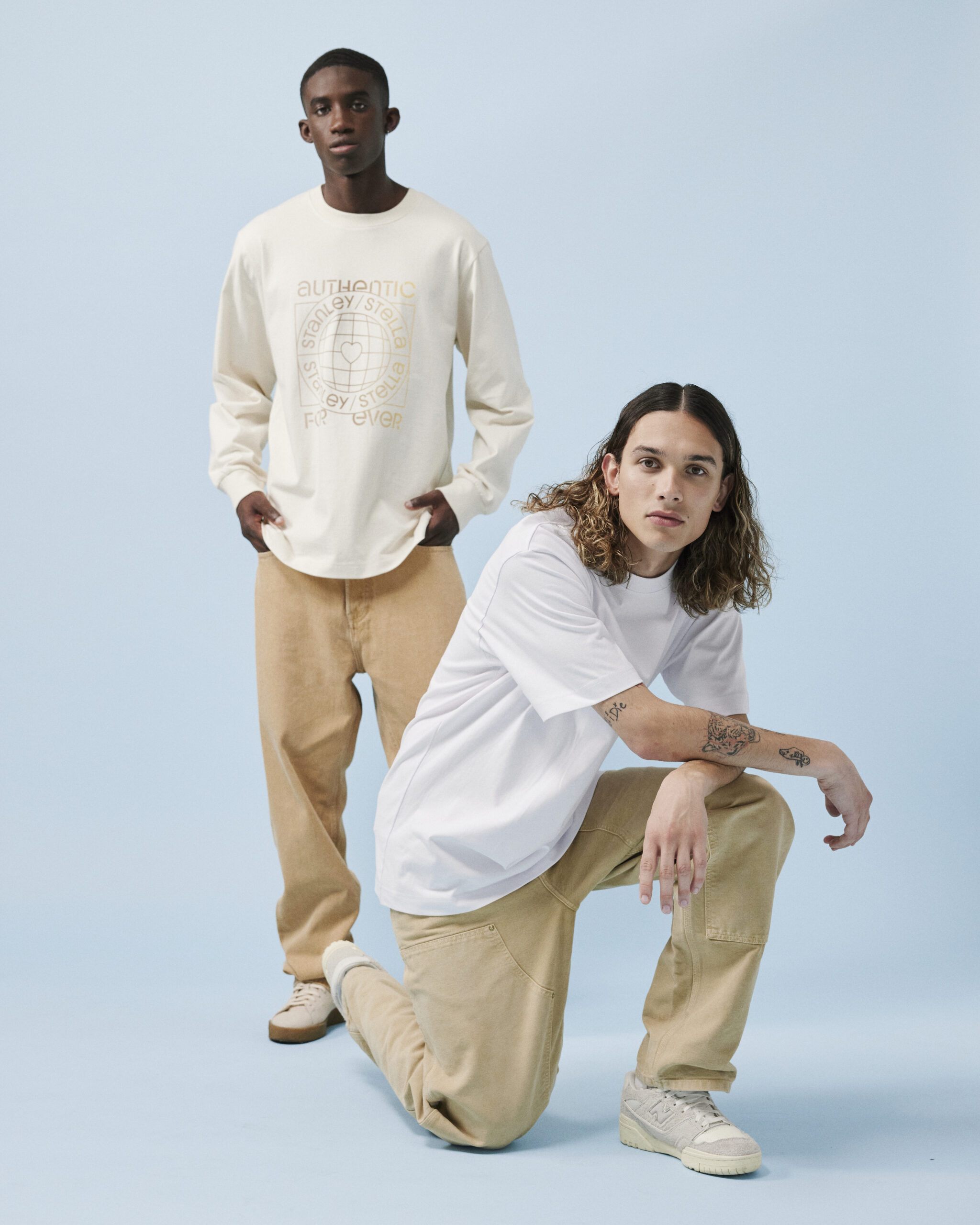
For Tamsin Cook, head of design and creative at Stanley/Stella, 2025 will be all about comfort, versatility, and layering. One garment that steps perfectly into that role is the classic crewneck sweatshirt, which can also fit the heavyweight bill. As a fitted basic, it can create a more elevated look. Meanwhile, a larger, more relaxed fit creates a “pared-back street style.”
Looking at materials, Brown says ring-spun cotton will continue to reign supreme with CVC being a close second.
Despite us heading into 2025, it feels like we're taking a trip back in time. With heavyweight garments and relaxed fits, the ‘90s and early 2000s vibe is here to stay (at least until the next decade comes knocking).
What to Watch in 2025
For 2025, sources see relaxed streetwear styles in neutrals and muted colors on deck. Here’s a quick list of words to keep in mind heading into the new year:
» Layering
» Neutrals
» Purples
» Rebel Prep
» Relaxed Fit
» Streetwear
» Trans-seasonal
» Versatility
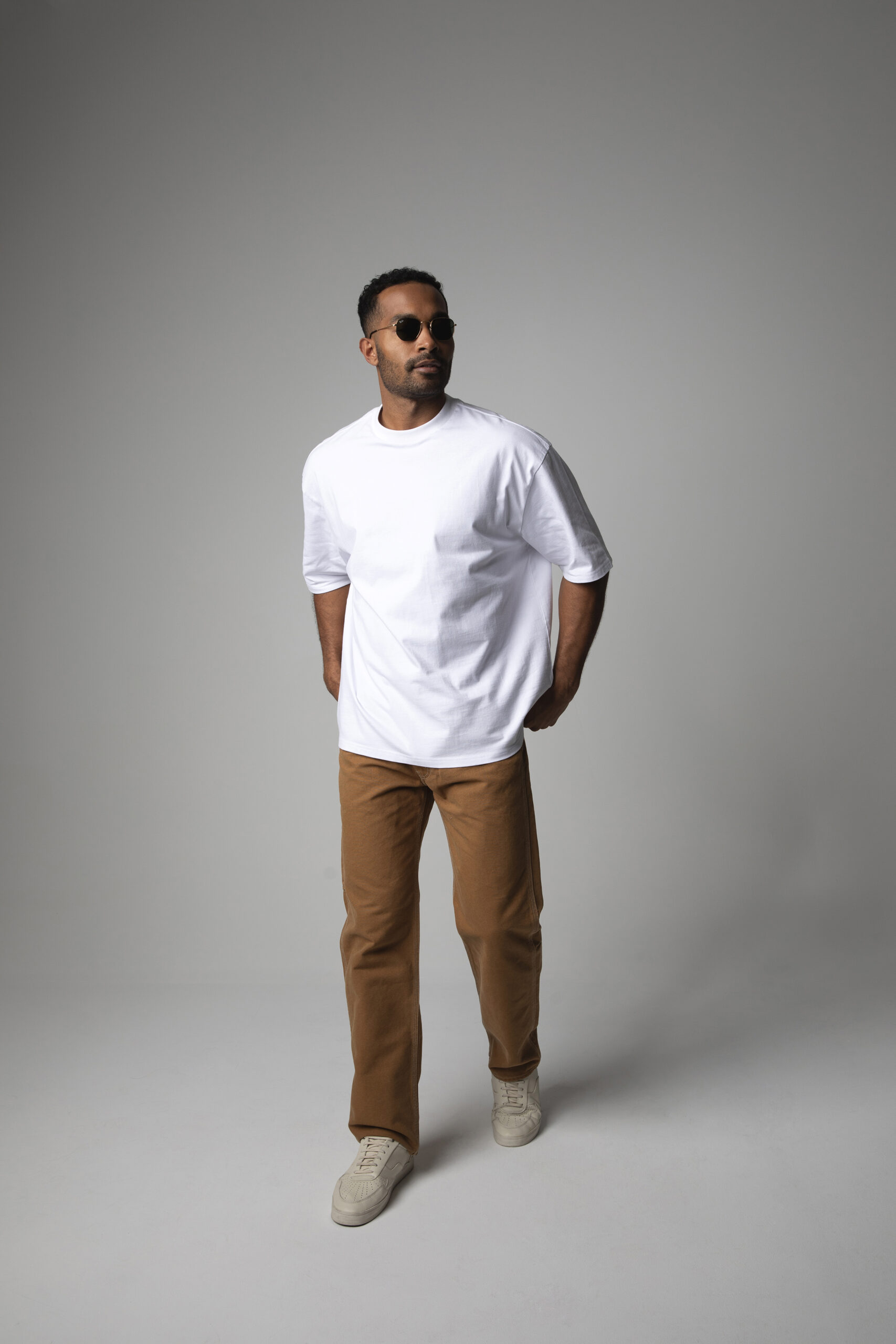
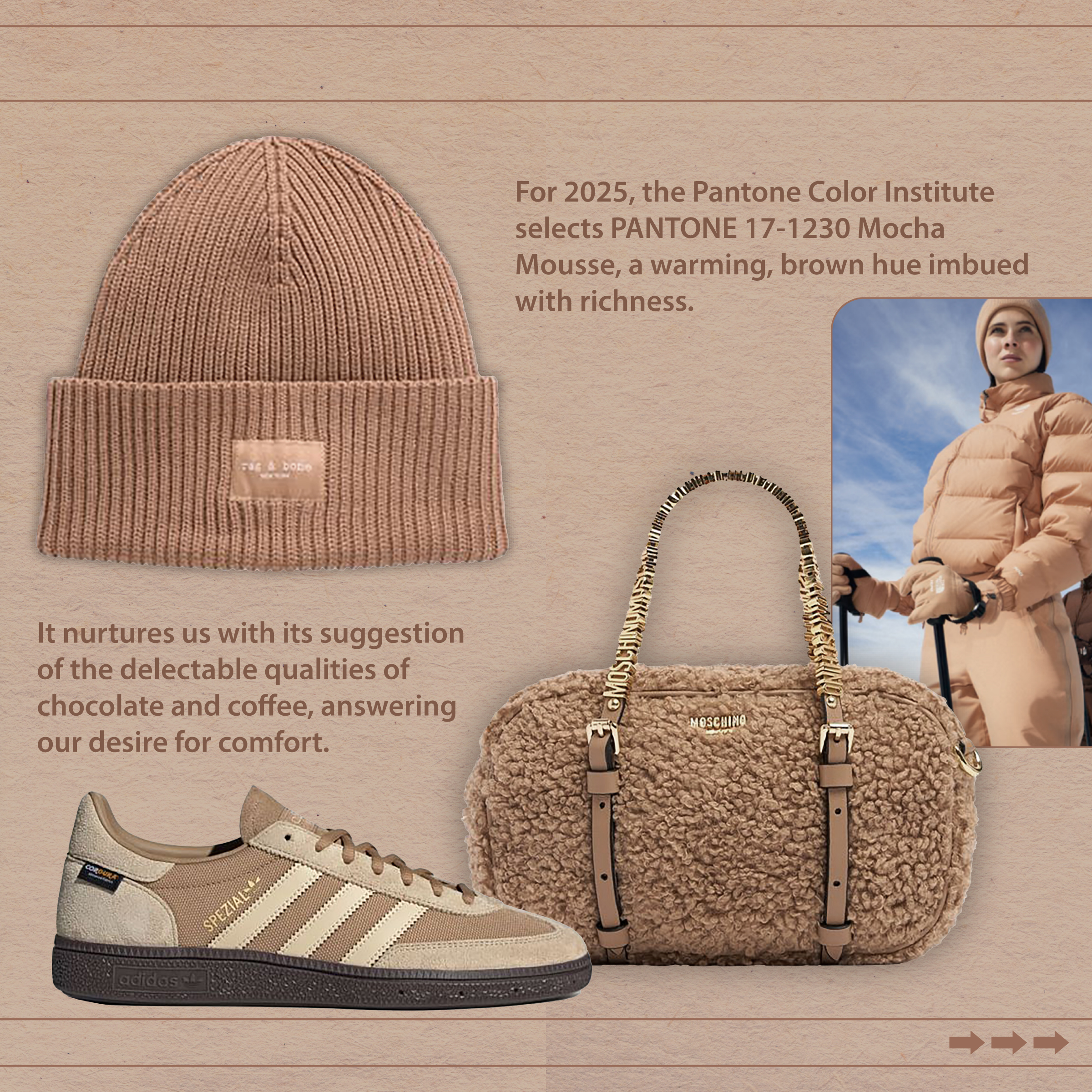
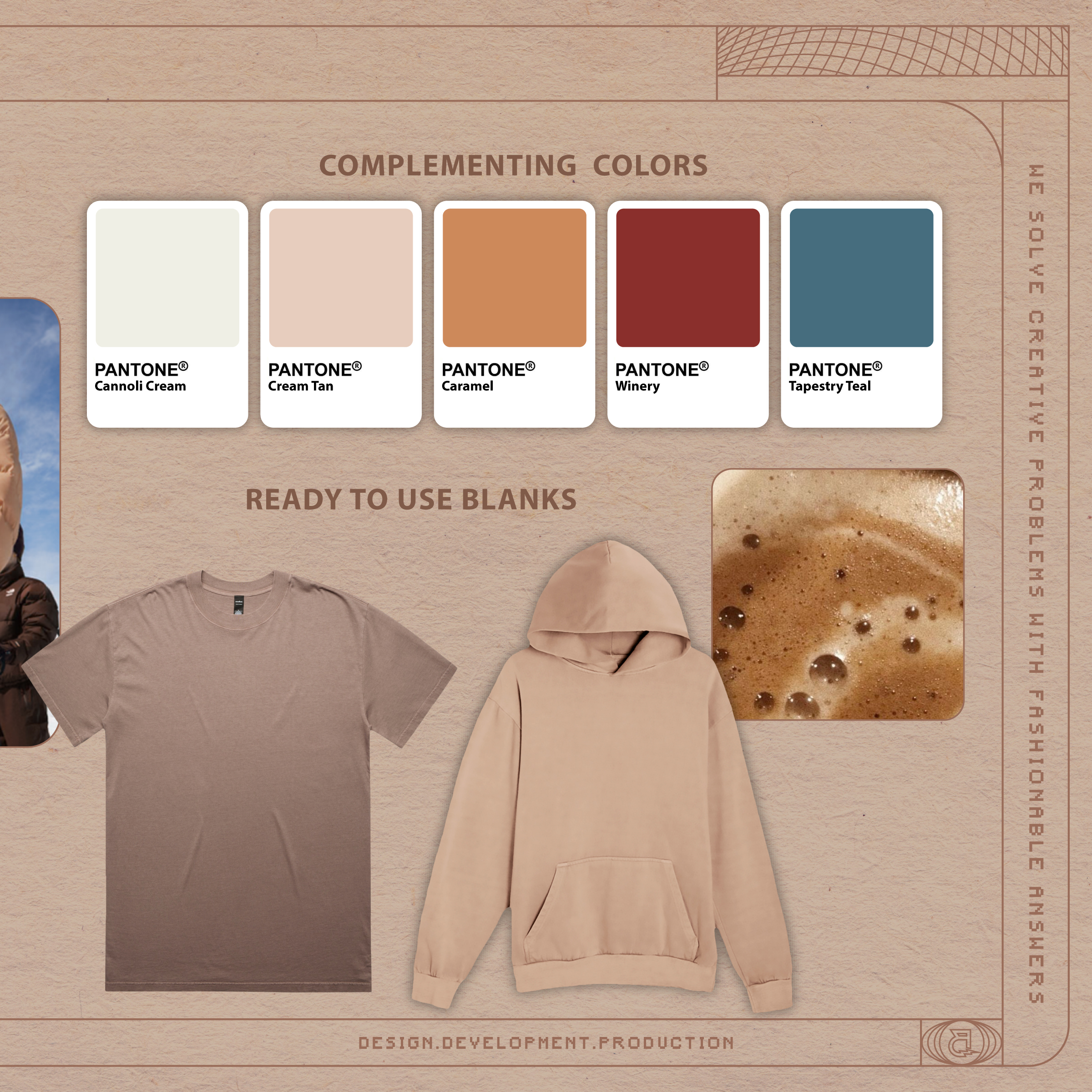
While apparel manufacturers anticipate many of the same hues and shades to carry over into 2025, we can expect some color to join the lineup.
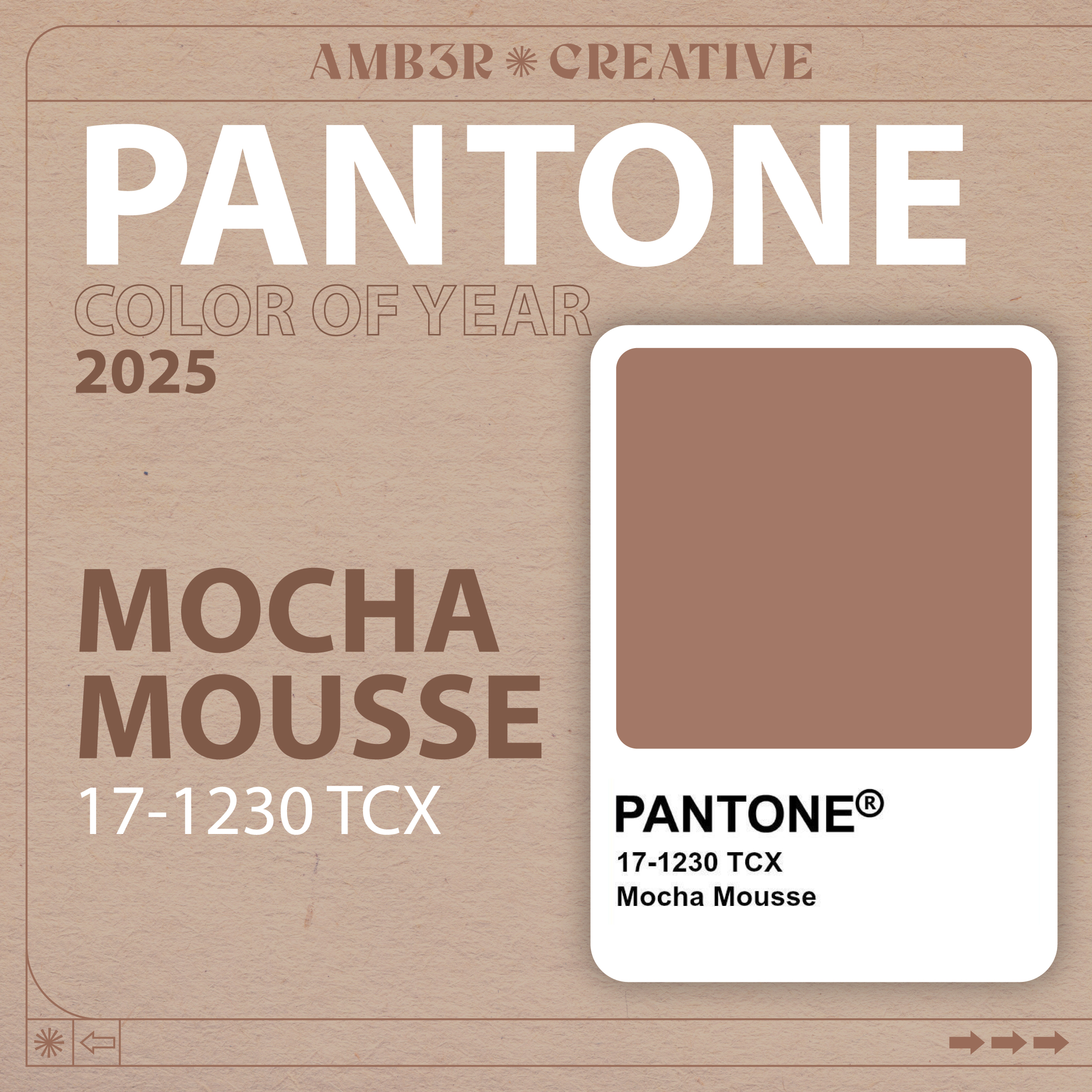
“The earth tones will continue to be a driving force, but some of the Pantone colors being introduced will be muted pastels and feel-good citrus,” Brown shares.
Cook agrees, adding that lavender and purple will trend alongside earthy browns, neutrals, and cool tones, in addition to variations of heather gray.
In the fashion world, Picker sees color combined with pearlescents becoming popular. Think seafoam, silver, and lavender — shades he says have been “popping up everywhere on the runway.”
Like other sources, he says earth tones will continue to grow, particularly browns, beiges, greens, and yellows. However, he adds there’s still a place for bold and bright colors within fashion and sports.
He advises decorators to put together marketing materials showcasing trending colors to clients. While not every client will care, he says it’s best to be proactive rather than reactive.
The Retail Influence
It’s no surprise to hear what’s trending for 2025 because we’ve been seeing it take over retail in 2024. They always say fashion trends come back around, and this time, the ‘90s and 2000s are in the spotlight.
Sustainability Stays the Course
Neutral palettes combined with sustainable fabrics continue to tell a story of environmental concern in the fashion and apparel worlds. With 92 million tons of textile waste produced each year, young consumers and apparel makers continue to explore ways to shrink that number.
Whether it's rethinking graphic design and logos, so end-users wear garments for longer, manufacturers incorporating recyclable materials into their blanks, or a bit of both, sustainability will continue to be a priority for many in 2025.
“Sustainability will continue to be a must in the market,” Brown affirms, with a need for it to be recognized and part of all manufacturing processes from the sewing and dyeing to the printing.
Apparel Recycling
With recycling and takeback programs becoming more prevalent in the apparel space, there are moves toward positive change.
Companies like Ridwell offer clothing recycling as a service for a fee. MemoryStitch takes old T-shirts and turns them into quilts. And brands like Marine Layer will give you store credit for shipping them your old Ts.
Michel Hublet, head of sustainability at Stanley/Stella, agrees, adding that accountability needs to accompany this push.
“While many brands make claims about sustainability, actions do not always follow,” Hublet continues. “We see the market increasingly pushing for more transparency and clarity on the concrete actions and initiatives being implemented.”
In addition, Hublet also sees a trend toward “de-averaging” sustainability impacts, meaning a product gets a more thorough life cycle assessment (LCA) beyond a general "total impact” average.
De-averaging breaks down a product’s impact at every life cycle stage — from growing the cotton to harvesting, spinning, use, and disposal, for example. This can help identify specific points of needed improvement.
And it’s not just up to the apparel manufacturers. Printing is a step in that life cycle, and decorators play a part. Hublet sees more and more decorating facilities using GOTS (Global Organic Textile Standard) and OEKO-TEX-certified materials, fostering a path of end-to-end sustainability.
While sustainability will continue to be a top topic, Picker has concerns about its ability to grow within the wholesale industry.
“As costs get higher, companies that request eco tend to not go with it due to costs,” Picker notes. However, if the price point is affordable, he says it sells.
With the growth in upcycling, thrifting, and a yearning for individualistic style, Picker sees the retail landscape changing — mixing old with new rather than the push to buy all new goods and promoting fast fashion. “I think offering trending styles but on a smaller scale could be more impactful,” he adds.
While Y2K-inspired styles remain popular, they come with a 2025 twist. As the younger generation brings their take on styles past, sustainability and neutrals make the old new again.