
Special-Effects Thread: Tips, Tools, and Best Practices
Above image created using AI (Sora).
As an apparel decorator, you’re probably used to the usual orders. Logos screen printed on shirts, embroidery on upper left chests of work polos for corporate companies, or maybe you’ve even dipped your toe in the rigid substrate game with UV-DTF (pens, signage, phone cases, etc.).
But what about when a customer wants something that can glow in the dark, or something that looks and feels vintage even though it was just custom-made a couple of days prior? That’s where specialty effects items enter the chat. Looking at special-effects embroidery thread, decorators can optimize the options to create an even higher-end final product.
We talked to industry experts about the best tips, tricks, tools, and uses for special-effects thread. Here’s what advice they had for those looking to get their feet wet.
What Qualifies as ‘Specialty’ Thread?
No, you’re not wrong for asking this. Joshua Parr, applications engineer for Melco, explains it like this: “Special effects threads include metallics, flat sheen, wool, acrylic, glow in the dark, and thread that changes colors based on temperature.”
And if you were to ask embroidery expert Erich Campbell, he believes that anything that varies from 40-weight polyester thread can qualify as specialty thread. He attributes this to the fact that over the years, people have grown more accustomed to what machine embroidery can do.
“Everybody’s so used to what machine embroidery looks like, and popular commercial machine embroidery is done with standard 40-weight polyester thread, which has a pretty high sheen to it,” Campbell says. “And despite the fact that I really like the sheen of embroidery thread, over the years, being so accustomed to it, people now see that as mass produced. So in a world where ... people don't always want a big corporate look or where they want to differentiate themselves from what's out there, 40-weight polyester thread with a standard sheen to it isn't always the go. [Customers] want to look for something that's different.”
Ed Levy, vice president of technology for Hirsch Solutions, also mentions that any thin thread that really lets you get into finer details, as well as flame-retardant thread, also falls under the specialty umbrella.
What Can You Do with Special-Effects Thread?
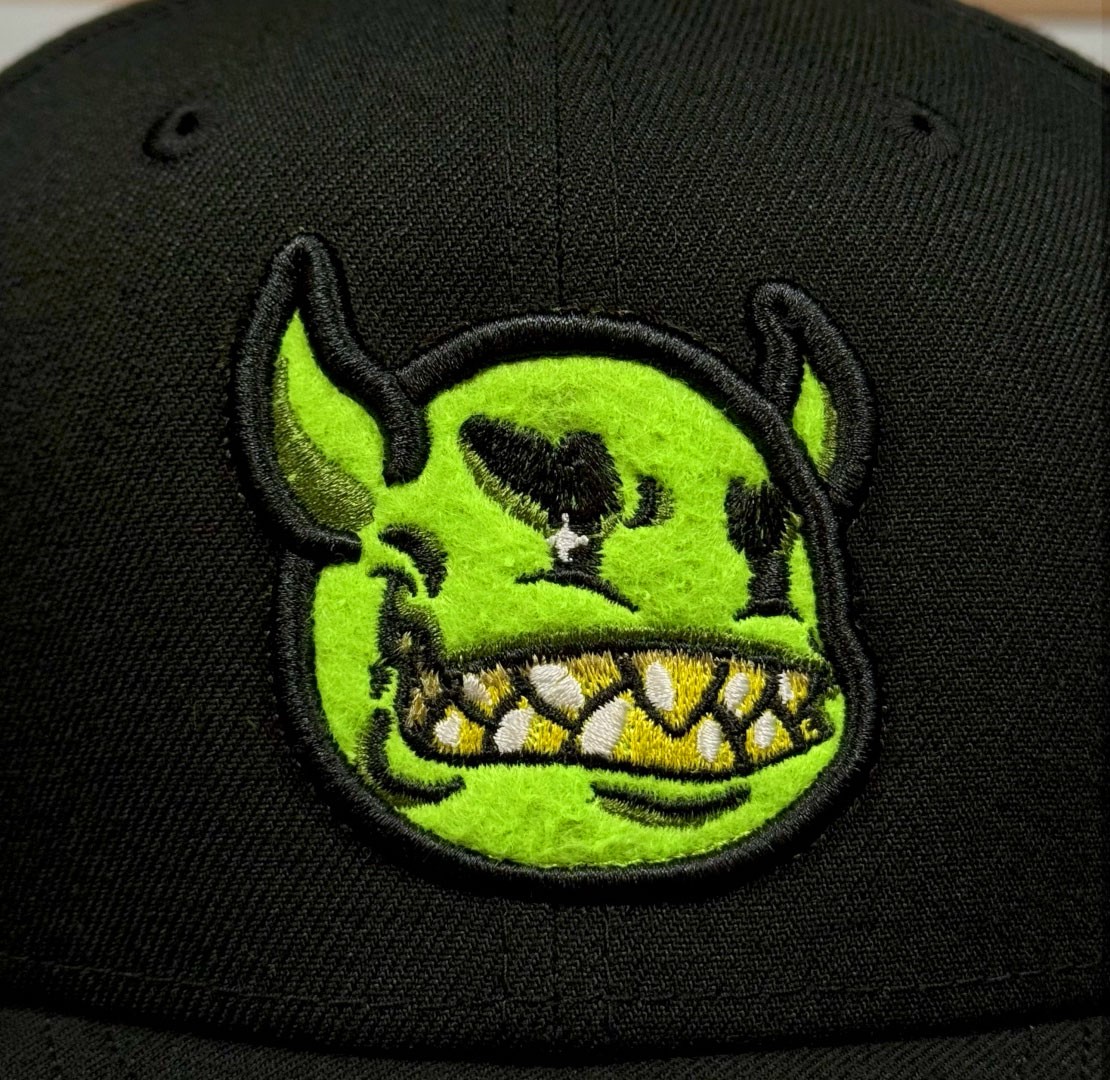
So now that we’ve covered the basics of what exactly qualifies as “specialty thread,” let’s get into some of the unique applications decorators are getting into with these materials. Campbell says he sees a lot of decorators specifically using threads with a rougher texture to help achieve a more worn-in look.
“They’re using threads that have some fuzziness to them, a rough sheen, and they're doing that primarily to make things look more vintage or well-worn, or loved. It also tends to give a handmade look to things,” Campbell says. “So, if you want to have something that looks vintage like it's been worn, you've got [the option to create] vintage logos, old-school mascots, [you can do] Athletica, old-school Americana stuff.”
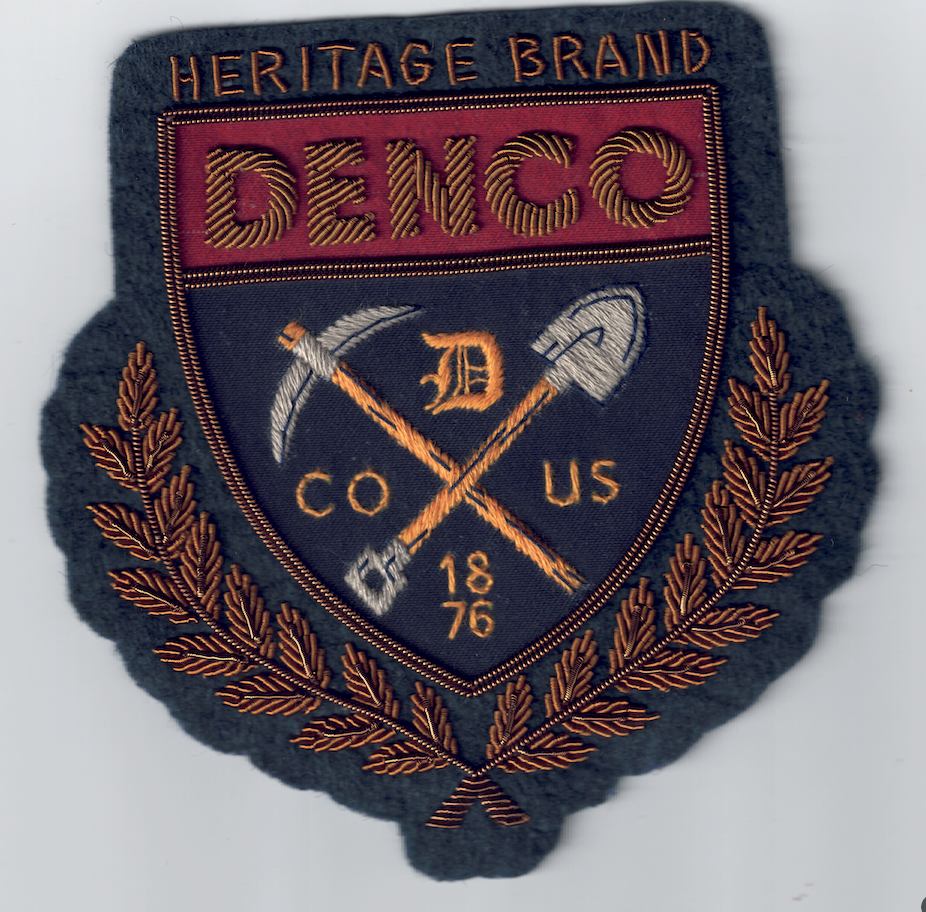
Levy says that he often sees metallic thread being used in the corporate world to help commemorate anniversaries or special occasions. Away from the corporate world, Parr says it’s also being used for children’s clothing.
“Kids wear is using a fair amount of Frosted Matte threads for a softer, pastel palette in product offerings,” Parr notes. “Combine the pastel look of matte with glow threads, and you see how ‘80s fashion is coming back in some regard. Using matte threads can help bring out realistic qualities to stitched objects that typically would not shine in the real world.”
Not Everyone’s Doing It
Even though what can be achieved with specialty thread is undoubtedly very cool, Levy says most commercial decorators don’t exactly shout it from the rooftops that they offer it.
“[Sometimes] traditional standard commercial embroiderers ... tend to stick to your traditional, everyday thread,” Levy says. “But fashion designers and big brands are the next level that really reach out and try and experiment with these specialty thread types. You'll find that your typical commercial embroiderer will wait and do it upon request.”
However, thanks to this reluctance, marketing these services will only open more doors for you, Levy believes. “By taking on these special threads, you kind of create a unique niche market that minimizes the competition pool,” he says.
Set the Right Price
It’s important to keep in mind that projects with specialty thread are going to be more expensive. Levy advises that if you’re going to open these options up to your customers, then you need to make sure you’re accounting for price variances.
“If you're doing a job under normal circumstances and then suddenly specialty thread is incorporated, a lot of times specialty threads have a different cost base than a traditional thread,” Levy says. “So, you don't want to open up a new cool process but end up becoming upside down on a job because you didn't account for any price variances.”
So, how do you account for it? How do you set these prices for a customer? Campbell says that if you truly want to get the most accurate prices to a client then you may need to do some non-commissioned work on your own time. That way, you’re not at risk of messing up a project, and you can take the time to see how long the process takes, as well as what kind of manpower specialty embroidery projects will entail.
“Get yourself some small sample kits, especially thread from whatever vendor you deal with,” Campbell says. “Get the needles, get whatever, and do a project that's for you so you don't have to worry that you're messing up somebody's logo or doing something weird. Do something for you, preferably not something that the copyright police can come bother you about because you're going to want to show it everywhere. But when you do it, take the time and see what it really takes to get it done, especially if it's stuff like brush thread or hand work or hand cut appliqué.”
Campbell says that once you’ve done that and are more aware of labor costs, thread costs, time, etc., don’t be afraid to mark projects that are “more off the beaten path” at a higher price. Then be transparent with your clients. “They have the demand, and you have some room for that. I think that's fair. You've skilled yourself up on this thing that nobody around you has done,” Campbell points out.
Technical Things to Keep in Mind
When working with specialty thread it’s important to keep in mind that because special-effects threads tend to be thinner or thicker than traditional 40-weight poly threads, different density properties must be used for best results. Parr also advises that decreasing machine speeds is a must when working with these materials.
Dive Into the Technical Side with Erich Campbell
“Slowing the machine down several hundred stitches per minute can really ease the stress on the thread, thus reducing thread breaks,” Parr says. “70/10-sized needles can work great when using 50-weight thread, but 100/16 needles are required for 12-weight thread. If thread breaks are occurring when using specialty threads, a good practice is to change out the needle with the next size up. The reason for this is that larger needles have larger eyes. This allows the thread to pass through the eye easier and cause fewer sewing problems.”
Levy says that it’s also imperative that you adjust for the digitization process as well.
“Digitization is probably one of the most common mistakes, and that's probably why people are afraid of the process, is they'll just take a normal embroidery file and try a specialty thread with it and have disastrous results and then say, ‘I'm never, I'm never trying this again,’” Levy notes.
To help avoid said disaster, Levy adds that you must adjust your density and your underlay — especially in an instance where you’re doing small lettering with metallic thread.
Mistakes are Inevitable … That’s Okay
Above photo gallery: Denco images courtesy Jeremy Picker; All others courtesy Joe Kramar
No one loves to make mistakes; however, if you’re trying some of these techniques out for the first time, they’re unavoidable. But Campbell urges you to embrace these mistakes instead of avoiding them altogether.
“Don't be too harsh with yourself about starting over on that new material,” Campbell says. “If you are well-versed in other embroidery, it doesn't mean you're going to jump into using a wool blend that is twice the thickness that you're used to and get everything right the first time. You're going to break things. Get in there and just get the reps in.”