Proposed California Recycling Bill Sheds Light on Growing Sustainability Regulations in the Apparel Industry
As the movement toward more eco-friendly practices gains momentum, decorators who don’t pay attention to new regulations could find themselves in trouble
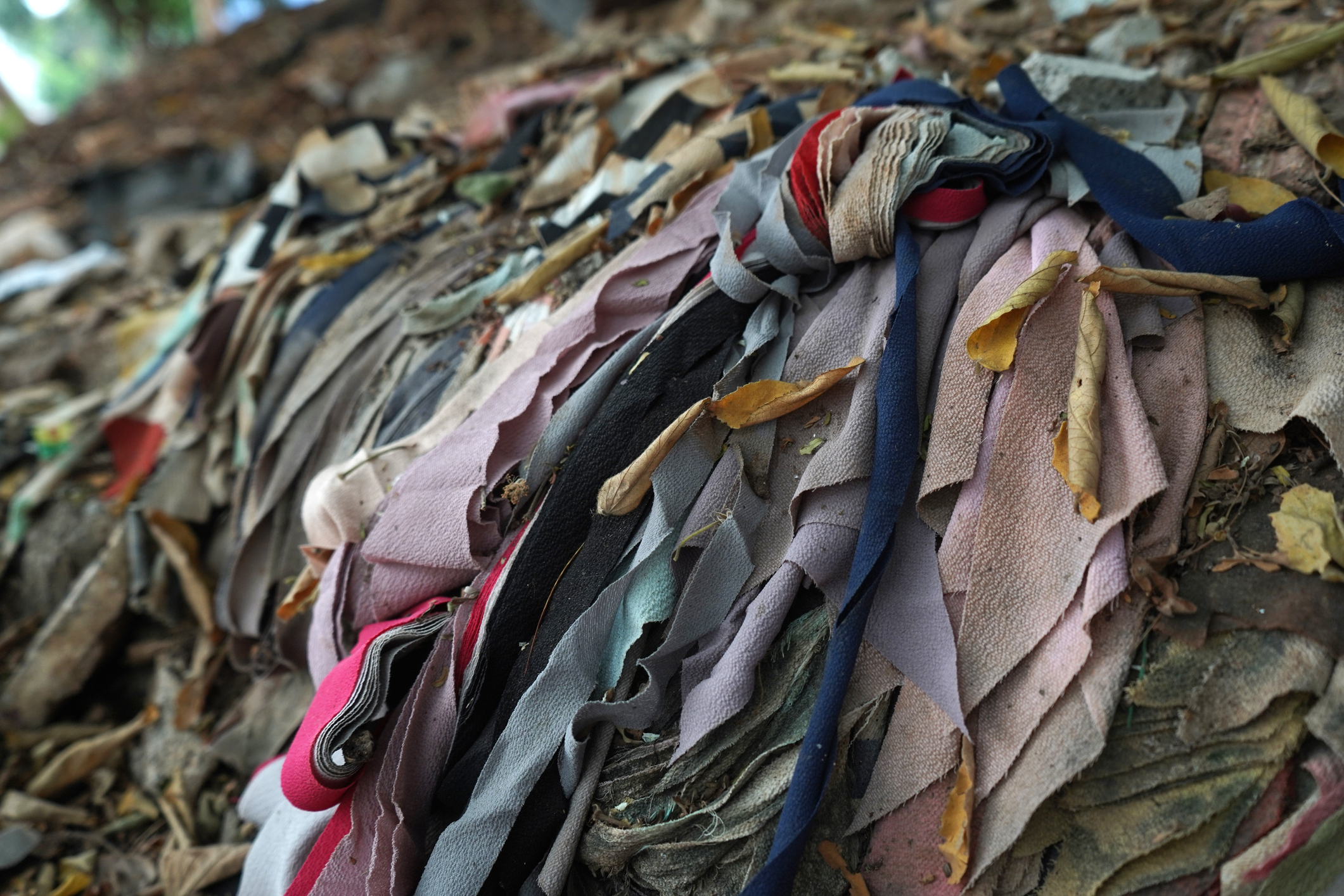
Sustainability in the apparel industry has been a hot topic for a long time. But in the past few years, what was once just a conversation is now becoming action. Throughout many European countries, laws and regulations are being passed governing apparel and textile waste, requiring stricter reporting measures, and eliminating certain chemicals from use.
While it’s been slower to catch on in the U.S. for a variety of reasons, we’re starting to see that tide slowly shift. Recently, Press-Telegram reported that California State Sen. Josh Newman proposed a “stewardship program” for the state’s fashion and textile industries.
According to the article, the goal of the proposed bill is to slow the amount of clothing, towels, curtains, backpacks, and similar items pouring into landfills. “While an estimated 95% of that material could be reused or recycled, Newman said only about 15% of textiles currently are diverted from landfills,” the article continued.
Called the Responsible Textile Recovery Act of 2023, Senate Bill 707 would make California the first state to require its fashion manufacturers to help set up free collection sites in every county where consumers can drop off unwanted items if passed. Additionally, clothing brands around the world would have to buy into California’s recycling program as soon as 2026.
The National Scope of Sustainability Regulations
While it might be the first of its kind in the U.S. when it comes to this type of apparel and textile recycling, it’s not the first sustainability focused law to pass on state soil. Once again, California takes the spotlight. As of January 1, 2025, AB-1817 will prohibit the manufacture, distribution, sale, or offer of textile articles containing regulated perfluoroalkyl and polyfluoroalkyl (PFAS) chemicals.
New York Governor Kathy Hochul also signed a law earlier this year prohibiting the use of PFAS in production of clothing and textiles within New York State. That’s set to take effect on Dec. 31, 2023.

Maine has a similar law that bans the intentional addition of PFAS chemicals, which will be phased in over the next several years. The state requires all companies selling PFAS-containing products to register with the state and identify the products being sold.
Massachusetts is also on board with eco-friendly laws, passing legislation last year that banned the landfilling of textiles. Additionally, the state does have a pending law that will specifically ban the use of PFAS in apparel. Washington State is using an existing law that allows them to issue a regulation addressing the intentional addition of PFAS in apparel.
How it Applies to the Decorated Apparel Community
So like it or not, these regulations are fast becoming part of our lives here, and for apparel decorators, this is something you literally cannot afford to ignore.
As a decorator, it might be easy to look at these regulations and think, “That doesn’t really touch my small business, so I don’t care.” According to Gary Jones, VP of environmental, health, and safety for PRINTING United Alliance, that could spell trouble. Jones is one of many subject matter experts working on behalf of the Alliance, and his full advice, insight, and guidance are available exclusively to members.
“Under the proposed California bill, producers of clothing and other textiles would be required to implement and fund an extended producer responsibility (EPR) program that would enhance recycling and increase reuse in the sector,” he explains. “Textiles have been identified as a top material and the fastest growing category in residential and commercial waste streams in California ... The cost burden for managing unusable textiles has fallen on municipalities, thrifts, collectors, and secondhand markets, and this bill would require producers to pay for a program to address these wastes. The goal of the bill is to also provide a financial incentive for producers to address the end of life of their products and to facilitate a transition to a sustainable, market-aligned, circular economy for textiles.”
He explains that one key aspect of an EPR program, the type of company that falls under the definition of a “producer,” is where apparel decorators should pay attention.
Producers are:
In simple terms? Apparel decorators can be defined as producers in this scenario.
“Apparel decorators could very easily be considered a producer and would have to pay a fee for each covered product,” says Jones. “Even if a decorator is not a producer, the fee will cause the cost of the covered product to increase, and there may be some producers that would either not offer a specific product or reduce the number being offered.”

Sustainability Changes Your Business Dynamic
Adhering to rules and regulations is an obvious reason to pay attention to sustainability in apparel. But if nothing else, decorators should care because of the overarching need to be more environmentally friendly. Even if a person doesn’t necessarily share a certain belief, it’s likely a huge portion of today’s consumers (aka, your customers) do.
“Apparel and textiles are receiving significant attention due to the impact that they have on the environment, starting from the manufacturing of the substrate, through product manufacturing, and fate of the finished goods,” says Jones. “Many environmental activist groups have gotten the attention of governments and are demanding that action be taken to reduce or eliminate the environmental burdens associated with apparel and textiles. In response, government is taking action by passing legislation and implementing regulations.”
But more than that, this changes an apparel decorator’s business dynamic from both a regulation standpoint and a consumer standpoint. “The EPA’s (Environmental Protection Agency) proposal to make PFAS chemicals subject to superfund requirements could catch apparel decorators in cleanup requirements if PFAS is found on their property,” explains Jones. That sounds expensive.
But it also changes the dynamic from the customer side of things. If a customer hasn’t asked you about your shop’s specific environmental practices, goals, or alignments, give it time. They will.
In a recent interview, Dominic Rosacci, founder of Denver-based Superior Ink, notes that it might feel like a catch-22 for decorators, but ultimately, they must educate their buyers on the topic. “You have to lead with your heart in terms of sustainability initiatives,” he points out. “It’s easy to get caught up in just the marketing ploy of it, but people will sniff that out instantly.”
As more regulations continue to be presented and signed into action, it’s clear there’s still a long way to go. “EPR laws are seen as a way to address a specific waste stream and have had mixed success,” states Jones. “This EPR proposal is the first one in the U.S., and while EPR laws for other waste streams (e.g., mattresses, batteries, paint, etc.) are more common, only a few countries in Europe are either considering a textile EPR or have implemented one.”
Additional Support
This is the tip of the iceberg. Regulations and laws are constantly changing, and as a business owner, you do not want to find yourself on the receiving end of a fine or a lost account because you aren’t aware of the newest legislation. As a member of PRINTING United Alliance, you will have access to advice from subject matter experts such as Jones and others.
Visit printing.org/membership to learn more about the this and other benefits of being an Alliance member.