
Playing in the World of Print-on-Demand

The 4th Wave of Mass Customization
A digital tsunami continues to transform the printing industry, as more and more digital products and services make their way into the market. This has led to a decline in sales for some traditional printers, who have failed to adapt to the changing market. Only those who have embraced the new world of web-to-print, on-demand fulfillment, with a focus on customer needs and preferences, have been able to thrive.
But what is mass customization? How did it originate? What are the factors that drive it? What are the outcomes and challenges it creates, and what opportunities does it offer for the present and the future?
Mass Customization Has Come in Waves
In my opinion, the paradigm shift to mass customization in the printing world has occurred in four waves:
- The first wave was the adoption of digital processing in the ‘60s and ‘70s. This was when we realized that digital was faster and cheaper than analog (in some cases — not all).
- The second wave was the invention of digital printing equipment with the first launch in 1989.
- The third wave started in the ‘90s, with the internet and the development of software networking systems that could handle single orders, generate artwork online automatically, and send orders to a network of printers for digital production and delivery. In other words, web-to-print technologies that made the processing of very small orders profitable.
- The fourth wave is about one-to-one marketing strategies, which I have also heard described as targeting each brick in a wall, not just the wall as a whole. This fourth wave is emerging now, and I think it is the best wave of all. Why? Because marketing strategies that leverage one-to-one relationships through personalization can be a lucrative source of income for innovative printers who have adopted the fourth wave web-to-print, on-demand production models with some element of personalization. It’s the personalization that adds the marketing sizzle and attracts new traffic.
In effect, the fourth wave shows entrepreneurs, marketers, and printers how to monetize mass customization by using mass personalization.
One-to-One Marketing is Here
Don Peppers and Martha Rogers changed the marketing world with their book “The One to One Future,” which was first published in 1993. At the time, it was considered a radical rethinking of marketing fundamentals, and this bestseller has become today’s marketing handbook.
With the dawn of the 21st century, digital was everywhere. The printing world had access to all the digital printing equipment and software systems they could possibly need to transition to the fourth wave. Yet, industry sales continued to fall.
Marketing is always the key to success, and one-to-one marketing strategies enable print-on-demand production with the marketing appeal of personalization to become a reality. But like any business, to be profitable, printers must be agile and do it right … which I have learned means offering a smart combination of standard print-on-demand products (with one static image) as well as a few personalized products for marketing appeal that let the merchant and their customers create exactly what they want.
A Key Lesson: Customization versus Personalization
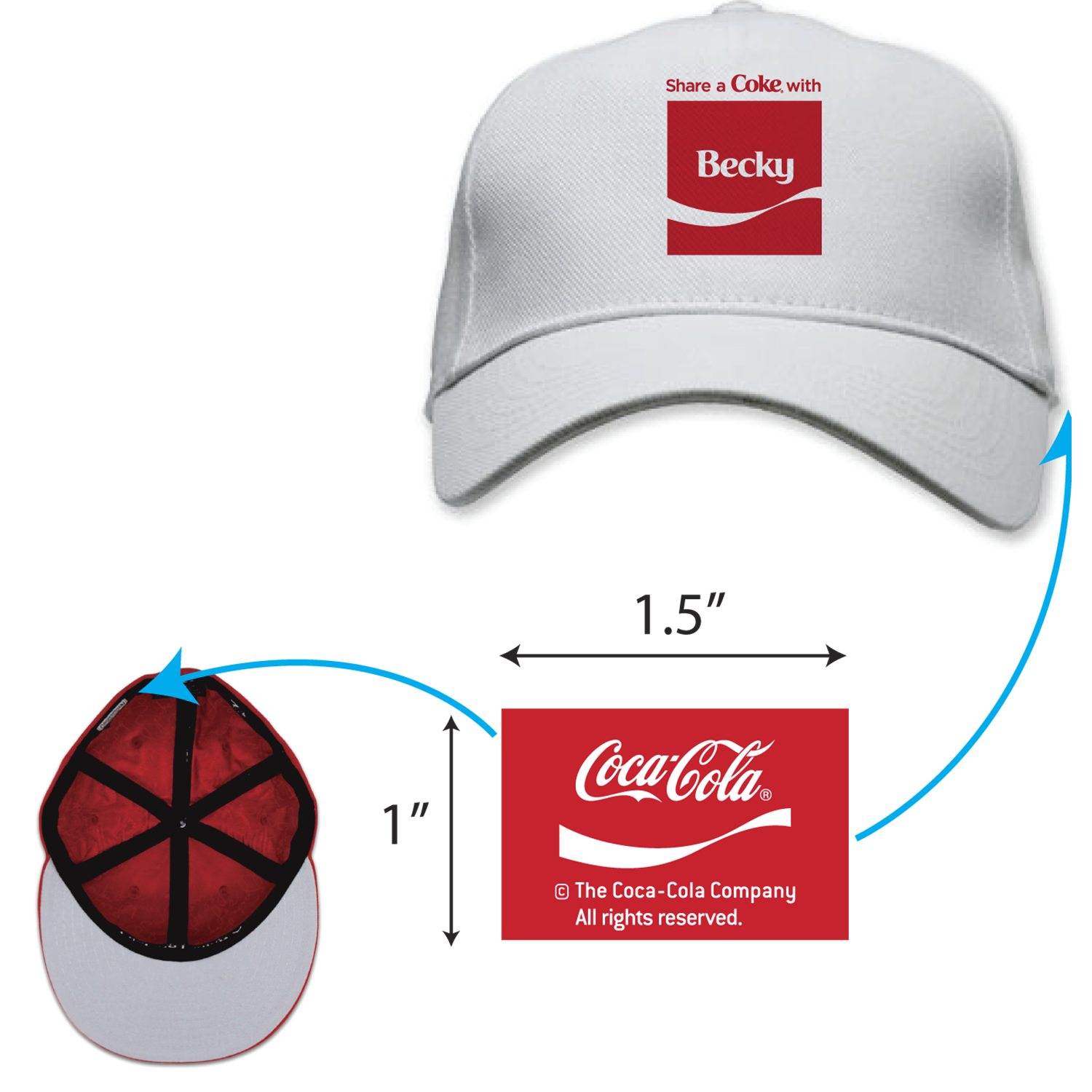
Back in 2015, my iPersonalyze team gained a valuable insight from none other than Coca-Cola, when Coke allowed our software to provide the online personalization of their Share-A-Coke apparel promotion.
Customization for me is about products (colors, sizes, components, etc.), whereas personalization is about people (names, images, emotions, relationships, and even their pets).
We all are ego driven, aren’t we? We tend to love to see our name on a quality product. Marketing to this universal human psychological reality adds huge value to product offerings.
One-to-one marketing strategies are based on personalizing interactions and communications with your customers, according to their preferences and needs. To implement one-to-one marketing strategies in your business, here are some practical suggestions:
- Collect and analyze customer data from various sources, such as transactions, surveys, feedback, social media, and web analytics. This will help you create comprehensive customer profiles and segments, and understand their behavior, interests, and pain points.
- Use web-to-print on-demand technologies to offer personalized and customized products and services to your customers. For example, you can allow them to design their own apparel, accessories, or stationery, or choose from different colors, sizes, and components.
- Use one-to-one marketing channels, such as email, SMS, phone calls, or direct messages, to communicate with your customers on an individual basis. For example, you can send them personalized offers, recommendations, reminders, or thank-you notes based on their purchase history, browsing activity, or preferences.
- Measure and optimize your one-to-one marketing campaigns using metrics such as open rate, click-through rate, conversion rate, retention rate, and customer lifetime value. You can also use A/B testing, feedback, and analytics to improve your personalization and customization efforts.
Here are some examples of very successful one-to-one marketing campaigns.
- Coca-Cola’s Share-A-Coke campaign, which allowed customers to personalize their own bottles with their names or messages.
- Amazon’s personalized recommendations, which suggest products to customers based on their browsing and purchase history.
- Netflix’s personalized recommendations, which suggest movies and shows to customers based on their viewing history and preferences.
- Spotify’s personalized playlists, which create music mixes for customers based on their listening history and preferences.
Product Type Advice: Simplicity
Admittedly, I am a slow learner in some areas. After a 10-year journey in which my team built hundreds of websites and created for those websites nearly 30,000 personalized products, I finally decided to do some sales analytics to figure out what types of POD products (with or without personalization) were really selling.
(Note that at iPersonalyze, we push product personalization. Many of our clients come to us specifically for that purpose, so these results are skewed in that direction.)
- Standard Print-on-Demand – 50% of sales: Products with one preloaded static image and no online designer offered to consumers.
- Pre-Designed Personalized Products – 45% of sales: Products offered to consumers with an online designer so they can upload images and/or text according to the personalization template.
- Blank Product Customer Personalization – 5% of sales: These products are offered blank to customers so they can personalize the products using the online designer any way they want.

In 2014 when we launched, I was convinced the technology was so cool that everyone would want to go online and spend the time personalizing a blank product. I liked to do it, so surely everyone else would too. I could not have been more wrong.
The reality is that both end customers and the merchants that sell to them want simplicity and don’t want to spend the time with too many options. What sells the most will probably always be standard POD products where the customer simply sees a product with an image on it that they like, buy it, and are done. While this is just every day, old-school print-on-demand, they are simple and easy.
Where the opportunity that is growing exponentially is in the predesigned, personalize-able products. However, the templates enabling customers to upload images and add text sell best when they are as simple as possible.
You don’t need to offer clients 600 fonts to choose from or let them move the text around wherever they want. Colors can go crazy, too, but what sells is when a personalization template is thoughtfully created that enables the customer to do their thing without having to spend much time.
Too many options simply slow down the buyer, and frequently that is enough of a time obstacle for them to leave without buying anything. Simple is best.
Finally, blank product personalization, even though they are slow sellers, will always be in the POD mix since these are products that customers just want to upload one image and be done.
The Marketing Sizzle
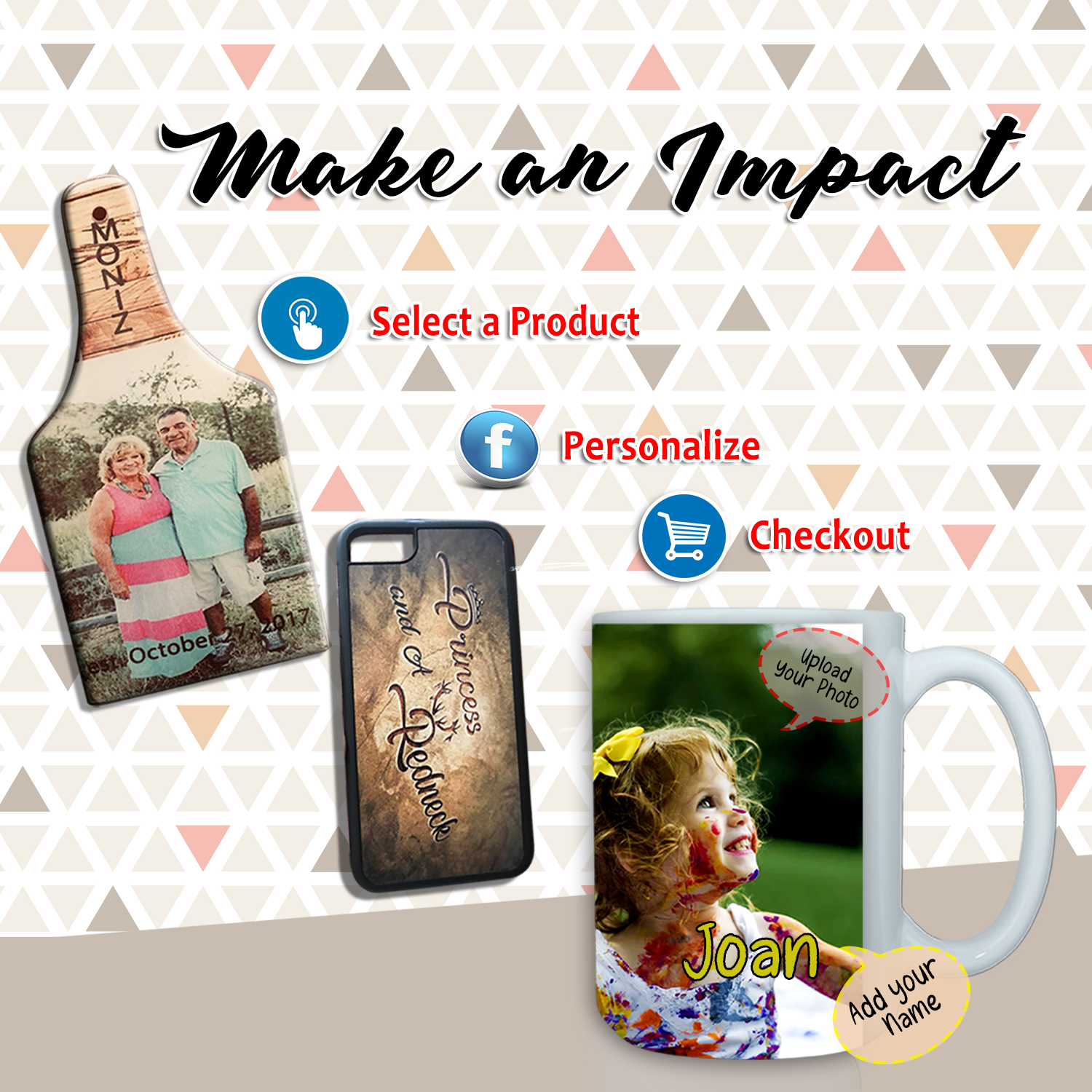
In general, by adding the marketing sizzle of personalization to a website, the standard POD sales will generally average around 75% of sales. Quality, pre-designed personalize-able products that are created thoughtfully and with simplicity front of mind, along with blank customer personalization, can add a sweet 25% to sales volumes. Mass personalization is here and is clearly the future.