
Organic Tee Star Brings European Flair to Sustainable Promotional Products
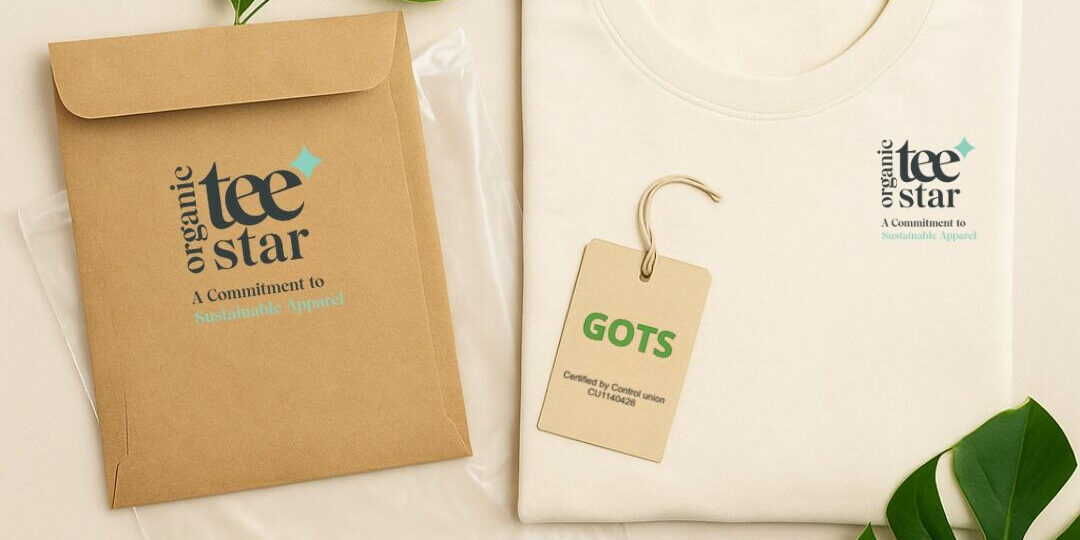
From GOTS-certified apparel to eco-conscious drinkware, Organic Tee Star is reshaping the promotional products space with stylish, responsibly made merchandise designed for long-term impact.
In 2006, Sofia, Bulgaria-based Organic Tee Star was born out of a desire to bring something new to promo — a range of sustainable, design-forward promotional products the industry hadn’t really seen yet.
“Most of what was available felt cheap, disposable, and miles away from being sustainable,” shares Deyan Angeloev, founder and CEO of Organic Tee Star. “I wanted to prove that branded merchandise could be stylish, responsibly made, and long-lasting.”
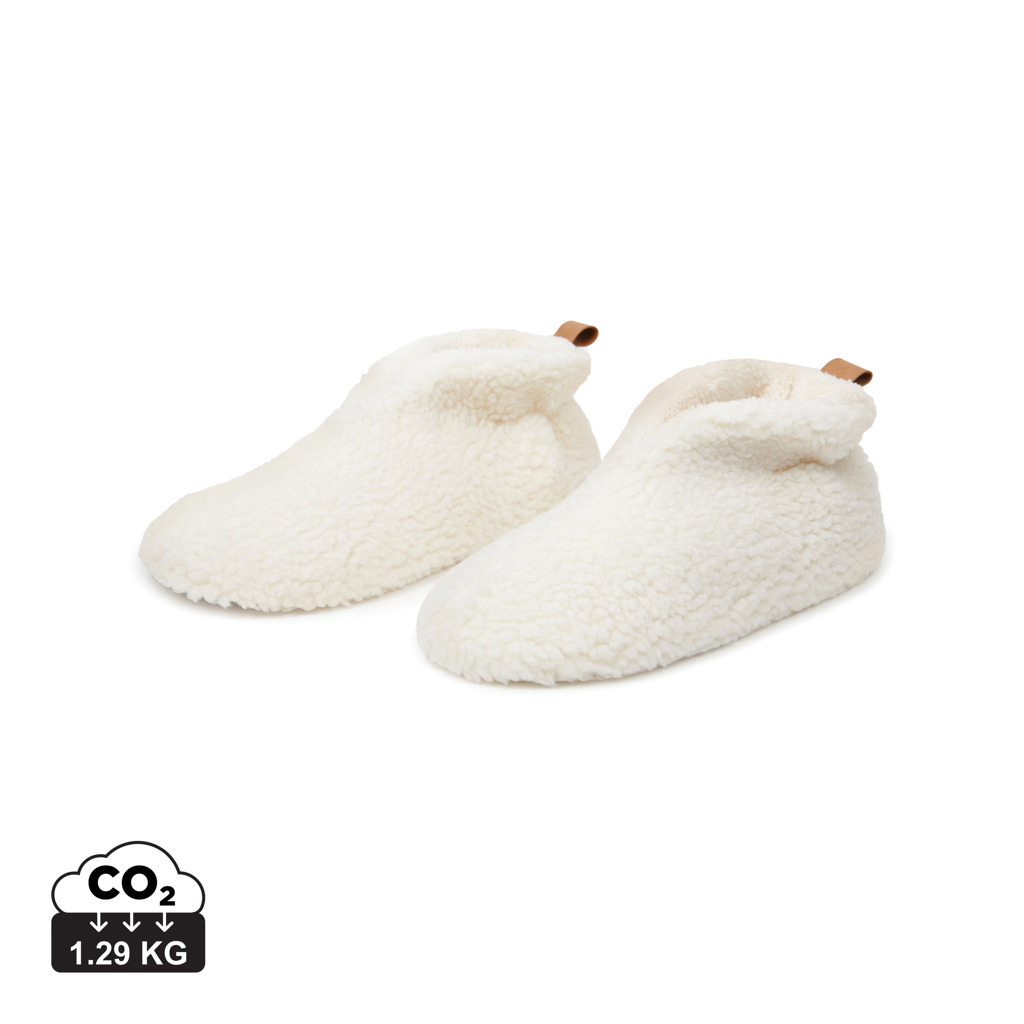
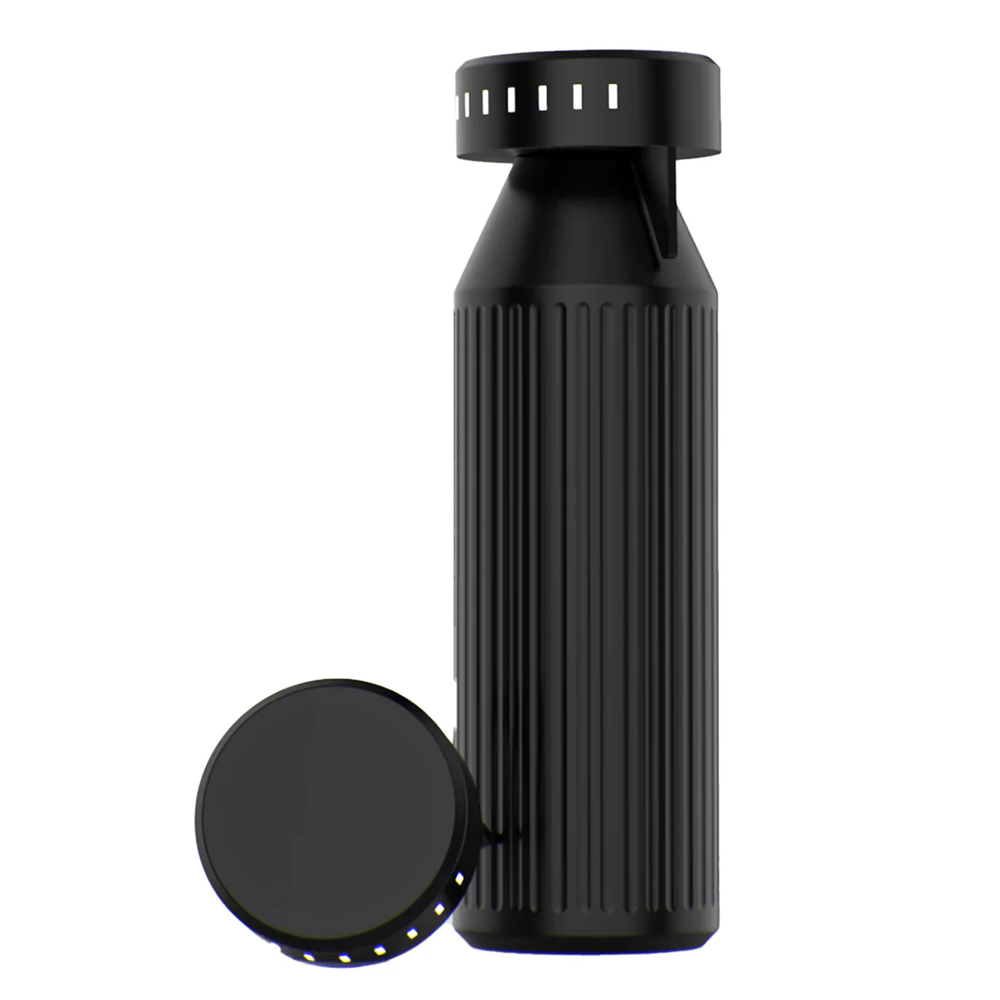
And that’s how Organic Tee Star came to be — with a focus on organic cotton basics, Angeloev adds. Over its nearly 20-year history, it’s grown from a small T-shirt-focused operation to a full sustainable products supplier, offering everything from apparel and bags to drinkware and high-tech European merch.

-
- Credit: Organic Tee Star
“The mission has stayed the same: Better products for people and planet, but the range and sophistication have expanded a lot,” Angeloev says.
In 2021, the company expanded into the U.S. market after U.S.-based distributors continued to inquire about their products.
“The response has been exciting. U.S. customers love having access to products that feel fresh and different, especially the European styles they can’t find through traditional promo catalogs,” Angeloev shares. “The fact that everything is GOTS-certified and responsibly produced gives them a strong story to tell their clients.”
That's what Organic Tee Star is all about: bringing European craftsmanship to the market and not just focusing on product but impact and the larger story sustainability tells.
Sustainability at the Core
At Organic Tee Star, sustainability starts with sourcing and runs all the way through print processes and beyond. Its GOTS (Global Organic Textile Standard) certification ensures all the materials it uses meet strict standards.
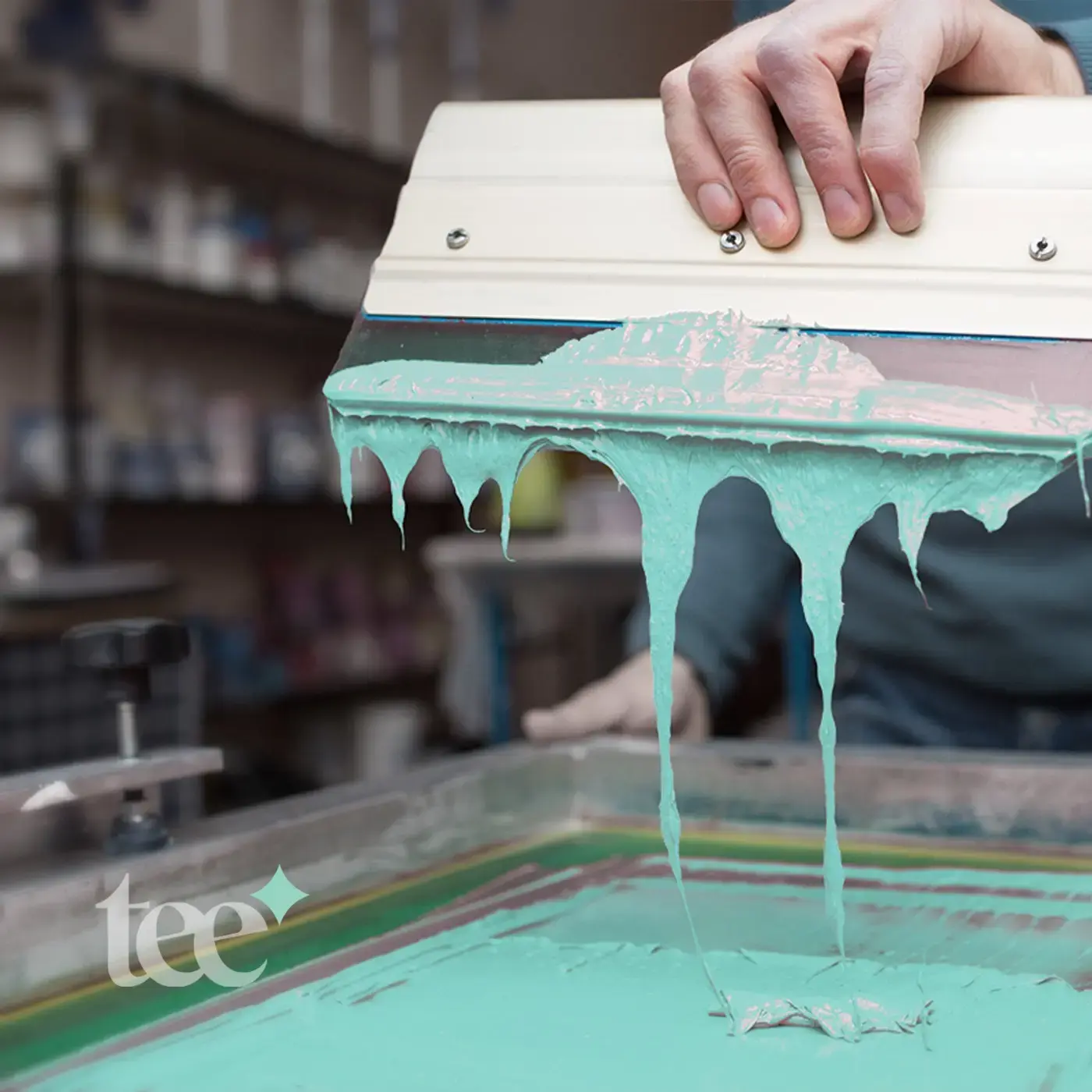
“That means organic, traceable, and ethical from seed to final garment,” Angeloev explains. “On the printing side, we use water-based inks, low-impact dyes, and decoration processes that cut down on chemicals and waste. It’s not the cheapest or easiest way, but it’s the right way.”
Angeloev says the company opts for water-based screen printing when handling large runs over traditional plastisol because it eliminates waste and the use of harsh solvents. For short runs, it uses direct-to-garment (DTG) printing. Additionally, the company recycles water where possible, sources eco-thread for embroidery, and reduces its energy consumption throughout its production processes.
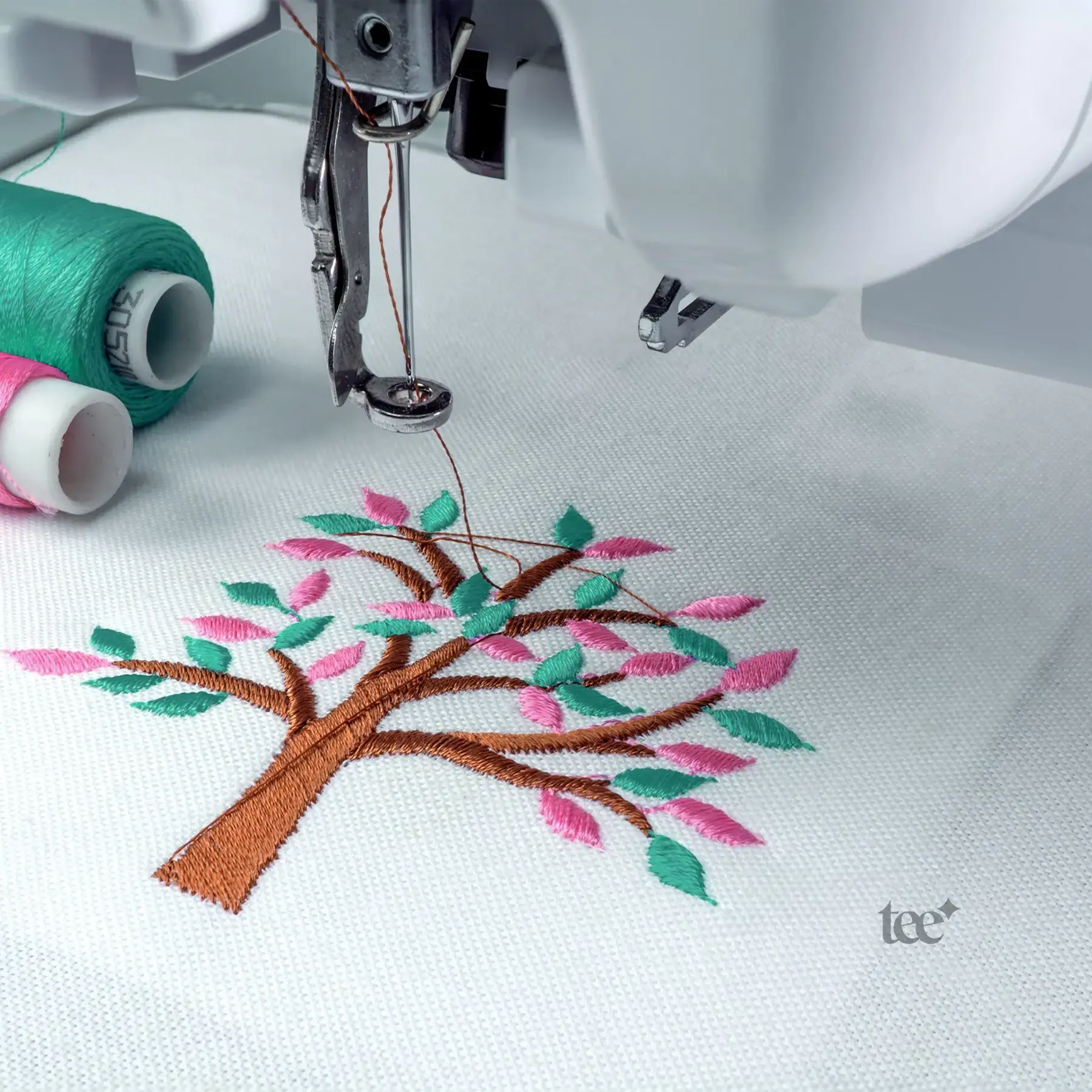
On the hard goods side, it opts for laser engraving and pad printing when dealing with complex surfaces. “For drinkware and notebooks, we favor laser marking and single-color pad prints — durable, elegant, and chemical-free,” Angeloev shares. “The goal is always the same: reduce waste, extend product life, and keep every decoration traceable.”
“When we started, sustainability was a ‘nice to have,’” he continues. “Now, it’s becoming a requirement. Clients don’t just want a T-shirt with a logo; they want to know where it came from, how it was made, and what impact it has. The shift has been huge. I think in the next five years, ‘sustainable merch’ won’t be a niche — it’ll be the standard.”
In fact, ASI data shows rising demand for more environmentally friendly options. In 2023, 57% of suppliers reported an increase in requests for eco-friendly products compared to the previous year. Among end-buyers, the demand is strong: 100% of end-buyers, aged 25-34, say it’s important that the companies they work with offer eco-friendly products, and 88% of end-buyers of any age say working with companies that offer socially responsible products matters.
It’s a shift Organic Tee Star has been preparing for since day one. Angeloev and his team are continuing to push that standard forward by investing in cleaner technology, exploring closed-loop systems for textiles, and working with partners who share the same goals.
“I also believe part of our role is education — helping distributors and clients understand the difference between greenwashing and real sustainability,” he says. “If the industry is going to change, we all need to raise the bar together.”
What’s Trending at Organic Tee Star
"The classic organic T-shirt is still king — everyone needs a great T — but our premium hoodies and sustainable outerwear are becoming just as popular.
On the merch side, European drinkware and bags are always a hit. For decoration, water-based screen printing and eco embroidery are the top requests, with clients loving the feel and finish compared to traditional methods."
— Deyan Angeloev, founder and CEO, Organic Tee Star
From Tees to Tech: A Modern Sustainable Lineup
Organic Tee Star hits all the promo bases. From apparel and drinkware to stationery, travel, homeware, and tech items, everything is sourced and decorated responsibly and sustainably.
Many of the apparel and merch lines feature European styles not widely available in the U.S. market. Asking what goes into selecting and developing those products, Angeloev says the company keeps an eye on fashion trends across Europe and how they would translate into branded merch.
“It’s about creating products people would actually want to wear outside of an event — things that don’t feel like ‘promo swag’ but like retail-quality pieces,” he shares. “We work closely with European designers and suppliers who specialize in premium sustainable apparel, so every piece feels different from the standard boxy promo T-shirt.”


Sourcing sustainably made apparel is one thing, but finding hard goods that meet the company’s expectations and requirements is a challenge.
“It’s not easy — and that’s why we do it,” he shares. “Sustainable sourcing demands persistence, constant auditing, and close supplier relationships. We visit our European partners regularly and test each material before it enters production. The result is reliability. We’ve built a network that values honesty over volume — suppliers who share our belief that certification and transparency are worth more than shortcuts.”
Despite the challenge in sourcing, Angeloev says they’ve found success by realizing sustainability isn’t just about a product line — it’s an ecosystem. And saying “no” to greenwashed goods and “yes” to certified, traceable ones was the key.
“Instead of hundreds of items, we curated a focused catalog of pieces that last, because longevity is the real test of sustainability,” he says. “Clients return not only for products but for trust. They buy the peace of mind that comes with verified impact.”
And speaking more about the ecosystem of sustainability, Organic Tee Star makes sure to tell clients the story behind each box of products. “That way, when they hand that T-shirt or hoodie to their customer, they’re not just giving away merch; they’re sharing values,” he adds.
That value comes through in every client conversation and custom box, telling a sustainability story that resonates with anyone seeking meaningful branded merchandise.

Editor's Note: This article was written for Promo Impressions. For more content on promotional products decoration, be sure to subscribe to the biweekly newsletter at PromoImpressions.com.