
Ohio Print Shop Jūpmode Keeps Here for Good Campaign Alive
In the last three years, Jūpmode has raised over $200,000 for Northwest Ohio businesses through the sale of branded T-shirts, and it hopes to raise another $40,000 this year.
T-shirt fundraisers. They’re a big part of the apparel decoration industry, and they’ve helped several businesses, organizations, and nonprofits gather funds for a cause. They saw a huge surge in popularity during the COVID-19 pandemic. While many small to mid-size businesses struggled to keep their doors open during lockdowns, the apparel decoration community saw an opportunity, and printers across the U.S. stepped up to help via Here for Good.
The Here for Good campaign, originally launched by Sloan Coleman, the owner of St. Louis-based Tiny Little Monster, gained traction in 2020. The campaign spread quickly, and Toledo, Ohio-based Jūpmode, a custom screen printing and embroidery business, followed suit. The concept? Print shops print shirts for local businesses at no cost, post and sell them online, and $10 from the sale of the $20 shirt goes back to the business. The sales not only help the participants but the print shop as well.
Reflecting on the pandemic and the shutdowns that followed, Jūpmode President John Amato says his team wanted to help the Northwest Ohio community and keep people employed during a time when so many were struggling. “They didn’t have a way to generate revenue at the time,” he says, and while it might not solve all their problems, he hoped it would help businesses “get over the hump.” And he was right. The last three Here for Good campaigns put on by Jūpmode raised over $200,000 for small businesses and organizations.
“We were really surprised by the response that we got,” he notes. “Over $135,000 was donated back to local organizations that first year alone, and so that was a bit unique. It was really cool to see people embrace their small local businesses, their family-owned businesses."
While most shops stopped the campaign in 2020, Jūpmode continued, and its Here for Good program is now in its fourth year (held March 15-31). Asking how word spreads with something like this, Amato says it’s a combination of social media sharing and word of mouth. He says the local news station and newspapers picked up the story, which helped it gain traction early on.
“People were looking for opportunities to give back or opportunities to support their favorite restaurant or their hairstylist,” he says. “We’re giving back to a community that’s given us so much, and our business is built on the shoulders of these local businesses that we do a lot of custom work for.”
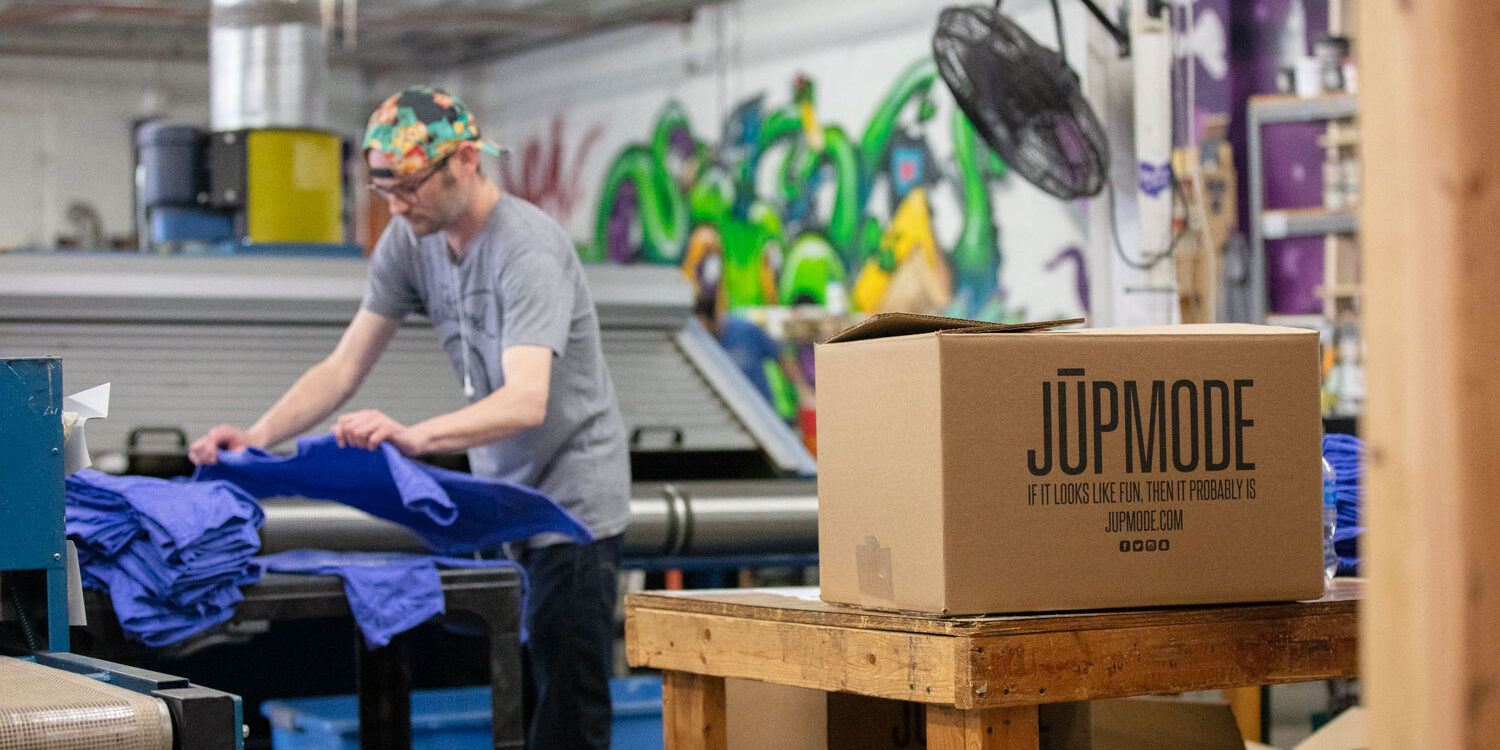
Expectations for 2023 Here for Good
While running a program like this comes with its challenges, Amato and his team have worked out the kinks over the years to make the program worthwhile for the shop and participants.
“I’m really happy with where we’re at, and this year will be a big indication if it’s something that makes sense for us to continue to do,” Amato says. “We believe it’s a program that provides a lot of value for customers. If we’re right on that, they’ll come back. Hopefully, we prove that over time. “
Asking how much Jūpmode anticipates raising this year for businesses, Amato says the goal is to keep it close to last year — around $43,000 — despite economic factors. “We’re in Toledo, Ohio; it's a unique place and it's one of those places that really comes out to support the local businesses, and I think this is a great example of that.”
While tough economic times could be a concern, the U.S. Department of Commerce reports that personal spending rose 1.8% in January. Moreover, according to Forbes, “Anxious consumers cling to familiar, trusted brands as a safe haven,” which could bode well for this year’s Here for Good campaign.
Speaking to that point, Amato says he’s received several emails this year from people who are glad to see the program back for another year. He says it’s those types of things that fuel Jūpmode and create the “why” for the fundraiser. That and seeing the organizations it reaches, like mom’s groups that have done well with sales in the past and tattoo artists that come through with creative designs.
With the number of organizations that have signed up this year, Amato expects Here for Good will be back for a fifth time in 2024.
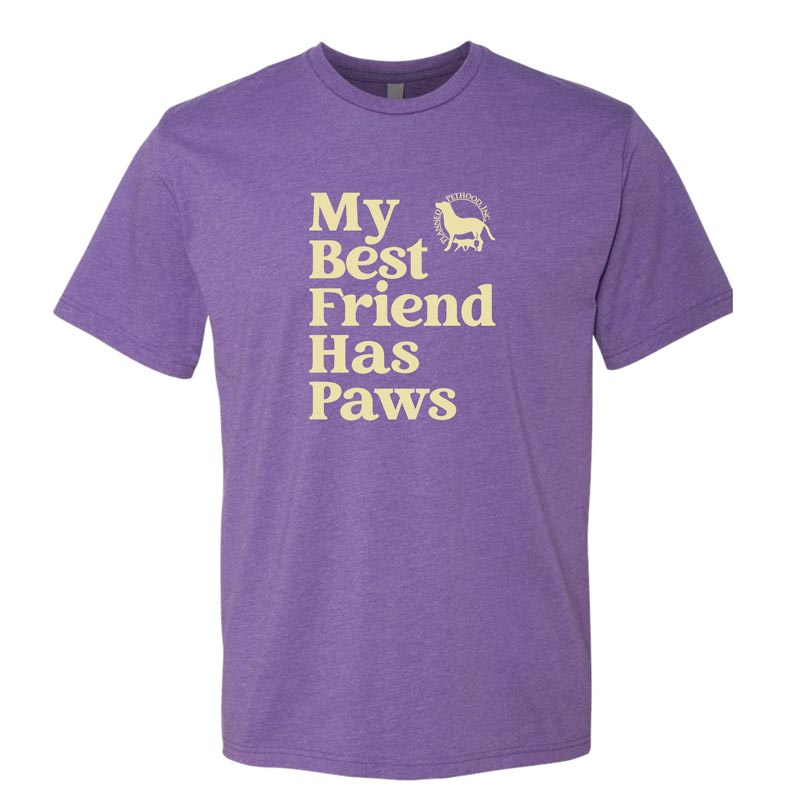
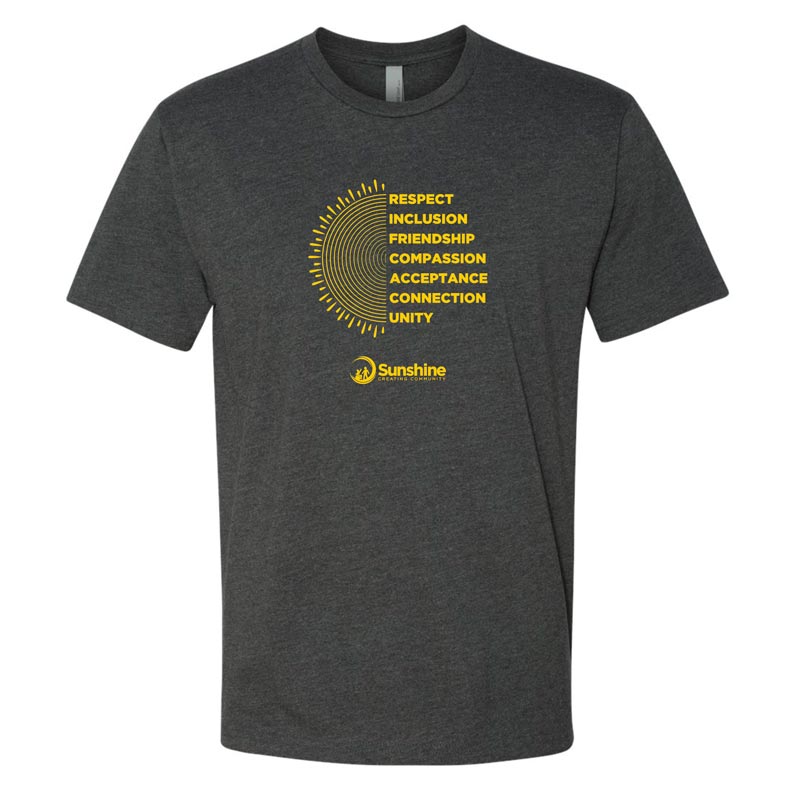
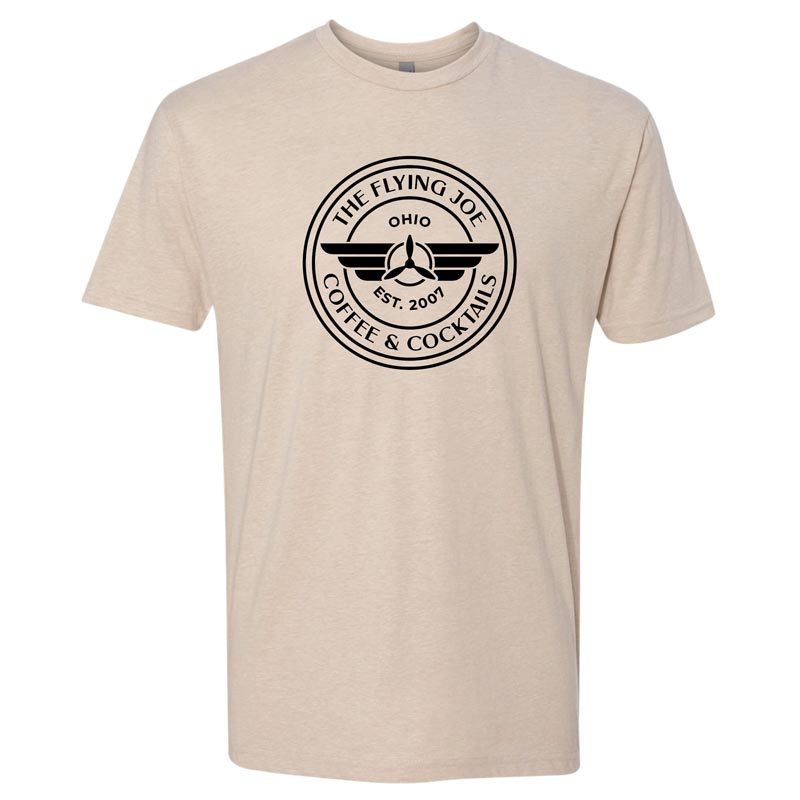
Customer Service at The Core
What it all comes down to for Amato is supplying value to his customers, which in turn allows them to offer a better experience to their customers. While Here for Good brings in funds for the businesses that take part, it also helps them create a brand following.
Amato wanted to make the program accessible and advantageous to everyone. There is no minimum order requirement, and Jūpmode customers do not have to pay setup fees. “It makes it really easy for them to go, ‘Yeah, why not sign up, see what happens.'”
In addition to printing the shirts and posting them for sale on its supply site, Jūpmode promotes the program via social media and email and provides each business with resources to promote it on their end. While Amato never thought he’d be launching Jūpmode’s fourth iteration of Here for Good, it’s those seemingly small gestures and customer service bonuses that keep people coming back.
“I believe we’re the only ones left doing this,” he says, “and really for us, it’s about the commitment to the local community. It’s about providing a value-added service to our current customers, and potentially we find new customers along the way.”
He points out that “small business is hard,” and anyone who runs one knows it’s no walk in the park. “If we can make it a little bit easier, even just once a year for the people participating, that’s a big win for us.”
Amato’s passion for serving the customer highlights a hot topic in the industry: Fundamentally, all print shops can do the same thing and offer the same decorated garments, but the one thing that differentiates them is the people behind the job.
What are interactions like with customers? How quickly do they respond to emails and turnaround orders? Do they follow through on their promises? How easy is it to work with them? All these factors matter in building customer trust and creating a working partnership versus just selling a product.
Considering the weight and importance of these points, the Jūpmode Here for Good program has evolved over the years. Amato says the first year was a little chaotic due to uncertainties.
“We didn’t have a plan. We ran it too long,” he says. “The people that bought shirts didn’t know when they were getting them. Production was thin. Supply chain. There were a lot of things going on that first year that made it a challenge, and since then, we’ve actually moved it up in the year, which fits our production schedule a little bit better.”
Jūpmode starts reaching out to past participants in February to give them plenty of time to sign up and submit necessary materials. This also allows the shop time to create mockups and send them out for approval. Businesses can supply their own designs, request to use a design from a previous year, or have a new one made.
This year, Jūpmode has over 200 participants, and Amato says quite a bit of them chose to reuse artwork from previous years, which streamlines the process for the shop’s internal designer.
Other updates include incentives for signing up early and the campaign’s run time. This year, if businesses signed up before the deadline, they could offer a hoodie and a T-shirt. Last year the incentive item was a crewneck sweatshirt. Jūpmode also shortened the length of the campaign. Previously, there was no true cutoff date. The shortened window allows Jūpmode to turn the orders over faster.
To keep things manageable, Jūpmode runs the program when business is a little slower, which allows the team to print one-off designs for organizations, whether they have hundreds of sales or not. “It gives us that flexibility,” Amato notes. “We’re not afraid to print one shirt and that’s all it sells. It’s OK for us, and we understand that this is serving a bigger purpose, and this is our way that we can give back and support people that support us.”
Finding Success in Fundraisers
As T-shirt fundraisers become a growing part of the apparel decorating community, knowing some best practices can be the difference in succeeding or coming up short — especially as fundraising scams seem to be on the rise.
For Amato, personal relationships make all the difference. “We do this a fair amount on our end — we sometimes forget that we undervalue how important it is to talk to our customers,” he says. “And so sometimes it's getting on the phone and having a conversation. It establishes trust, and I think that can go a long way.”
He argues that business ethics aren't talked about often, and when they are, it can be a touchy subject. He says when a business runs in the right way, people notice. Having systems in place that make the process easy for participants, as well as keeping the end buyer in mind, is crucial. This could mean a straightforward application process for participants, quick turnarounds, an easy-to-use online store for buyers, automatic email flows for orders, and worry-free fulfillment.
In a day where Amazon heavily affects the way people shop and their expectations for a transaction, Amato argues that quick response ranks high on the list of necessities when providing service to a customer.
When shipping out individual orders, he says these seemingly little things add up. “Anytime you run a fundraiser, assuming you're printing a bulk order and then packing down and individually shipping, I think all those things come into play and you have to understand the value of all of them together, and the synergy that that creates,” Amato explains. “I think it’s worthwhile at the end of the day if you can make that work.”
While fundraisers require a lot of legwork, it’s a space many Main Street shops play in — not only for the business benefits but to help their local communities. Whether it’s something like the Here for Good campaign or getting involved with nonprofits, philanthropic work in the printing industry has tons of potential.
Check out How to Make a Profit Working with Nonprofits here.