
Does maximalism have a place in promo?
While most orders remain logo-forward, some verticals demand more.
Editor's Note: This article was written for Promo Impressions. For more content on promotional products decoration, subscribe at PromoImpressions.com.
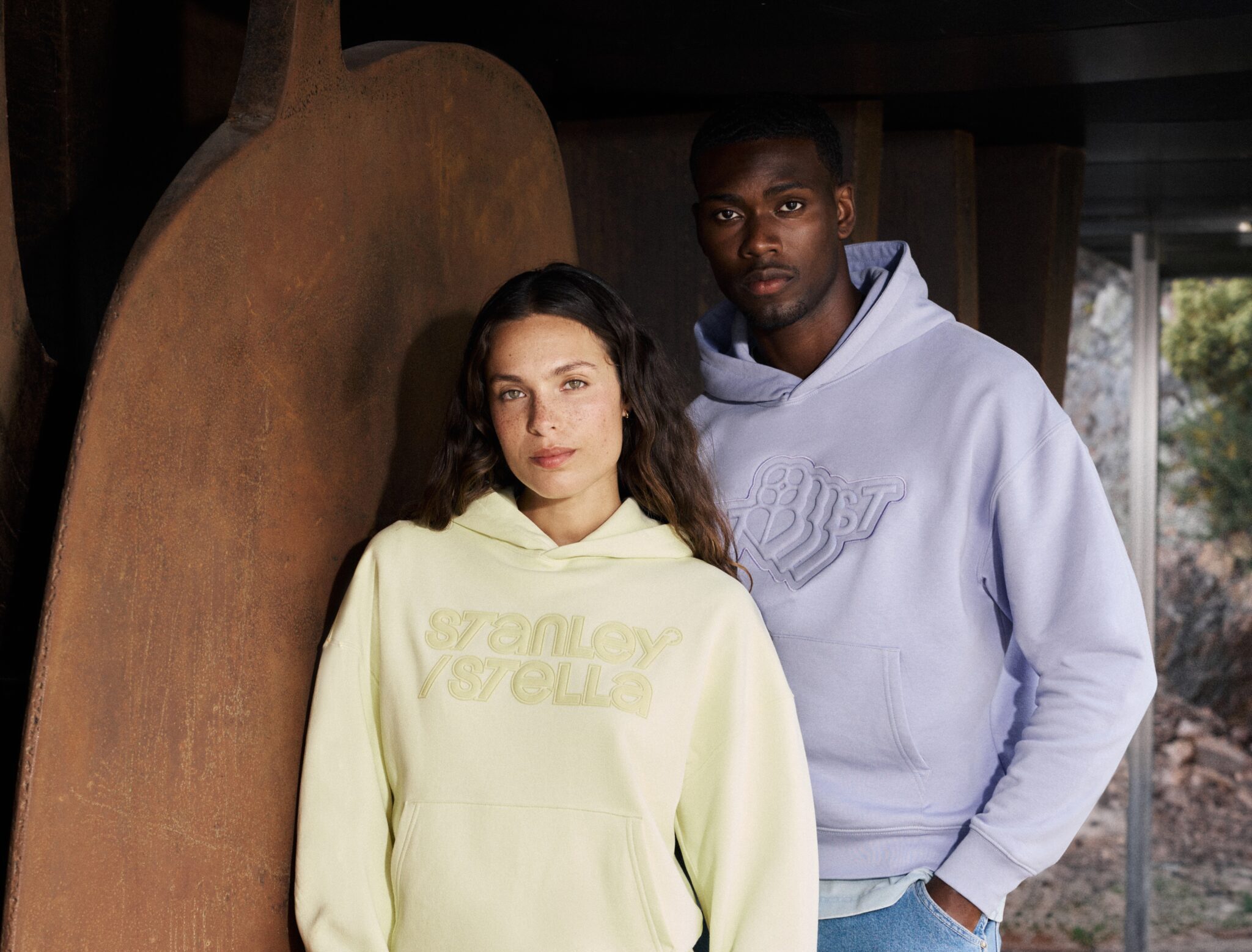
Quiet luxury — a term in the promotional products space to describe items with understated branding. A company’s logo isn’t center stage. Instead, subtle decoration — paired with a higher-end product — encourages the wearer to choose that item over an overly branded hoodie or T-shirt.
In turn, the end-wearer keeps that promotional garment longer, garnering more impressions. We caught up with experts in the space to chat about this approach and what it means for brand visibility, impressions, and wearability.
What’s changed in how brands think about logo visibility versus wearability? The whole point of a promo item is to promote a brand, company, event, or organization. So, what does quiet luxury mean with that goal in mind?
“Over the past few years, we’ve seen a real shift in how both brands and consumers approach promotional apparel,” Eric Simsolo, president of Next Level Apparel, says. “It’s no longer just about slapping a logo on a T-shirt or hoodie and hoping it gets noticed. Today, subtle branding resonates because it balances brand recognition with actual wearability and lifestyle integration. People want items they can wear day-to-day — pieces that feel authentic, high-quality, and aligned with their personal style — without feeling like they’re advertising for someone else.”
Mel Lay, marketing director and co-founder of Allmade Apparel, and Kyle Eslinger, strategic account manager for SanMar’s Decorator Solutions Team, echo that sentiment.
“We believe most people don’t want to feel like a walking billboard,” Lay adds. “They want apparel they’d choose to wear on their own. A logo worn repeatedly creates far more value than a bold logo that lives in a drawer. The focus has shifted from “How big can our logo be?” to “Will someone actually want to wear this?”
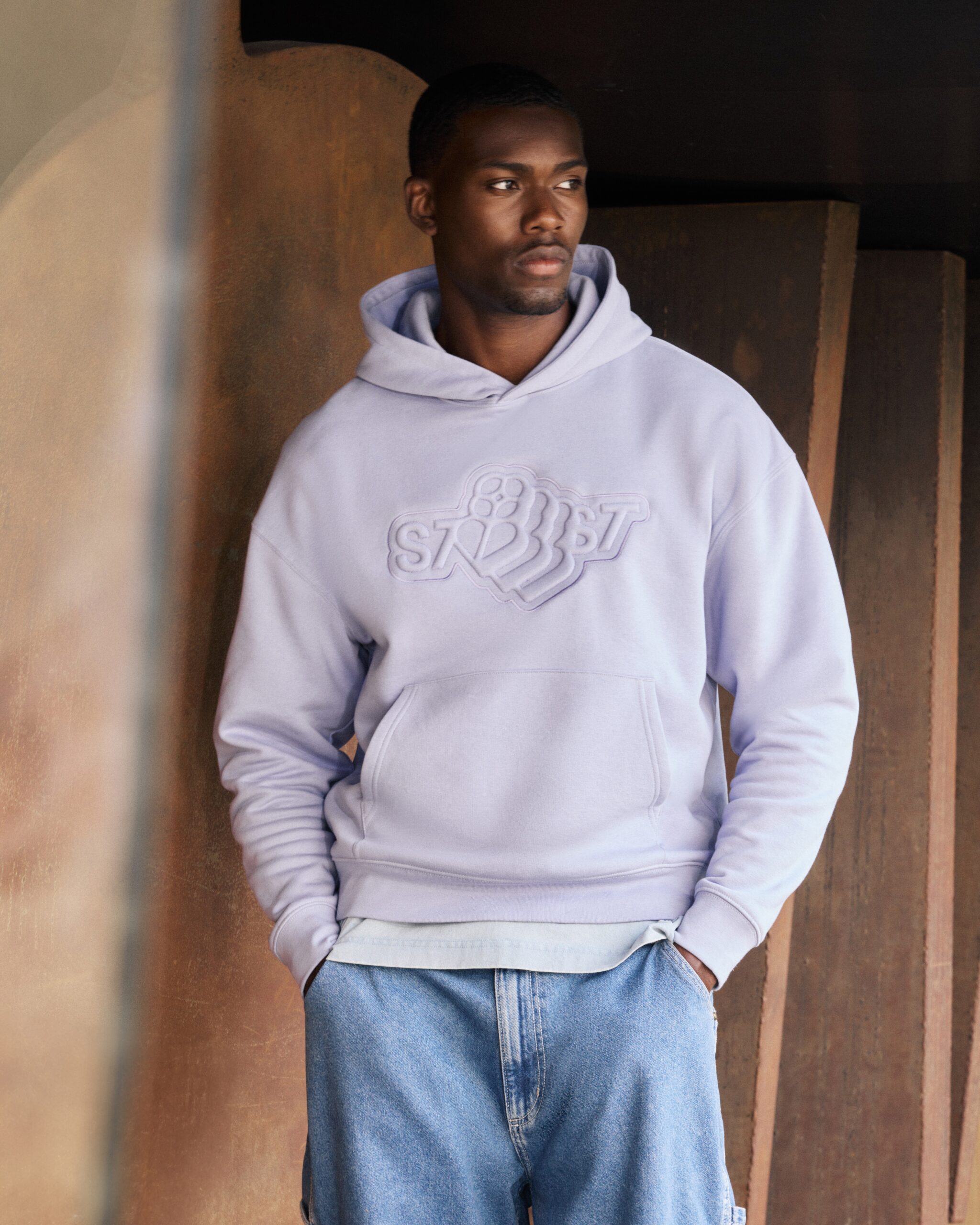
When branding is understated, promo apparel changes from a “have to wear” to a “want to wear” product, Eslinger says. It goes from work to the gym to dinner, and hopefully into the weekend. If done right, minimally branded apparel helps reduce brandfill — branded products ending up in the landfill.
“This creates more value for the purchaser because it’s a sophisticated, high-end visual,” he explains. “This can also increase long-term wear, as subtle branding tends to have more staying power. Large, visible branding can shift in popularity over relatively short periods of time.”
Simsolo also notes that “subtlety signals confidence.” It’s an effortless approach that shows the audience a brand doesn’t need to shout its name to get noticed.
From repeat wear to higher perceived value, it’s no surprise brands have leaned into minimalist branding.
“People want authenticity, meaning, and flexibility,” Simsolo says. “They’re drawn to items that feel intentional, minimal, and versatile — something they can wear at work, at home, or socially without feeling branded head-to-toe. We’re also starting to see the next layer of this trend emerge, where brands experiment with micro-symbols, hidden details, or material choices that carry meaning quietly, giving wearers a sense of insider connection or personal discovery. “
The move to quiet luxury isn’t just about aesthetics — it’s strategic and emotional, creating products designed to connect long term, he adds. Retail has helped shape that expectation.
As it always has, retail has its influence on what happens within the promo, apparel decoration, and wholesale worlds. In the last few years, however, retail has heavily reshaped expectations around promotional apparel, according to sources.
Consumers have come to love high-quality fabrics, more modern fits and cuts, and intentional design. Those standards are spilling into the promotional products space, and brands, suppliers and distributors alike have taken note.
“Promo pieces are no longer just competing with other giveaways; they’re competing with favorite retail Ts already in someone’s closet,” Lay says. “That retail influence has pushed promo toward better materials, cleaner decoration, and styles that feel current and intentional.”
So much so that Eslinger points to a term in the marketplace: “retail grade.” As retail trends migrate into promo, branded apparel must keep up. In fashion and retail, minimalist logo placements and discreet, tonal decorations are prevalent across product categories, and promo must follow suit to resonate with audiences.
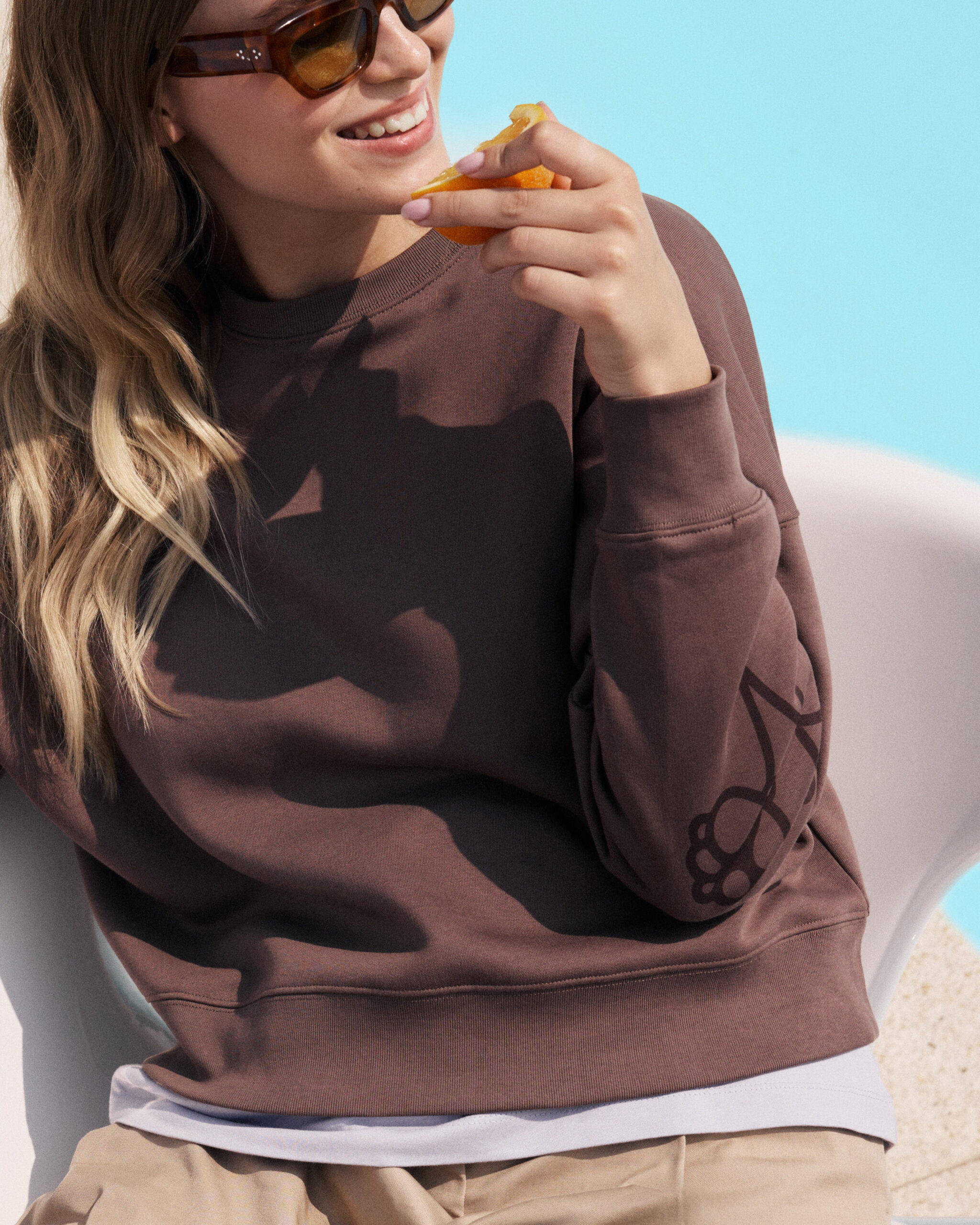
“Ultimately, retail has taught us that consumers judge a brand by the quality and design of the product itself,” Simsolo explains. “The more thoughtfully we can marry design, feel, and branding, the more successful promo apparel becomes — not just as a marketing tool, but as a product people genuinely love to wear.”
With retail raising the bar, execution is everything for those in promo. Pairing decoration techniques with the right garments matters.
With minimalist branding in mind, let’s break down what decoration techniques work best, processes easiest to execute at scale, and use cases that make sense.
First and foremost, subtle decoration requires precision, restraint, thoughtfulness, and purpose. “When done well, the decoration enhances the garment rather than overpowering it,” Lay adds.
The great thing about quiet branding is that almost all apparel decoration methods work well for this approach. While there are some decoration methods that lend themselves better, it’s all about the technique used. Tone-on-tone screen printing, embossing/debossing, laser etching, water-based inks, discharge printing, flocking, low-stitch-count embroidery, discreet woven labels, micro prints, and soft-touch applications play well here.
Caroline Pierce, co-founder of Tyca, a manufacturer of embossed apparel and accessories, says embossing works well because it uses the garment to create the “decoration” or branding rather than using color or layers of ink on top of the garment. The manipulation of the fabric creates a tone-on-tone look without added elements, which comes off elevated and understated.
“Screen printing and embroidery offer the opportunity to work within the Pantone, or thread color family, of the substrate to achieve tone-on-tone,” Eslinger adds. “Similarly, unique heat application products, such as silicone transfers, molded/dimensional emblems, and patches can be selected in familiar shades of the substrate to create a subtle complement. Those heat-applied products also offer the maneuverability to be placed in more discreet areas of a garment, such as at the nape or by the bottom hem. Woven labels can be quietly tucked around the hem of a sleeve. Subtle branding is so versatile and welcoming to decoration techniques and placement. The only drawback is the sheer number of choices.”
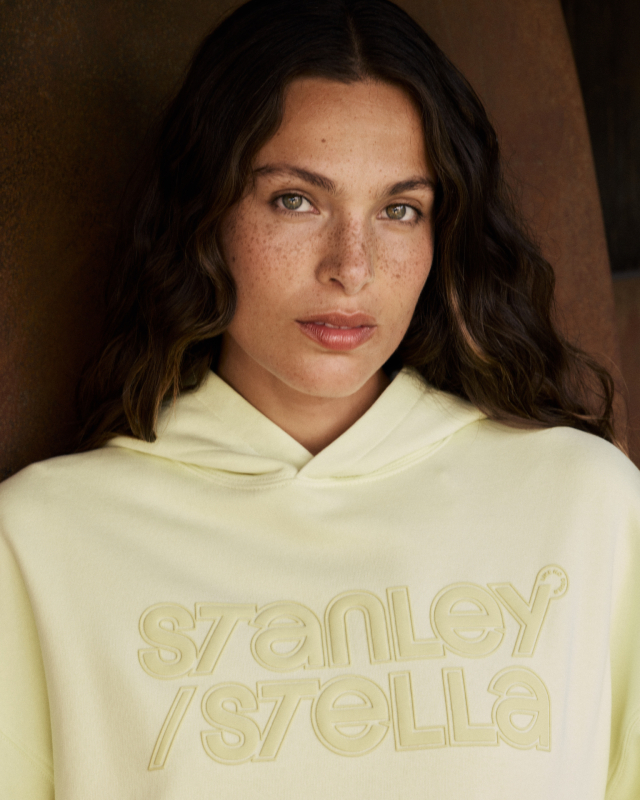
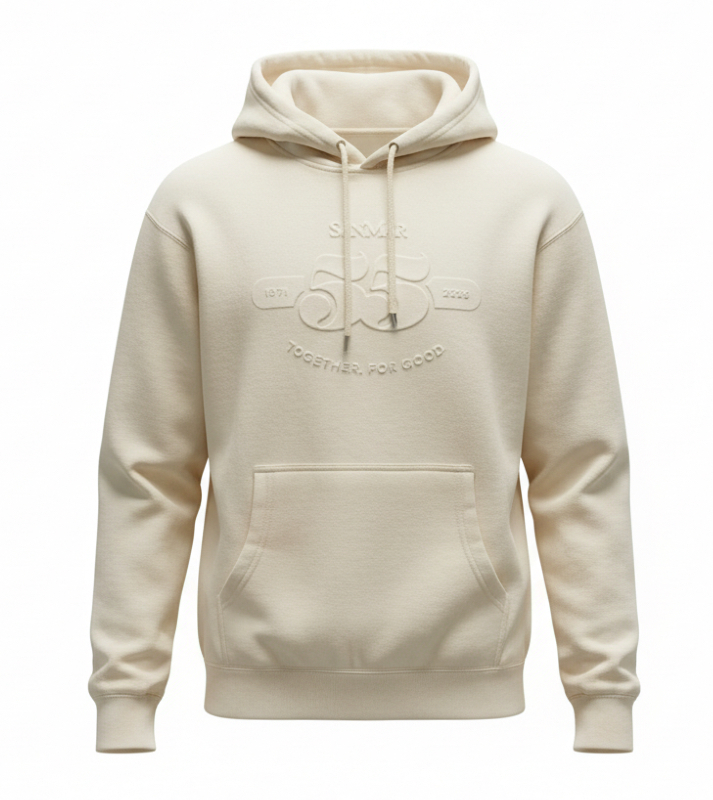
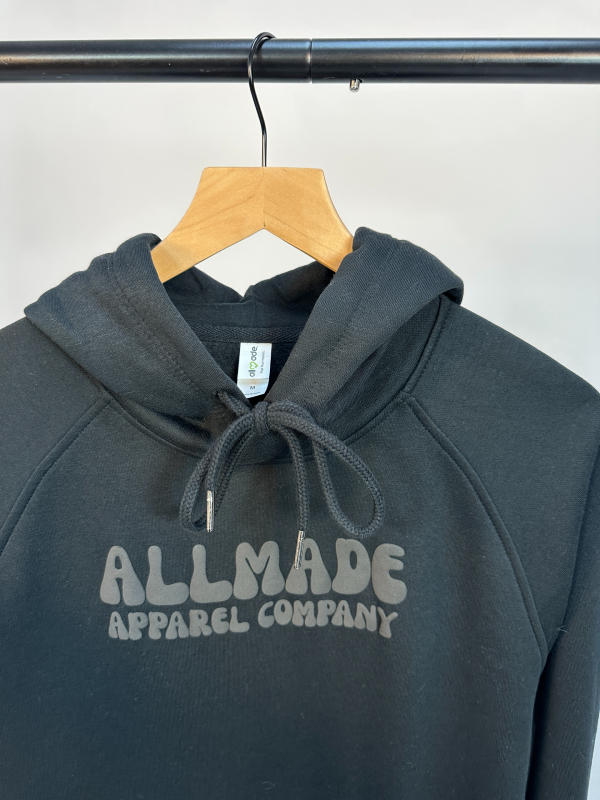
Céline Dufour, head of decoration – print for Stanley/Stella, says the company has heavily leaned into tone-on-tone printing, adding depth and dimension to the approach through high-density screen-printing inks and reversed puff embroidery.
“Subtlety doesn’t only come from complex techniques,” Dufour continues. “We can also achieve refined results with simpler methods, such as flocking. By finding the perfect flock color to match the base fabric, we can create a clean, elegant, and understated decorative effect.”
Looking at scalability, Lay says small left-chest prints, tone-on-tone water-based prints, and simple embroidery are easy techniques to scale. “We suggest elevating that simplicity with a puff additive or an embossed finish,” she shares. “These techniques will set your product apart and create a lasting impression.”
At Tyca, the team has been embossing for nearly 40 years, Pierce shares, so it’s more than familiar with the challenges it presents. It mitigates potential bottlenecks by controlling the entire process.
“We engrave our own metal plates in-house, so we own the process from start to finish and can control quality at every step,” Pierce explains. “We also have multiple embossing methods we can use depending on the material and artwork. The most challenging part of any project is usually upfront with evaluating the artwork, material, and decoration specs to determine what will translate cleanly. The easiest designs to scale are bold, simplified logos on stable materials, but once we dial in the right plate, pressure, and process, scaling production becomes very consistent and repeatable.”
Fabric is equally important. It’s the foundation for any successful branded apparel item.
Simsolo says fabrics like combed ring-spun cotton, soft tri-blends, and CVC cotton/polyester blends work well for understated branding, allowing small design elements to “feel intentional and premium, rather than competing with the garment.”
With that, fit and construction also matter. Flattering silhouettes and thoughtful product design details don’t go unchecked by garment manufacturers. Details like interior labels, reinforced hems, and clean seams all ensure a clean canvas for subtle branding, Simsolo adds.
Quietly branded promo apparel reshapes the role apparel plays within broader marketing efforts. “These pieces support long-term brand building by aligning values, aesthetics, and quality, rather than serving as short-term impressions,” Lay explains.
With minimalist branding, promo apparel integrates more seamlessly into campaigns, internal initiatives, and cross-collaboration. “It’s less about immediate visibility and more about building a cohesive narrative across all brand interactions,” Simsolo says.
That shift moves promo away from one-time visibility and toward sustained brand value. All this to say, quiet branding is more than a trend. It reflects a shift toward sustainability, wearability, impact, and brand affinity.
“Subtle branding aligns with those priorities and encourages longer wear, reduces waste, and creates more meaningful connections,” Lay says. “That mindset isn’t going away.”
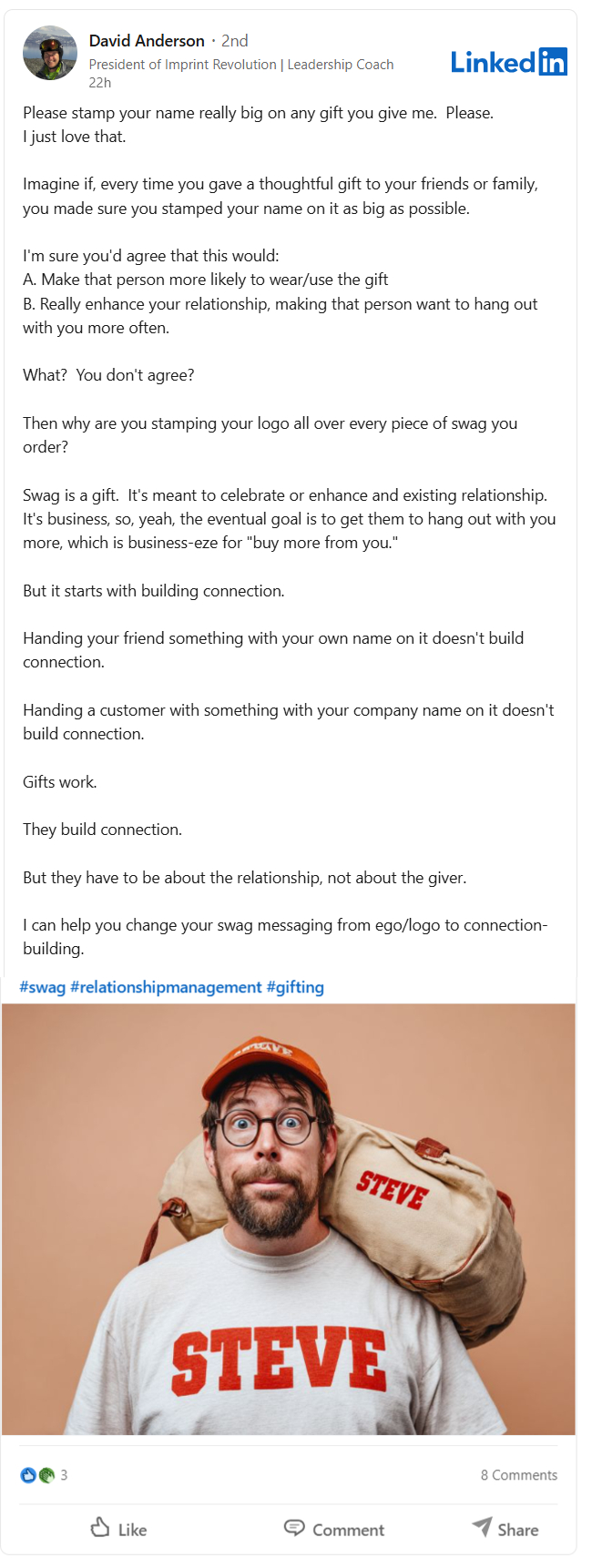
David Anderson, president of Imprint Revolution, takes to LinkedIn to share his insights on the power of connection-building rather than leading with ego.
Does maximalism have a place in promo?
While most orders remain logo-forward, some verticals demand more.