
How to Create Branded Apparel People Actually Want to Wear
Wondering how to guide clients away from generic design choices, or why you should care? Experts who know branded apparel chime in on the why and how.
There’s no question a logo on a shirt or hat gets impressions — 5,053 and 3,380 to be exact, according to ASI’s 2023 Ad Impressions Study. While many brands and businesses still opt for a logo-only design, some have stepped outside the box to better reflect their brand or maximize impact.
Design-forward branded apparel allows onlookers, wearers, and supporters to engage with a brand or company in a memorable way. It tells a story and can easily turn from a one-wear wonder to a closet staple.
To help decorators understand what makes promotional apparel great, how to guide clients away from boring designs, and how creative choices can change the game, experts weigh in on the topic.
So, what makes for well-executed promotional apparel? We all know it when we see it — the local coffee shop that has a creamy white T-shirt with a fun and funky design, maybe something with pops of color, or even a clean tone-on-tone look. It’s that garment you’d buy at your favorite retail store, but it just happens to be merch for your go-to brand, band, or even your 9-5.
Dane Clement, vice president of art and creative process, GroupeSTAHL, hits the nail on the head, saying, “It should be something someone wants to wear. Something that not only displays your name but is appealing and attracts the consumer. A regular T-shirt with a standard company logo printed on the left chest or full front is great, but it probably won’t get worn regularly out in public — if at all.”
Wacław Mostowski, chief revenue officer and co-founder at Antigro Designer, adds that well-executed promotional apparel is individualized, creating a design with impact that’s tailored to a specific event, campaign, or team.
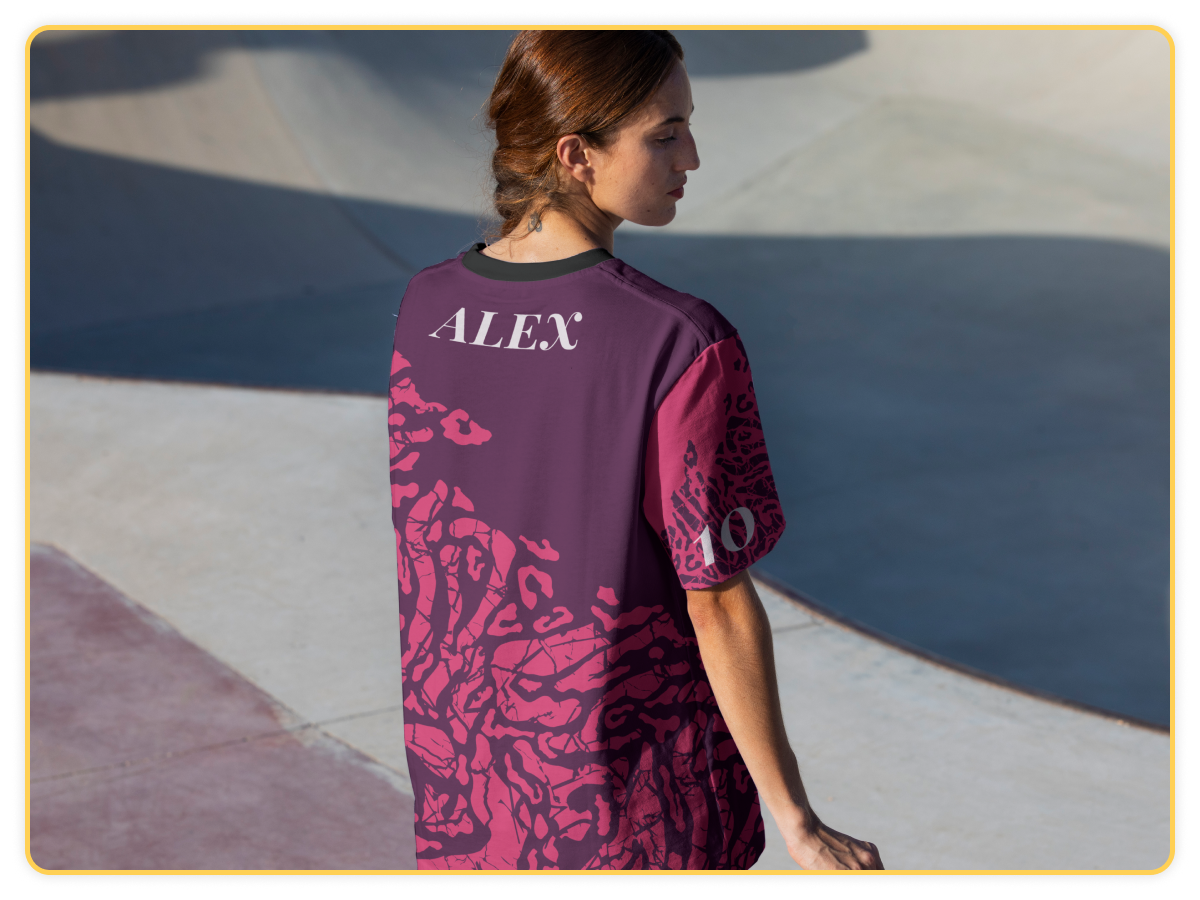
Credit: Antigro Designer
“This is where thoughtful design comes into play,” Mostowski explains. “The strongest designs balance creativity with brand consistency, using bold visuals, campaign messaging, or even interactive elements like QR codes linking to exclusive content.”
Creating interactive brand experiences through decoration, personalization, and customization “can turn promotional apparel from a giveaway item into a wearable,” Mostowski adds.
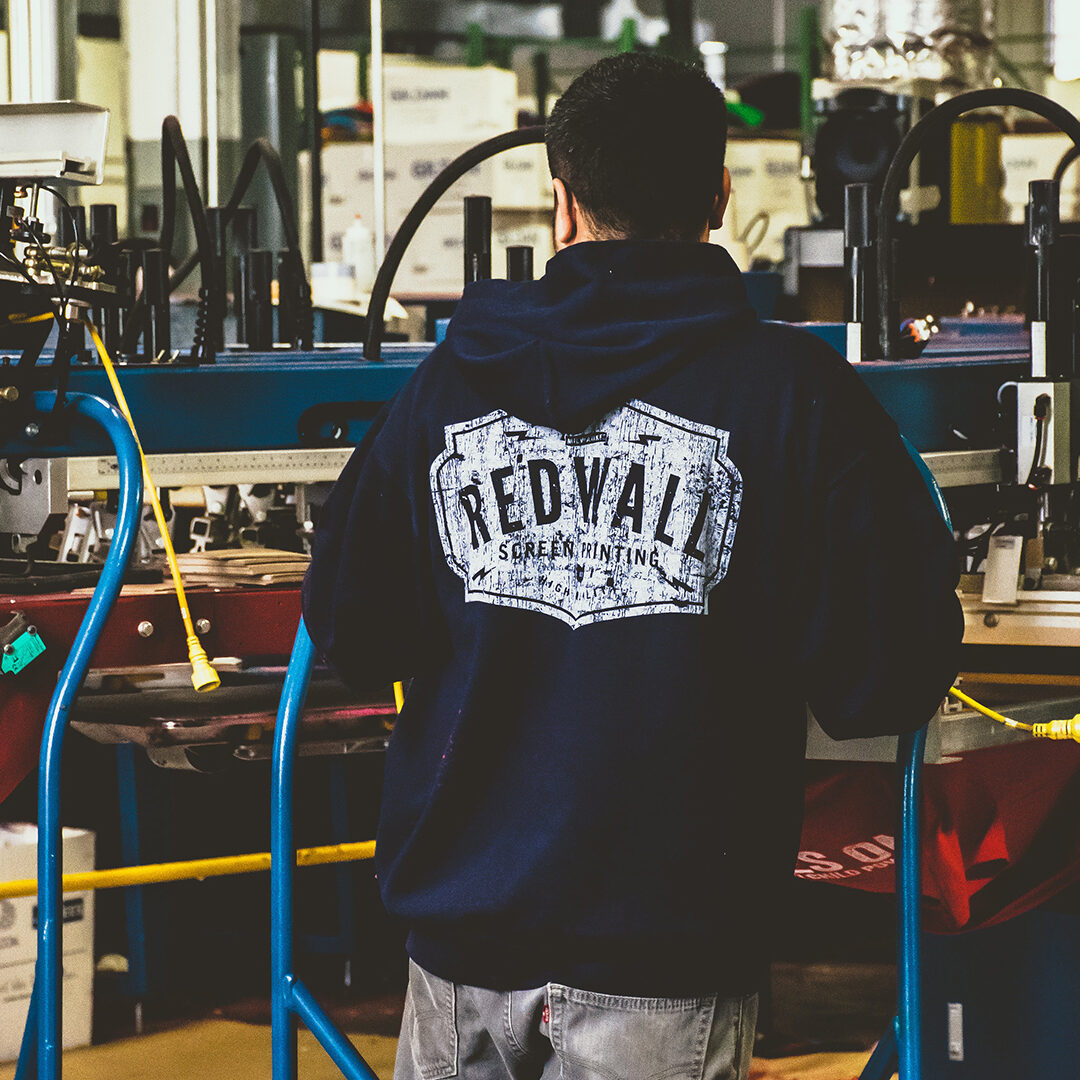
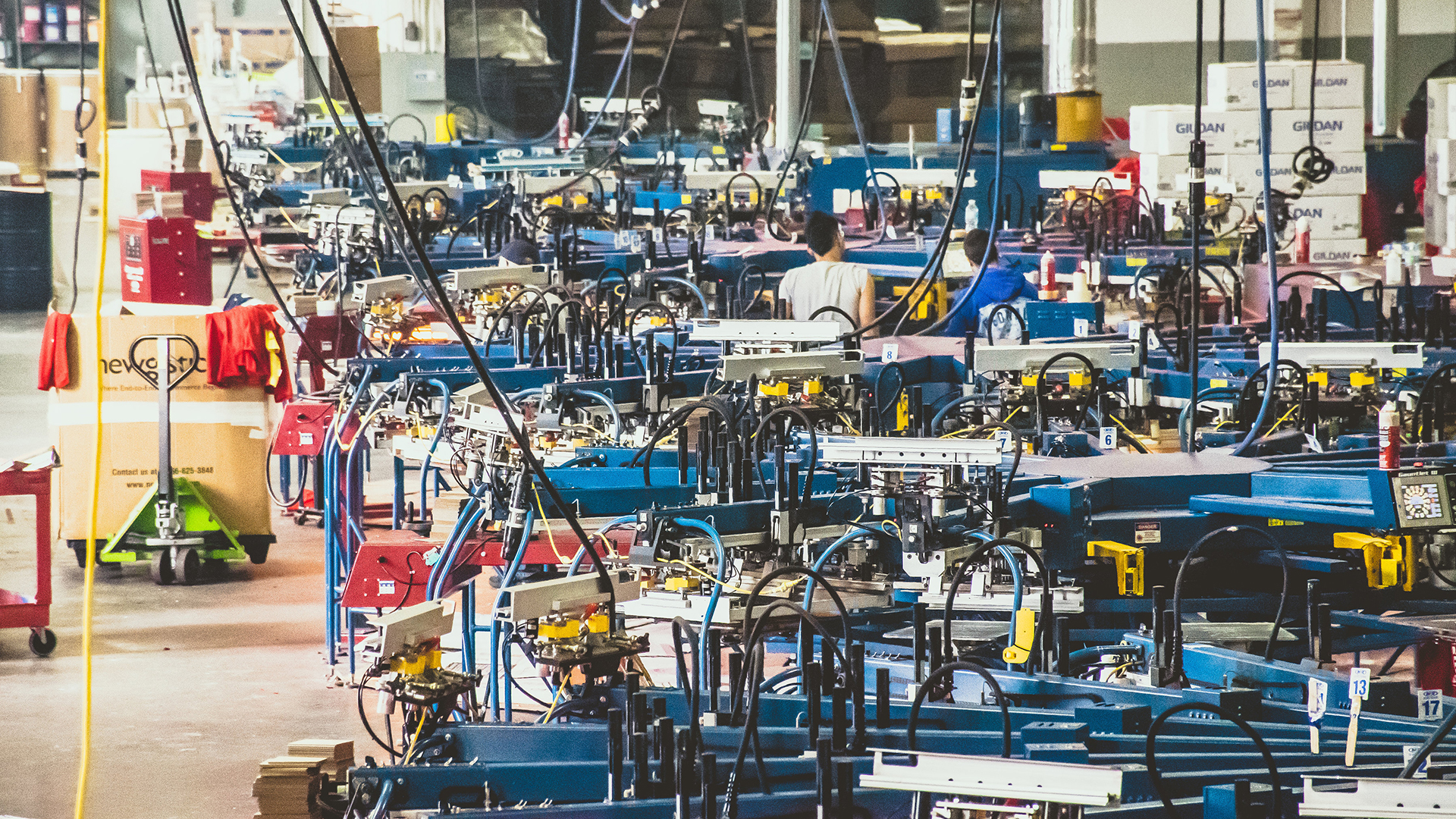
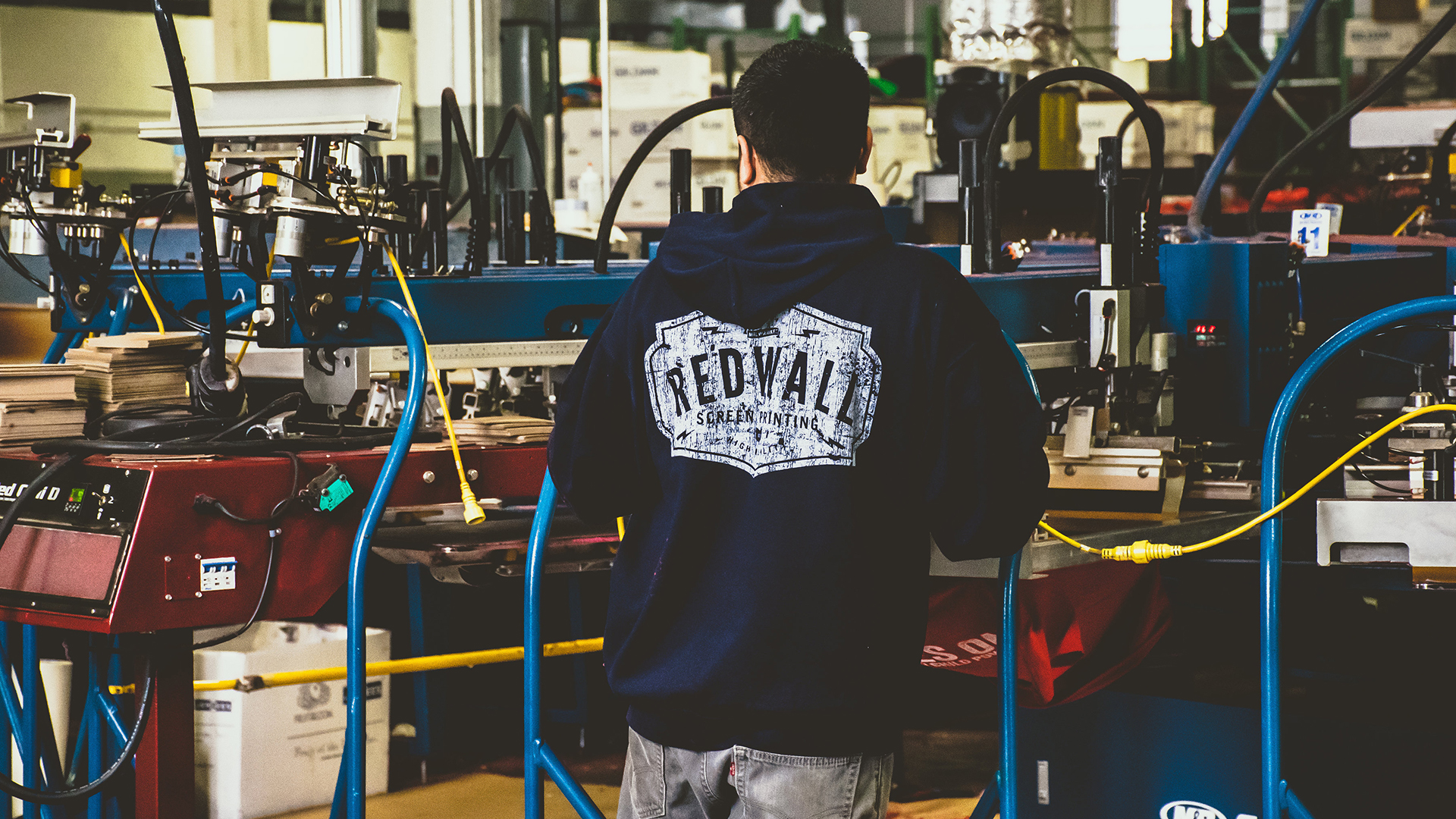
Jeff Meilander, owner at Wisconsin-based screen-printing shop Redwall LLC, agrees, saying a great promotional T-shirt is one the recipient, owner, or buyer wants to wear, which maximizes exposure to new audiences.
“A great T-shirt can spark a conversation that can help spread the word about a brand, band, team, or any other concept,” he says. “This is done by combining not only great artwork but also great apparel.”
While he says budgets need to be respected, spending some extra cash on great design and the garment can translate to more wears, and ultimately, that’s the goal with branded apparel. “The more it's worn, the higher your potential advertising return on investment, so don't skimp on the shirts or the design,” he advises. “People rarely say that their favorite shirt is the one-color left-chest print on a basic 20-singles T.”
From considering unique placements and sizing to educating clients on the long-term value of creative, brand-relevant design options, there are some steps and strategies to try out.
Clement suggests:
- Oversized layouts (over shoulders)
- Unique colors
- Slogans
- Patterns
- Icons
- Decoration trends (upside down text, retro and distressed, hand drawn, nature-inspired, artsy and abstract)
“Design for the audience — think of things that make the customer relate or connect with the brand and emphasize that,” he adds.
You also want to ensure the design makes sense for the item. “Oftentimes, we see a client that just wants to take their logo and slap it on everything without changing things up to account for the garment or item being used,” Meilander says. “This can lead to designs that don't wear nicely or look appropriate for the substrate. Taking the time to create for what you're printing on can really separate the mediocre from the supreme.”
He also suggests trying out discharge or water-based inks for a soft hand feel and specialty effects like metallic, glow, foil, or puff.
Additionally, don't be afraid to suggest trending styles. The oversized, boxier T-shirt continues to have its moment, and paired with the right graphics, it’ll be one to wear.
The client doesn’t know what they don’t know. Jump in and speak up when you see super generic or disconnected designs. “If this happens, and we see an opportunity to gently suggest something to enhance the design or garment being used, we will simply ask if they would consider some alternative options,” says Meilander.
You’re the expert, and you want their campaign or promotion to be successful so they keep coming back. Often, they either don’t know or don’t have the confidence to ask, Meilander says. “In these instances, the customer is almost always thrilled to have us chime in and share our expertise to help them create a better product,” he adds.
It might take some time and effort to identify the brand's ethos and the feeling they want to create with their audience, but Clement says it can create more perceived value – both for the client and the end-wearer.
According to Mostowski, generic designs happen when customization options constrain the creative process. Sometimes, customization platforms only allow for a single upload, the templates are limited, or buyers simply have brand guidelines to work around.
Taking Notes from Retail
Want to spark some creative inspiration? Apparel decorators can take notes from retail brands and merch launches doing design well.
According to Jeff Meilander, owner, Redwall LLC, "Retail often involves alternative forms of printing, like water-based, discharge, special effects, and high solids acrylic. Mastering multiple forms of decoration methods and knowing when to use them can really help to expand your offering and keep customers happy and coming back for more. While many of our customers stick with the basics, they know what we can do and feel confident in our ability to produce something out of the box when the need arises."
The North Face
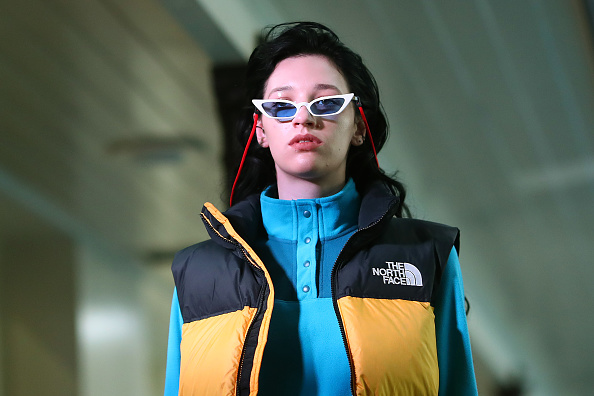
One iconic example of a unique and memorable logo placement is The North Face. Its logo sits on the back shoulder, which makes it subtle yet recognizable, Dane Clement, GroupeSTAHL, says.
While the logo is simple, the placement doesn’t have to be. Shoulders, cuffs, nape of the neck — get creative.
Credit: Getty Images by Kelly Defina / Stringer
SXSW
At SXSW, you can expect anything but basic. It’s a music and arts festival, so the creativity shines through in everything — merch included. When it comes to apparel, the abstract, artsy feel and bold look works here. From T-shirts with pops of color to board shorts with an all-over print, every item makes sense for its audience.
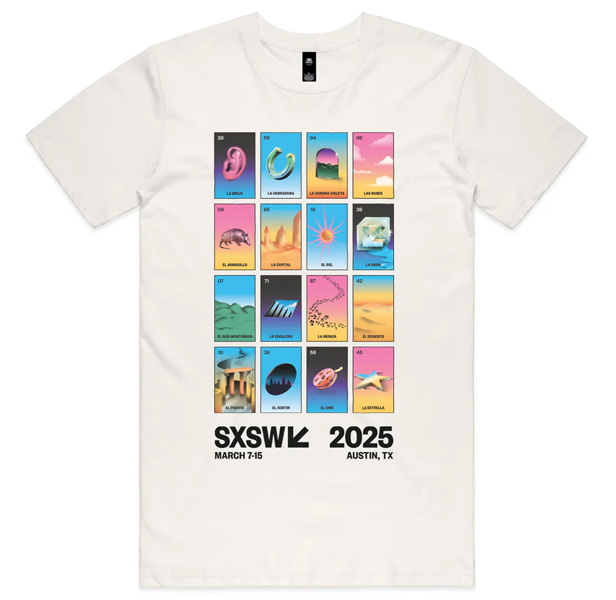
Check out the merch here: Four Merch Takeaways From South by Southwest | Credit: SXSW
For shops with automated order intake, personalization platforms, like Antigro Designer, can make the design process more accessible, allowing buyers creative freedom to adjust text, images, and other brand elements. Having editable templates means they can step outside the left-chest box and see what’s possible.
Now, this brings up the power of mockups. When clients see a visual representation of what’s possible with design, there’s a good chance they’ll opt for the more creative option.
“Mock-ups and visualization tools are the secret weapon when it comes to helping decorators and customers explore more dynamic design options,” Mostowski says. “Seeing a design brought to life on a real product, not just a flat graphic, gives customers the confidence to play around with layouts, colors, and branding.”
It takes out any guesswork on the client’s end, and they can see how their design, logo, or slogan will appear in a unique font, placement, color, or paired with a fun graphic. Mockups help make “bold ideas less of gamble,” he adds. This not only steers clients away from generic designs but enhances their experience with you as a provider — showcasing your knowledge around trends and impact.
Another approach to help clients understand the value of investing in good design work is discussing the concept of cost per impression, Meilander says. When thinking of it as the cost incurred to have a brand seen by others, the more eyes on it, the better. The client may just have to pay $7 per shirt instead of $5.
“Do you want a shirt with your logo on it to stay in the closet or be worn in public often?” he poses. “Spending the extra [money] can ensure that your branded shirt doesn't just end up washing the car.”
Once you have clients on board with a more creative approach, magic can happen.
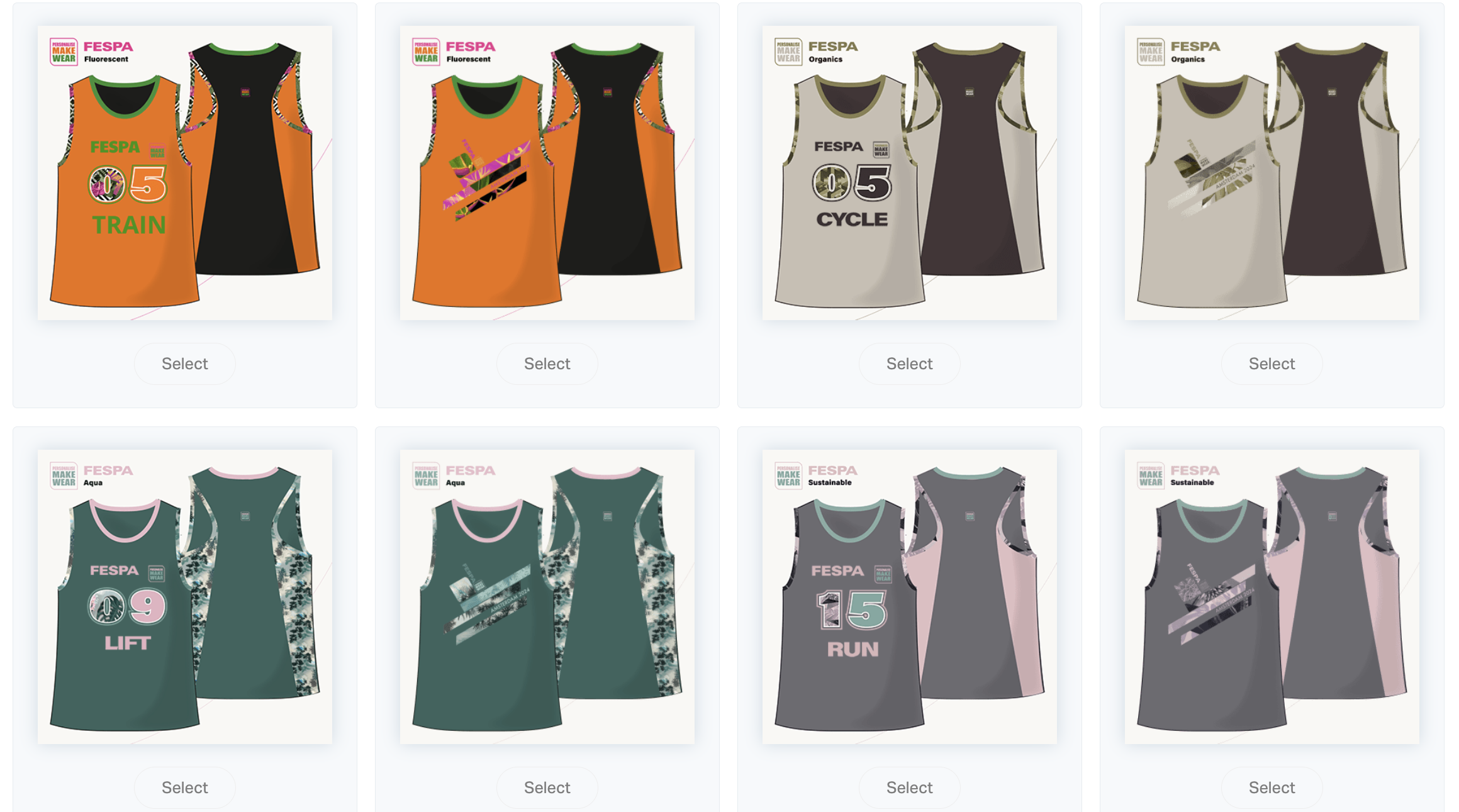
When made with intention, branded apparel can have real value. Promotional apparel that goes beyond a logo will get more wear for longer, which means more impressions, even deeper brand recognition, and a win for sustainability.
“A high-value piece of apparel reflects a high-value brand,” Meilander says. “Higher-end blanks, good artwork, specialty printing, and custom add-ons like clamp labels and custom neck labels will increase the perceived value of the end product, which in turn raises the perceived value of the brand involved. You want your brand to be perceived as the best in your industry, so why not ensure that your branded apparel reflects that desire? People will appreciate it, and your brand's recognition and perceived value will benefit.”
With this in mind, take time to understand your client’s audience — what do they do; where do they work, live, and play; what’s the brand’s market and mission? All this plays into the experience they want to create for the wearer and how the brand is perceived. That perception can be communicated through better design choices.