
How Apparel and Wide-Format Come Together in a One-Partner Print Shop
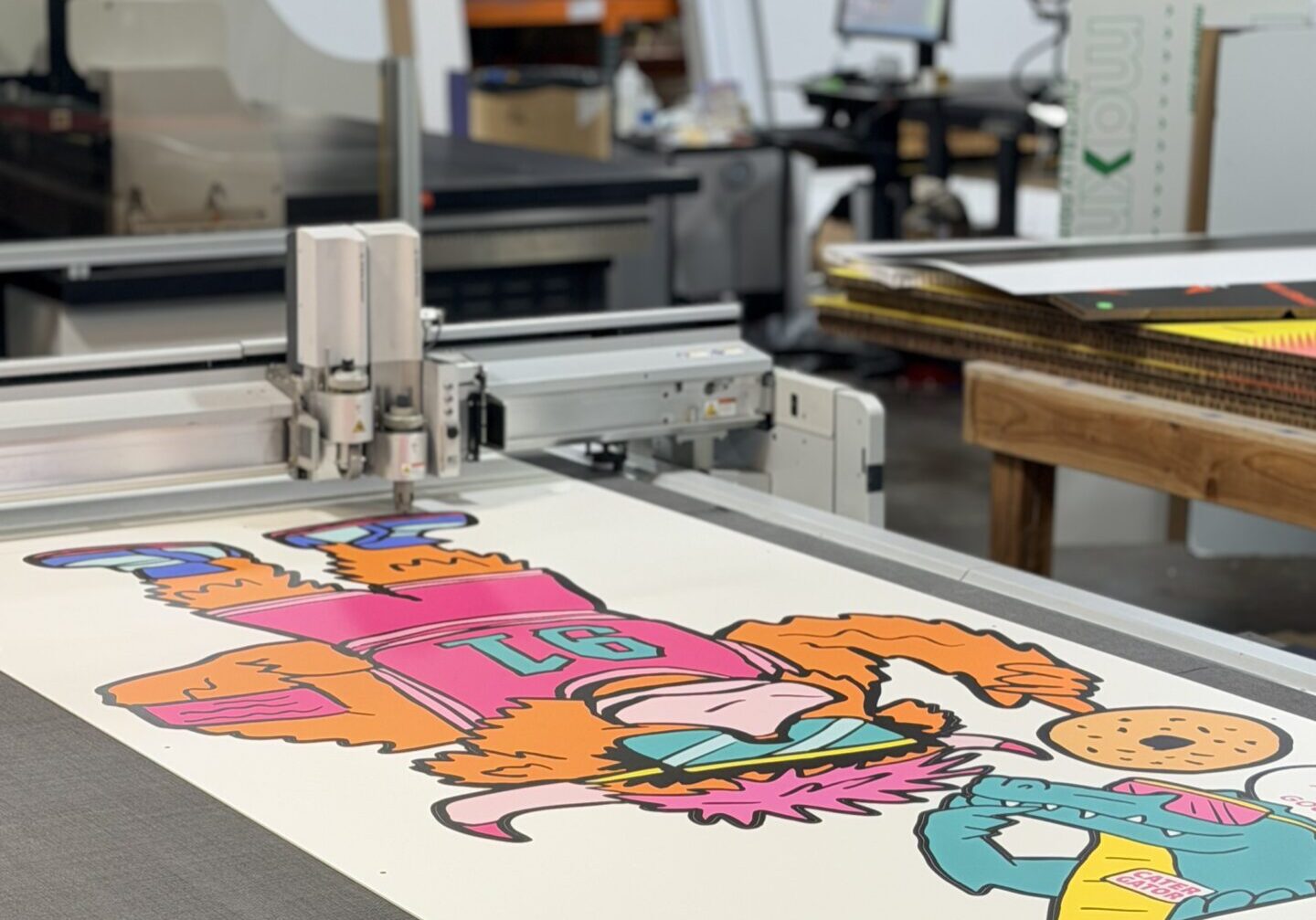
Print buyers want a single touchpoint for apparel and graphic needs. Understand the case for convergence and how print businesses are combining apparel and wide-format offerings to become true one-stop partners for their clients.
Customers don’t think in print categories, so shops can’t either. Customers bring you one brand identity and want to see it applied across apparel and wide-format products like T-shirts, stickers, and signage.
That shift in customer expectations is driving convergence across print segments. Traditionally, customers would have to split the project across vendors. As more print shops embrace convergence — expanding methods beyond their core business to bring print segments together — they’re becoming the one solution their clients want. This not only brings a more seamless and convenient experience to the customer but also presents growth opportunities for print shops.
For many apparel decorators, bringing wide-format processes in-house is a logical next step.
The Apparel and Wide-Format Connection
To highlight the power of convergence, we chatted with two print businesses that have been through it, making a case for why apparel and wide-format printing just make sense together.
Over the last nine years, One Hundred Designs has continually expanded its list of offerings in response to customer inquiries.
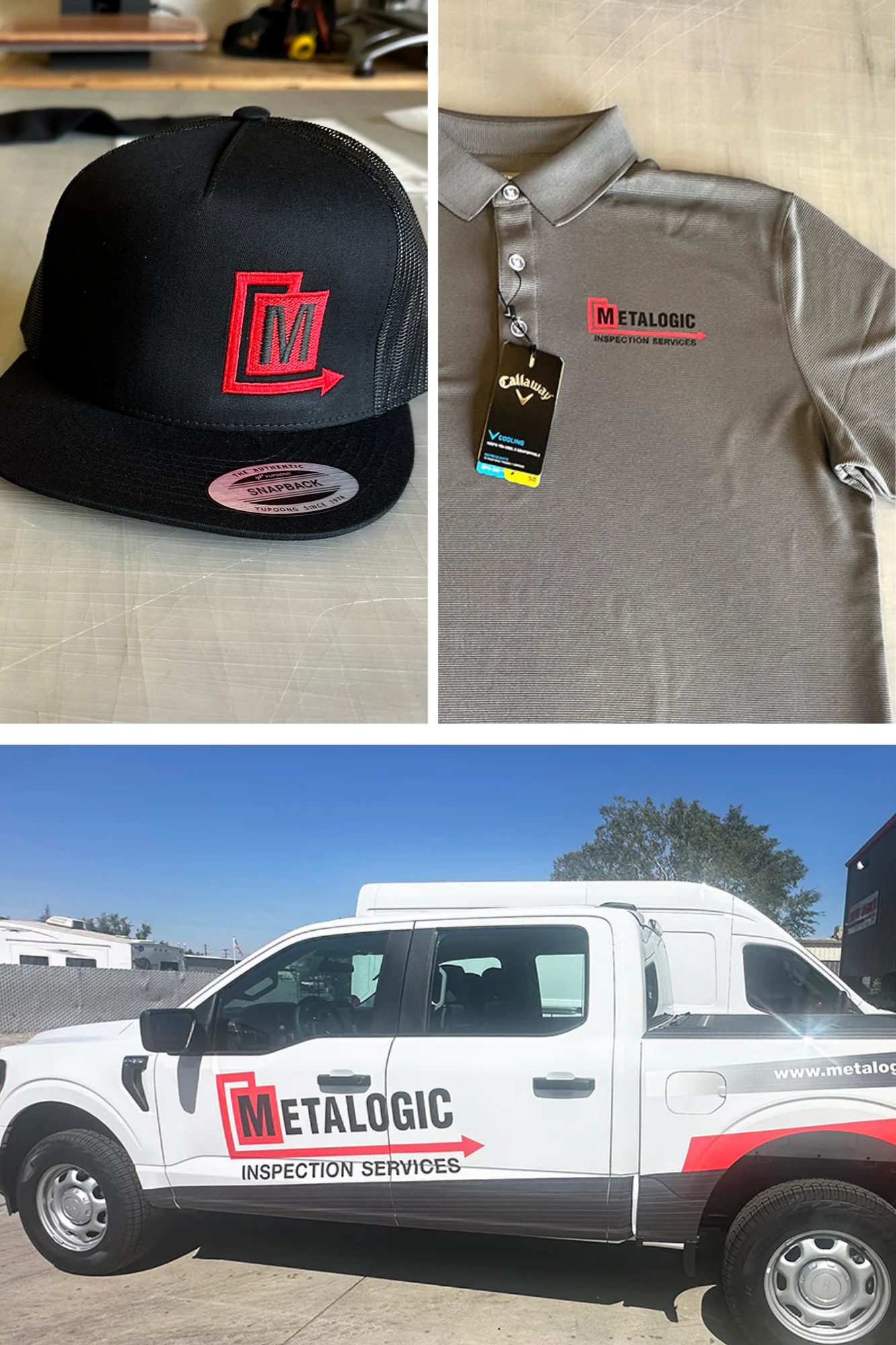
“Our company started with wide-format printing, mainly fleet vehicle and equipment graphics, along with safety signage/decals for these companies,” explains Justin Reese, owner and president of One Hundred Designs. “Our customers continually asked us for apparel to kind of create a one-stop shop to simplify the process and keep them from having to deal with multiple vendors.”
Premier Press, a Portland, Oregon-based creative production company with roots in commercial print, has also seen and embraced this shift.
“Premier started as a traditional commercial printer,” says Chris Feryn, president of Premier Press, a PRINTING United Alliance member. “We moved into wide-format in the early 2000s because we could see our customers already buying signage elsewhere — and we believed digital print was only going to keep growing. Wide-format let us produce signage and some short-run work that had historically been offset.”
Then came its “big move into apparel” in 2021. Yet again, it was client-led.
“An enterprise client gave us the opportunity to take over their apparel program, and we won it largely on the trust we’d built, plus, the strength of our creative team," Feryn explains. "We also knew the demand was there because we were already warehousing and distributing a lot of client-supplied apparel.”
While their paths to convergence looked different, both companies leaned into the same truth: Customers increasingly expect print providers to support multiple branded applications under one roof. Looking more closely at what convergence looks like in the day-to-day, Reese and Feryn share some insight.
One Order, Multiple Outputs
When apparel and wide-format applications converge in a single order, there are some standout products clients typically request together.
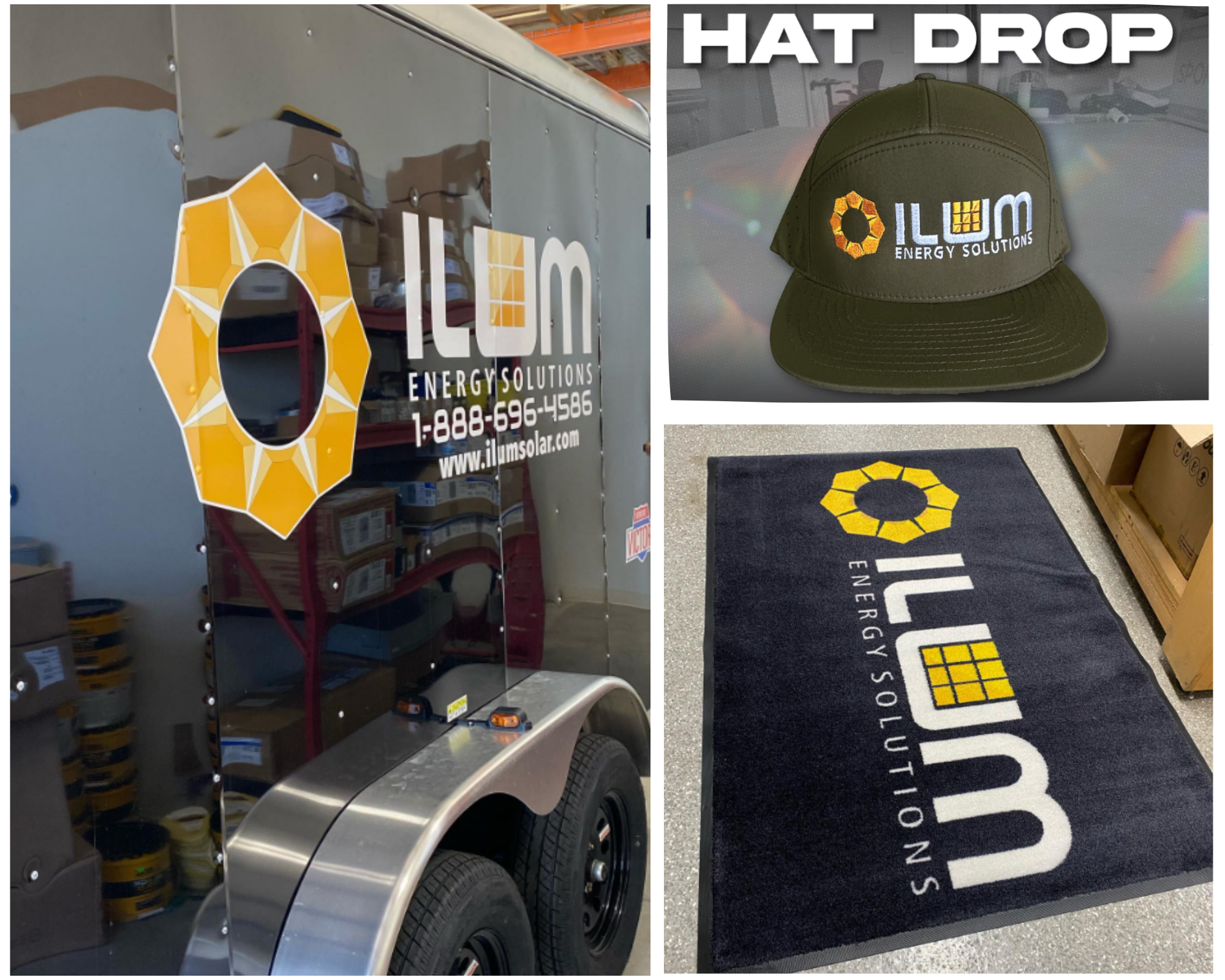
At One Hundred Designs, custom embroidered and patch hats, screen printed apparel, safety apparel, company car decals, building signs, and business cards are the most bundled items across client projects.
Wide-Format's Natural Fit with Apparel
For apparel decorators exploring wide-format, the best entry points are the products that already align with existing customer orders and artwork. These could be:
- Stickers and Decals: A crossover product that pairs well with apparel orders for promotions, packaging, events, and brand launches.
- Vinyl Banners: A fit for schools, sports teams, and events where customers often need both apparel and signage.
- Yard Signs: Useful for campaigns, fundraisers, contractors, and local events.
- Window and Vehicle Graphics: For small businesses, decals and graphics help extend branding beyond uniforms and apparel.
- Event Graphics: Table covers, backdrops, and signage complement company apparel for trade shows, pop-ups, and corporate events.
For many shops, expanding into wide-format starts with identifying adjacent products customers are already requesting or buying from other vendors. You can either make an equipment investment and bring it in-house or test it out by tapping an outsource partner.
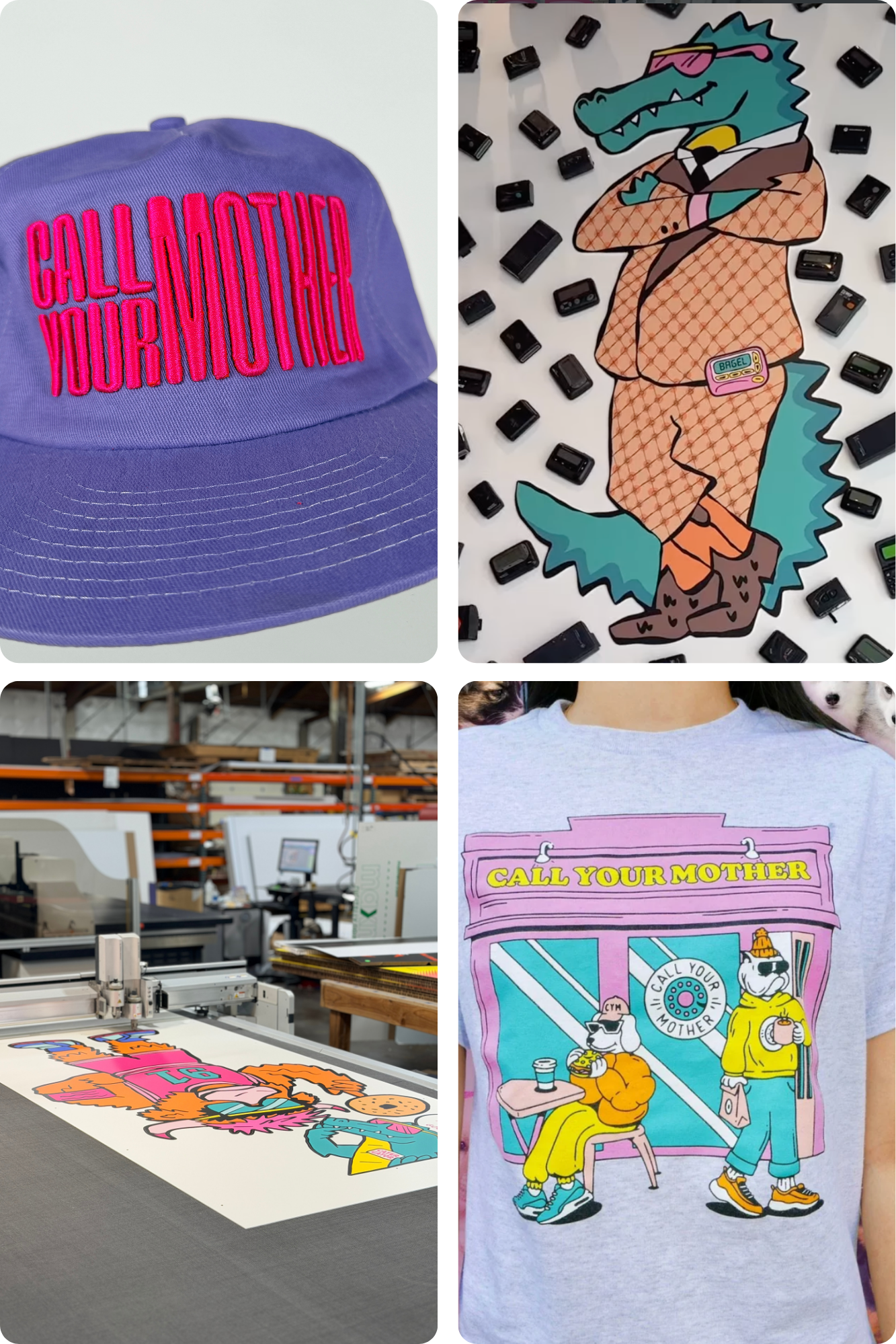
“We have tried to focus on simplifying the process for the customer all while offering them a ‘business starter kit’ of some sort,” Reese explains. That mindset highlights the value of being that one-stop shop for clients. It also shows how print shops can act as advisors and consultants, especially for new businesses trying to establish a brand presence.
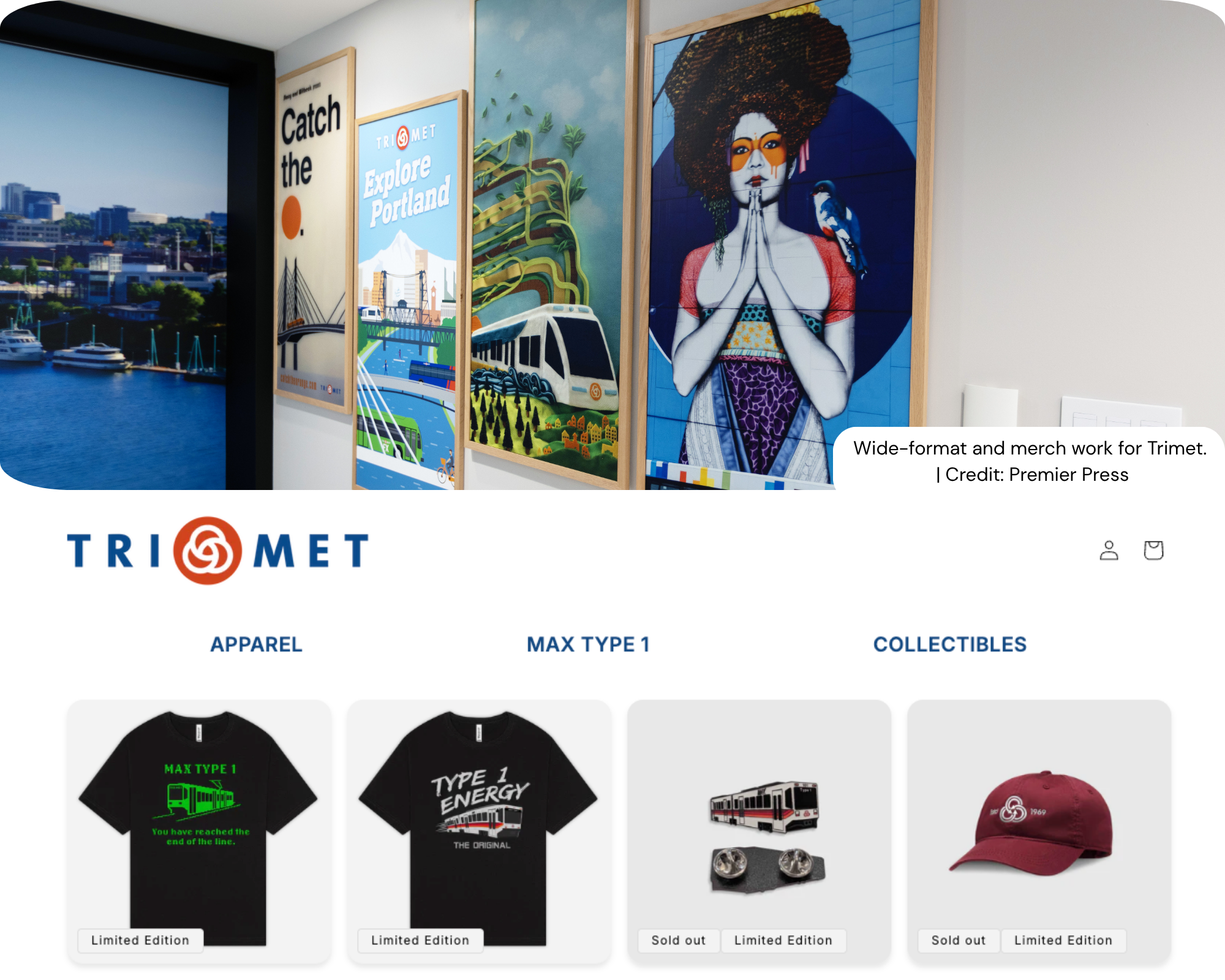
At Premier Press, the company sees apparel and wide-format jobs come together most often in its enterprise programs, Feryn shares.
"A typical path is starting with something like a quarterly signage rollout across multiple locations, and then it grows into an ongoing apparel program, too,” Feryn explains. “The reason is pretty simple: Clients want one partner for print, signage, and apparel — ideally through a single website where they can order across product lines. When you can pair that with creative, it’s even more valuable. They’re not just buying products. They’re buying consistency — color, brand standards, timelines, and fulfillment — all managed in one place.”
Leading the Customer Conversation
So, who’s leading the charge on this? Do you let your customers come to you with requests, or do you lead them there as the expert? The shops finding success are creating opportunities from both directions.
“Some customers have this conversation with us, especially if they’ve had difficult transactions with other companies, and they know what items they are looking to have made for them,” Reese says. “Usually, these types of customers come in prepared and know exactly what they want. We do, however, lead a lot of new startup companies down this path to try and help take a little stress off their plate while trying to get their new business venture up and rolling.”
Feryn agrees, saying it takes “a bit of both” to find success in the apparel-wide-format convergence story.
"When you position yourself as a creative production partner — not just a transactional vendor — these opportunities show up naturally,” Feryn argues. “The conversation shifts from, ‘Can you produce this?’ to ‘How do we bring this campaign to life across everything people see, wear, and experience?’”
Similar to what Reese outlines, Feryn notes that these conversations can look different for new clients versus existing ones. For new clients, the Premier Press team leads with its PREMIER360 platform, which lets customers manage all their print, wide-format, and apparel needs all in one place. “That story has landed even better since we brought apparel decoration in-house — because now we can truly produce across all three categories,” Feryn says.
THE THIRD LAYER: PROMOTIONAL PRODUCTS
Where do promo products fit into the mix when you’re producing apparel and wide-format for a client?
Chris Feryn, Premier Press: Promotional products are a critical part of the ecosystem because they extend the brand experience beyond apparel and environmental graphics into everyday touchpoints.
As we expanded our capabilities, we also acquired two promotional merchandise companies to strengthen that side of the business and create a more complete offering for clients. It wasn’t just about adding more items. It was about building deeper infrastructure around sourcing, kitting, fulfillment, and distribution.
Today, promo products are integrated into many of the same campaigns that include apparel and wide-format. A brand launch might require apparel, signage, packaging, branded kits, giveaways, drinkware, onboarding materials, event collateral — and fulfillment support that ties it all together.
Ultimately, the convergence of apparel, wide-format, and promotional products reflects a bigger shift in the industry: Customers don’t think in silos — they think in brand experiences. The shops positioned for long-term growth are the ones building their systems, teams, and strategies around that reality.
For its existing clients, it’s about repetition and introducing offerings based on use case, he adds. “Sometimes they still think of us as ‘their print vendor’ or ‘their wide-format vendor,’ and it takes time to expand that perception. But over the last couple of years, we’ve had solid success cross-selling apparel into our installed base.”
But bringing multiple print disciplines together isn’t just a sales strategy — it changes workflows, staffing, and how shops approach customer service. For those in apparel, these same thought processes can be applied when shops start to bring wide-format applications into the fold, like stickers or small-format signage. In addition to the benefit of being your customer's single touchpoint for print needs, adding wide-format can change an apparel decoration shop’s average order size.
“Most of our customers will place a couple larger orders throughout the year and get all the items they need at once, rather than sending in multiple small orders and risking the chance of forgetting certain items,” Reese notes.
“When a client can run apparel, signage, and other branded materials through one partner, it cuts down on back-and-forth, simplifies approvals, and makes fulfillment smoother," Feryn confirms. "For us, most of the expansion we’ve seen inside existing accounts has come from the apparel side.”
Operational Realities
While the benefits are obvious, bringing on new capabilities and offerings changes how things look in-house — whether you’re actually doing the work yourself or outsourcing.
“Operationally, apparel and wide-format are very different animals — estimating, production cycles, file requirements, finishing, and sometimes even installation,” Feryn notes. “If you don’t have the right systems, it’s easy to create bottlenecks. We ended up using different ERP systems to support each workflow, and our IT team is building integrations between them where it makes sense.”
At One Hundred Designs, Reese says offering a wide variety of products requires significant operational adjustments. While orders take a similar path upfront — establishing the customer, providing a quote, and getting approval — design is where things really start to change.
“Our designers must be able to distinguish which method of designing they must utilize to complete the specific order,” he explains. “Whether they are setting up for wide-format, creating screen separation for our screen-printing department, or creating a patch or embroidery file for hat/apparel decoration, etc. We really focus on every member of our team being knowledgeable in all departments to a certain extent. This really helps bridge communication between all the departments and keeps the production process heading towards completion in a positive direction.”
Feryn also adds that operational changes as large as adding new production capabilities changes how you build and run your team.
“Cross-training helps because it creates flexibility and gives people a better view of the full customer journey,” he explains. “It also makes it easier to handle surges when one product line spikes. And for sales teams, understanding both apparel and wide-format is huge — it helps them spot broader opportunities. That said, you still need specialists. In our case, building a strong apparel operation was driven in a big way by the expertise we gained through acquiring two companies in that space.”
Advice for Expansion
For shops considering expansion, both Reese and Feryn stress that convergence only works when growth is intentional. Here are three mistakes you want to avoid:
- Forcing growth: Taking on new capabilities too quickly or just because you want to be the biggest shop in town is the wrong way to approach it. “You should be growing/diversifying because of the relationships you have developed with the customers over time, or the positive reputation that you have worked very hard to build. When your loyal customers continue to ask for more products from you, that is a positive sign to diversify," Reese says.
- Underestimating complexity: Minimizing the people side and the technology side of expansion can stifle you. You must have “the right expertise to run the new capability” and the “systems that actually integrate it into your daily workflow” to succeed. “Those are what make the work repeatable, especially when the new product line behaves very differently from what you already do," Feryn says.
- Ignoring differentiation: Feryn also tells shops to hone in on their value proposition. “The market is already full of suppliers, so you need to know why you’ll be better or different. Simply buying an embroidery or screen-printing machine doesn’t automatically make you competitive — your differentiation and message should be defined upfront,” Feryn says.
While in-house might ultimately be the goal when it comes to bringing on wide-format capabilities and offerings, Reese is a big believer in outsourcing first.
“I firmly believe that most shops looking to expand should try outsourcing these items for a long enough period of time to be able to gather enough data to do an honest assessment of costs vs. profit,” he advises. “I know when our company has looked to expand, we factor in everything:
- Cost of hiring employees to run the new department
- Cost of machinery and supplies needed to start operating
- Target profit margins
- Utility costs associated with new equipment
- Volume of work in this department we have completed over the evaluation period, and if that justifies the expansion."
As customer expectations continue to evolve, the line between apparel decoration and wide-format printing is becoming less defined. Whether shops bring those capabilities in-house or build strategic outsourcing partnerships first, convergence is about creating a smoother, more connected experience for the customer and opening new opportunities for growth along the way. And wide-format offerings may be that golden ticket for apparel decorators.