
Experiential Selling in Decorated Apparel
How to turn live events into a solid revenue and marketing stream
While a certain segment of our industry focuses on marketing through their online presence, Google reviews, and pay-per-click strategies, some shops have found growth in marketing their company by creating experiences for potential customers.
This refers to the classic Maya Angelou quote, “People will forget what you said, people will forget what you did, but people will never forget how you made them feel.” When you surprise and delight people, they remember you.
While we see T-shirts being decorated daily and have long since grown accustomed to the process, the general public considers magic in what we do. Giving people access to that magic with live decorating quickly becomes good business — but only if you think things through and have solid processes and concepts behind the idea.
This article provides tips on how to make a live event impactful and profitable. We’ll cover cost assessment, getting organized, ROI analysis, and other ideas for building this idea out correctly.
Start with Why
Before loading up all your gear in a truck to take that magic out on the road, do yourself a favor and dig into why you want to do live event decoration. This might be stating the obvious, but you can decorate those garments in your shop a lot easier than underneath a tent in the middle of a parking lot or muddy field.
Sure, there is a notoriety of being there. But at the end of the day, this work has to be profitable, or it isn’t worth it. If you ask me, the “why” has to be about profit. It needs to be measurable and come pre-loaded with some goals in mind. It helps to have an hourly rate for what you want to make with your time and equipment.
When you are working on a live event, some chunks of time need to be in your calculation:
- Prep and organizational time. How much time will it take you to prepare everything?
- Travel time. Is the event 15 minutes away, or do you have to board a plane? Do you have guardrails for how far you’re willing to travel? Every minute you travel should be included in your cost.
- Setup time. After you get there, you need to set everything up for the event. How long will that take?
- Work time. Let’s say you are decorating at the event for four hours. That’s great, but your client asked you to stay another hour. Is that included?
- Takedown time. The party is over, and it’s time to pack up and head home. How long does that take?
- Travel time, but this time heading back to the shop. Again, this needs to be factored in.
I’ve simplified this, but these are some points to consider when looking into this type of work. Compounded with all the times listed above is the number of people going and what they make per hour.
Can you determine a dollar amount to use as a per-hour baseline to make this work profitable? What you charge in the shop and at a live location should not be the same.
Other Factors
Other factors to consider in your pricing calculation include hidden costs, such as travel expenses, fuel for vehicles, rental cars or trucks, booth fees, parking fees, insurance coverage, and wear and tear on your equipment.
Sometimes, venue restrictions, unexpected setup delays, and even the impact of slow audience traffic can cause problems. One thing you’ll find out about doing live events is that they are unpredictable. Try to be prepared and have a flexible mindset going in.

Mitigating Problems
If you can, be proactive and consider what could go wrong. Have a plan for that.
For example, what happens if you are live screen printing and you suddenly pop a screen by accident? Did you bring a backup?
Nothing is better than being prepared. If you book something over the phone, it pays to drive out and do a walkthrough. Take measurements. Look for the electrical outlets. Do you need internet? What might be a problem when the room is full of people?
A few days before heading to the event, try setting up everything you will use. If you can’t get things to work in your parking lot, you won’t be able to get it to work at the stadium, either.
Create a checklist on a clipboard and carry supplies, tools, and other items you may need in labeled totes. If you do this more than once, have a travel kit with everything you need instead of pulling apart a shop setup.
The Customer Side of Things
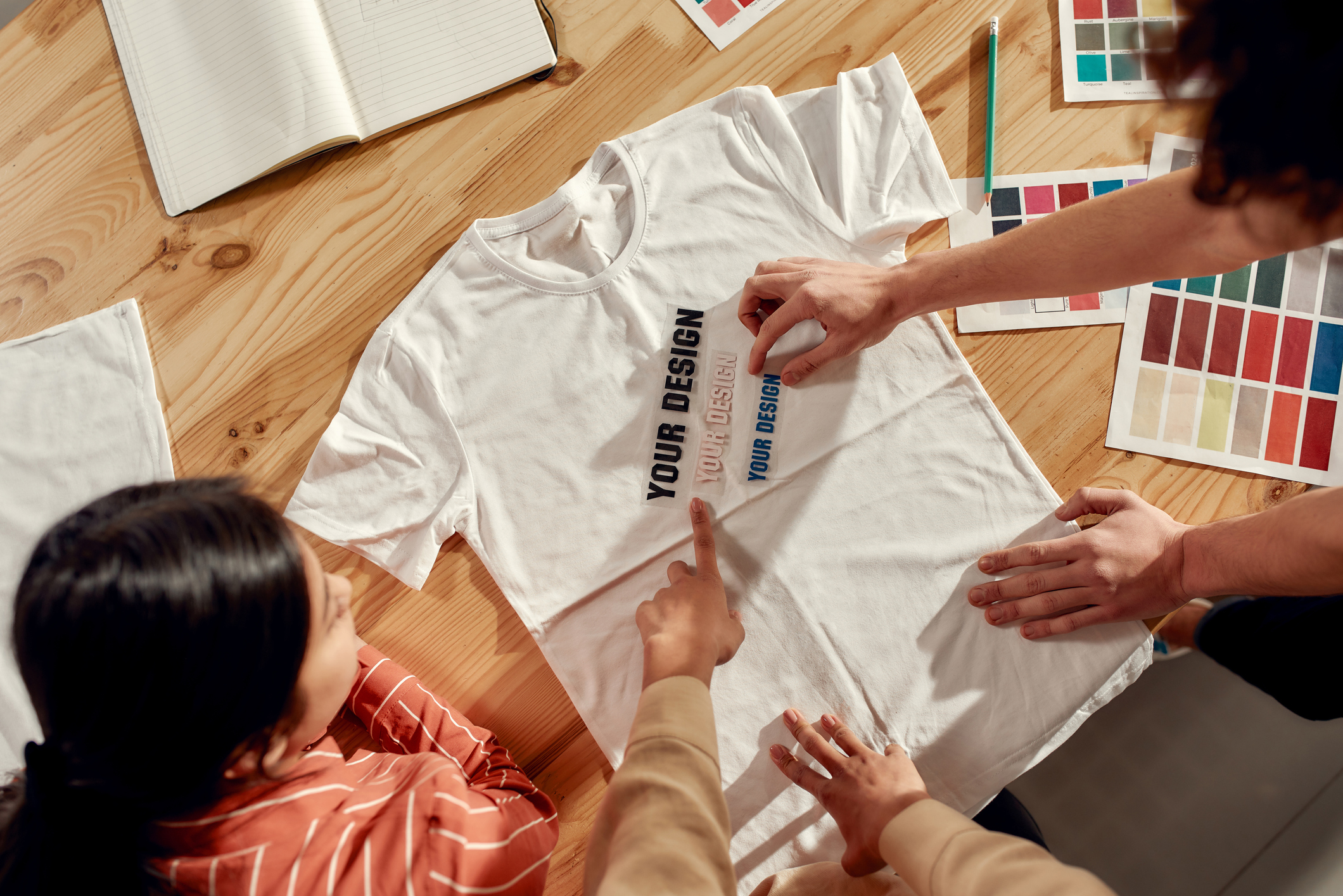
When creating a live decoration event experience, it pays to walk around to the other side of the fence and look at what you do from their point of view. While some people will be thrilled at the chance to pull a squeegee or heat press a hat, plenty don’t want any part of that experience. They would rather just get the decorated garment and move on.
Also, who is the customer here? In some instances, it will be the venue. In that case, you are the entertainment. Spell out in your agreement what the scope of the experience is. Will you provide a certain number of pre-decorated garments and produce the rest on-site? Regardless of attendance, are you getting paid the same way? If they change something mid-event, have you outlined a change fee or other monetary recourse for what they want?
In other instances, you might be handling a live event on your own, with zero money guarantees. If so, are you splitting the sales with the event owner? How are they helping you drive sales to your merch tent if so? Are you live printing after the game with the championship score? If you are handling any live printing at an event without guarantees, ensure you know your breakeven point for costs before you say yes and show up.
Get Organized for More Profit
Understanding how long it takes to accomplish something, especially when you start doing more live events, can help you control costs. You can use time-tracking apps like Clockify or Toggl to track essential chunks of time spent.
Getting your processes nailed down and working smoother will help make this work more accessible and profitable. There is a big difference between lugging your equipment from a parking lot a few blocks away and rolling it up with wheels. If you know any rock band roadies, it might be a conversation worth having on how they go from venue to venue and keep everything sorted and ready to set up.
One step to determining the profitability of your effort is to look at your ROI. This doesn’t have to be overly complicated.
Use this ROI calculator to help. Put the financial numbers of what you want to do in the spreadsheet with estimates before the event. After the event, update those financial numbers to the actual ones. You will find that if you do a few events and use the ROI calculator, you’ll get better at identifying what steers you toward profitability.
Event-Friendly Production
As you probably already know, there is a big difference between printing a one-color job and a six-color job. When standing in the front lobby of a noisy bar, spinning your travel screen printing press like a demon, you’ll appreciate the reasoning behind keeping the print production simple.
These days, shops travel to live activation events with single-head embroidery machines, manual screen-printing presses, heat presses, and even DTG and sublimation printers. It truly pays to have a good idea of the entire process before jumping in. Set clear boundaries to prevent costly scope creep while you are there, and hit expectations.
Keep designs simple and quick to produce. Your choice in design impacts setup, production speed, and overall event efficiency.
Engagement Tactics
The great thing about being present and working your magic is interacting with attendees. That being said, if the live activation crew doesn’t like to answer questions, is annoyed by people, and is just plain cranky the entire time they are working, it might not be a great event experience for customers.
Leave that cranky-pants employee at home. Bring someone who likes explaining things and is friendly. The word-of-mouth marketing you want should be positive, not complaining about your grumpy staff members.

One constant goal is to acquire potential customer information. Have a kiosk, tablet, QR code link, or something that allows patrons to give you their information. This doesn’t have to be part of the purchase flow. You can do this with small contests, incentivized lead capture, or a simple business card drop in a goldfish bowl. Don’t overthink it.
Post-Event Success
After the event, you must have a post-event debrief and assess your team’s performance. Use the ROI calculator to understand the money side of things, but also consider the intangibles from the event. What went right? What went wrong? How can you improve next time?
Keep a journal or log book for each event. Note the small details that made an impact. Your goal is to refine your strategies for improvement for next time. Get your team together to brainstorm successful ideas and phase out what doesn’t work for future events.
With thoughtful planning plus understanding of the costs and benefits, you can turn live events into a solid revenue stream and brand-building opportunities.