
Big Picture: Current State of Sustainability in Textiles
From traceability mandates to pricing pressure, sustainability in apparel is shifting from a value-add to a business requirement.
Sustainability is no longer optional in apparel — it’s a business requirement, but making it work is far from simple. “The biggest shift we’re seeing is that sustainability has moved from a marketing conversation to an operational one,” says Mel Lay, co-founder and marketing director at Allmade Apparel. “A year ago, brands were asking what you were doing. Now they’re asking you to prove it.”
Allmade is getting far more detailed documentation requests. “That’s everything from fiber origin to traceability and certificates of origin, and it’s not theoretical anymore,” Lay says. “Brands are trying to get ahead of what’s coming with digital product passports and broader regulatory requirements, so the level of scrutiny has gone way up.”
As regulations tighten and scrutiny increases, brands are being forced to move beyond messaging and into measurable action, even as cost pressures and inconsistent consumer demand complicate progress.
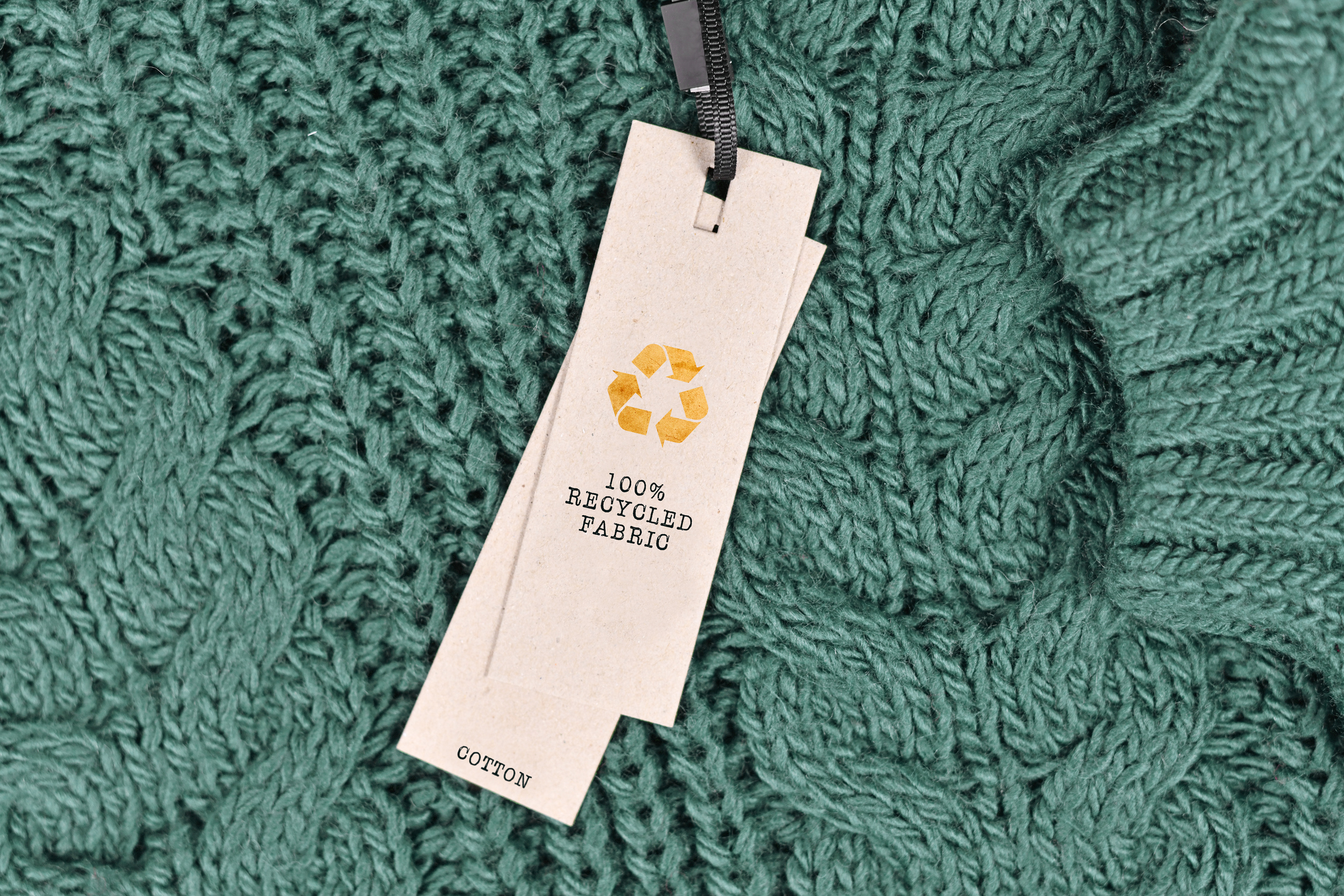
Changes in the Textile Sustainability Landscape
“There are several new laws and regulatory frameworks in development, forcing the industry to relook at sustainability and traceability differently,” says Garry Bell, president of Chasing Better Consulting Inc.
From Lay’s perspective, what’s happening in Europe and even in the U.S. is pushing brands to get serious, fast. “That’s creating urgency at the procurement and sourcing level in a way we haven’t seen before,” she says. Regulations like California’s Responsible Textile Recovery Act and the proposed New York Fashion Act are moving brands toward greater transparency and accountability.
California’s Responsible Textile Recovery Act (SB 707), which was signed into law in 2024, requires textile and apparel manufacturers to take more responsibility for their products’ environmental impact and end-of-life management. This law created an EPR program for textiles in California — the first of its kind in the U.S.
“Traceability was once a ‘nice to have’ for brands and companies, but is quickly becoming a business requirement to allow them to be compliant with import regulations,” Bell says.
One example is the Uyghur Forced Labor Prevention Act (UFLPA), enacted in December 2021, which blocks goods from China’s Xinjiang region unless importers can prove they were not made with forced labor. The UFLPA requires brands to provide detailed supply chain traceability, often down to the raw material level, or risk shipments being detained or banned at the U.S. border.
“Solutions like the one provided by the US Cotton Trust Protocol deliver traceability data for every transaction and manufacturing step in the supply chain,” Bell says.
The proposed Buy American Cotton Act would incentivize the use of U.S.-grown cotton by offering tax credits to importers of products containing verified U.S.-origin cotton. “This law has bipartisan support and will look to reward importers of products that contain U.S. cotton fiber or yarns with tax credits based on the US-origin materials in the imported products,” Bell says.
On the sustainability side, Bell says companies are making fewer outward claims as they gain clarity on the regulations they’re expected to meet.
Additional Reading
California Passes First EPR Law in US
On Sept. 28, 2024, the legislation was officially signed into law by Governor Gavin Newsom, making it the first Extended Producer Responsibility (EPR) textile recycling program in the U.S.
Examining the New Reality of Forced Labor Regulations in the Apparel Industry
Even though it’s only been in effect for a few years, the impact of UFLPA is already being felt by those in the apparel industry, and decorators must stay on top of updates and resources to help decipher new regulations.
Why is Traceability Now the Buzzword in the Apparel and Textile Industry?
The growing noise around traceability affects everyone in the apparel industry, including apparel decorators.
“One big trend we’re seeing in sourcing is the push for many brands to convert products to being made with regenerative cotton,” Bell says. “This is seen as reducing the environmental footprint of the fiber production by reducing emissions but also sequestering carbon emissions along the way.”
Still, while regulation is accelerating change, the market response has been more uneven.
Customer and retail demand still play a big role in prioritization. “Large retail partners are reinforcing these requirements, especially around preferred fibers, packaging, and transparency,” Lay says. Brands and manufacturers are feeling pressure from both sides.
“Our customers aren’t ordering as much, they’re a lot more price sensitive, and we’re having to expand our options of what they can afford,” says Eric Henry, CEO of TS Designs, a Certified B Corporation. “There’s a lot of chaos in the marketplace. The conversation about it [sustainability] is happening, but people are having to make tougher decisions with less-expensive options because there are fewer dollars on the table. I’m seeing personally in our business, fewer people are moving forward with those decisions.”
Regulatory Requirements Pushing Progress
Regulatory requirements are accelerating sustainability initiatives across brands and decorators. “It’s the principal driver of changing practices in the industry,” Bell says. “These requirements are to be met in the short term under existing laws, while some of the longer-term shifts we’re seeing on sustainability reporting are much slower to occur.”
Several new guidelines and frameworks are currently under development, such as the European Union’s Environmental Footprint guidelines and its proposed Digital Product Passport, which will likely influence other global markets.
The proposed New York Fashion Act, which has been going through revisions and ongoing discussion, would require fashion manufacturers and retailers doing business in New York and with global revenues over $100 million to track at least half of their supply chains, be transparent about environmental and social impacts, and set targets for reducing emissions.

“One unfortunate reality we’re facing is companies are making fewer outward claims related to sustainability than in the past, largely due to concerns of being offside with the evolving rules governing these claims,” Bell says. “There have been some high-profile penalties placed on global brands that have made external claims without the required validation or based upon tenuous data.”
Still, on the customer side, budgets are influencing purchasing decisions. “They’re reducing or looking at less expensive options, so we try to guide our customers since they’re having to make tougher decisions because there are fewer dollars on the table,” Henry says. “There are a lot of complicated issues, from climate change to microplastic issues to lack of transparency.”
The Most Measurable Progress
Bell sees significant innovation emerging across the textile and decoration supply chain. “We’ve rarely faced such a perfect convergence of innovative technologies, regulatory requirements, and consumers seeking more sustainable products and services,” he says.
Chemistry and materials science are seeing some of the most significant advances. “That includes dyes and finishes in textile production, inks in decoration operations, bio-eliminable solvents, biodegradable polyesters, and so on,” Bell says.
To satisfy this growing demand, manufacturers are ramping up R&D to develop sustainable fabrics that meet — or even exceed — traditional textile performance standards. Some advances in fiber technology are making recycled polyester nearly indistinguishable from virgin polyester.
Bell notes that nearly any manufacturing operation, including decorators, has opportunities to become more sustainable. “You can pursue energy efficiency, waste reduction, and process optimization,” he says. Most of these improvements also deliver cost savings.
Still, circularity remains one of the industry’s biggest challenges. “Even though lots of interesting initiatives are being developed, the challenge is how to cost-effectively collect, filter, and repurpose end-of-life products most optimally,” Bell says.
The most tangible progress that Lay is seeing is in fiber choices and traceability. “There’s real momentum around preferred fibers: organic cotton, recycled materials, and more responsible sourcing overall,” she says. “That’s an area where standards exist, certifications are recognized, and brands can actually measure and report progress.
Where the EU differs from the US
“The European Union is most certainly at the forefront of changing regulatory requirements and consumer behavior,” Bell says. He points to several new guidelines and frameworks currently under development, including the EU’s Environmental Footprint and its proposed Digital Product Passport that will likely influence other global markets.
The Ecodesign for Sustainable Products Regulation (ESPR) and the Digital Product Passport (DPP) will require brands to provide detailed sustainability and traceability information about their products. The ESPR sets environmental and circular design requirements for most physical products sold in Europe.
In the EU, the Strategy for Sustainable and Circular Textiles (2022) requires textiles sold within the EU to be durable, repairable, recyclable, and made from recycled fibers by 2030. This strategy also addresses microplastic pollution and greenwashing, pushing manufacturers toward more sustainable production.
By contrast, “In the U.S. market, the industry is closely watching the evolving regulations in California as well as the New York Fashion Act that would put in place many new requirements that the industry would struggle to comply with initially,” Bell says.
Henry sees the EU as a model the U.S. may eventually follow. “Look at what’s happening in Europe … they’ve gone a completely different direction with transparency, apparel recycling, and disposal,” he says. “They’re taking a long-term approach, and I think they’re going to be way ahead of us.”
"We’re also seeing rapid movement in traceability, especially beyond Tier 1 suppliers. It’s still not perfect, but there’s a clear shift toward digitization and accountability,” Lay says.
However, Henry warns that printers should still be cautious about the products they’re embracing. “People will latch on to a certification … and without full transparency of that supply chain or looking beyond just what the certification is, unfortunately, a lot of times it turns out to just be greenwashing,” he says.


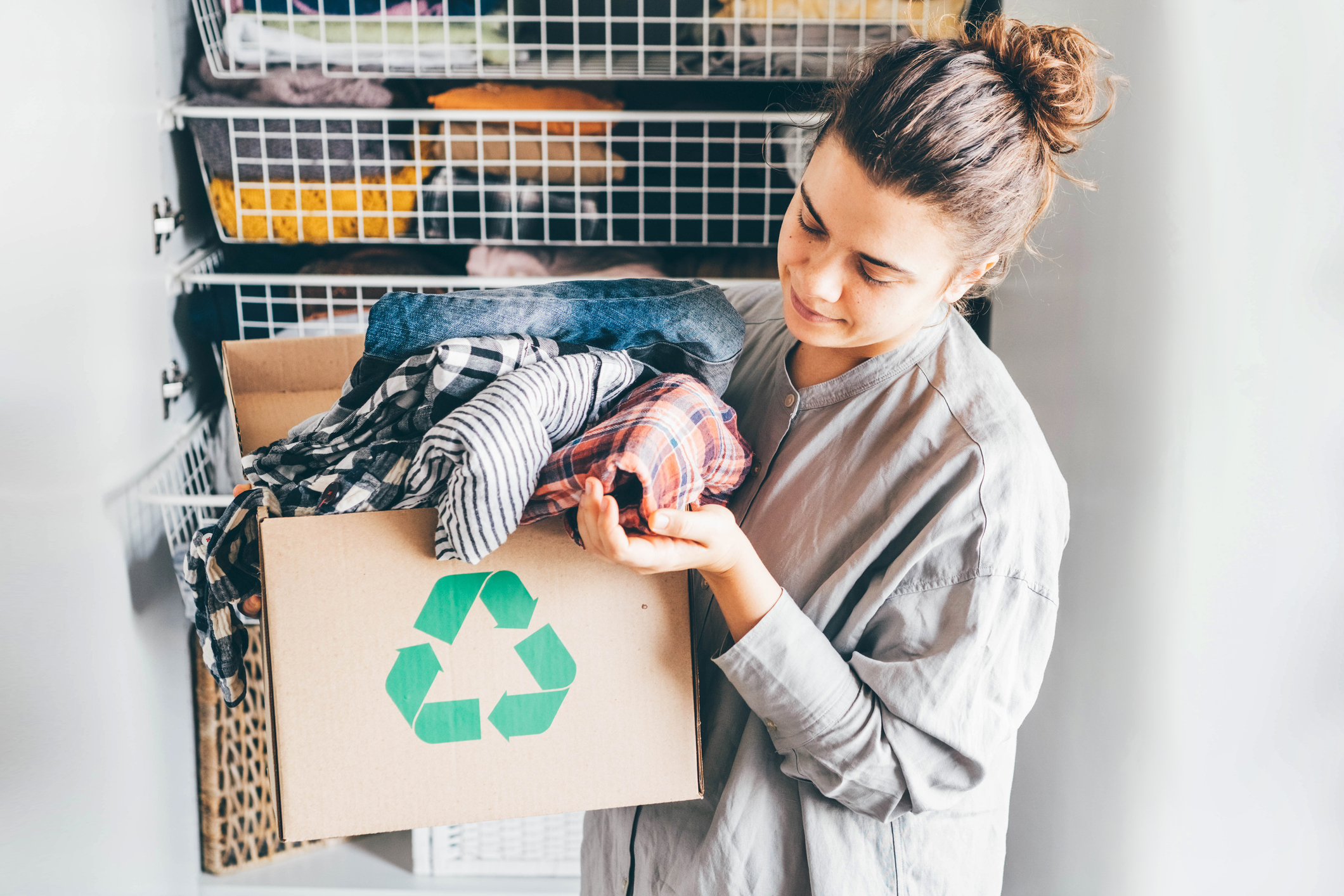
What’s No Longer Optional
Some sustainability practices are no longer optional for textile and apparel businesses in 2026. One is implementing traceability software down to Tier 2 or Tier 3 suppliers. It goes beyond Tier 1 cut-and-sew factories to include mills and raw material sources as regulations now demand proof of origin, not just supplier information. This helps brands verify that textiles are compliant and not tied to forced labor.
Maintaining chemical compliance documentation is another baseline expectation. Brands are now expected to verify what goes into their products — including dyes, inks, and finishes — through frameworks like OEKO-TEX ECO PASSPORT and ZDHC.
California is already enforcing these requirements. Textile and apparel manufacturers must register with a Producer Responsibility Organization (PRO) by July 1, 2026, and be fully compliant by July 1, 2030, or face penalties for failing to manage end-of-life collection and recycling.

However, building systems to support end-of-life collection and recycling remains a challenge. Collecting, sorting, and processing textiles at scale remains expensive, and the infrastructure is still developing — one reason these programs are being phased in over time.
“Traceability and compliance to laws in whatever jurisdiction the products are being sold is quickly becoming mandatory,” Bell says. “However, recycling of products at the end of their life, while an important long-term goal, isn’t something I see being mandatory anytime soon.”
Packaging is another area that hasn’t reached that threshold yet. “Sustainable packaging should be on everyone’s mind,” Bell says, “but until some of the laws we see being proposed in the EU come to the North American market, I don’t see them being mandatory soon.”
Henry notes that widespread change is unlikely without regulatory pressure. “These topics aren’t high on the list of most customers, and it’s all pretty much gone to the back burner that I’m seeing,” he says. “The exception is what’s happening in California and in Europe, where they’re moving far ahead.”
What Still Needs to be Done?
“Over the past three to four years, we’ve seen a reduction in brands making external sustainability claims in corporate reporting and especially in consumer marketing,” Bell says. “This is largely driven by fear of being caught in greenwashing.”
The Corporate Sustainability Due Diligence Directive (CSDDD) and Green Claims Directive are also making greenwashing more difficult by mandating verifiable sustainability claims. The Green Claims Directive is a proposed law designed to curb greenwashing and improve consumer marketing by requiring companies to back up environmental claims like “eco-friendly” or “carbon neutral” with documented scientific evidence.
Lay agrees that greenwashing remains an issue. “Claims often outpace verification, especially regarding recycled content or ‘eco’ positioning without clear supporting standards,” she says. “Blended fibers are another major challenge. Much apparel is still made from materials that are difficult to recycle, limiting real progress on circularity.”
Overproduction and overconsumption remain underlying issues in the industry. “If we think of the definition of sustainability — optimizing the use of resources — there are several parts of the textile and apparel industry that we could easily improve greatly,” Bell says. He recalls a European customer asking: “How can you seriously talk about the sustainability of products in our printwear industry, when most of our products are given away for free, and the leading triggers for winning a sale are price, price, and price?”
Lay points to the broader impact. “You can make a more sustainable product, but if the system is still producing too much, that impact gets diluted,” she says.
Microplastics are another growing environmental concern tied to apparel. Synthetic fibers like polyester shed microplastics during washing and wearing, with these particles ending up in waterways where they’re difficult to remove. When natural and synthetic fibers are blended, they can be difficult — if not impossible — to separate during recycling, limiting the ability to fully recover and reuse the material. Lower-cost garments often use synthetics, contributing to the wider problem.
Are customers truly paying more for sustainability?
While some buyers may be willing to pay more for sustainable goods, it’s not the norm. Allmade is seeing that premium shrink. “A few years ago, sustainable products were clearly positioned as premium,” Lay says. “Now, they’re becoming more normalized within assortments. Brands are absorbing some of the cost, finding efficiencies elsewhere, and in some cases passing through smaller increases.”
For Lay, it’s less about customers paying significantly more and more about sustainability becoming part of the standard cost structure. “Margins are definitely tighter, but sustainability isn’t optional anymore,” she says. “It’s built into the business.”
Bell says consumers remain skeptical about sustainability marketing, leading them to avoid paying more for sustainable products.
“They have little faith in the credibility of what’s being pitched to them,” Bell says. “That’s the main driver behind the ever-present ‘intent-to-action’ gap, where 70% of consumers say they’d spend more money on a sustainable product, while only 25% actually pay more when it’s time to check out.”
As traceability data becomes more readily available, Bell says that consumers will be more likely to believe claims made by a brand that’s not hiding anything. “That would unlock the value of premiums,” he says.
Right now, customer demand is soft, and price sensitivity is real and limiting action. In many cases, cheaper products don’t reflect their full environmental and labor costs, creating a disconnect between perceived value and actual impact.
“Our customers have to see some value beyond price,” Henry says, “but they’re buying less or not buying at all because of the weakness in the marketplace. We’re trying to focus mainly on natural, U.S.-made fibers and expand our options of finding overseas suppliers whose practices we’re comfortable with.”
“Microplastics are becoming a bigger and bigger problem, especially with poly-cotton T-shirts,” Henry says. “We try to pitch 100% cotton T-shirts printed with water-based inks. It’s also going to be a lot easier to recycle a 100% cotton T-shirt than a poly-cotton T-shirt, and you don’t have the microplastic issues when it’s washed. If we can try to bring apparel to market that minimizes or eliminates the plastic, that would be the biggest thing we can do right now.”
Overall, the experts think things are going in the right direction. “I’m most encouraged that the pace of change will accelerate exponentially and the future is brighter,” Bell says.
What Separates Leaders from the Rest
Execution is one of the biggest differentiators. c across sourcing, product development, and the supply chain — not just marketing,” Lay says. “They’ll have real visibility into their supply chain, strong partnerships with mills and manufacturers, and the ability to scale better materials consistently.”
On the other hand, Lay says the laggards will be the ones who treat sustainability as a compliance exercise or try to solve it at the surface level. “Ultimately, it’s about building systems that are both more responsible and resilient,” she says. “The brands that do that well are going to pull ahead pretty quickly.”
It’s also about how companies approach sustainability as an opportunity. “Leaders will have the foresight to engage with sustainability with the purpose of leveraging it as an opportunity, rather than as an added hurdle to maintain the business they have,” Bell says.
“We live in a global economy — you’re not putting that genie back in the bottle,” Henry says. “Consumers want to know where and how a product is made, and leaders are playing the long game with greater transparency and responsibility for the full lifecycle of the product.”