
An Assessment of Apparel Decorating Technology for the Modern Print Business
The decoration industry has more options than ever. Here is one experience-based assessment of eight major methods.
Ask 10 decorators which method is best, and you'll get 10 different answers. Ask the same question in any Facebook group and watch it descend into an argument that nobody wins. The truth is that there is no universally best method. There is only the right method for your order size, your garment, your customer, and your current stage of business.
What follows is an honest assessment of eight major apparel decoration methods based on my experience. Not a ranking designed to sell you equipment. Not a manufacturer's comparison chart. A practical assessment based on what matters when you're decorating garments for real customers with real deadlines and real margin expectations.
The assessment is split into two columns — small runs and large volume — because conflating the two is where most decoration advice goes wrong. A method that's brilliant at 500 pieces is genuinely terrible at five.
The Lists at a Glance
Small Runs and On-Demand
1-23 pieces per design
- DTF transfers
- DTG printing
- Sublimation
- UV-DTF
- Embroidery
- Rhinestones
- Screen Printing
- Vinyl/HTV
Large-Volume Production
24+ pieces, same design
- Screen Printing
- DTF transfers
- DTG printing
- Sublimation
- UV-DTF
- Embroidery
- Rhinestones
- Vinyl/HTV
The crossover point: At approximately 24 pieces of the same design, screen printing begins to outperform DTF and other transfer technology on a cost-per-unit basis. This threshold is not a hard rule — it shifts based on your supplier pricing, design complexity, and color count — but 24 pieces is one working benchmark.
Vinyl/Heat Transfer Vinyl (HTV) and Rhinestones
Vinyl is where the industry story often begins, and there is nothing wrong with that origin story. The barrier to entry is negligible — a basic cutter and a heat press will get you decorating garments in an afternoon. For millions of people, vinyl was the first proof that making a living decorating custom apparel was actually possible.
But as a long-term business method, vinyl has limitations. The material sits on top of the fabric rather than bonding with it, producing a thick hand that customers feel immediately. The shiny finish can also be a detriment for some customers. And over repeated washing cycles, vinyl peels and cracks, which generates customer complaints and reprints.
What keeps vinyl popular are specialty applications nothing else replicates: 3M reflective vinyl for safety gear, felt for dimensional work, and puff vinyl for raised three-dimensional effects. These remain legitimate commercial use cases. Outside of them, vinyl is a starting point, not a destination.
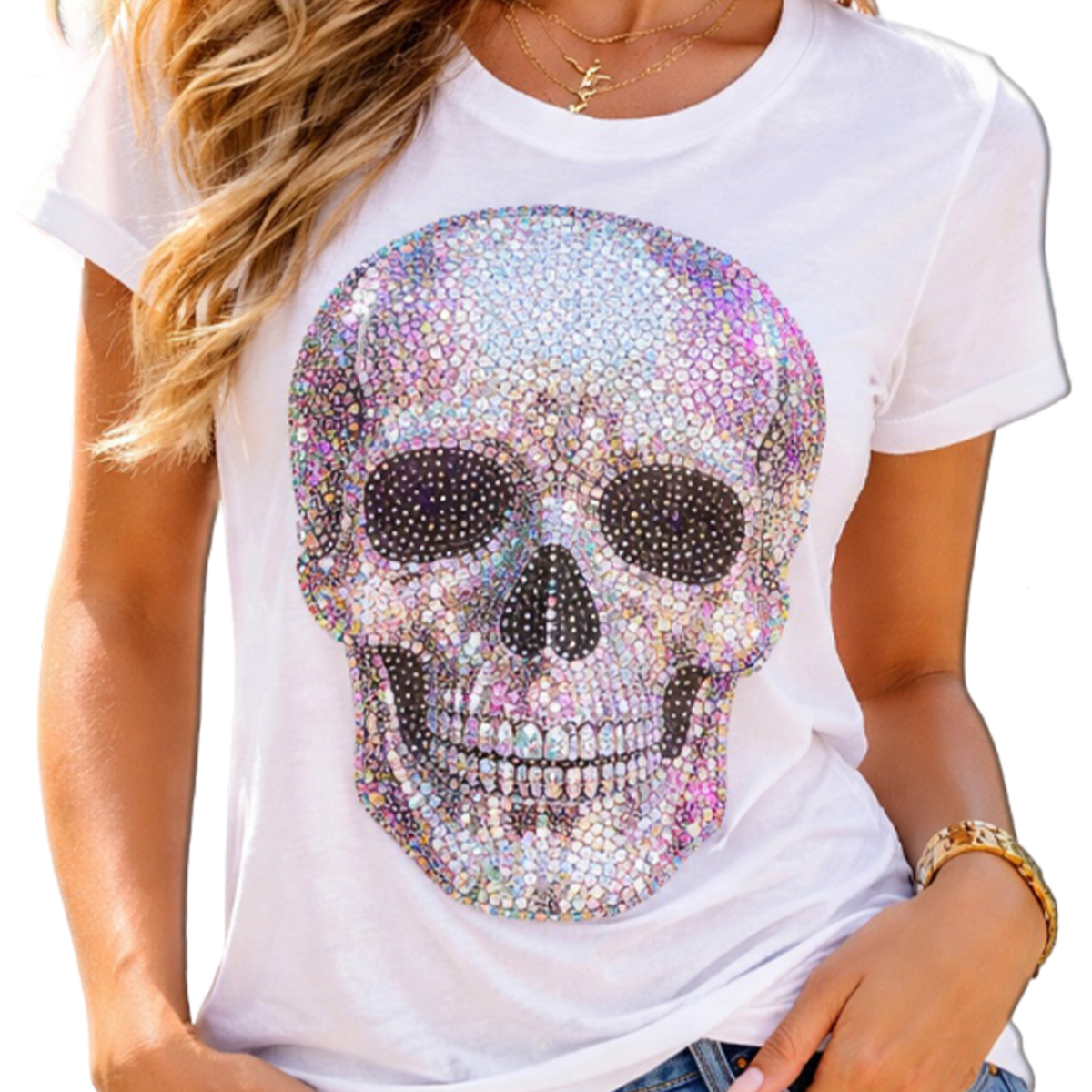
No decoration method on this list generates more immediate attention than rhinestones. A rhinestone design in a crowd catches light, turns heads, and creates the kind of visual interruption that no printed method can replicate. For a certain segment of the market — concert merchandise, fashion drops, pageant wear, Western apparel — rhinestones are not just a decoration method but a product category in their own right.
The tension is longevity, and not the physical longevity of the stones. Rhinestone decoration is aesthetically trend-dependent in a way that screen printing or embroidery is not. A rhinestone jacket that reads as current in 2024 can read as dated two years later.
Rhinestones don't make a business. They make a moment. Know the difference and use them accordingly.
Embroidery
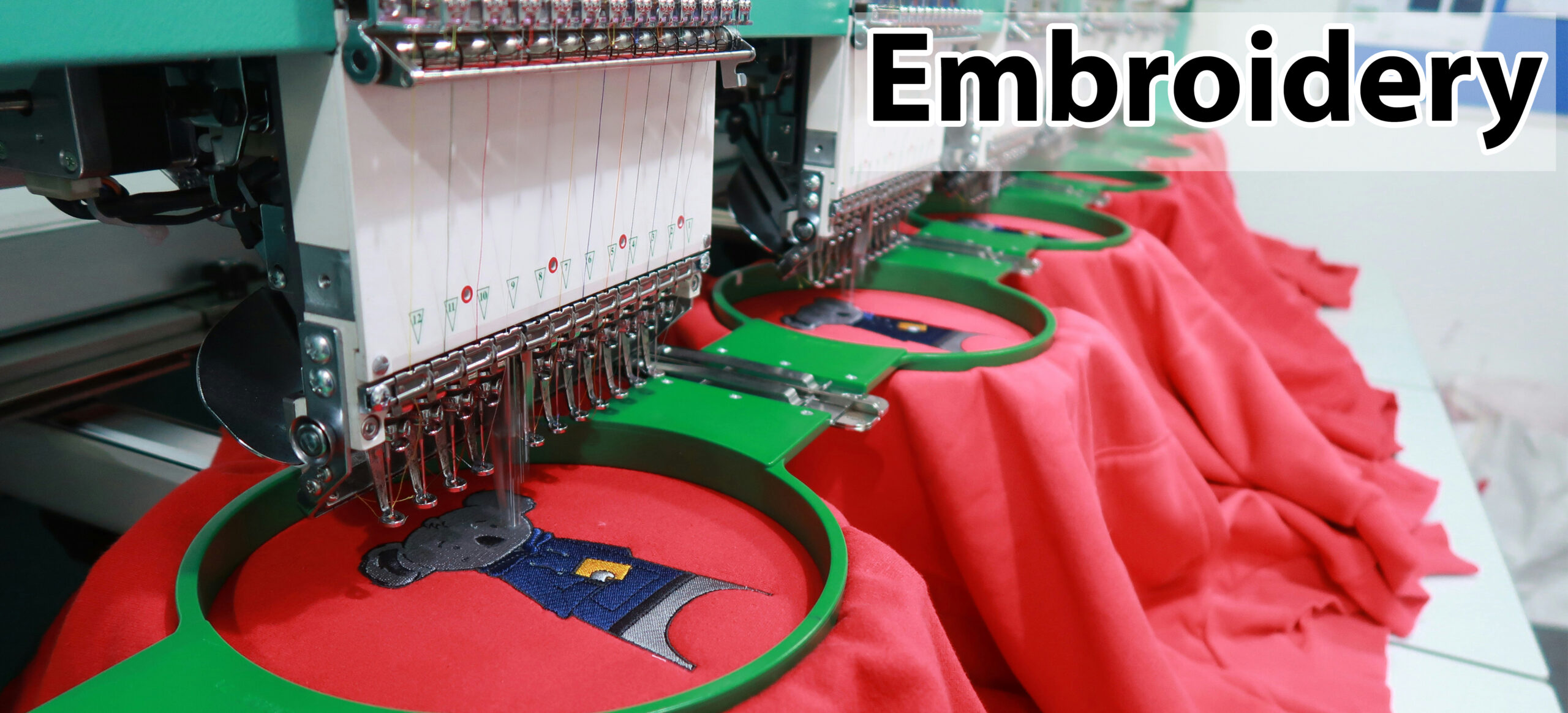
Embroidery occupies a unique position in the decoration hierarchy because it operates on a fundamentally different logic than every other method. Where printing methods add ink to a surface, embroidery builds a physical structure from thread. The result is a texture, a weight, and a perceived quality.
For structured headwear, embroidery is functionally unchallenged. The curved surface of a structured cap makes most flat printing methods less practical, and the stiffness of the embroidered design complements the rigidity of the cap itself.
The limitation is design complexity. Digitizing introduces inevitable simplification. Fine gradients, photographic detail, and intricate line work all lose fidelity in translation. A logo embroidered on a polo shirt looks premium precisely because it has been simplified into clean, bold forms that thread handles well. Ask embroidery to reproduce a watercolor illustration and the result may disappoint.
UV-DTF
UV-DTF may be the most commercially underutilized method in the contemporary decoration industry in my opinion — it does not work on fabric. For a sector that defines itself around garment decoration, a method confined to hard surfaces occupies a category position most apparel decorators may not think about.
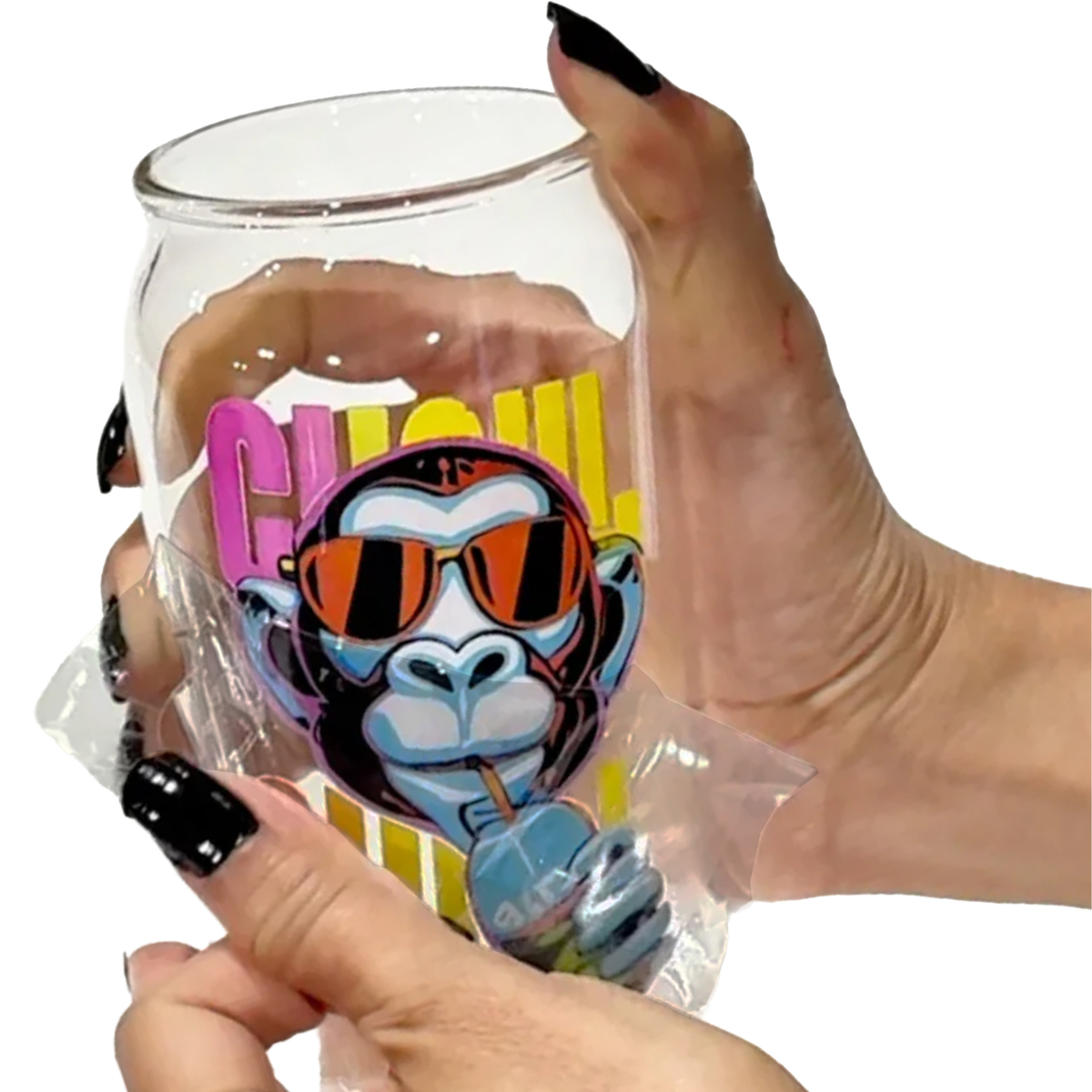
This is an error worth correcting. The hard-surface promotional products market — branded drinkware, cups, tumblers, lighters, sunglasses, phone cases — represents significant revenue that a UV-DTF capability converts directly. The application process requires no heat press: peel the liner, press the transfer onto a clean dry surface, and the design bonds permanently at full color and high resolution. The barrier to entry is minimal, and the margin potential is substantial.
UV-DTF should be understood as a parallel revenue stream that happens to share the same transfer-based production logic. For any decoration business already working with standard DTF, the operational learning curve is low.
Sublimation
Sublimation is a technically elegant decoration method. When the dye converts from solid to gas under heat and pressure and bonds permanently with polyester fiber at a molecular level, the resulting print has no surface presence whatsoever. You cannot feel where the design ends and the fabric begins. For all-over printing on performance wear and polyester-based garments, I feel like nothing else competes.
One constraint is this: Sublimation is semi-transparent. The dye tints the fiber rather than covering it. On white and light-colored polyester, the result is photographic, vivid, and permanent. On dark-colored fabric, the base color absorbs and overwhelms the dye entirely, rendering the design invisible. Black T-shirts — arguably the most popular blank canvas in the custom apparel market — are simply not available to sublimation printing.
Sublimation also crosses over into hard surface decoration via coated blanks: Mugs, tumblers, plaques, and similar items accept sublimation with outstanding results. This crossover capability gives sublimation a broader commercial footprint.
DTG Printing
Direct-to-garment (DTG) printing represents the closest the decoration industry has come to replicating the softness and visual quality of a retail screen print without the setup complexity that screen printing requires. The water-based inks are absorbed directly into the fiber of the garment, producing a matte finish and a hand feel that is genuinely difficult to distinguish from a quality retail product. There are no minimums. A single shirt is as operationally straightforward as a hundred.
Commercial DTG printers begin at $15,000 and extend well beyond $30,000 for production-grade machines. They require daily maintenance cycles — white ink management, printhead flushing, pretreatment application — that add labor and consumable costs to every job. The operational overhead is real and ongoing, and it represents a meaningful barrier for decorators in the early stages of building a business.
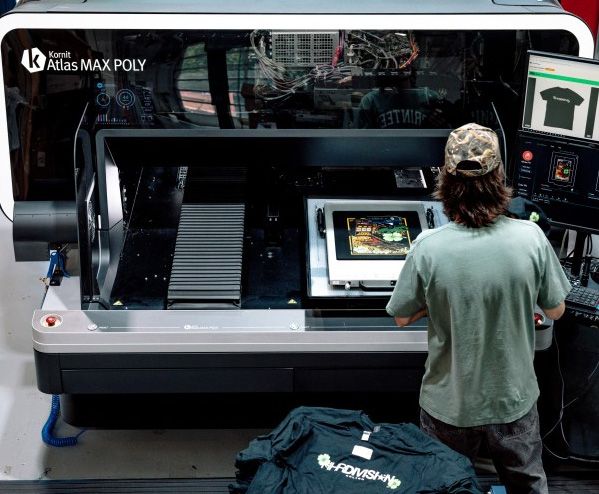
DTG also performs best on cotton and cotton-dominant blends. On synthetic fabrics, ink adhesion becomes inconsistent and color saturation drops.
DTF Transfers
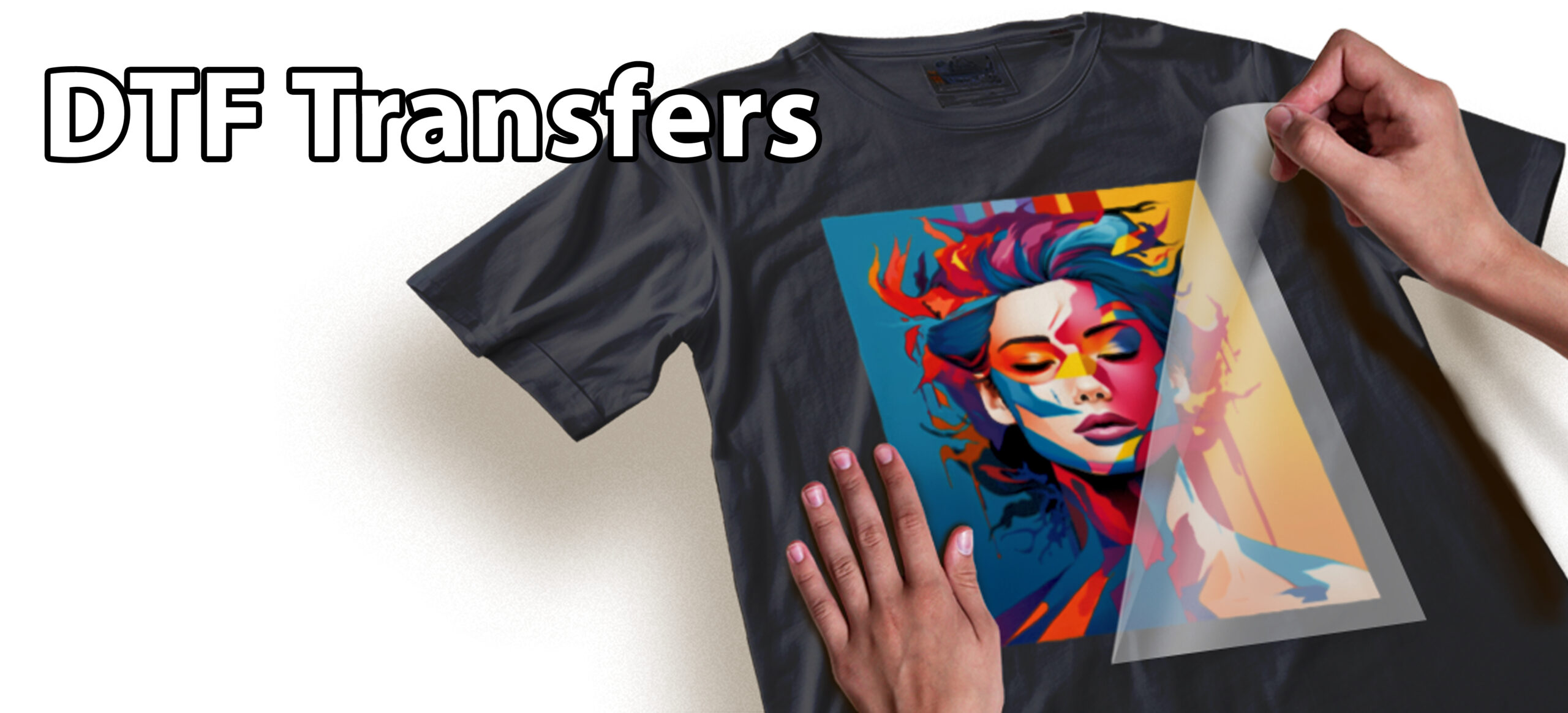
Direct-to-film (DTF) transfers have changed the fundamental economics of custom apparel decoration at the small-run level. The combination of full-color capability, zero minimum order quantities, compatibility with virtually any fabric type or color, and an entry cost low enough to be accessible to anyone with a heat press has created a decoration method with no precedent in the industry's history.
The practical implications are significant. A decorator who would previously have needed to commit to a screen-printing minimum of 12 or 24 pieces to offer a full-color design can now produce a single piece with professional results. The design that works for one order works equally well for 50, with no setup cost differential between the two. For small decoration businesses and for decorators managing highly variable order volumes, this flexibility has direct and immediate margin implications.
DTF's primary limitation is print feel. The transfer sits on top of the fabric rather than integrating with it, which produces a hand that is noticeably different — slightly firmer, with a surface texture that some customers describe as plasticky. The industry is actively working on this through halftone techniques that introduce perforations into the transfer, increasing breathability and reducing the perceived surface weight. Results are improving year over year, and the gap between DTF feel and DTG feel is closing meaningfully.
At production volumes — specifically, consistent reorders of 24 or more pieces of the same design — screen printing begins to compete on cost per unit. Below that threshold, DTF's combination of flexibility, speed, and accessibility makes it the dominant choice for the majority of decoration orders processed in the contemporary market.
Screen Printing
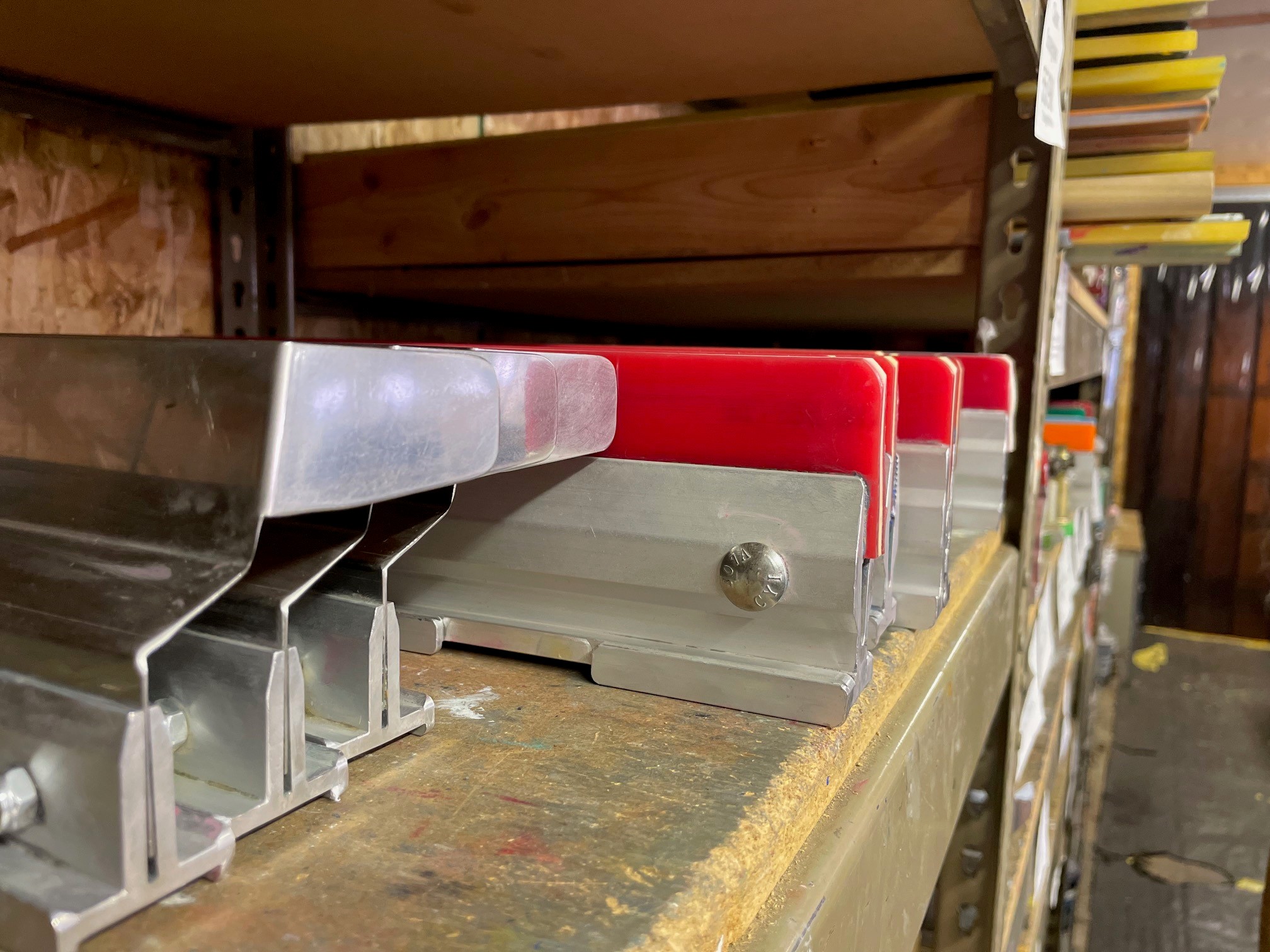
The method has been the industry standard for decades because at scale, it delivers results that no other method has matched: ink that bonds deeply into the fabric rather than sitting on top of it, color vibrancy that withstands hundreds of wash cycles, and a cost-per-unit at volume that the economics of newer methods cannot approach.
The specialty ink possibilities available to screen printing are also unmatched. Pantone-matched spot colors, reflective inks that activate under light, metallic and foil finishes, high-density puff inks that create genuine physical dimension — these are production capabilities that volumes screen printing supports. For established brands with recurring reorder programs and consistent design libraries, screen printing's setup costs become negligible against the per-unit economics of large runs.
The criticism of screen printing is setup friction. Each color requires a separate screen. Setup time and cost are incurred before a single garment is printed. Color changes require cleaning and re-registration. For small or variable runs, this overhead eliminates the economic advantage.
The mental model for screen printing in today's environment is not "the best method" but "the best method once your volumes justify it.
The Decision Framework
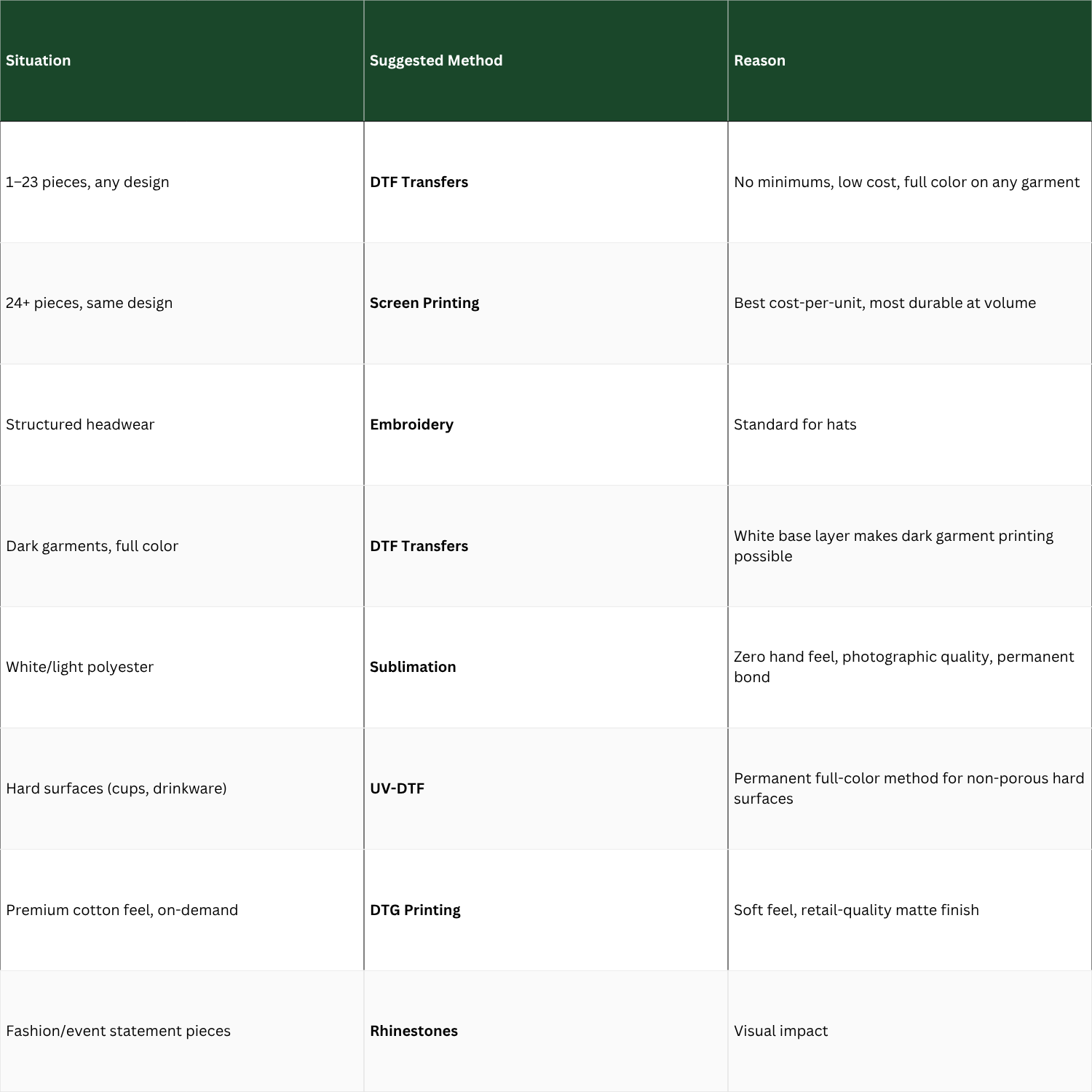
Decoration method selection becomes straightforward once the relevant variables are isolated. Order size is a primary filter — apply it first. Garment color is a secondary filter. Design complexity is a tertiary filter.
The dominant narrative in decoration — that DTF is threatening to displace screen printing — misreads what is actually happening. DTF has not threatened screen printing; it has filled a demand that screen printing's minimum requirements can’t serve.
A more interesting development is the continued maturation of halftone DTF techniques that close the feel gap.
Screen printing is not going anywhere. Volume economics are durable. The ink capabilities of screen printing have no near-term technological substitute. What is changing is the threshold at which screen printing becomes economically appropriate.
The decoration business that navigates these eight methods effectively is not the one that masters any single method. It is the one that applies the right method to each order without sentimentality, without sunk-cost bias toward equipment it owns, and without the false belief that any single method serves all situations well.
The decoration industry generates considerable noise about which method is best. The honest answer, as with most things in manufacturing, is that it depends — and knowing precisely what it depends on is the actual skill.