
Perfect Print Technologies for POD Projects
Heat-Applied Graphics for Apparel and Promo Products
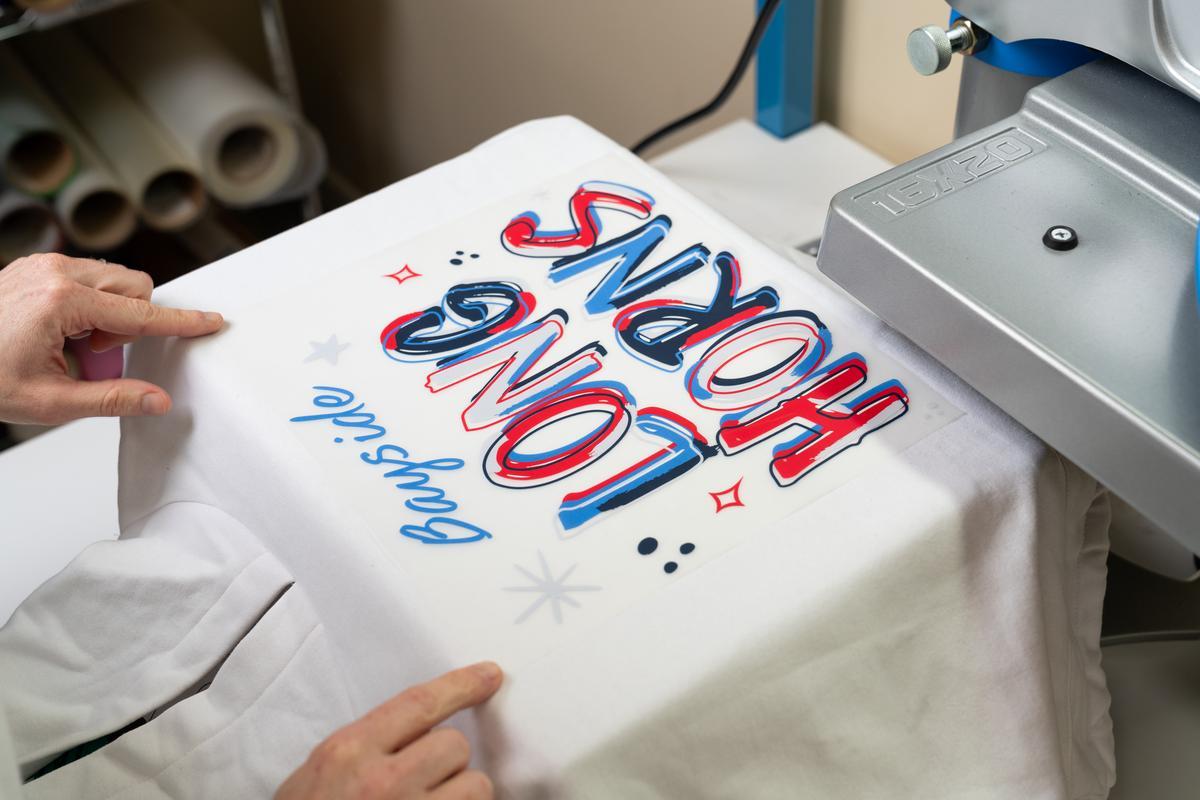
Heat-applied graphics — including DTF, screen-printed transfers, patches, and specialty HTV — are a game-changer for print-on-demand pros. Get the speed, quality, and flexibility you need to scale smartly and deliver standout designs without setup hassles.
Print-on-demand (POD) is seeing explosive growth, driven by easy-to-use e-commerce platforms like Amazon, Etsy, Shopify, and TikTok Shop. As more and more customers want personalized and unique items in small quantities, POD makes offering these products possible.
Since POD allows businesses to decorate products only when orders come in, there is no need for bulk inventory or large upfront investments. This gives decorators a pathway to cost-effective, fast, and adaptable decoration methods that can accommodate small runs and full-color designs.
“POD is ideal for e-commerce entrepreneurs, decorators, promotional product providers, side hustlers, artists, and niche brands who want to launch or sell products fast and at low risk,” says Josh Ellsworth, chief revenue officer at STAHLS’, PRINTING United Alliance member. “With the demand for more niche items in smaller quantities, POD allows businesses take on these orders with a profit.”
The Best Imprinting Methods for POD
Traditional imprinting methods aren’t as well-suited for POD due to higher setup times and costs. Digital, heat-applied methods, such as direct-to-film (DTF) transfers, screen-printed transfers, emblems and patches, and heat-transfer vinyl, are better suited for POD’s small-run, high-customization nature.
Heat-applied decorating methods allow businesses to print transfers ahead of time and apply them when orders come in, streamlining the fulfillment process. DTF transfers and other heat transfers require minimal setup, offer low per-piece costs, and can achieve full-color designs with quick production.
“Utilizing methods to print ahead or stocking transfers that customers can choose when they come in are great ways to create leaner fulfillment models,” Ellsworth says. “DTF and other heat-transfer types require minimal setup, with low costs and no minimums, and are ideal for full color designs.”
Heat transfers can be applied to a wide variety of products, including T-shirts, hoodies, hats, totes, home décor, and more. POD businesses can easily manage varying order sizes, whether it's a single item or 100, without complications. Integrating POD workflows with e-commerce platforms like Shopify or OrderMyGear is straightforward, making it easy for new sellers to enter the market. This also offers a lower risk for new sellers and is simple to learn, even for hobbyist decorators or artists.
Heat-Applied Method No. 1: Direct-to-Film Transfers
DTF transfers are perfect for creating bold, full-color, photo-quality designs, including intricate linework and gradients. This method works on both light and dark garments without requiring a white underbase layer, unlike direct-to-garment (DTG) printing. It delivers consistent print quality on every garment, even in multi-garment runs.
Key benefits of DTF include:
- Works on various fabrics like cotton, polyester, canvas, leather, and nylon.
- Transfers are durable and won’t crack or peel, moving flexibly with garments.
- Quick setup, no screens or mixing inks required, and fast production with heat pressing.
- No need for pretreatment or weeding, saving time on jobs.
- Economical for short runs, such as single transfers or gang sheets.
- Ideal for web stores, limited-edition merchandise, and personalized items.
DTF is highly compatible with POD stores and e-commerce systems. “You can print or order full-color transfers ahead of time and then store them until your orders come in,” says Jayson Tomkins, chief digital officer for Fulfill Engine. “Then, heat press your garments and ship them. DTF supports a wide range of SKUs without needing to stock finished goods.”
Heat-Applied Method #2: Screen-Printed Transfers
Get everything you love about screen-printed designs in a transfer, minus the time-consuming setup and cleanup. Instead of printing plastisol inks directly onto apparel, the same durable ink is printed on transfer paper. When you heat press the transfer on a garment, the paper’s release coating lets the ink “peel off” the transfer and bond to the fabric.
Screen-printed transfers are great for high-volume or repeat orders with bold, solid colors. They allow businesses to avoid storing pre-printed garments, instead stocking transfers that can be applied as orders come in. This method is popular in e-commerce fulfillment models that need to stay flexible with inventory.
“If you’re fulfilling high-volume or repeat orders with bold, solid colors, screen-printed transfers are a great option,” says Jenna Sackett, brand engagement manager, STAHLS’. “Instead of storing pre-printed T-shirts, you can easily stock and apply transfers to apparel as orders come in. Many ecommerce fulfillment models rely on screen-printed transfers to keep a flexible inventory vs. being stuck with garments that don’t sell.”
Screen-printed transfers pack a lot of benefits:
- High-quality prints with a soft feel, thanks to plastisol inks.
- Cost-effective at scale, with reduced cost per print as order quantities increase.
- Consistent branding, as every transfer uses the same artwork, ensuring uniformity across all products.
Screen-printed transfers are perfect for bulk runs, such as team uniforms or event shirts, where larger quantities are needed at an affordable price.

Heat-Applied Method No. 3: Emblems and Patches
Emblems and patches have evolved from a vintage style to a premium branding element. These pre-made pieces can instantly elevate the appearance of garments and accessories.
Emblems and patches offer a lot of attractive benefits for fulfilling orders on demand:
- A high-end, professional look, perfect for uniforms, workwear, and retail brands.
- 3D and tactile finishes, such as PVC, embroidered, or woven designs, which add dimension and texture.
- Ideal for uniform programs, as they can be applied to garments as needed without pre-stocked decorated apparel.
- Low minimums, allowing businesses to order small batches and press them on demand.
“Emblems and patches look great on hats, jackets, workwear, bags, and more,” says Sackett. “These pre-made decorated pieces come in different materials and styles to help you give customers a unique, professional look to their branding or uniform items.”
Print-on-demand tip: Keep popular logos stocked and simply heat-apply them as orders roll in. You can offer a premium solution for apparel and hat customization by applying patches and emblems in-house – customers will love the quick turnaround times and low minimums.
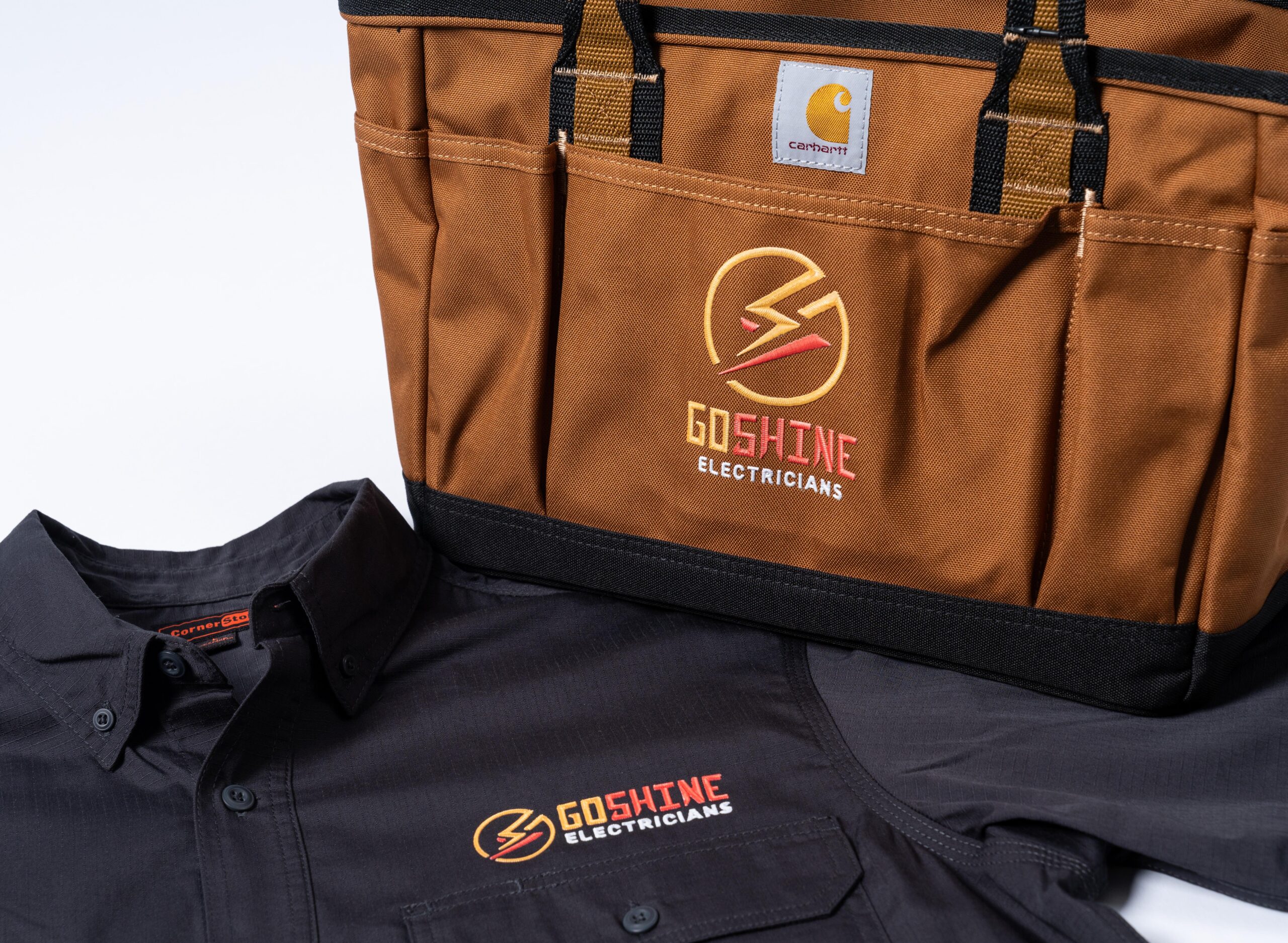
Emblems and patches look great on nearly every product. Credit: STAHLS'
Heat-Applied Method No. 4: Specialty Heat Transfer Vinyl
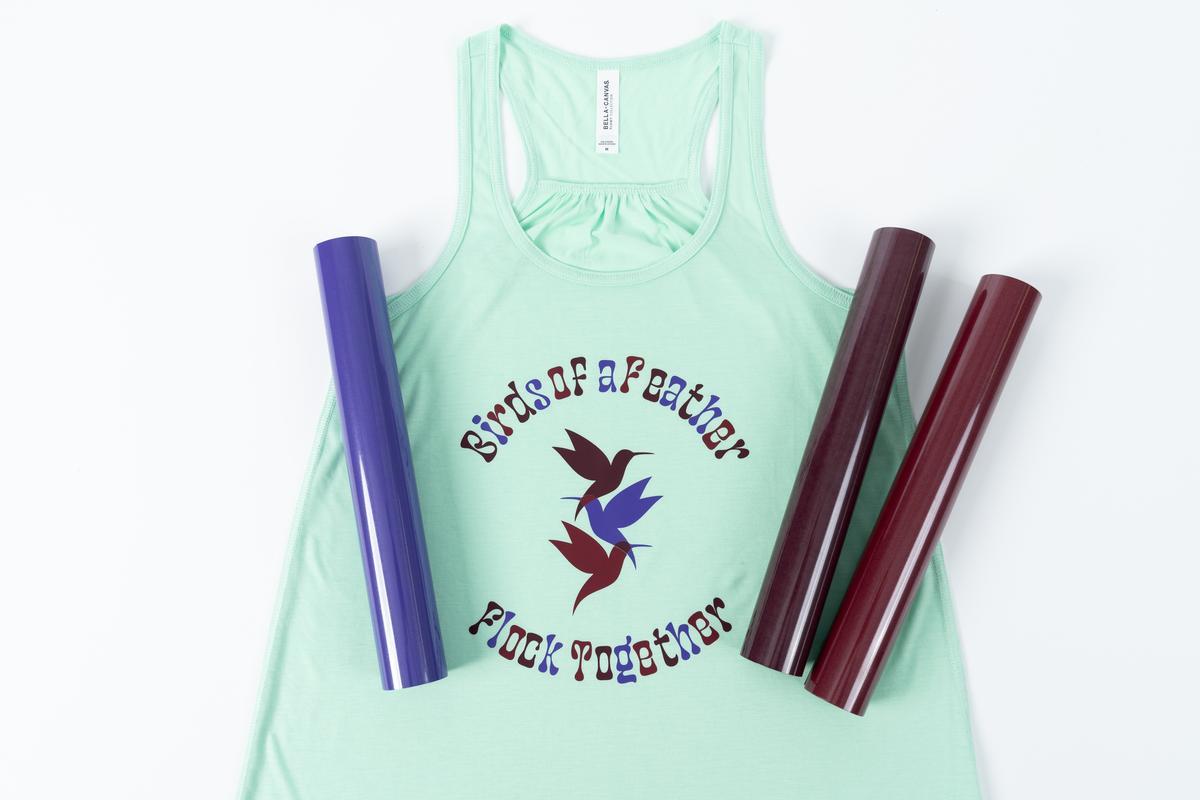
HTV transfers allow decorators to create pre-cut designs using vinyl that can be applied to garments, hats, bags, and more. HTV is available in various specialty finishes, such as glitter, foil, and flock, adding value to products.
Like other transfers, you can create them in-house or outsource them, for different levels of readiness.
In-Shop HTV (cut and weed in-house): Using a vinyl cutter and weeding tools, you cut your design from vinyl rolls and manually remove the excess material. This is ideal for simple, one-color jobs or last-minute orders.
Precut HTV transfers (from a vendor): These are custom-cut to your design and shipped to you. You can get the cut-only version that you still weed and mask. Others are pre-weeded to save time. The most POD-friendly version is HTV transfers that are pre-cut, weeded, and ready for masking or already masked, so you can press them immediately.
Printable HTV: This process works similarly to DTF printing, but uses heat-transfer vinyl sheets instead of film. This option lets you print full-color designs onto heat-transfer vinyl using a compatible printer. While it doesn’t offer specialty finishes like glitter or flock, it’s faster to prepare and great for POD designs with vibrant detail.
HTV transfers offer several benefits:
- Specialty finishes like glitter or metallic provide texture and visual appeal.
- Perfect for performance wear, as it doesn’t clog fabric pores and maintains breathability.
- Quick production for small runs, allowing businesses to easily adapt to trends and seasonal styles.
HTV is also excellent for names, numbers, and personalized designs, making it a versatile option for teamwear and event apparel.
How Heat-Applied Graphics Enable POD for Hard Goods
Heat-applied graphics are not limited to apparel; they can also be used for hard goods like bags, hats, shoes, mugs, and phone covers. With specialized platens, heat presses can apply graphics to various surfaces, expanding the range of products that can be offered in a POD model.
By offering hard goods with heat-applied graphics, businesses can provide personalized, branded products with a high perceived value, expanding their POD offerings.
- Heat transfer vinyl (HTV) is compatible with non-apparel surfaces, such as nylon, ripstop, canvas, and other textured or specialty materials, making it great for utility bags or promotional items.
- Sublimation transfers work well for items with polyester coatings.
- Pressure-sensitive sign vinyl decorates rigid products, such as tumblers, notebooks, binders, and signs.
- Pressure-sensitive patches and labels apply like stickers (no heat or sewing required), making them ideal for temporary or frequently washed items. They also expand POD possibilities by allowing decorators without a heat press to create branded products, with some options being durable enough for long-term use in industries such as construction and healthcare.
“If you want to offer hard goods like backpacks, laptop sleeves, tech accessories, travel gear, hats or tumblers, to corporate clients, for brands’ seasonal needs, swag bags, client gifts or employee kits, it’s easy to do with heat-applied graphics,” Sackett says.
Why Heat Printing = Smart POD
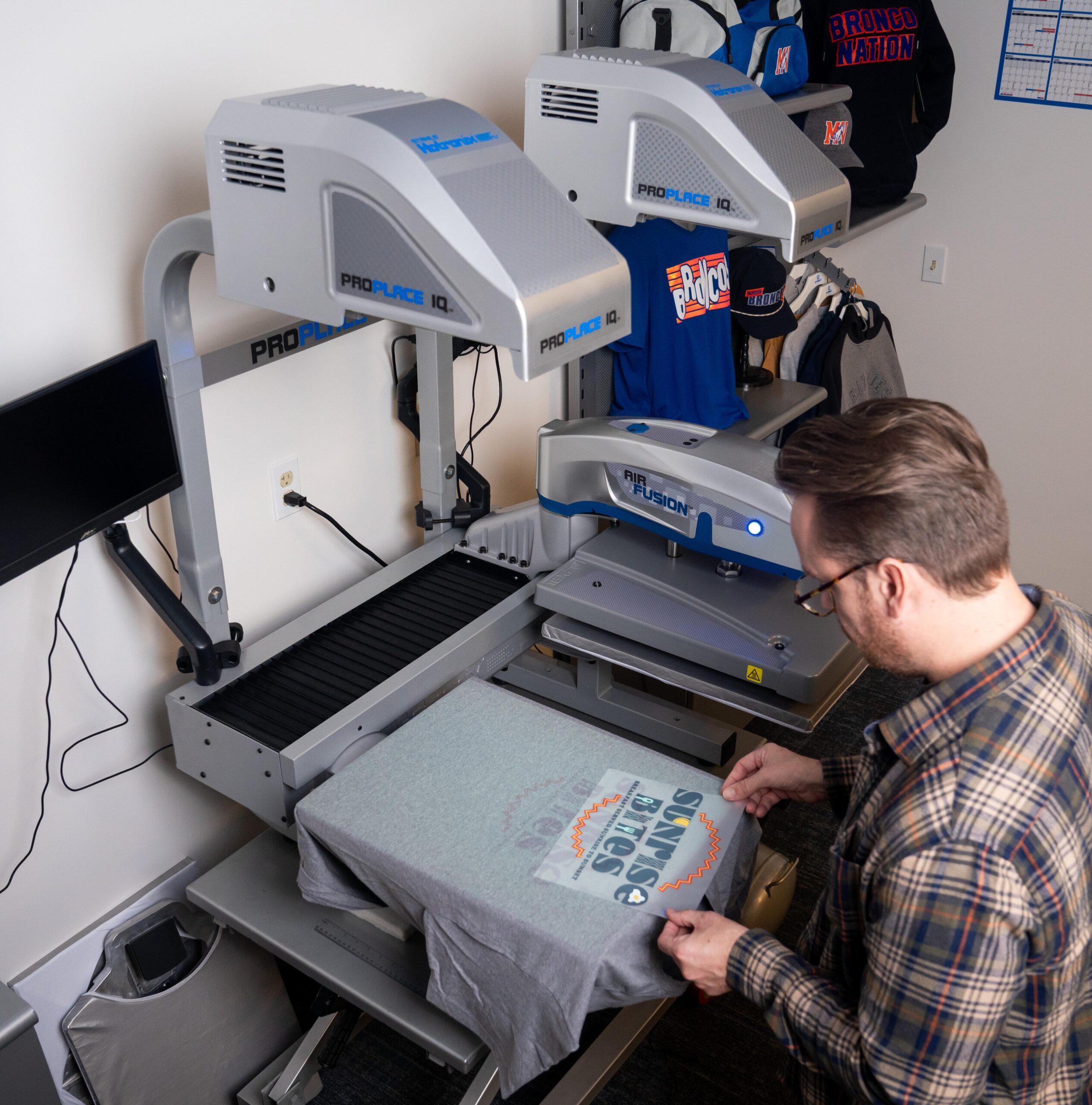
Heat-press printing is an excellent choice for POD businesses for several reasons:
- Low-risk, high-return: Since production happens only when orders come in, businesses avoid overproduction and unsold inventory. You also don’t have screens or setup charges, and don’t hold inventory in multiple colors or sizes. With a leaner model you’ll have higher profits.
- Scalable: Heat presses can handle a variety of products and orders of any size. Adding more presses as needed allows businesses to scale efficiently.
- Fast turnaround: With heat-pressing, POD businesses can quickly fulfill orders, offering personalized products without delays or wasted materials. Faster turnarounds keep customers happy and generate repeat business.
- Eco-friendly: Just-in-time printing minimizes waste and avoids the environmental impact of bulk production methods like screen printing.
Your Heat Press Is Your POD Powerhouse
Investing in a quality heat press is a key step in building a successful POD operation. A heat press enables you to decorate various products efficiently, from apparel to hard goods, without the need for large inventories or complicated setup processes. It is a versatile and scalable tool that supports a wide range of customization options.
By using heat-applied graphics, POD businesses can expand their offerings, meet customer demands for customization, and grow their operations with ease.
Biggest takeaways for POD success:
- A single heat press can handle multiple product types, saving space and simplifying the production process.
- You can easily test new trends, offering small runs and limited editions without the risk of overproduction.
- Heat-press printing is an efficient and eco-friendly way to meet the growing demand for personalized, custom products.