
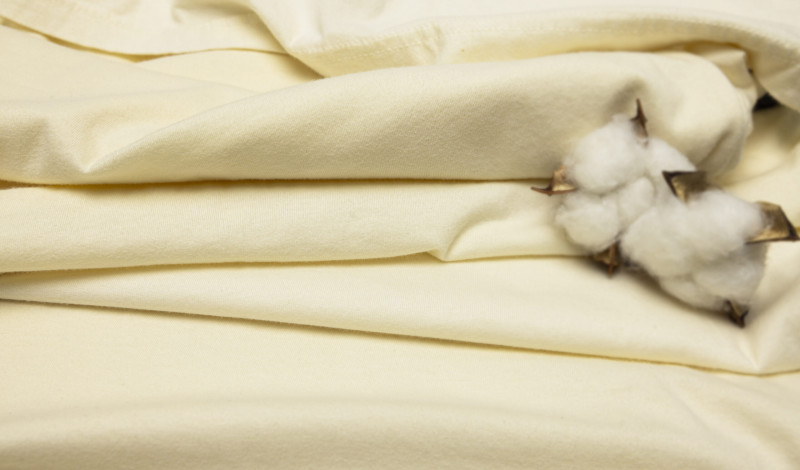
The Fabric Foundation: How Fabric, Ink, and Process Influence Color Matching
When we talk about color in apparel, the conversation often centers on matching — hitting the exact shade, ensuring consistency across runs, and delivering on a brand’s visual identity. But from a product standpoint, one of the most important (and often overlooked) variables in that equation is the fabric itself.
At Next Level Apparel, we see fabric not just as the foundation of a garment, but as an active participant in how color is ultimately achieved, especially when it comes to screen printing. The relationship between fabric and ink is critical, and understanding that relationship is key to getting both the look and performance right.
Fabric First – The Foundation of Print Success
Before ink ever touches a garment, the fabric has already set the stage. Fiber composition, surface texture, and absorbency all influence how color will appear once printed.
One of the clearest examples of this is the difference between natural and synthetic fibers. Cotton, particularly 100% cotton, has a unique ability to absorb water-based inks. The fibers allow the ink to penetrate rather than sit on top, resulting in a softer hand feel and more integrated finish. This is often the desired outcome for brands looking for that lived-in, premium quality.
By contrast, synthetic materials like polyester behave very differently. These fibers are less absorbent, which means inks, particularly water-based ones, don’t interact with the fabric in the same way. Instead of being absorbed, the ink tends to sit on the surface, which can affect both the vibrancy and durability of the print.
Blends fall somewhere in between. A cotton-poly blend, for example, can offer some of the softness and printability of cotton, but it won’t perform identically. That variability is where a lot of complexity comes in and where product decisions really matter.
Water-Based Inks — Where Fabric Choice Matters Most
Water-based inks have become increasingly popular, and for good reason. They offer a softer feel, a more breathable print, and align well with growing sustainability priorities across the industry.
However, they also require a more thoughtful approach to fabric selection.
In our experience, water-based inks perform best on 100% cotton. The natural fibers allow the ink to properly absorb and bind, creating a finish that feels almost indistinguishable from the fabric itself. This is what gives water-based printing its signature softness and makes it such an appealing option for premium and retail-ready garments.
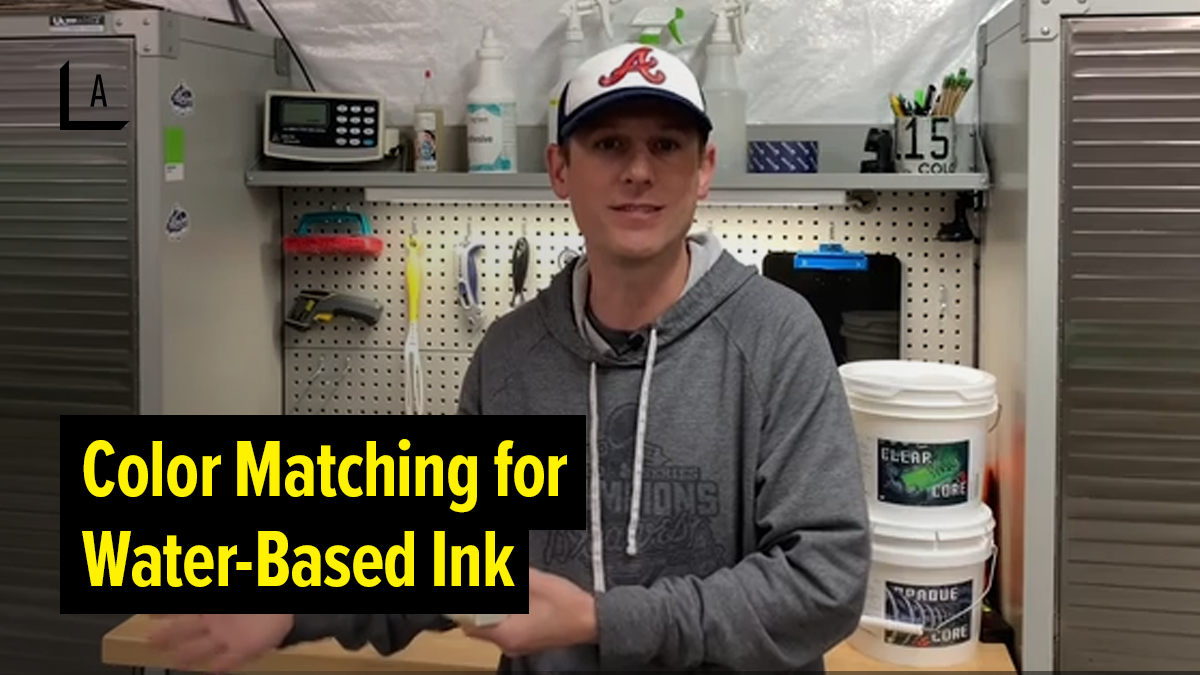
Listen in as Jesse Poteet, Startup Screen Printing, shares his color-matching tips for water-based inks.
While it is possible to use water-based inks on polyester or blended fabrics, it’s not always ideal. On synthetics, the lack of absorbency can lead to less consistent results, reduced vibrancy, and potential issues with durability over time. You may also encounter challenges with curing and adhesion, which can impact the overall quality of the final product.
That doesn’t mean blends or synthetics don’t have a place. They absolutely do! But it does mean that aligning the right ink with the right fabric is essential. When those elements are mismatched, even the best color formulation won’t deliver the intended result.
One of the misconceptions in color matching is that it’s purely about visual alignment. In reality, color is also a physical interaction between materials.
The same ink formula can look different depending on the fabric it’s applied to. A print on a ring-spun cotton T will not appear identical to that same print on a polyester performance shirt. The base material affects how light interacts with the surface, how the ink settles, and how the color is ultimately perceived.
That’s why we always encourage thinking about color and fabric together, not separately. It’s not about choosing a Pantone and expecting it to translate perfectly across every garment. It’s about understanding how that color will live on a specific fabric, and making informed decisions accordingly.
The Sustainability Connection

Using water-based inks on 100% cotton not only improves print quality, but also aligns more closely with a cleaner, more efficient production approach. | Credit: Next Level Apparel
There’s also an integral sustainability angle to this conversation.
Water-based inks are often considered a more environmentally responsible option compared to traditional plastisol inks. They typically contain fewer harmful chemicals and produce a softer, more breathable print without the need for heavy additives.
But to fully realize those benefits, the fabric needs to support the process. Using water-based inks on 100% cotton not only improves print quality, but also aligns more closely with a cleaner, more efficient production approach. When inks absorb properly, there’s less need for additional layers or corrections, which can reduce waste and resource use.
On the flip side, trying to force water-based inks onto less compatible fabrics can lead to inefficiencies — more trial and error, more reprints, and ultimately more material waste. So in that sense, choosing the right fabric isn’t just a quality decision; it’s a sustainability one as well.
Building Better Outcomes Through Alignment
At the end of the day, achieving the right color on a garment isn’t just about the ink or the artwork. It’s about alignment — between fabric, ink, and process.
For decorators and brands, it means asking the right questions upfront. What type of ink will be used? What kind of finish is the goal? How will the garment be worn and washed? These considerations can help guide fabric selection and avoid challenges later in the process.
Because when everything is aligned — when the fabric supports the ink, and the ink enhances the fabric — that’s when you get the best results. Color looks the way it’s intended to, prints feel the way they should, and the final product meets both aesthetic and performance expectations.
As the industry continues to evolve, we’re seeing a shift toward more intentional decision-making in how products are developed and produced.
Color will always be a central part of apparel. But to truly get it right, we need to think beyond matching and consider the full picture. Fabric, ink, and process are all interconnected, and each plays a role in the final outcome.
From our perspective, the more we understand and respect those relationships, the better equipped we are to deliver products that meet the demands of today’s brands, and the expectations of today’s consumers.
Because great color doesn’t just happen at the print stage. It starts with the fabric.


