

How On-Demand Printing is Reshaping Event Merchandise
Editor’s Note: This article was written for Promo Impressions. For more content on promotional products decoration, be sure to subscribe to the biweekly newsletter at PromoImpressions.com.
As anyone in event marketing will tell you, the era of mass-produced plastic keychains, tote bags, and pens is coming to an end. Today’s event attendees are looking for more than standard swag; they are seeking customized experiences.
This fundamental shift in how brands engage with live audiences is emerging in response to consumer preferences for personalization and sustainability, reshaping the way we develop and deliver merchandise. Real-time customization offers a more engaging audience experience, a more effective approach to brand storytelling, and a way to produce products more sustainably.
Adding Value in a Saturated Environment
Today’s event attendees are accustomed to algorithms driving personalized online product recommendations and to social media allowing them a look at event activations and exclusive experiences. As a result, their expectations for live events have changed significantly. Companies that create event merchandise are under pressure to deliver similarly tailored interactions.
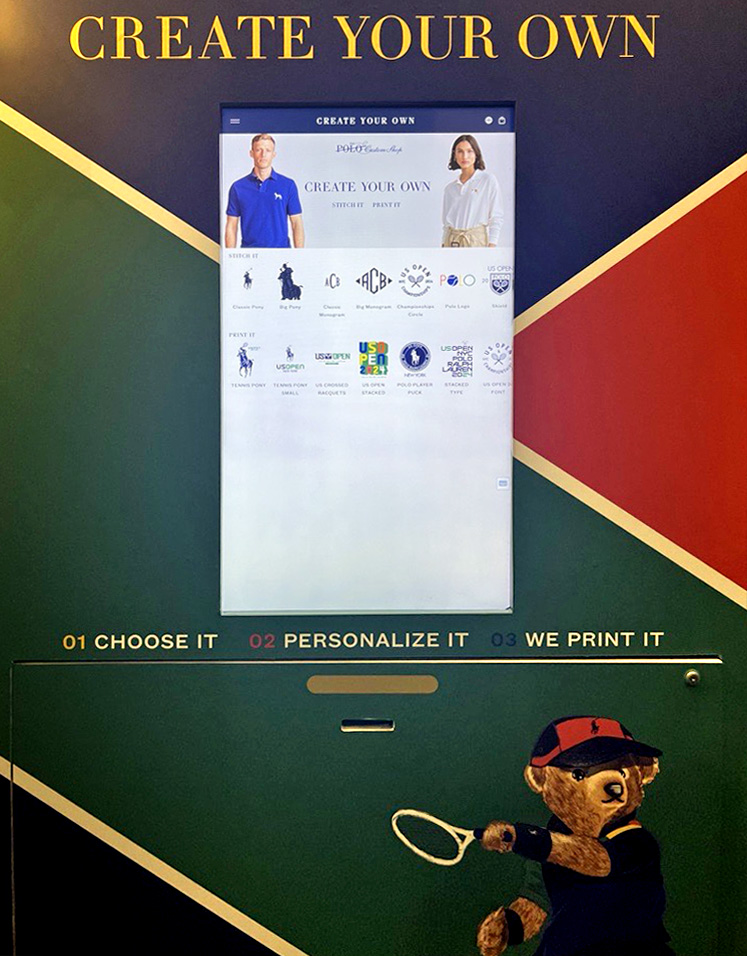
Kiosks allowed event attendees to create their own merch. | Credit: Roland DGA
Offering merchandise that is customized on-site provides event sponsors with several important advantages:
- It allows attendees to participate in designing their item, which creates an emotional connection with both the item and the brand.
- On-demand production reduces overproduction and excess inventory waste.
- Personalization improves an item’s lifetime — attendees are more likely to keep, wear, or share customized items, increasing the reach of a brand’s presence beyond the event itself.
- Brands can easily adapt their designs based on event themes, audience demographics, or live feedback.
Delivering Value On-site
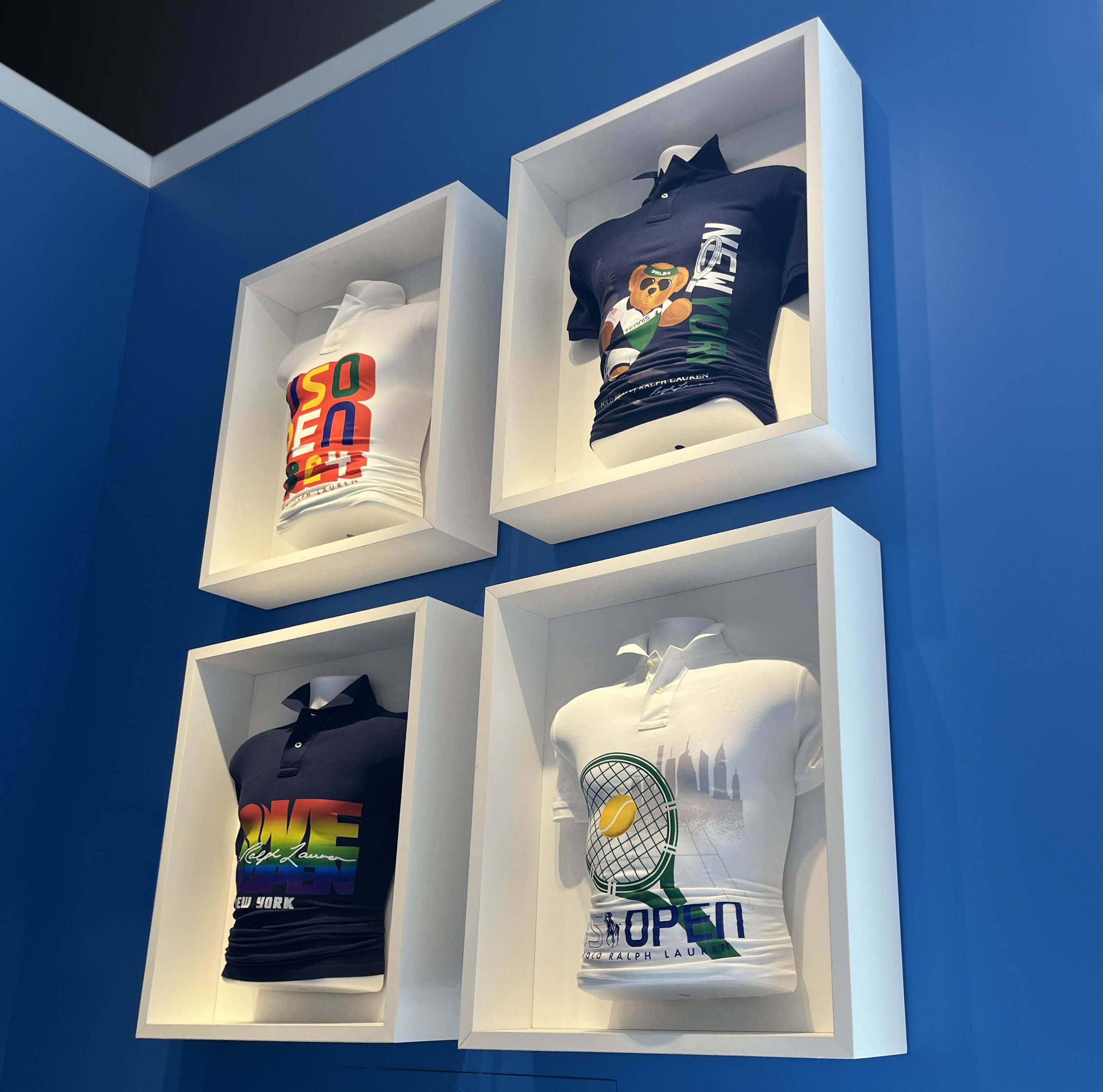
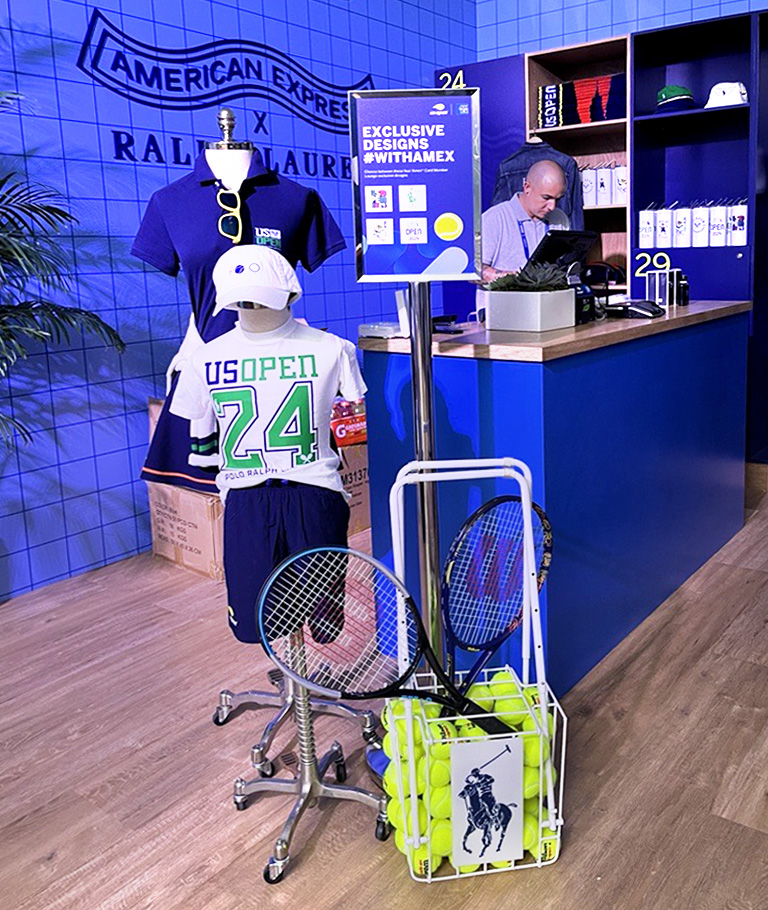
At last year’s US Open Tennis Championship in Flushing, New York, my company, YR, a product customization software provider, worked with digital printer manufacturer Roland DGA to deploy on-demand personalized apparel.
Together, Roland DGA and YR delivered a seamless, premium on-site printing experience using Roland DG VersaSTUDIO BY-20 direct-to-film printers and YR’s latest software platform. The BY-20 DTF printers make it easy to output personalized graphics on demand. When integrated with YR’s powerful software, fans were able to create personalized apparel and accessories instantly. The YR installation produced over 10,000 high-quality items for US Open attendees.
Quality Over Quantity
Credit: Roland DGA
As awareness of the environmental cost of overproduction grows, brands and consumers are reassessing the value of traditional event swag. One-size-fits-all giveaways, often produced in bulk overseas and quickly discarded, are increasingly seen as wasteful and not aligned with modern sustainability goals.
The move toward personalized, high-quality merchandise reflects larger consumer and societal sentiments. There is a growing cultural emphasis on sustainability alongside trends toward minimalism and conscious consumption. People want fewer, higher-quality products that offer utility, longevity, and personal relevance.
These trends are especially relevant for experiential event activations. Now, instead of measuring impact by the number of items distributed, brands are beginning to evaluate attendees’ perceptions of the activation and its resonance through social sharing.
Credit: Roland DGA
Cutting-Edge Technology Enhances Event Experience
Delivering personalized merchandise to a large audience depends on technology. Advances in software, user experience design, and on-site hardware from printing industry leaders like Roland DGA have simplified the process of offering on-site customization in real-time, without compromising on quality.
Digital printing solutions, interactive design interfaces, and cloud-based asset management tools allow for a seamless customer journey from initial interaction to finished product. These systems reduce the challenges typically associated with customization, making the experience intuitive and accessible for attendees of all ages and backgrounds.
Where to Start
For companies looking to evolve their event strategies, the shift toward personalization and sustainability presents a valuable opportunity. Here are a few guidelines on where to start:
- Prioritize quality over quantity. Fewer thoughtfully designed and executed items often deliver more value than high-volume giveaways.
- Simplify customization. Use on-site interfaces that are easy to navigate with clear prompts and helpful guidance to ensure a smooth user experience.
- Know your audience. Understand what they value, use, and share, and tailor product options accordingly.
By focusing on these areas, brands and the companies that support them can create more meaningful experiences that attendees will remember long after the event itself is over.


