
Technology Trends: What’s New in Equipment and Tools
As printers start the new year, it’s the perfect time to take stock of industry trends like automation and POD, and look at the equipment and tools that will get your shop up to speed and competitive.
Heading into the new year, decorators should pay attention to what customers want — fast delivery of customized apparel and hard goods — as they’re considering new technology investments for their shops. The good news is that the industry is expanding rather than shrinking, offering more growth areas to printers.
New Tech Shops Should Know About for 2026
Manufacturers are constantly releasing new equipment, software, accessories, and tools that support traditional production as well as increasingly flexible, digital workflows. For example, this year, The Lawson Workhorse Group (LWG) has focused on meeting the evolving needs of modern decorating facilities, addressing both analog screen printing and digital direct-to-film (DTF) and direct-to-garment (DTG) workflows.
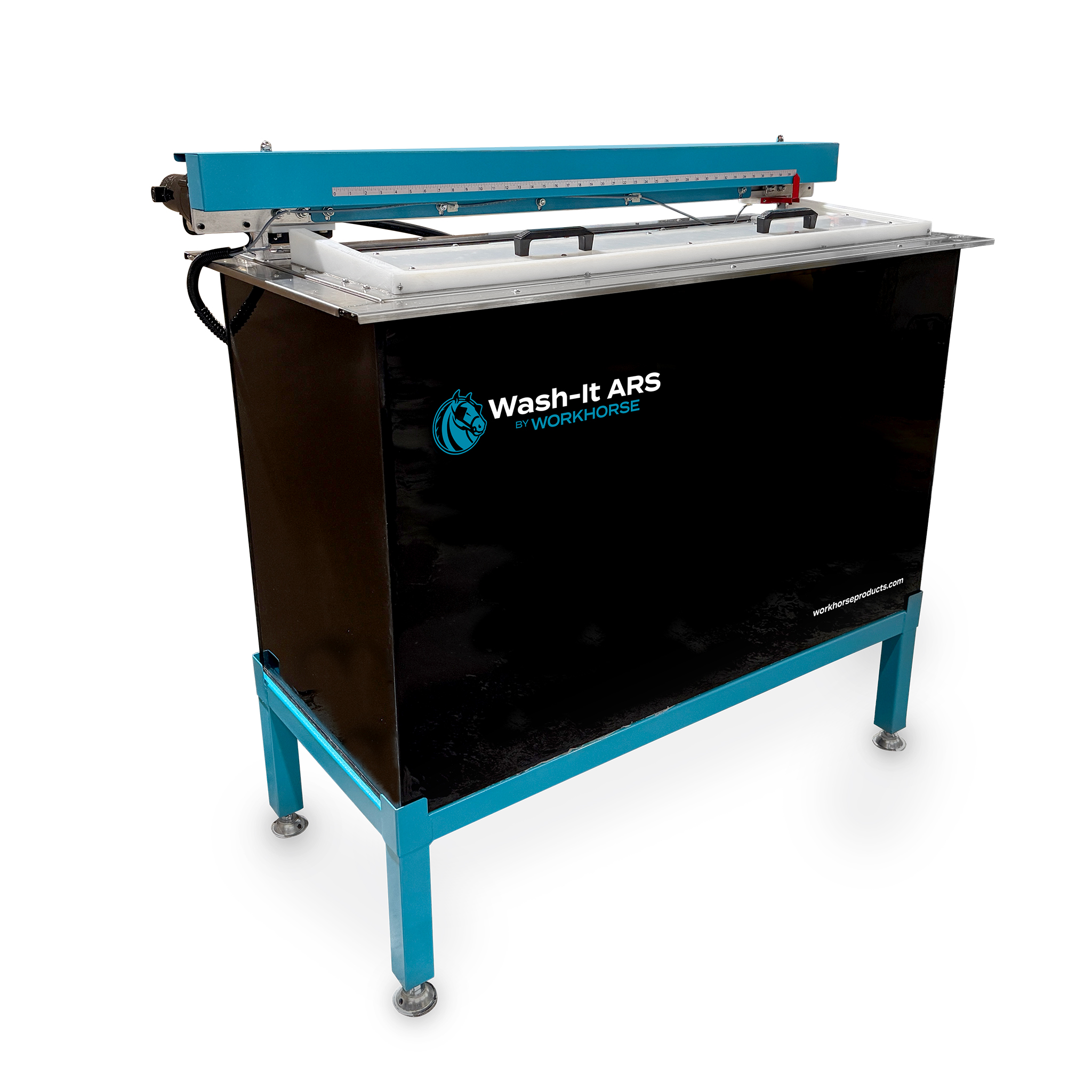
In screen printing, LWG launched a line of automated reclaiming equipment, including the multi-chamber Lawson Ajax-Reclaimer and the Workhorse Wash-It ARS. “These units allow shops of any size to automate the dirtiest part of the job,” says Taylor Landesman, vice president of LWG.
The company also expanded its press lineup as a major distributor of DCC automatic equipment in America. “This partnership allows us to offer high-volume, high-color carousels and oval presses that complement our existing models engineered for smaller footprints,” Landesman says.
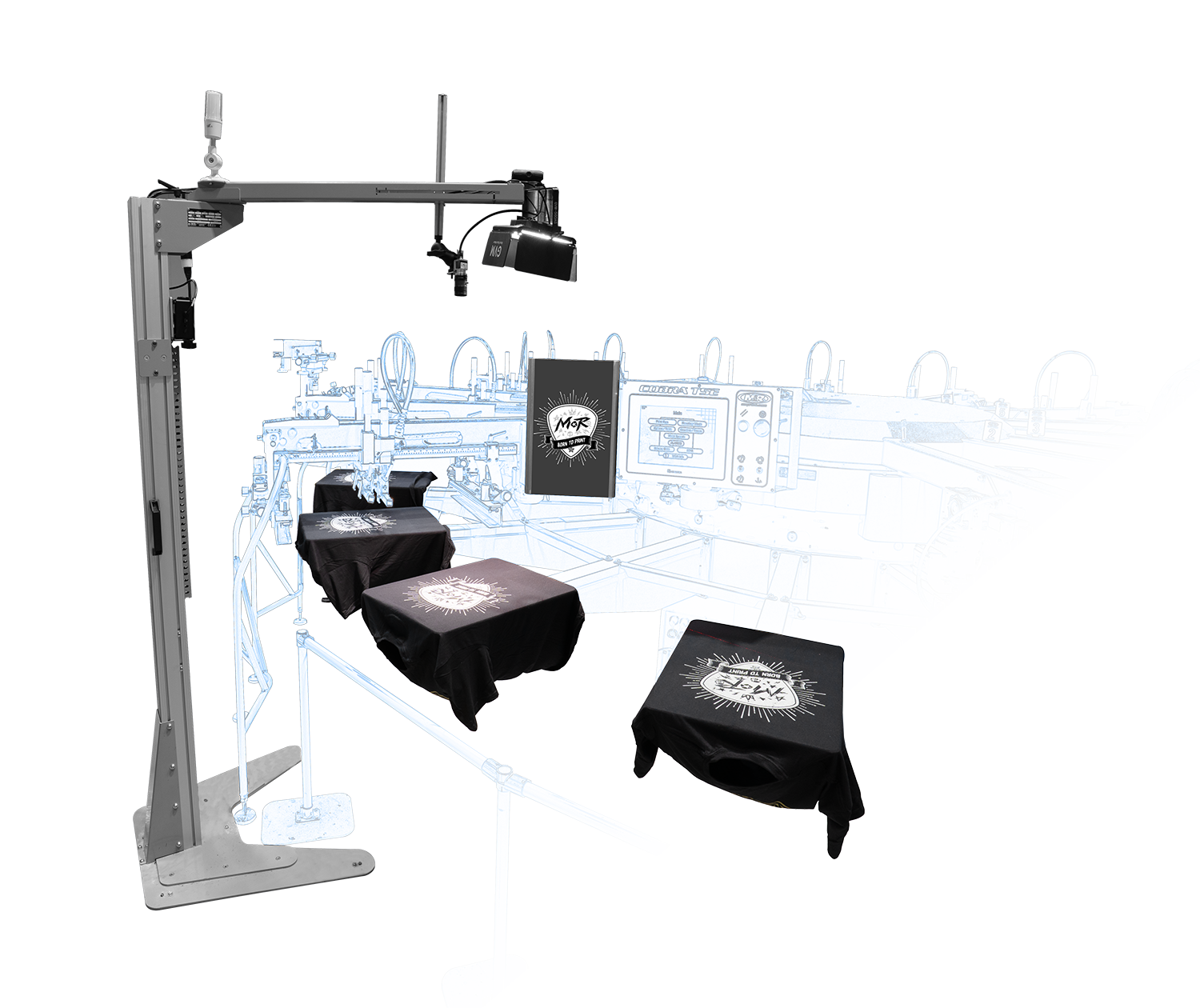
For screen printers, M&R Printing Equipment introduced the Image Capture System (ICS 2.0), a tool set to improve printing quality. “The system takes a photo of an accepted quality print on the press, saves the target image, and compares it against all future prints in your run,” says Bill Christensen, vice president of SM&RT Technology Sales at M&R. “ICS is based on a stoplight alert system: An approved print is green-lit, a print that’s lower quality but still within the range based on your settings will flash yellow, and a print that’s out of target range will be red-alerted.”
Digital apparel decoration printing technology is also rapidly evolving. “This technology empowers decorators to swiftly adapt to shifting customer demands and industry conditions,” says Tim Check, senior product manager of professional imaging at Epson America. “As we anticipate 2026, closely monitor this technology, as there are high expectations for its continued evolution.”
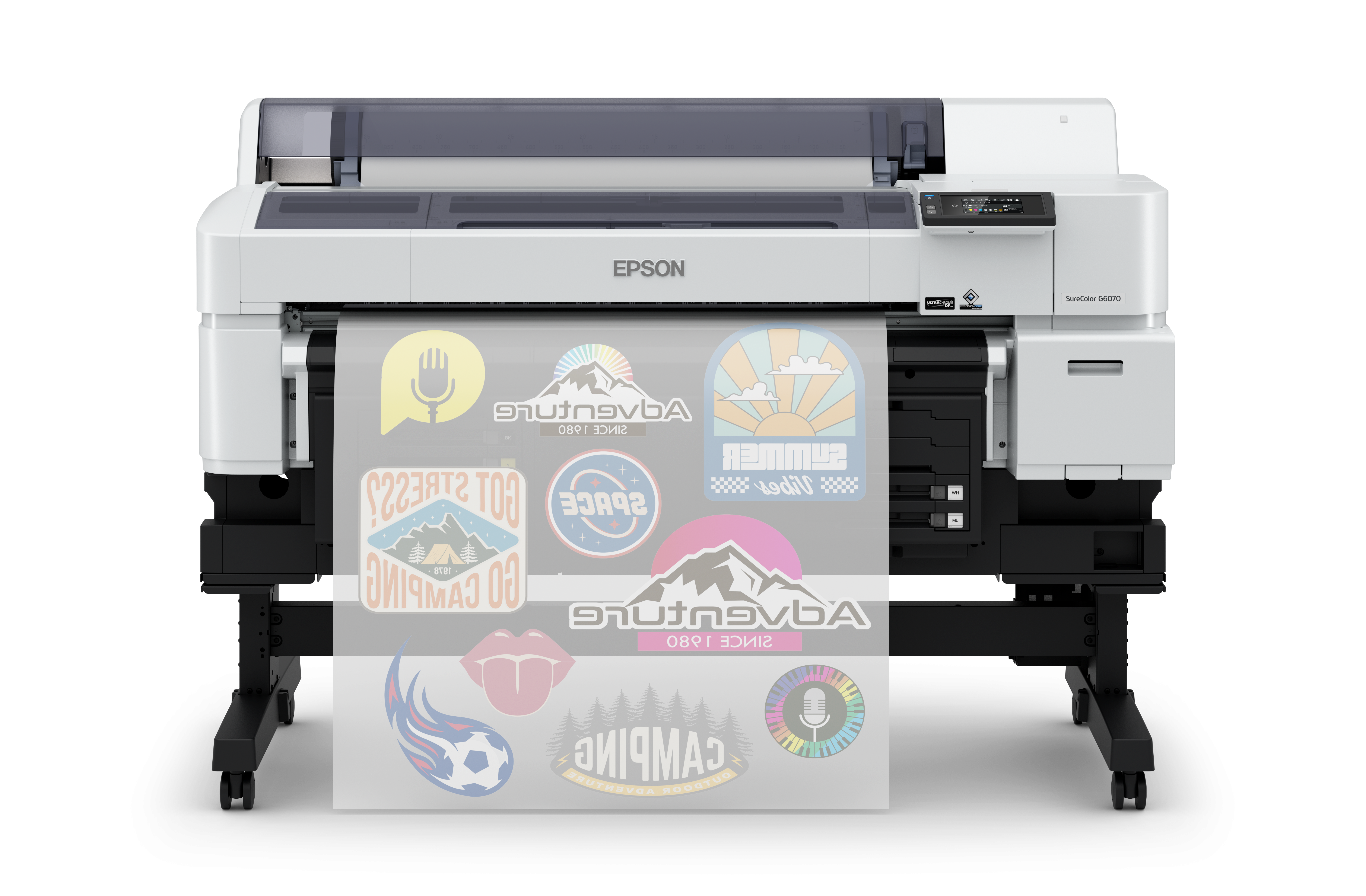
As DTF’s popularity continues to grow, Epson has brought new tech to the table with the SureColor G-Series line. The debut product is the SureColor G6070, designed to deliver reliability, ease of use, minimal maintenance, and consistent print quality for decorators looking to scale up DTF production and easily print oversized graphics, Check explains.
LWG has also grown its DTF offerings by manufacturing automatic heat presses and auxiliary equipment. “The goal is to give clients access to affordable, labor-saving solutions for digital transfer production,” Landesman says.
Workflow, Customization, and Experience-Driven Tech
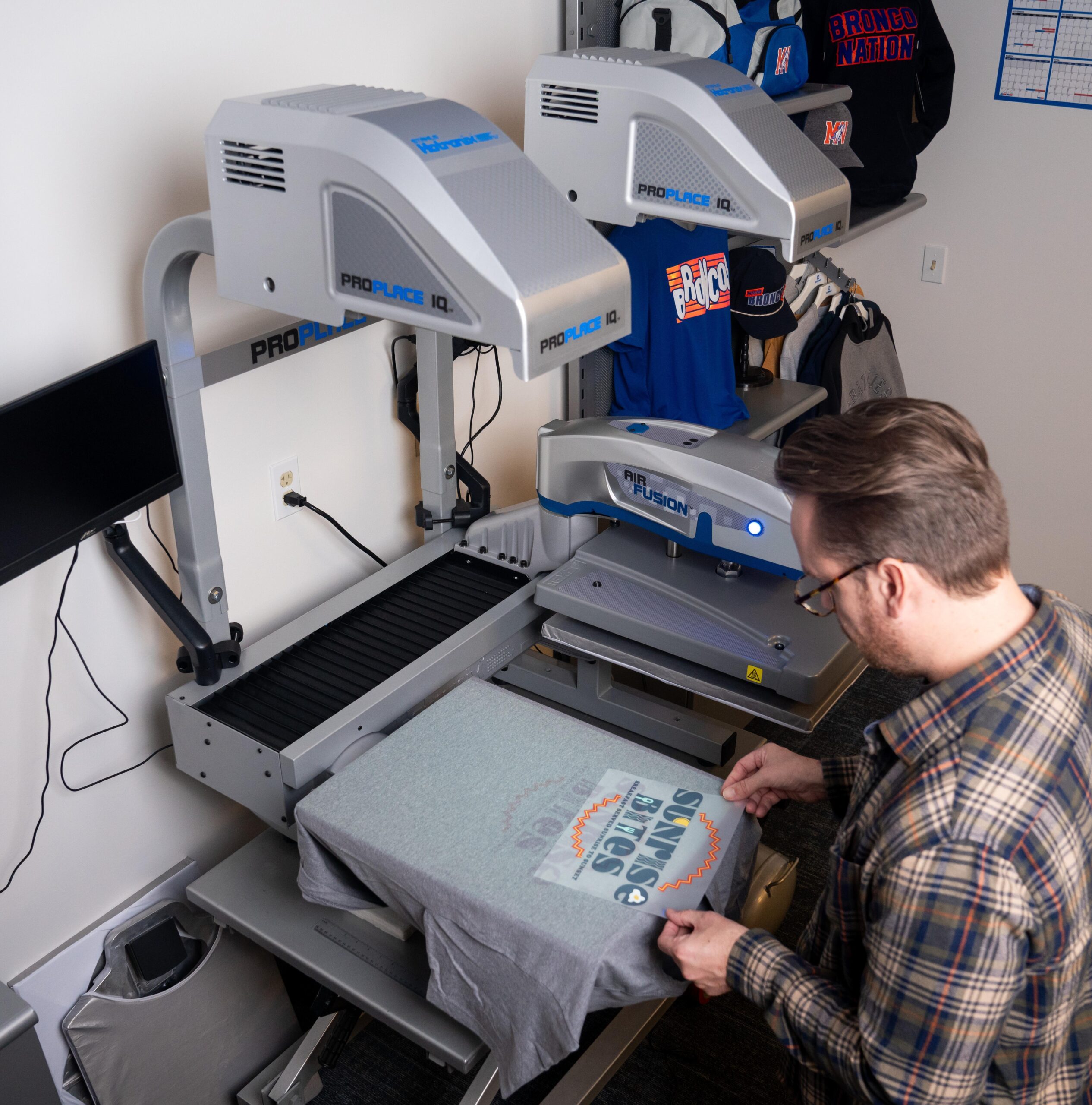
Beyond new equipment, decorators are also investing in workflow tools and customization technologies that improve consistency, expand creative possibilities, and support more flexible ways of working.
“Over the past year, our focus has been on improving process control and consistency at the point of decoration, particularly within heat-applied graphics,” says Ben Robinson, chief manufacturing officer at STAHLS' Hotronix/GroupeSTAHL.
A key development for the company is the release of EZ Layout Widgets for the ProPlace IQ system. These widgets provide decorators with standardized layout grids — including full-front, left-chest, and back-name placements — stored in an easy-access format for immediate use. “By embedding industry-standard placement guides directly into the workflow, decorators can apply graphics with confidence and repeatability across operators, shifts, and locations,” Robinson says.
Across the board, innovation is centered on dimensional decoration, retail customization, print-on-demand (POD) systems, and smarter workflows. One development from STAHLS’ is Liquid 3D. When paired with new designer tools, users can achieve high-relief, dimensional graphics.
POD continues to evolve beyond traditional shop environments. Portable, kiosk-style POD systems, often tablet-driven and event-ready, are becoming a key growth area.
Undergirding all of this is a bigger push toward automation and connected software workflows. “Efficiency and automation are no longer optional,” says Frank Good, commercial sales account executive at GroupeSTAHL. “Gone are the days of one person trying to do everything themselves. Technology has to support the decorator, not slow them down.”
New Tech Aimed at Solving Big Pain Points
Manufacturers are designing technology to solve the daily friction and bottlenecks decorators face, balancing efficiency and flexibility as orders grow more complex with a mix of POD on and large volumes.
The tension between shrinking run sizes and the demand for high levels of customization is one of the primary challenges machine manufacturers are now working to solve for decorators. “Decorators are facing a distinct dichotomy,” Landesman says. “They need agile solutions for one-offs and small orders, yet they still require robust machinery for large production runs where digital methods would be cost-prohibitive.”
Lawson’s approach addresses this split. “By offering DTF auxiliary equipment, we help shops handle short runs efficiently without tying up their major presses,” Landesman says. “Simultaneously, our high-volume DCC screen printing presses and automated reclaiming systems solve the efficiency puzzle for bulk orders.”
When it comes to DTF, the newness of the technology is still creating challenges. “While all DTF printers can produce transfers, reliability and maintenance demands vary widely,” Check says. “Systems built outside OEM environments often create hidden costs, pulling decorators away from growth. Our focus has been on reducing manual oversight through automated maintenance and monitoring so shops can maintain consistent, sellable output without babysitting equipment.”
Another issue printers encounter with transfers is inconsistency caused by manual placement and operator interpretation. “From an efficiency standpoint, [STAHLS’ EZ Layout Widgets] reduce training time for new operators and minimize rework,” Robinson says. “From a quality perspective, it ensures consistent output regardless of who is running the press. As decorators scale production or operate in multi-shift environments, this level of standardization becomes essential to maintaining brand and customer expectations.”
Beyond placement, early defect detection is another area where new tools are reducing waste and rework. M&R’s Image Capture System is designed to support press inspection, for example. “You don’t have to wait until garments reach the end of the dryer,” Christensen says. “You can detect common defects such as pinholes, off-registration, threads, and low ink in the unload station.”
POD systems and kiosks can help decorators handle orders of any size without disruption. “The ability to meet any size order demand — on time, every time — is critical,” says Dave Conner, director of product marketing and development at Fulfill Engine. “That’s what allows decorators to say yes more often without overextending their teams.” Automation then ties it all together by reducing burnout and operational strain.
Top Innovation and Investment Trends
After several years of rapid innovation across decoration methods, the industry is entering a phase where automation and workflow stability matter more than any single trend.
Suppliers and decorators are seeing the maturation of DTF after it made a big splash in the marketplace. “DTF has undeniably been the industry buzzword for the last 18 months, driving demand for reliable heat-application tools,” Landesman says. “However, the larger structural shift is toward automation born out of necessity. As labor becomes more expensive and skilled operators become harder to train and retain, shops are looking to remove the manual variables.”
At the same time, hybrid systems that combine DTF with DTG are expanding creative possibilities. “This gives print providers greater flexibility to meet diverse customer needs,” Check says. “Together, these innovations point to a future of faster, more efficient, and more versatile garment decoration.”
Automation is much more than a buzzword for printers, since it’s becoming a necessary part of doing business and staying competitive. “Implementing an automated workflow requires a combination of hardware and software designed to simplify printing and fulfillment, with many of today’s solutions incorporating automated features directly into the equipment itself,” Check says.
For example, screen printing, which has traditionally been a blend of art and science for high-volume jobs, is now vulnerable as shops rely on operator skill in today’s labor market. “Consequently, we’re seeing shops that wouldn’t traditionally fit the ‘high-volume’ profile investing in automation, not just for speed, but to stabilize their labor costs and ensure consistent quality regardless of who’s running the machine,” Landesman says.
Choosing equipment with automation capabilities will be a key part of decorators’ evaluations. As more businesses globally shift toward automation, faster turnaround, and greater production flexibility, printers will need to take part. “In the POD world, decorators are handling more short-run and variable orders than ever before, which requires tools that support efficiency without adding operational complexity,” Robinson says.
POD customization will expand beyond apparel. “Everything is moving toward POD,” Conner explains. “And it’s not just shirts — it’s across product categories.”
There’s also growing interest in specialty decoration techniques, or applications that require precise placement and consistent execution. “These trends are driving innovation toward smarter accessories and software solutions that help decorators maintain quality while increasing throughput,” Robinson says.
Mistakes to Avoid When Upgrading Equipment or Adding Accessories
Upgrading equipment or adding accessories can unlock real gains for your print shop, but only if you avoid the most common pitfalls that derail ROI and workflow.
- Upgrading equipment shouldn’t be considered something painful or difficult. “Moving into new equipment should be a welcome change to improve processes, automate, save time, or improve production capabilities,” Christensen says. “You can possibly even improve work conditions within your shop. The decision to upgrade needs a serious evaluation from your shop’s upper management to decide which direction to take to invest. Still, once you make that decision, the path should be clear and explainable to your operations folks.”
- Don’t confuse “marketing hype” with long-term reliability. “It’s easy to be swayed by the brand with the flashiest social media presence, but decorators need to ask themselves: ‘Who’ll pick up the phone when I need support five years from now?’” Landesman says. “We advise shops to prioritize longevity and accessibility over trends. Think about the reality of your production, not just the highlight reel.” He recommends buying equipment that fits your shop’s “bread and butter,” or the 80% of work you’re doing right now, versus over-investing in equipment for hypothetical work you might get. “An upgrade should solve a current bottleneck, not create a new one for a niche you haven't established yet,” Landesman says.
- Consider that older equipment can cost you opportunities and jobs. “While the technology was once state-of-the-art, it may now be lagging industry standards in quality, putting your reputation at risk,” Check says. “Garment digital print technology has quickly evolved over the past year in terms of quality and reliability.” When looking to upgrade equipment or add accessories, he says to consider when speed and responsiveness matter most. “If a business thrives on walk-in or on-demand services, adding a printer allows jobs to run in parallel, boosting throughput and responsiveness without sacrificing quality.”
- Realize that equipment upgrades aren’t primarily about increasing speed. “In reality, the most valuable improvements often come from greater control, consistency, and expanded application capability,” Robinson says. “Accessories and workflow tools can dramatically reduce errors, improve operator confidence, and stabilize production outcomes. When properly integrated, they enhance both productivity and quality, often with a faster return on investment than decorators expect.”
- Automation doesn’t replace creativity.
- Experience-driven tools may feel outside traditional shop workflows, but they often expand a decorator’s addressable market.
How to Plan for Your 2026 Investments
The difference between a smart 2026 investment and an expensive headache often comes down to planning, integration, and alignment with how your shop actually makes a profit.
The biggest factor is workflow integration. “Don’t just evaluate a machine on its isolated specs,” Landesman says. “Ask how it’ll physically and operationally fit into your current shop ecosystem. Will this new, faster press create a bottleneck at your dryer? Will this software talk to your existing accounting tools?”
Similarly, shops should evaluate bottlenecks as well as investments based on versatility and application expansion, not just output volume. “For example, optional heat press platens enable efficient decoration of bags, small garments, sleeves, and leg placements, areas that are challenging or impractical with other decoration methods,” Robinson says. “These platens also help remove creases, expand printable areas, and support specialty techniques that differentiate a shop’s offering.”
The ability to unlock new revenue streams should also be a key factor in any new equipment decision. Secondly, choose a vendor who acts as a trusted partner, not just a retailer. “You want to work with a team that has deep industry knowledge and can guide you through the transition,” Landesman says. “In this economic climate, the value of a partner who understands the nuances of your business and can offer genuine technical support often outweighs a slightly lower sticker price from a box-mover.”
Finally, scalability matters. These are just a few basic questions Christensen recommends to start your shop’s internal discussion about upgrading or improving your technology:
While innovation continues to move the industry forward, it’s important to recognize solutions that remain foundational. “For example, original hot split, screen-printed transfers continue to offer one of the easiest application processes and softest hand feels available, and they remain a benchmark for quality in heat-applied graphics,” Robinson says. “As decorators adopt new technologies, balancing innovation with proven, reliable methods is often the smartest path to sustainable growth.”