
Printing Tote Bags: Best Methods, Materials, and Tips for High-Quality Results
Editor's Note: This article was written for Promo Impressions. For more content on promotional products decoration, subscribe at PromoImpressions.com.
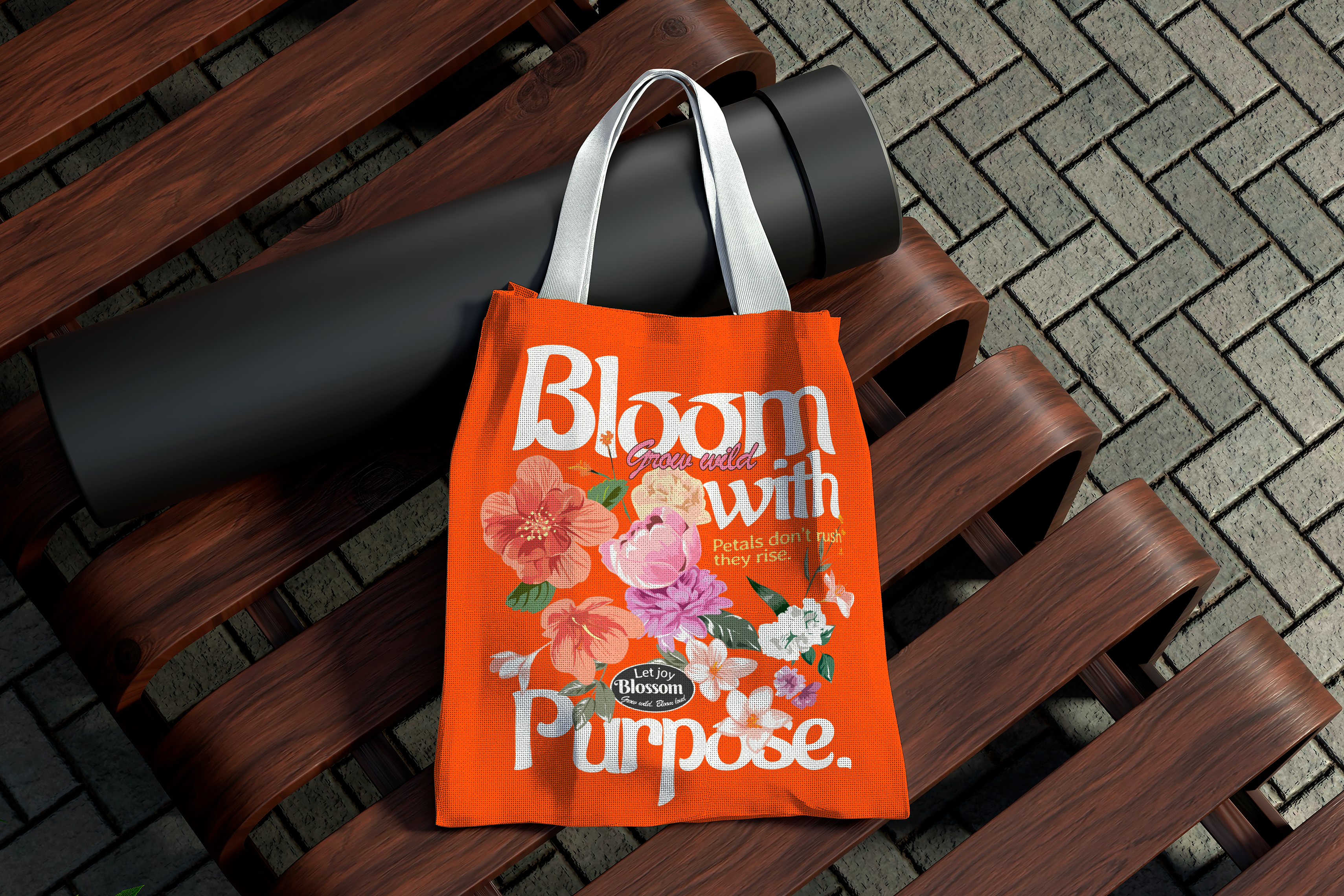
It seems like you can’t leave any event these days without snagging a tote bag on the way out. However, as we all know, when it comes to promotional products, there’s a fine line between one-and-done items and staple pieces that people will want to hold onto.
So, we gathered some advice from industry experts for the best methods and practices for printing on tote bags to ensure your tote bag is one people will be proud to have on their arm.
Selecting the Right Decoration Method
Mike Davis, product manager at Roland DGA, explains that there are various printing methods for tote bags, but it’s on you as the printer to determine the right one.
“The most common methods used for tote bag decoration are direct-to-film (DTF) printing, screen printing, and heat transfer vinyl (HTV). Each of these methods provides excellent graphic decoration — and the results will be relatively indistinguishable to the average consumer,” Davis says. “However, each method has its own requirements and workflow. You can also incorporate premium decoration techniques such as embroidery.”
So, how can you determine which is best? Well, it’s a multilayered answer.
If you ask Shawn Teli, director of marketing at Q-Tees, he’ll break it down like this: Screen printing is best for bold logos, simple designs, and large orders. DTG is best for detailed graphics, full-color prints, and small runs. A heat press is best for small runs, personalization, and vibrant colors, and it’s particularly optimal for adding names, numbers, or personalized elements.
Teli explains that screen printing is best for the bold logos and simpler designs because “canvas absorbs ink well for a vibrant, durable finish, making it ideal for bold one to three color designs and cost-effective for bulk production.” However, he says the con is for those looking to print more complex artwork. Screen printing isn’t ideal for detailed photo prints.
Conversely, while Teli believes DTG is optimal for those larger-than-life designs, he emphasizes that it’s not great for larger-than-life orders and gets pricey quickly.
“DTG performs best on smoother, tighter-weave canvas (as rough textures can reduce clarity) and is generally less cost-effective for very large orders compared to screen printing,” Teli says.
Davis believes that if you’re making a run-of-the-mill tote, any decoration technique will be optimal. It’s when you get into the specialty stuff that the decision-making really comes into play.
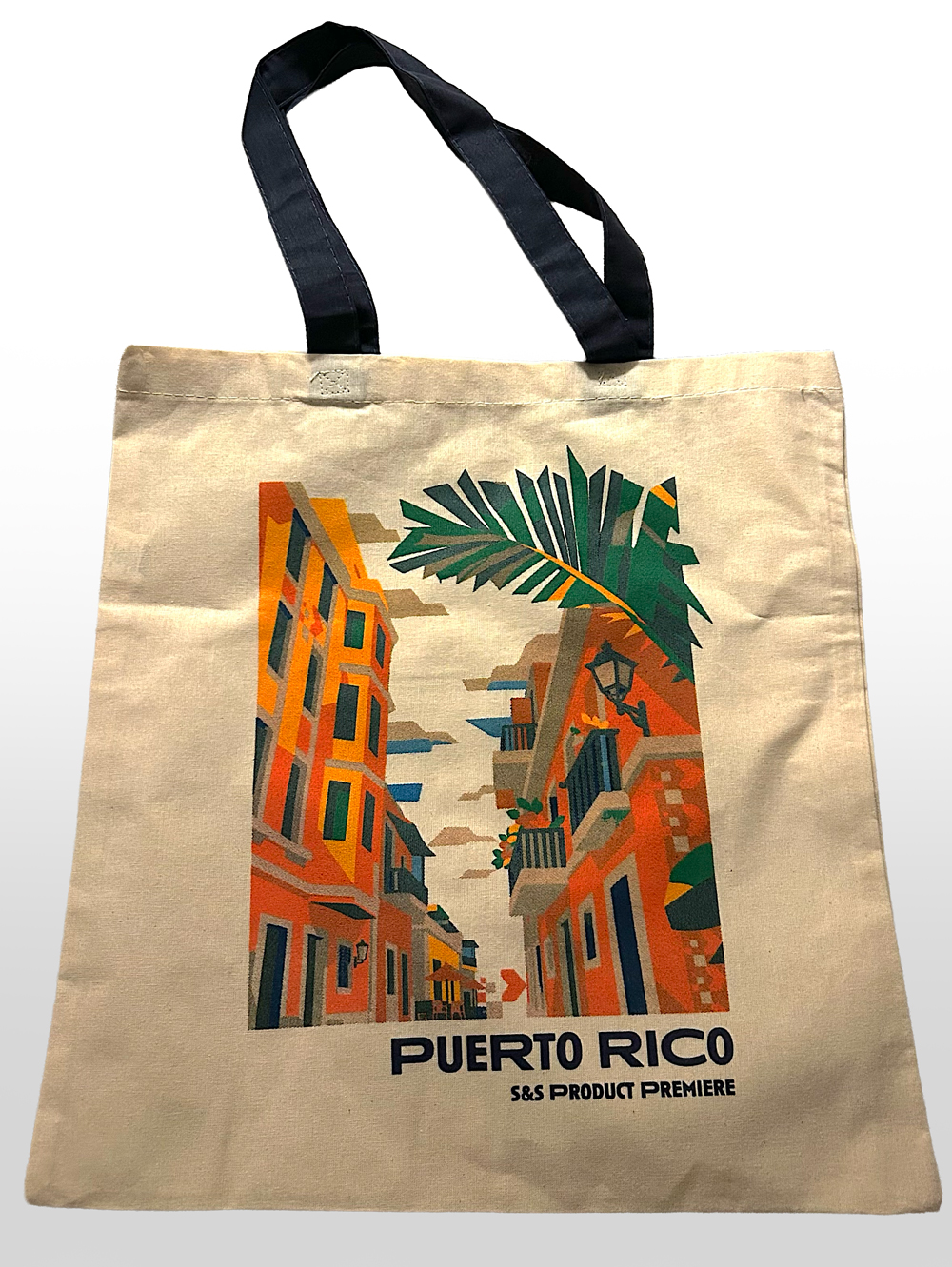
“I think most people will find that for standard prints using plain white text, the various decoration methods will result in decorated tote bags that appear nearly identical to a typical end user,” Davis says. “If you want to incorporate glitter or specialty colors such as foils, you’ll want to use screen printing or HTV. DTF is great for highly detailed graphics or graphics with a lot of colors and can produce short runs relatively inexpensively.”
What Material Is Best?
Who is the winner between cotton and synthetic blends? Across the board, it’s cotton.
“The best print results are achieved with cotton because it’s typically more stable than 100% polyester or non-woven materials. Cotton is more resistant to heat than synthetic materials,” Davis says.
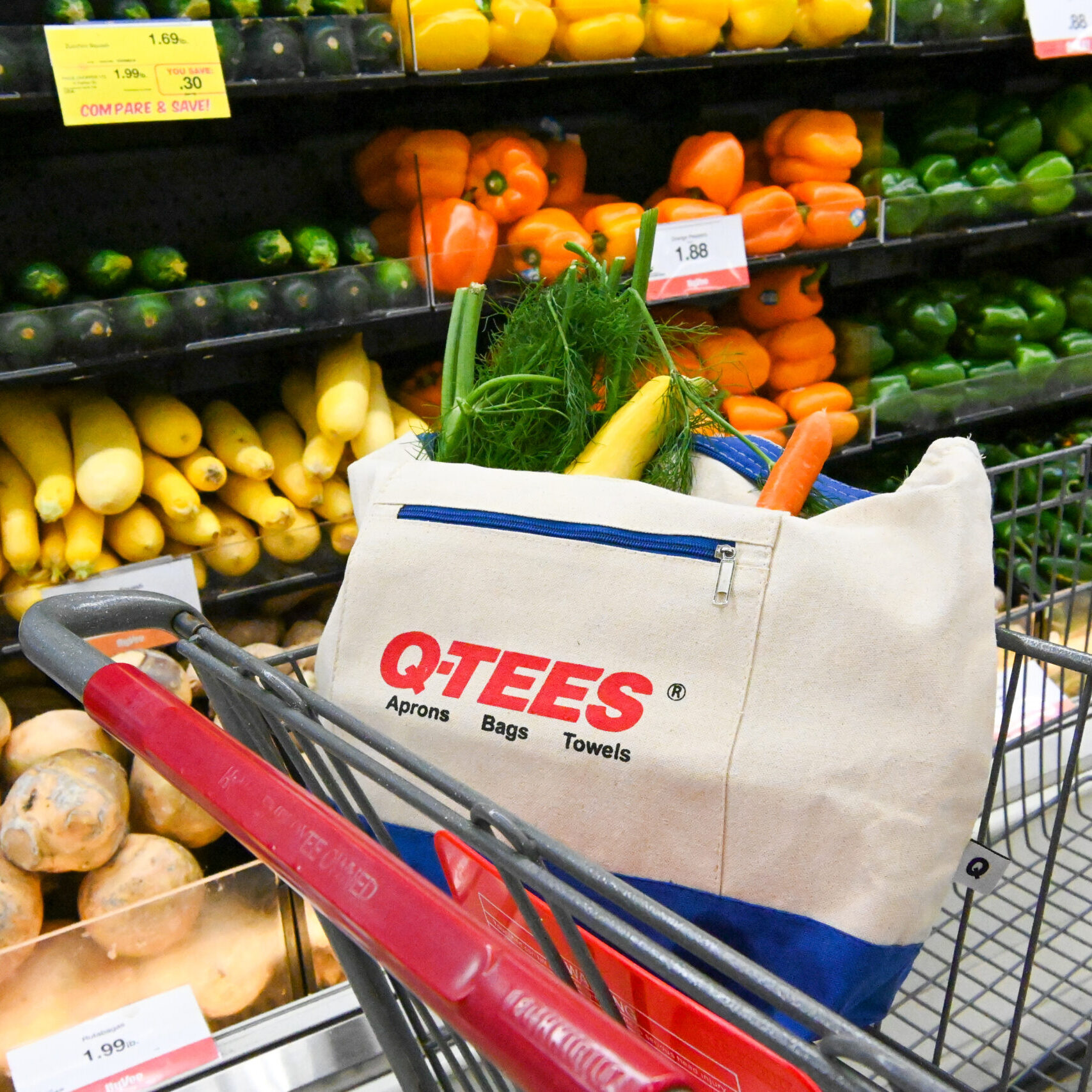
Teli agrees, noting that cotton canvas has emerged as a preferred material for tote bags, backpacks, aprons, and a wide range of promotional and retail products.
“Valued for its durability, sustainable appeal, and timeless aesthetic, [cotton] canvas provides an ideal foundation for custom branding and creative designs,” Telli continues
However, he reminds us once again that even if you have the right fabric, it all boils down to the best decoration technique for the job.
“Cotton canvas is a highly versatile material that performs beautifully across a range of customization methods. The most successful results come from aligning the printing technique with the goals of the project,” Teli says.
Other Factors to Consider
Aside from the material and design you’re working with, Davis says there are other factors to consider, like production and ease of use.
“The most important factors to consider are versatility, ease of setup, and productivity,” Davis says. “I think most people would find that DTF is the most versatile decoration option, and that with the right equipment, it offers the easiest setup and provides great productivity.”
Davis also says DTF allows apparel decorators to quickly modify the size of the graphic in the printer’s RIP software, which speeds setup and may make it a more cost-effective production method.
As for design factors, Davis advises that as a general rule of thumb for sizing, decorators should keep the maximum image area at least 1" away from the edge of your preferred decoration platen or any raised area of the tote bag surface, like seams or straps.
“There is typically more heat in the center of the heat press than at the edges, and you don’t want your print to fade out at the edges,” Davis says.
Test, Test, Test
Davis will tell you that the biggest mistake he sees decorators make with tote bags is not being aware of fabric heat restrictions. To avoid this, he urges promotional products suppliers and decorators to always test their materials, which also includes a wash test for durability.
“First, it’s always important for the operator to perform testing before moving on to production,” Davis says. “Beyond that, it’s important to know the heat restrictions for the fabric you are using. DTF transfers typically work well with heat press settings of 275-330 degrees Fahrenheit.”
Davis continues, “I recommend that everyone — whether they are new to decorating tote bags or to decorating itself or have a lot of experience — perform a test with every new material. Apply your decoration and run it through your conveyor dryer or heat press to make sure your decorating medium works well with whatever you are printing on.”
Creating a tote bag people actually want to carry comes down to thoughtful choices at every stage of the process. From selecting the right decoration method to pairing it with the best material and design, each decision plays a role in the final product’s quality and longevity. Cotton canvas continues to stand out as a reliable base, but the real key is matching the fabric, artwork, and production method to the goals of the project.