
How to Bring Embroidery In-House
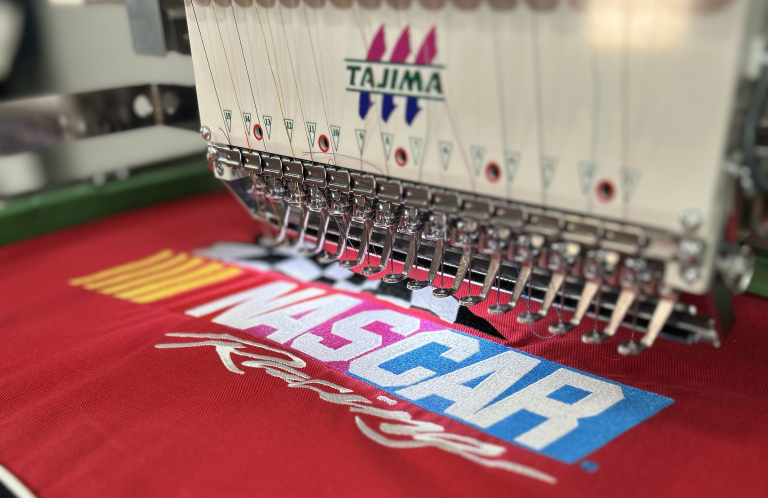
Use this guide to bring embroidery services into your print shop.
Diversification has been the name of the printing game in the last handful of years, and you may be wondering what’s next for you. You’re likely already offering screen printing, heat-applied graphics, or direct-to-garment (DTG) printing, but you’re looking for something that offers a higher perceived value.
Embroidery might be your next vertical to invest in. Before you buy an embroidery machine on a whim, there are criteria to consider. First, you need to determine if bringing the service in-house is the right business move. Then, you can get into the nitty gritty of machine features, suppliers, and training.
Ideal for corporate apparel and uniforms, as well as headwear, there are applications where embroidery excels. Offering embroidery in addition to print not only brings in new revenue streams but attracts customers looking for a one-stop-shop. It also allows decorators to explore mixed-media designs.

It's Not Time for a Machine Just Yet
When you’re bringing new equipment into your apparel printing business, you need to do some housekeeping and create a business plan before anything else. In this case, it would be a designated embroidery-based business plan, Ed Levy, vice president of technology at Hirsch Solutions, says.
Some questions he tells print businesses to ask themselves:
- What type of orders will you do?
- What is the average quantity?
- What is the estimated turnaround time?
“These factors determine how many embroidery machines will be needed and more importantly, what head configurations are needed,” he adds.
In addition to expected demand, current business volume is also an important number to look at, Henry Ma, CEO at Ricoma, adds. Plus, you want to ensure you have the space for the equipment.
“It's essential to calculate the budget for the equipment, training, and ongoing maintenance,” Ma advises. “Additionally, researching and understanding the learning curve associated with operating embroidery machines is crucial, as well as preparing for any initial downtime as they acclimate to the new process.”
Choosing the Right Machine and Supplier Partner
Once you've created an embroidery business plan, start to develop your buying plan, from what features to look for and how many heads you’ll need to choosing a supplier.
Machine features
When trying to weed through all the bells and whistles of various embroidery machines, Levy points out that keeping and hiring staff is already a pain point for decorators. Finding a machine that’s easy to use means the employee can be trained quicker, and the faster they can start turning orders.
“Machines that automatically adjust thread feed and tension and automatically adjust the presser foot height make onboarding a new operator much easier,” Levy shares.
Other machine specs to consider include number of needles, the size of the embroidery area, stitch quality, and, of course, speed. The number of needles on a machine affects the number of colors you can use at once, Ma explains. “Additional features such as automatic thread trimming, easy-to-use control panels, and built-in design memory can also be beneficial. It's also important to consider whether the machine comes with digitizing software, that way the designs can be sent from the software to the machine or vice versa through Wi-Fi, which saves time.”
Supplier checklist
A great embroidery machine is nothing without a present and helpful supplier. If you can’t get support when you need it, your production will suffer.
Both Levy and Ma agree reputation and reliability should be high on the list when finding a machine supplier or manufacturer. They should know the ins and outs of embroidery and be able to offer assistance even after the sale. Additionally, one that offers training can be helpful in the onboarding process.
Both sources encourage decorators to find out if the supplier has parts and supplies on-hand for any repairs or replacements. If you need a part and it’s not in stock, your downtime increases.
“Lastly, consider suppliers that provide good warranties and have a strong presence in the industry,” Ma adds. “Decorators should also consider the amount of resources and content the supplier posts showing how to use their products.”
Review the supplier’s social media, overall engagement with the community, blogs, YouTube channels, Google reviews, and peer recommendations to get a gauge on how they interact with customers.
How many heads do you need?
While you may want to jump in and get multiple heads of embroidery, you need to ask yourself if the demand is there, and that goes back to your business plan.
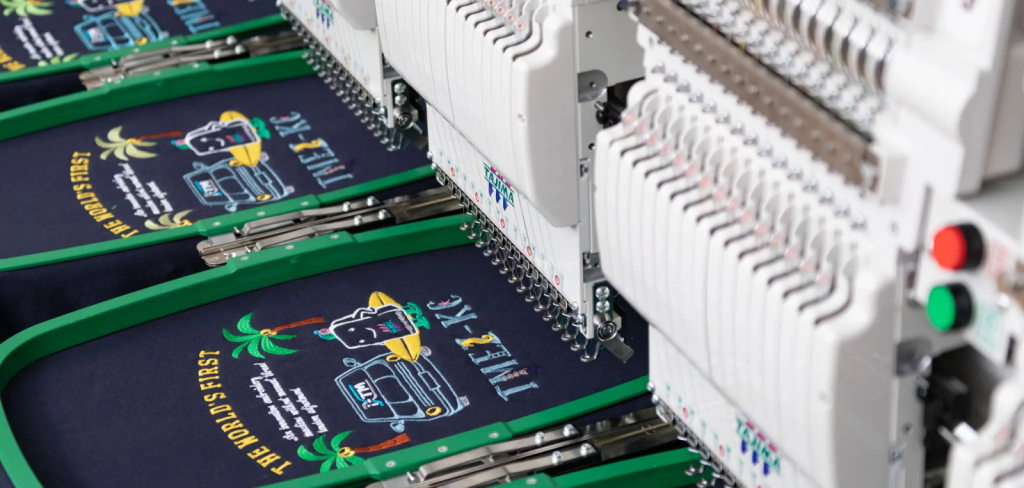
The volume of orders and job type will be the top factors when determining the number of heads, Ma says. Levy adds that job size and turnaround requirements also play a role. While there's not a one-size-fits-all solution, they offer some guidance on single-head vs. multi-head machines.
“Single-head machines are suitable for small-scale operations or custom orders, while multi-head machines are better for larger production runs and businesses looking to scale,” Ma advises.
Levy agrees, saying someone who plans to do 200-plus single-piece orders per week should look at one or more single-head embroidery machines. For someone averaging 48-piece orders, multi-head would be the way to go.
“Existing decorators looking to expand often have a track record through outsourcing embroidery,” Levy adds. “These outsourcing numbers will be helpful in choosing the proper equipment.”
If the T-shirt printer has the capital, Levy suggests a mix of single- and multi-head machines. A multi-head can take on large-volume, daily production runs, and a single-head can allow the shop to take on small, one-off and more personalized orders or samples.


Getting Trained on an Embroidery Machine
We talked about training and support being high on the list when shopping for a supplier, and for good reason. After you’ve purchased the embroidery machine, you need to learn how to use it.
If you’ve chosen the right supplier or dealer, they should have plenty of training sessions to sign up for — do them all, Levy stresses. This is where you can learn about basic machine operation.
“After that, practice will be the best educator,” he says. “Work with different materials, experience some of the challenges and take those challenges back to your dealer and work through them. It is not realistic to expect to be taught everything there is to know about embroidery from a training class.”
Ma agrees, saying comprehensive training is how you’ll get acclimated. From online tutorials and in-person sessions to the manual — yes, you should read the manual — there is information at your fingertips.
Don’t expect to have embroidery down pat in a few days or even months. Embroidery experts have mastered their craft through years of experience. Expect it to take several months to become proficient in your machine, Ma advises. “Regular practice and consistent use will help speed up the learning process.”

Common Problems, Troubleshooting, and Machine Maintenance
Regular maintenance will keep your machine running like the first day you bought it. It’s all about getting into a routine and sticking to it. Levy says it’s as simple as adding a small amount of oil to various spots in the machine at regular intervals.
That said, there are some common problems that pain embroiderers, like thread breaks, tension problems, and needle breaks, Ma says. In addition to oiling, Ma suggests checking for worn parts every so often to prevent downtime.
“Keeping a log of maintenance activities and having spare parts on hand can minimize downtime,” he suggests. “Utilizing the supplier’s customer support and resources for troubleshooting guides can also be helpful.”
Asking what cautions they’d give to first-time embroiderers, Levy stresses the importance of a quality, experienced digitizer. Focusing on price will put you in a “get what you pay for” scenario. “A poorly digitized design can end up costing hundreds or thousands of dollars in lost profits due to productivity and damages,” he cautions. “The value within a digitized file is based on how well the design runs in production and how nice it looks to your customer.”
Ma tells decorators to be realistic about the learning curve and to not get discouraged. Start with simpler design and progress with experience.
Tips for Getting a Return on Investment
Once you feel confident in your abilities, it’s time to start offering your embroidery services.
“To ensure a return on investment, focus on marketing the unique benefits of embroidery, such as durability and premium appearance,” Ma says. “Offering samples to potential clients and showcasing your work on social media can attract new customers.”
The No. 1 way to build your embroidery business is with your current clientele. You already have a rapport with them, and you can easily pitch it the next time they have a need where embroidery makes sense. And don’t forget to price competitively while also ensuring you don’t undervalue yourself.