
How to Become the Perfect Fulfillment Partner
When companies outsource fulfillment, they’re trusting another with their reputation. Here’s where fulfillment partnerships commonly break down — and what top operators do differently to deliver consistent, scalable service.
Image credit: STAHLS' Fulfill Engine
When contract printer USColorworks got an order for 1,000 personalized engraved tumblers, Owner Rodney McDonald knew the job would test his shop’s systems. “What normally would have taken a week had to be completed in two days,” he says. “Our employees volunteered for overtime and tightened our workflow, so we got it done.”
The order was a success, but it reinforced what McDonald already knows about fulfillment: Strong systems, clear communication and tight workflows matter.
Fulfillment partners operate behind the scenes, helping distributors, decorators, brands, and even schools print, pack, and ship recurring orders or webstore purchases directly to end-users.
Here are five common fulfillment breakdowns — and how top partners prevent them.
No. 1 - When the final product misses the mark
This scenario typically comes down to a breakdown between expectation setting and production reality. “One of the most common mistakes is treating the approved sample as a ‘one-and-done’ checkpoint instead of documenting and standardizing what made it successful,” says Hallie Perrin, customer service manager at STAHLS’ Fulfill Engine.
Too often, shops approve a sample by looking at it, but don’t lock in the exact specs, such as ink density, placement tolerances, substrate variation, or nuances in the decoration method. “Then, production teams are left to interpret rather than replicate,” Perrin says.
McDonald adds that decoration mistakes don’t always cause quality issues. “Generally, decorating the product is among the easiest things to make happen,” he says. “It’s all the logistics that have to happen to get that product through your system and shipped.”
Pictured below: Fulfillment partners that have dedicated teams, robust systems, and a clear understanding of the workflow required to operate at scale will succeed. | Credit: STAHLS' Fulfill Engine
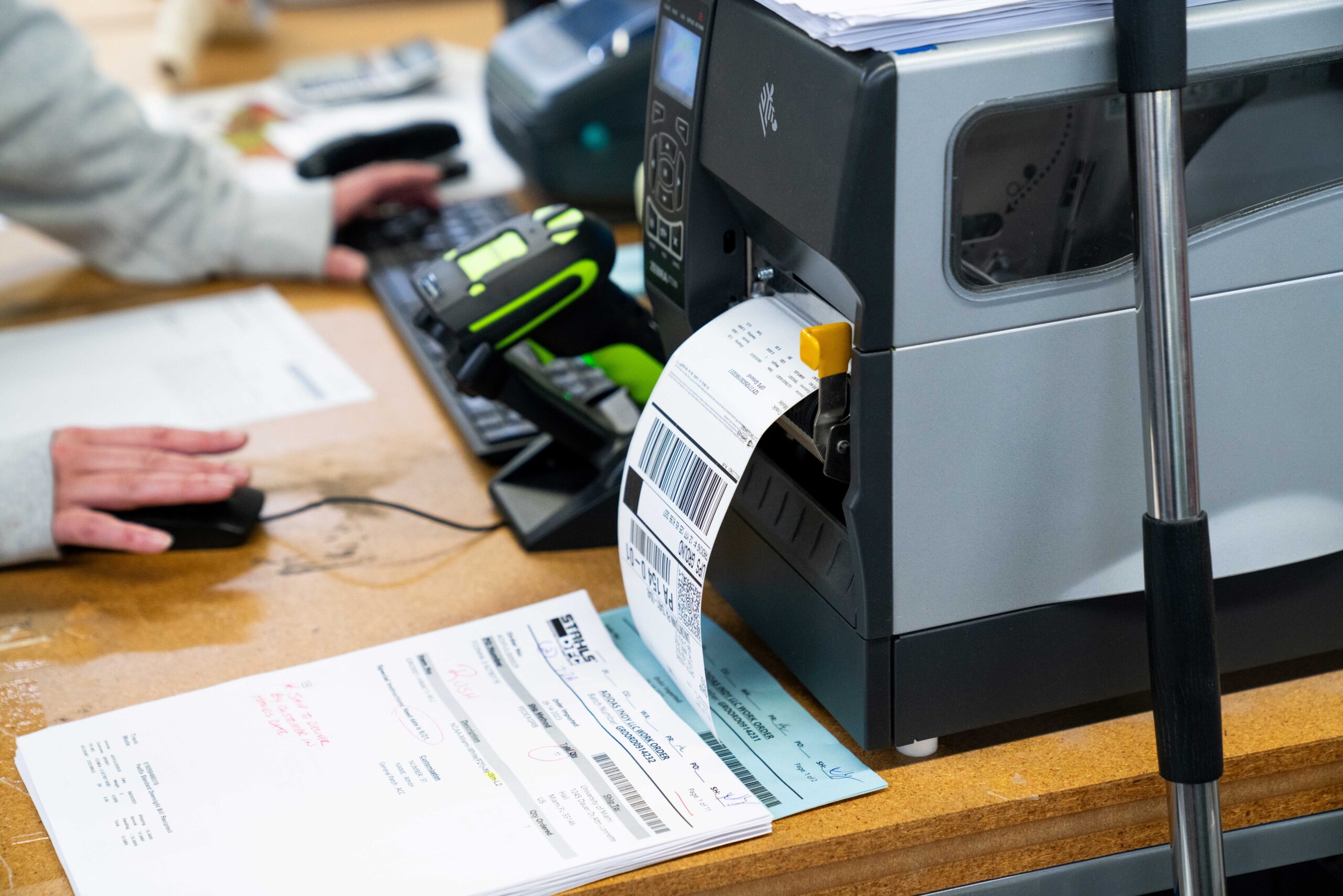
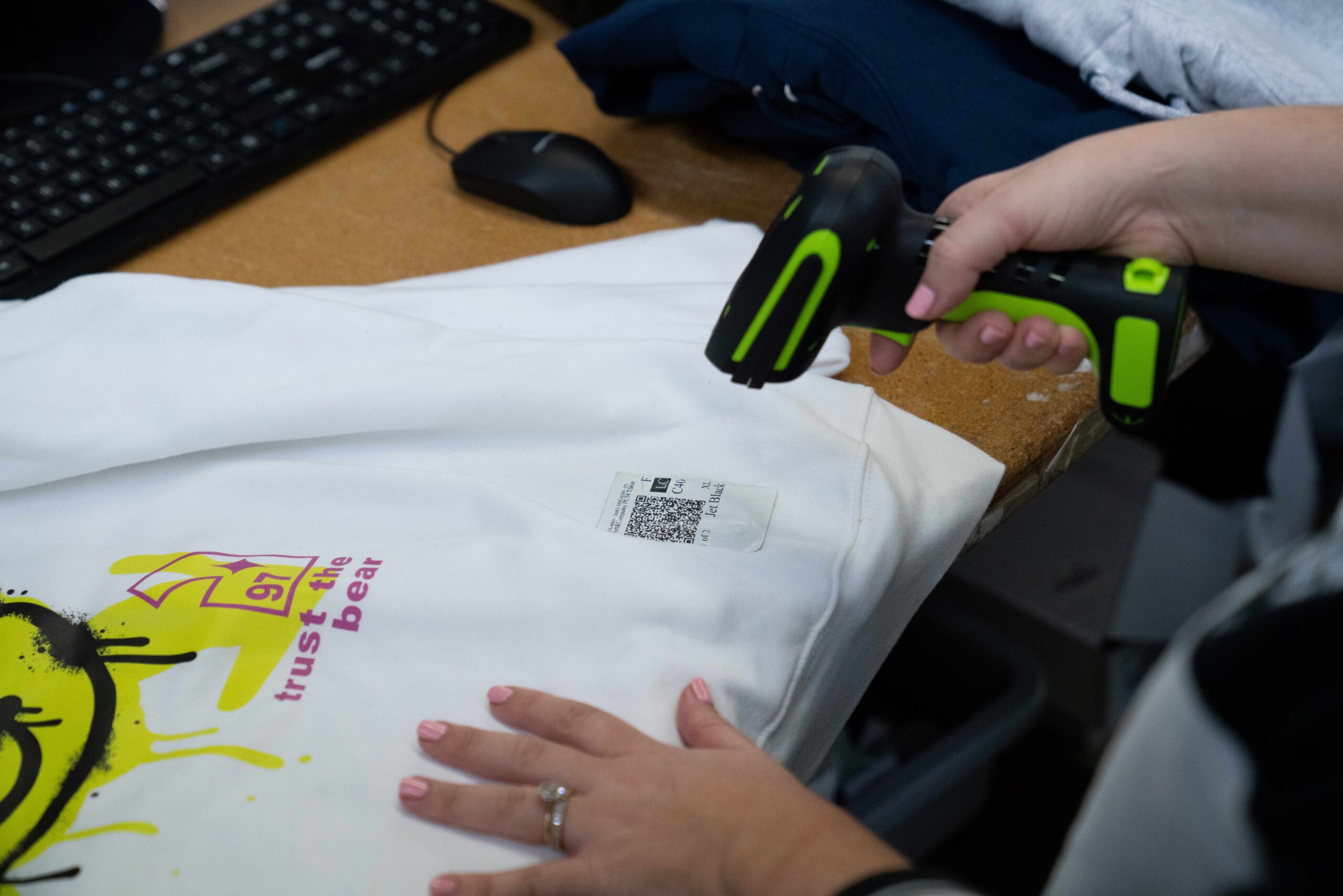
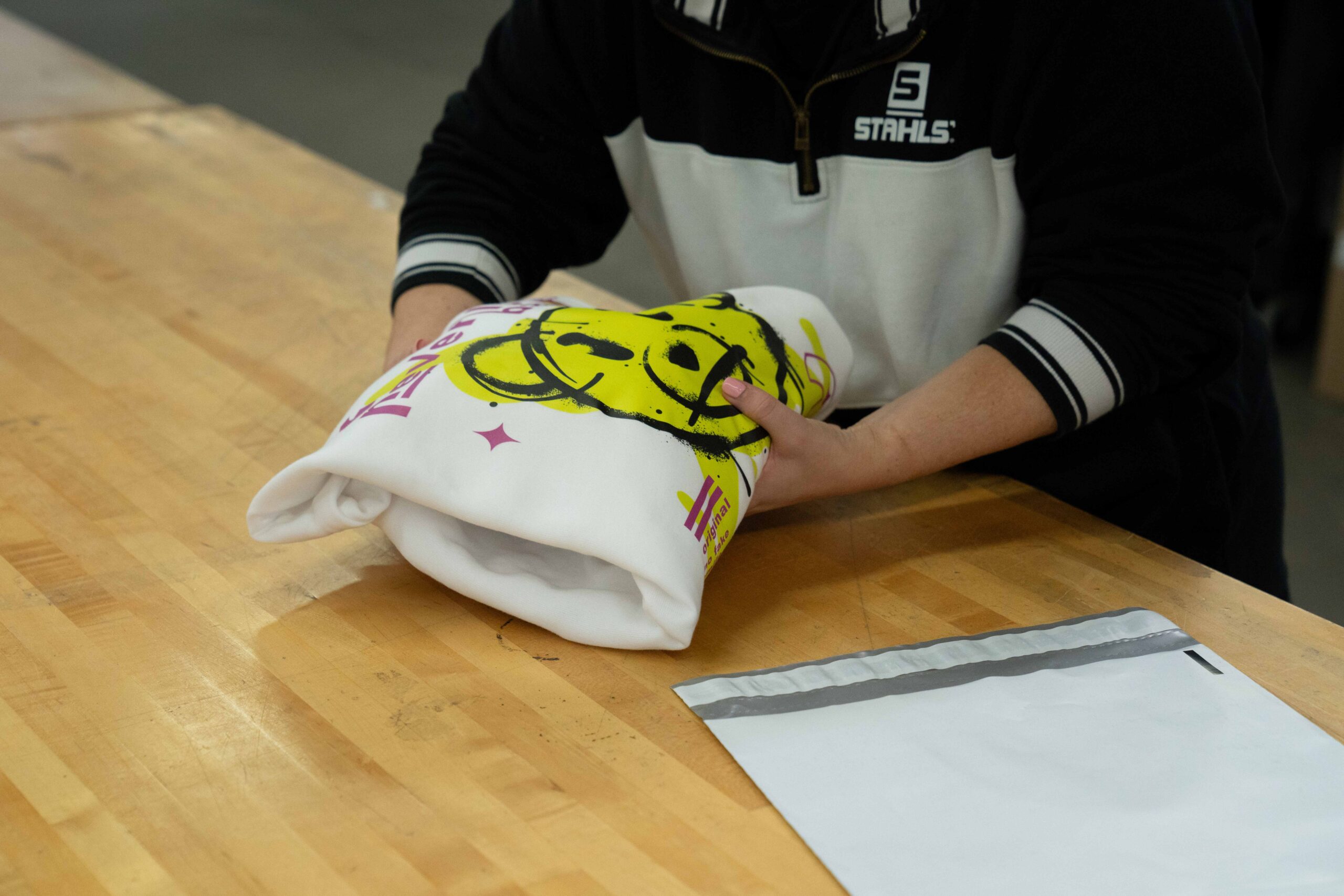
Another issue arises when fulfillment partners lack dedicated teams, robust systems, or a clear understanding of the workflow required to operate at scale. “Yes, they fulfill when requested, but don’t have a fully built team, perhaps due to not having enough business to staff full-time,” says Daniel Frank, CEO of Silverscreen Decoration & Fulfillment. “Customers should only request service from companies that have a fully staffed team and systems in place. For example, can they take data and generate packing slips and shipping labels?”
A strong fulfillment partner should have a clear process from sample to production. “That includes approved mockups, production-ready artwork, decoration specs, placement standards, QC checkpoints, and a way to make sure every operator is working from the same source of truth,” says Jayson Tompkins, chief digital officer at Fulfill Engine. “Quality can’t live in someone’s memory or in a one-off email thread — you have to build it into the workflow.”
Missed deadlines usually happen after a lot of small issues compound. “That includes things like incomplete order data, late approvals, inventory discrepancies, or overcommitted production schedules,” Perrin says. “The partners who consistently hit timelines are the ones who manage inputs as rigorously as outputs — and who have access to a reliable production network that can flex during surges or disruptions.”
Frank notes that shops should always confirm ship dates after calculating production timelines. “If there are delays in artwork approvals or product availability, those timelines need to shift or customers need to understand the added costs of rushing an order,” he says, adding that planning and staffing are often the bigger issues.
McDonald says missed deadlines often stem from capacity planning issues, like underestimating production timelines, overbooking schedules, or leaving no room for errors that require reprints. To avoid that, USColorworks never books to full capacity.

“We don’t like to be over 90% capacity if we can help it, because that allows us to fill in and make replacements,” McDonald says. He also recommends building redundancy into production equipment so a machine failure doesn’t derail deadlines.
Sometimes, though, mistakes happen. For example, a client called USColorworks to expedite an order to its end-customer for an event by that Friday. The team decorated the item and put it into the shipping queue. “The item should have shipped Tuesday and arrived Thursday ahead of the event on Saturday,” McDonald says. However, the item fell off the shipping belt, wasn’t found until Thursday, and then got lost in transit.
“The customer didn’t get their garments and was very rightly frustrated, so we apologized and gave them a credit,” McDonald says. “This incident forced us to go into our shipping area and look at how something could fall and get lost. We created a cleaner area to prevent this from happening in the future.”
That’s why proactive transparency matters for strong relationships. “The best partners don’t wait until a deadline is missed — they flag risks early, provide clear options, and communicate in terms of impact by saying something like, ‘This will push delivery by two days unless we adjust X,’” Perrin says. “You build trust when clients feel informed and involved, not surprised.”
If a timeline shifts, the client shouldn’t find out after the deadline has passed. “A good partner communicates early, explains the issue clearly, gives realistic options, and owns the next step,” Tompkins says. “Silence is what damages trust. Most clients can work through a problem if they know what is happening and what the plan is.”
No. 3 - When webstores fall apart before orders even start
Some webstore issues trace back to the store-building process. “Webstore issues often stem from inconsistent setup processes and lack of validation,” says Perrin. “By removing complexity and enforcing consistency upfront, decorators can launch stores faster with greater confidence in their accuracy.”
Part of that fix includes setting up a structured pre-launch QA process. “Include cross-functional review: catalog selections, pricing checks, mockup alignment, and test ordering,” Perrin suggests. “Mature partners also use standardized templates and automation wherever possible to reduce manual errors, along with a formal sign-off before the store goes live.”
One of the biggest issues Frank sees after a store launches is online inventory marked as active when it’s not available. “That’s why live data matters,” he says. “The data customers see needs to reflect what’s actually available. We’ve also seen distributors run into issues when their stores rely on APIs with suppliers, and those connections aren’t working properly.”
Webstore setup issues occur because many small details must be correct before the first order ever comes in. “SKUs, colors, sizes, pricing, decoration locations, artwork, shipping rules, inventory, product availability, and vendor mappings all need to line up,” Tompkins says.
Even minor data mistakes can cause big headaches in the production process. For example, if a staffer enters a product description or SKU incorrectly, customers may think they’re ordering one item while the fulfillment partner receives information for another.
“The only difference may be one letter,” McDonald says, pointing out that a woman’s polo style number could be listed as L600 and the men’s version is K600. Before going live, test integrations and verify data.
No. 4 - When no one knows where the order stands
Many fulfillment companies struggle with visibility because they still rely on spreadsheets, email, manual updates, or disconnected systems. “The order may be in production, waiting on inventory, printed, staged, shipped, or stuck because of an issue, but no one outside the building knows for sure,” Tompkins says.
That lack of visibility creates friction between the decorator and the client. “The client asks for an update, the decorator has to chase the fulfillment partner, the fulfillment partner has to ask the production team, and everyone loses time. It makes the decorator look less in control, even if the issue isn’t their fault,” Tompkins says.
At the most basic level, fulfillment partners should provide real-time status tracking tied to defined production milestones, such as received, in production, QC, and shipped. That visibility should be available through a client-facing portal or automated updates. “Strong partners also build exception-based workflows,” Perrin says. “Instead of clients chasing updates, they’re notified when something needs attention.”
McDonald adds that visibility tools should go beyond basic tracking portals. While clients should be able to log in and view order milestones for anything they have in a provider’s queue, he says fulfillment partners also need automated alerts that flag exceptions before customers have to ask questions. “A customer doesn’t need 150 emails telling them things went right,” he says. “They need effective communication that tells them when something went wrong and what we’re doing to fix it.”
By the same token, the fulfillment partner also needs to be plugged into software that alerts them to orders that are at risk of missing their delivery dates. “I have filters that help my managers and supervisors identify the areas they have to fix,” McDonald says. “It's almost like management by exception.”
Future-Proofing Your Shop as a Fulfillment Partner
To stay competitive, the experts say fulfillment partners also need to look ahead and make changes that keep their operations efficient and adaptable. “Fulfillment is becoming less about pure execution and more about integration, visibility, and adaptability,” says Hallie Perrin, customer service manager at STAHLS’ Fulfill Engine. “The partners who win will be the ones who simplify operations, increase transparency and make it easier for their clients to scale with confidence.”
Don’t be satisfied with your shop’s status quo. Don’t assume your current systems will continue to function well as your business grows. As order volumes increase and your customers expect faster turnarounds, you need to continuously refine workflows and invest in more advanced technology. “If you were in our shop six months ago, you would see a different shop today,” says Rodney McDonald, owner, USColorworks. “And if you’re in our shop six months from now, you’re going to see a different shop. We’re forcing our people to continually look at what they’re doing and try to get better.”
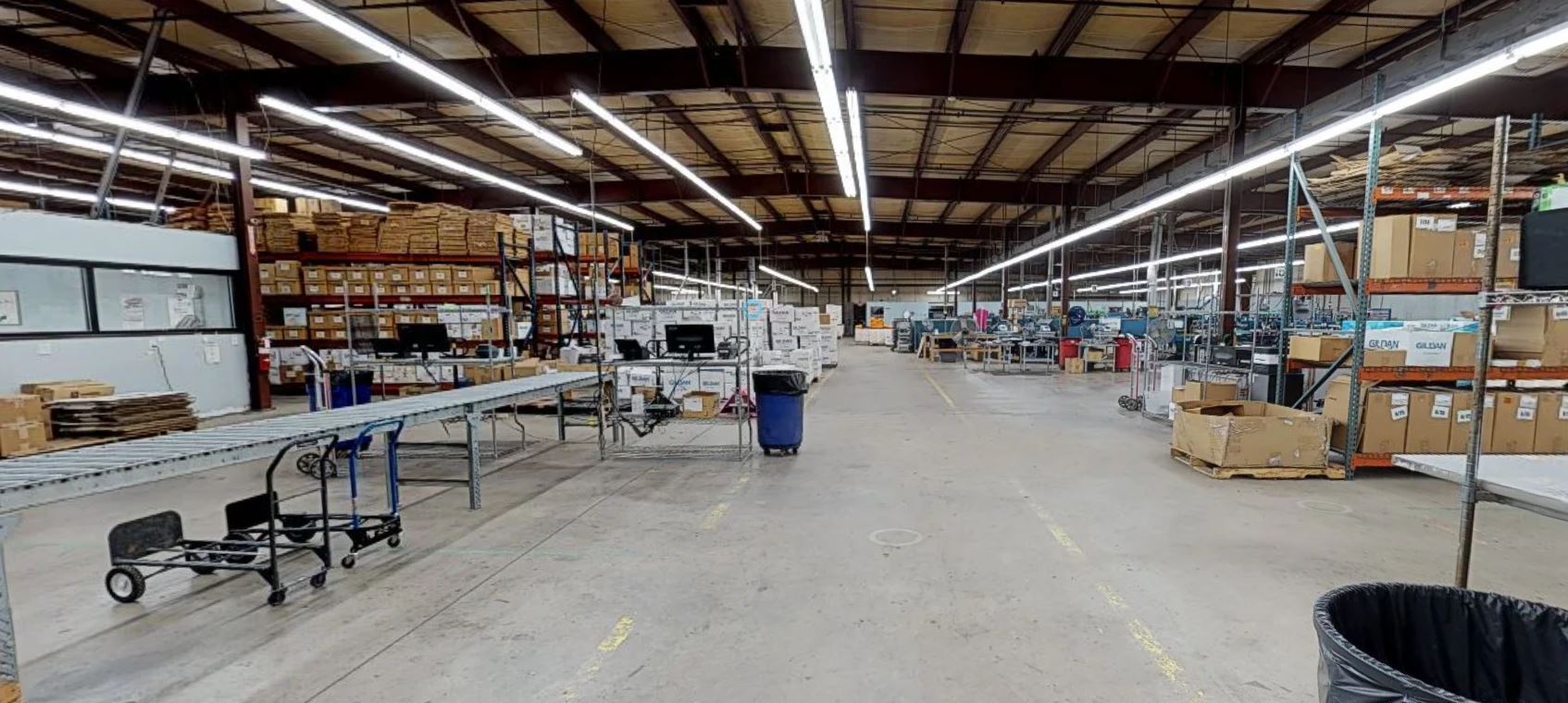
Frank points to improving physical warehouse space and automating processes to future-proof a fulfillment operation. That includes warehouse organization systems, and automating order intake from webstores into production systems, generating packing slips/shipping labels, syncing live inventory data, routing orders to the correct decorating station, and automating customer/order status updates. “This all takes time and investment,” he says.
Future-proofing a fulfillment business also means building systems that can handle greater complexity as client expectations evolve. “The next few years will put more pressure on speed, accuracy, and flexibility,” says Jayson Tompkins, chief digital officer at Fulfill Engine. “Clients will expect better visibility, faster turnaround times, cleaner integrations, and fewer manual handoffs. It also means being able to support different sales channels, different decoration methods, and different fulfillment models without rebuilding the process every time.”
No. 5 - When the fulfillment partner doesn’t act like a true partner
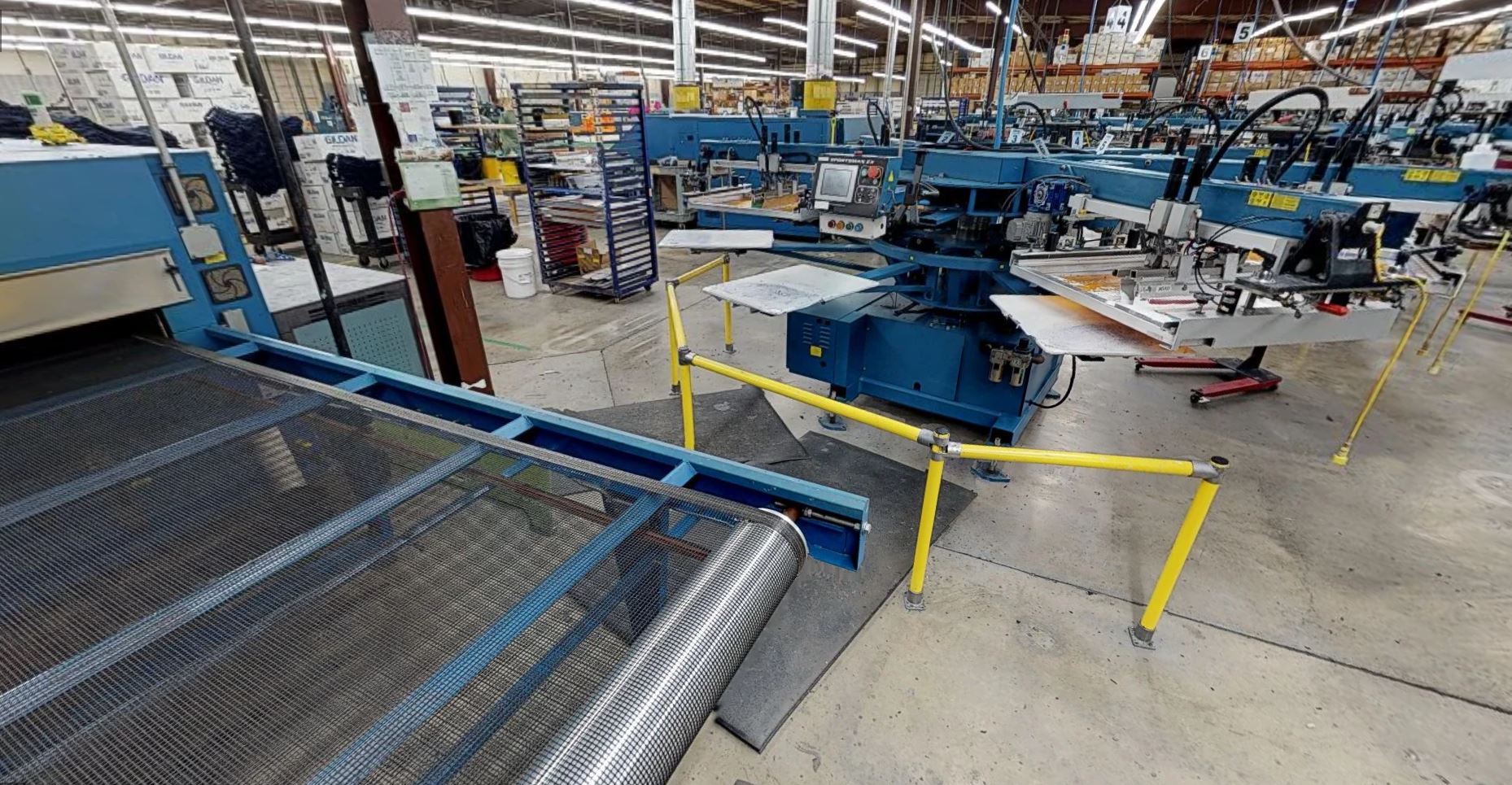
McDonald says many fulfillment partners overcomplicate what clients actually want. “The number-one thing you can provide is consistency and reliability,” he says. “They don’t want surprises. They want orders printed correctly, shipped on time, and delivered without having to constantly step in and manage problems.”
When mistakes do happen, McDonald says strong partners take ownership quickly and fix the root cause so the same issue doesn’t happen twice. “Don’t forget the value that the client is providing to you,” he says.
Another gap between a stellar and subpar partner is mindset. “Many providers stay transactional versus taking ownership of outcomes,” Perrin says. You can start to change the dynamic by acting consultatively. “Even small shifts — like flagging potential production risks during onboarding or recommending alternative products that improve margin or quality — position the fulfillment provider as an extension of the client’s business, not just a service provider,” she says.
Finally, a great fulfillment partnership feels like an extension of the client’s business. “There’s trust, visibility, accountability, and shared ownership,” Tompkins says. “You, as the partner, understand your client’s brand, along with their expectations, deadlines and operational details. When something goes wrong, you don’t hide from it. You solve it, communicate it and improve the process so it doesn’t keep happening.”