
Current State of AI Governance and How It Impacts Apparel Decorators
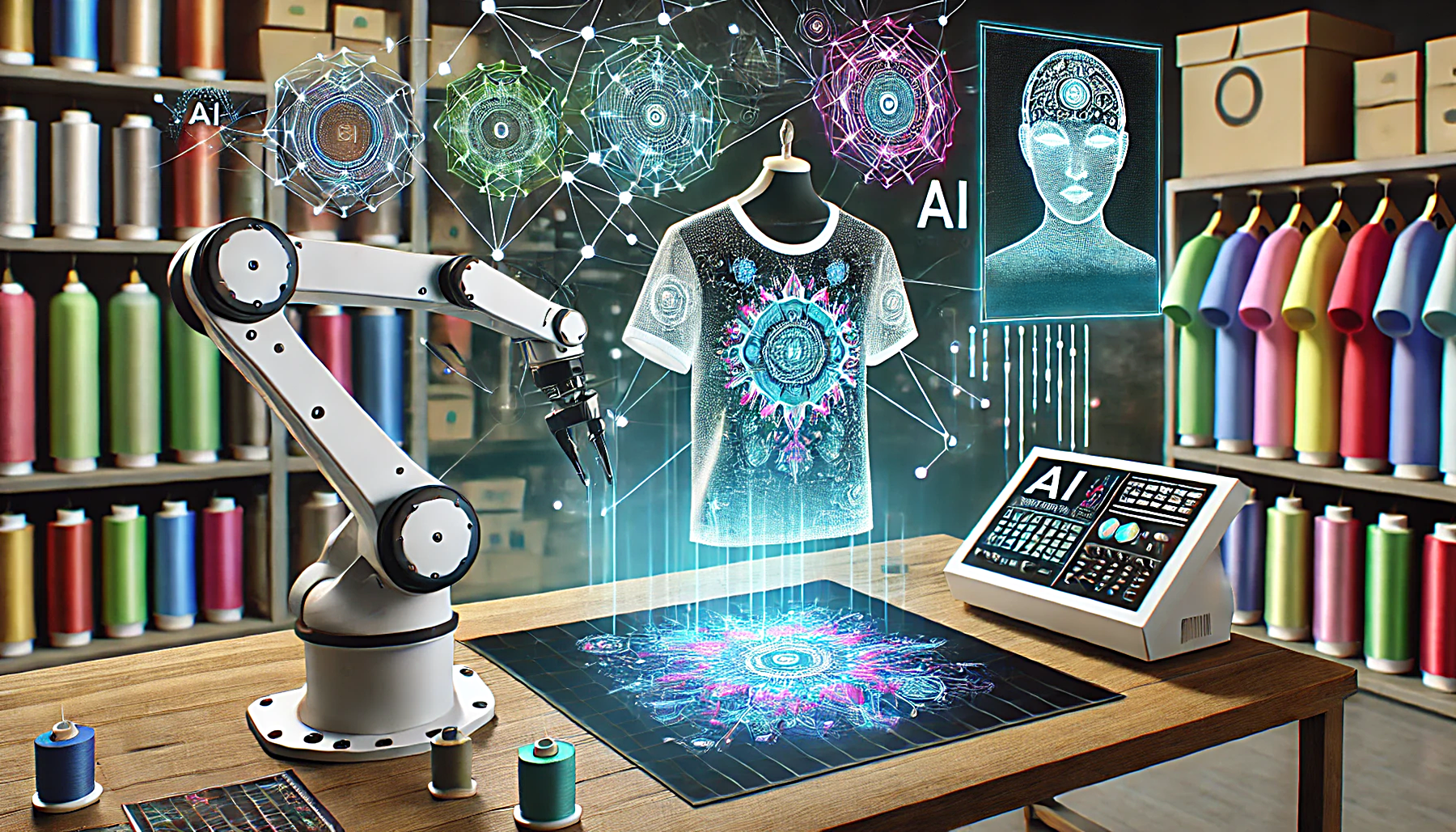
Generative AI can streamline design creation or AI can optimize production workflows. Any way you look at it, AI tools are becoming valuable assets in our industry. However, with this incredible potential comes the responsibility to adopt these technologies ethically and transparently. Like motor vehicle regulations, AI needs a clear set of rules to ensure responsible use. That's where AI governance comes in.
Why AI Governance is Crucial
"AI governance refers to the frameworks, rules, and policies that help organizations use AI technologies responsibly and transparently." — IBM
Businesses must use AI systems that align with their ethical values and legal obligations, preventing unintended harm and protecting their reputation. This responsibility extends to the creative side of screen printing, where designers are using AI tools like MidJourney and DALL-E to generate artwork for T-shirts.
Without a robust AI governance framework, AI can inadvertently introduce significant risks, such as creating misleading or offensive content, violating intellectual property rights, or mishandling sensitive data. AI-driven decisions must be auditable and transparent to maintain customer trust and protect businesses.
Understanding the Role of AI Regulations
While no federal regulations for generative AI exist in the U.S. at the time of writing this article (March 2025), multiple initiatives are underway to create standards.
The EU AI Act, enacted in August 2024, is the world's first comprehensive legal framework for artificial intelligence. It categorizes AI applications based on unacceptable, high, limited, and minimal risk levels and imposes corresponding obligations. The Act aims to ensure AI systems are safe, respect fundamental rights, and promote trustworthy AI (in Europe).
In the U.S., former President Biden's executive order in May 2024 emphasized the responsible development of AI. The order focuses on key issues like transparency, security, and reducing bias.
At the state level, California has introduced AB 2013, a law that mandates AI developers to disclose the datasets used to train their generative AI models. I feel that this law is a step in the right direction, especially for businesses in the apparel embellishment industry that use AI to generate designs, as it promotes accountability and transparency. This allows business and their customers to make clear choices about using these tools. The act "requires that large AI developers watermark AI-generated images." Also, "covered providers must offer users a free, AI-detection tool that allows users to upload content and determine whether an image, video, or audio content was created or altered by the provider's generative AI system" (the watermarking and AI-detection tool requirement do not apply to text generators).

Effective February 1, 2026, the Colorado AI Act mandates transparency and accountability in AI systems, requiring companies to disclose their AI usage and undergo regular audits to ensure compliance with ethical standards.
The Utah AI Policy Act, effective May 1, 2024, establishes guidelines for the responsible development and deployment of AI technologies, emphasizing the need for public trust and safety in AI applications. The Act "imposes certain disclosure requirements on entities using generative AI tools with their customers, and limits an entity's ability to ‘blame’ generative AI for statements or acts that constitute consumer protection violations."
In Tennessee, the ELVIS Act, enacted on March 21, 2024, addresses the use of AI in simulating audio, voice, and likeness, aiming to protect individuals from unauthorized AI-generated content in simulated versions of themselves.
In New Jersey, the State Agencies Automated Systems Regulations (S 1438), currently pending, seeks to regulate automated systems and AI use by state agencies, ensuring ethical and responsible implementation.
Illinois and New York City have enacted laws to prevent AI discrimination in employment decisions, requiring employers to disclose and audit AI tools used in hiring processes. Wouldn't you like to know if AI was used in your hiring process?
As of January 2025, the U.S. copyright office states that "an AI-assisted work could be copyrightable if an artist's handiwork is perceptible." A human adapting an AI-generated output with "creative arrangements or modifications" could make it fall under copyright protections.
As AI becomes more prominent in production processes, screen-printing companies must ensure that their generative models comply with existing and upcoming regulations.
How AI Governance Impacts the Screen-Printing Industry


- Ethical Design Creation: Generative AI tools like MidJourney and DALL-E are widely used to create custom designs for printing. These tools can generate problematic content or misuse intellectual property. AI governance ensures that the generated designs are ethically sourced and legally compliant. This does not exist in full today, so users, be aware.
- Data Privacy: AI systems in screen printing often rely on large datasets to generate designs or optimize workflows. AI governance requires transparency about the data used to ensure compliance with privacy regulations (like the California Consumer Privacy Act). Businesses must ensure that the datasets used for training AI models do not include personal information or proprietary data without consent. This does not exist in full today, so users, be aware.
- Transparency and Explainability: One of the key components of AI governance is ensuring that AI models are transparent and explainable. For example, if an AI system generates a design for a T-shirt, businesses must be able to explain how the system arrived at that design. By adopting AI governance practices, companies can ensure that AI-driven decisions are auditable, traceable, and understandable by employees and customers. This does not exist in full today, so users, be aware. Recently, ChatGPT added some functions that demonstrate the AI process. As a user and account holder, this is a vast improvement in transparency.
- Mitigating Algorithmic Bias: One of the concerns with AI is the potential for algorithm bias, which can lead to discriminatory outcomes. This could manifest as designs that inadvertently exclude specific demographics. AI governance frameworks help businesses identify and mitigate bias, ensuring the generated content is inclusive and respectful. This does not exist in full today, so users, be aware.
The Future of AI Governance in Screen Printing
AI's role in the apparel embellishment industry will only grow as it advances. Automating large-scale design creation and streamlining production processes offers significant advantages. However, businesses must implement strong governance frameworks to harness these benefits responsibly. This involves ensuring compliance with future regulations and setting up internal processes for continuous monitoring and improvement.
Generative AI transforms our industry by offering efficiencies. However, as with any new technology, the risks must be carefully managed. By adopting AI governance principles in our businesses early, companies can foster innovation, ensure compliance with evolving regulations, and ultimately provide their customers with high-quality, ethically created designs. Remember, this looks different for everyone; for some, it means not using AI (yet); for others, it means AI disclosure.