
Building a Digital Printing Training Program That Works
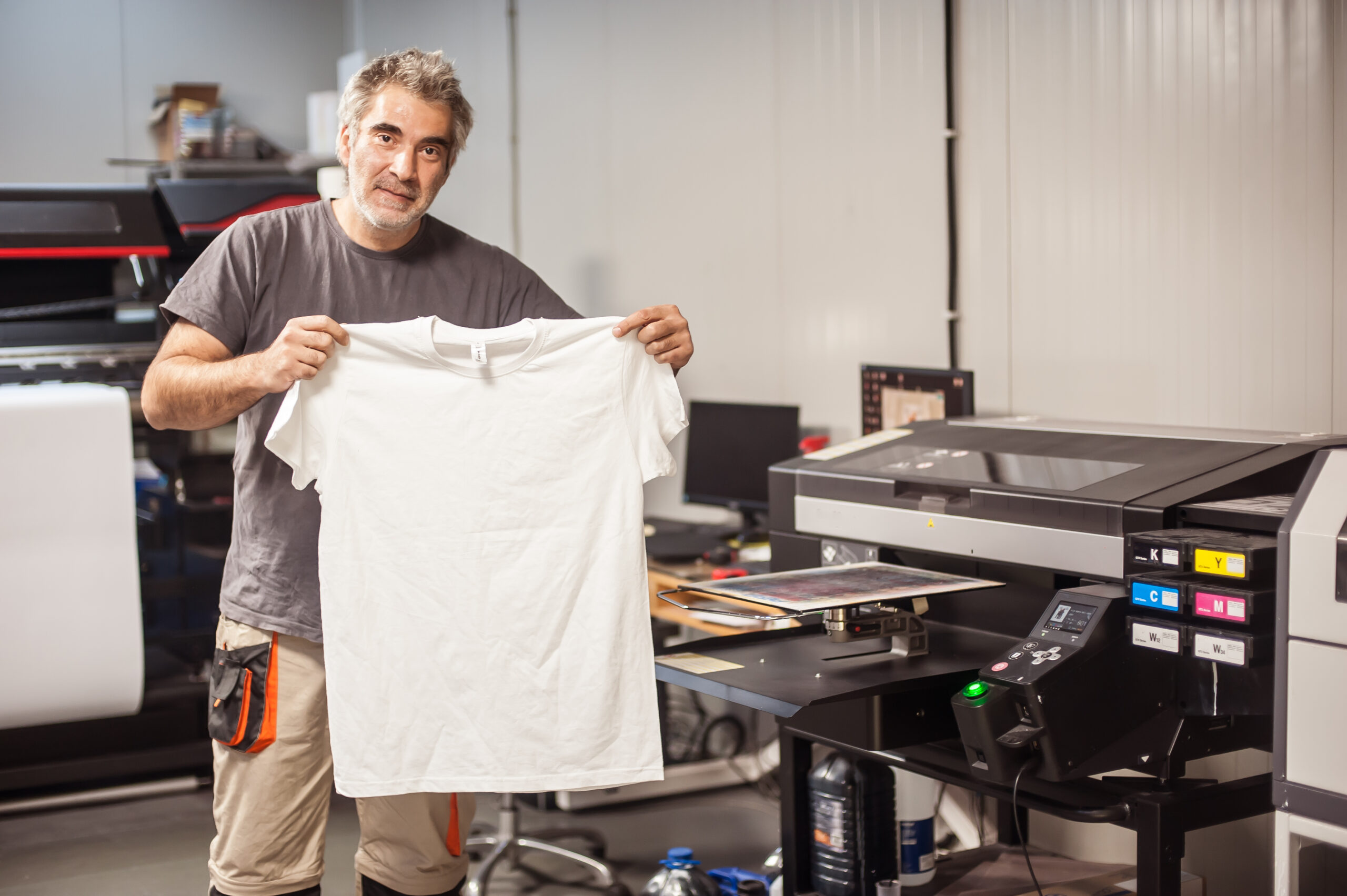
A strong digital printing training program helps shops improve consistency, reduce waste, and ensure every part of the workflow — from file prep to finishing — runs smoothly.
You’ve hired a new employee. You want to cross-train your staff. You’re looking for production efficiency. These are just a few reasons a shop needs a comprehensive training program for digital printing, whether it’s direct-to-garment (DTG), direct-to-film (DTF), or dye-sublimation.
We nudged a few experts in the space to get their take on why proper training matters, how to structure training and education for digital apparel decoration, who in a shop needs the training, and the improvements shops can expect once they’ve implemented a program.
Is Training Needed for Digital Apparel Printing?
A print shop can’t expect to deliver quality, durable printed T-shirts and apparel if the pieces to get that output aren’t in place. Think about what it takes to make a good sourdough loaf. To get a light and airy loaf, you first need a healthy starter, which requires the ratios of flour to water to be just right. Not to mention, the starter likes to be warm, and you have to “feed” it daily before you can even begin to make dough. If the ratios or temperatures are wrong, the final result can go wrong in a myriad of ways.
Like bread baking, digital printing rewards precision and consistency. Variables — artwork quality, pretreatment levels, humidity, curing temperatures — compound quickly across a production run. When teams understand how those pieces connect, they can troubleshoot issues before they turn into wasted garments or missed deadlines.
Continuing with the analogies, Deana Iribe, owner of The Print Bakery and training manager at PrinterBiz, a DTG Connection company, says improper training from an equipment distributor is like buying IKEA furniture without the included instruction manual, but worse.
“You aren't just risking a wobbly bookshelf; you're risking your bottom line,” she explains. “In the world of digital printing — specifically DTG and DTF — proper training is the bridge between owning a very expensive paperweight and running a profitable business.”
Whether you’re working with DTG, DTF, or dye-sublimation equipment, Tim Check, senior product manager for Epson America Inc., Professional Imaging, says proper training means your shop is safe, consistent, and avoiding downtime.
How Digital Print Differs from Other Print Methods
Screen printing and embroidery focus on physical setup, from burning screens and mixing ink to adjusting thread tension, Deana Iribe says. Digital printing shifts the priority to pre-press and software mastery.
“Operators must become experts in RIP software to manage underbases and color profiles, as a digital file error is far more likely to ruin a print than a physical loading mistake,” she says. “The most critical nuance of digital printing, however, is maintenance. Unlike traditional equipment that can sit idle for weeks, digital printers require constant attentiveness. Training must emphasize strict daily, weekly, and monthly maintenance protocols to prevent downtime and maximize the lifespan of the equipment.”
Tim Check echoes the physical versus digital difference, stating, “In digital, the critical variables are data, environment, chemistry, and calibration. Color management, pretreatment chemistry, RIP settings, and fabric variability all matter more than people expect. It’s less ‘art on press’ and more ‘control the system.’ Training must reflect that shift.”
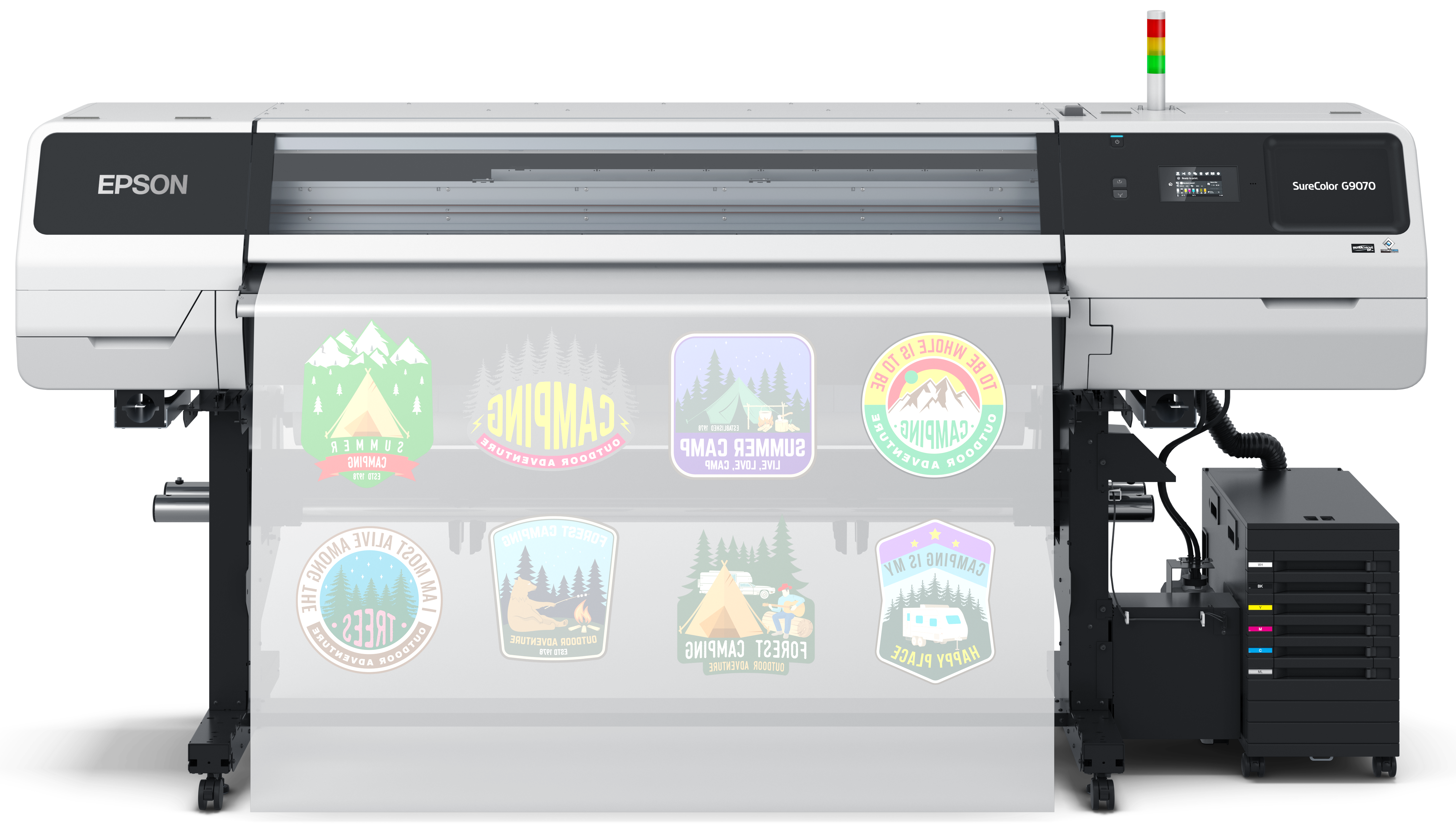
When working with pretreatment chemicals, inks, heat presses, and electrical equipment, employees need to understand how to handle materials safely, Check says.
Beyond safety, consistency becomes the focus. Several elements impact print quality, durability, and washfastness, including:
- Proper pretreat application
- Correct curing temperatures
- Humidity control
- Fabric selection
- Routine maintenance
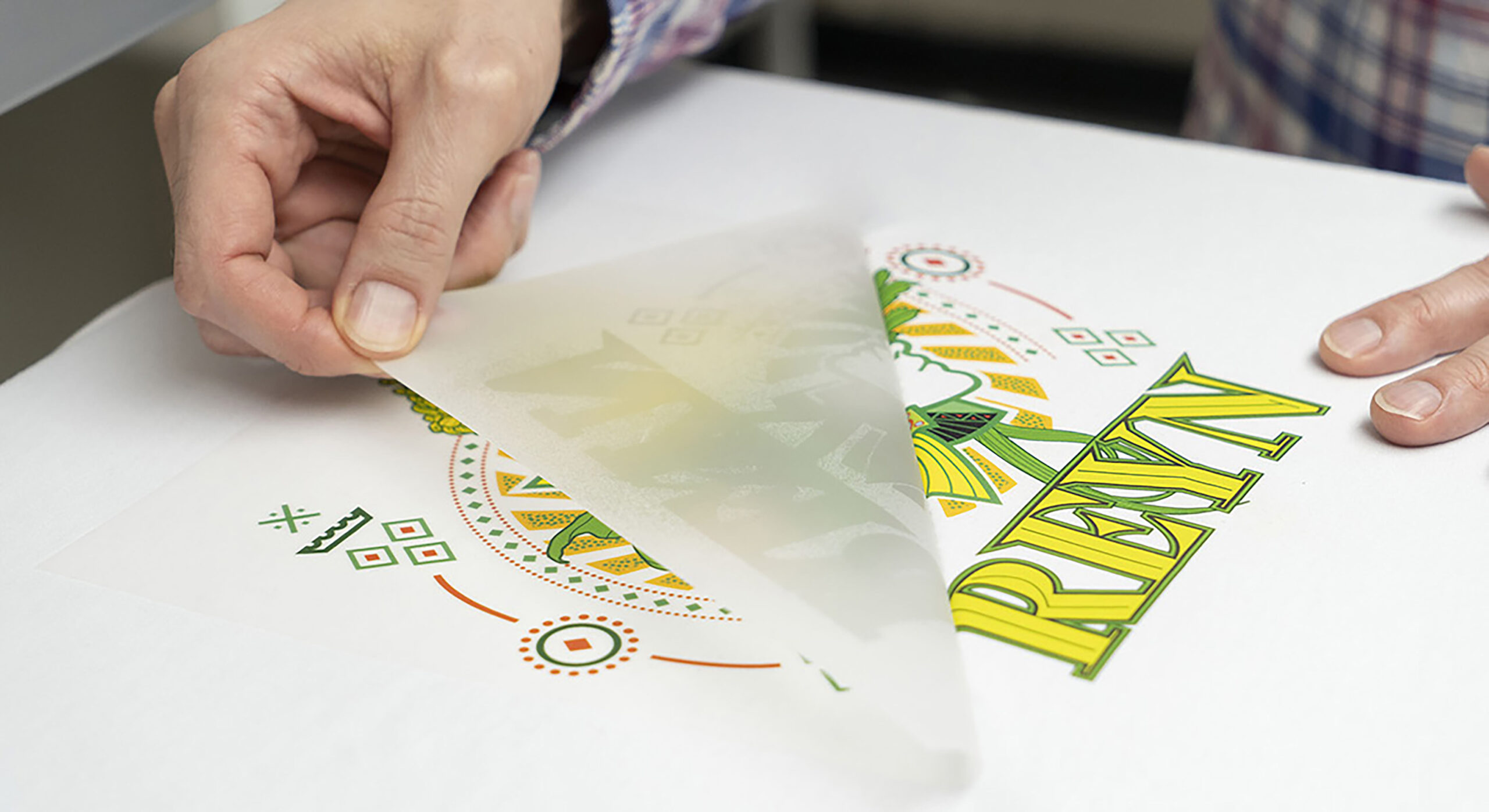
“If those steps aren’t controlled, output may have fading, cracking, poor adhesion, or inconsistent color,” Check adds.
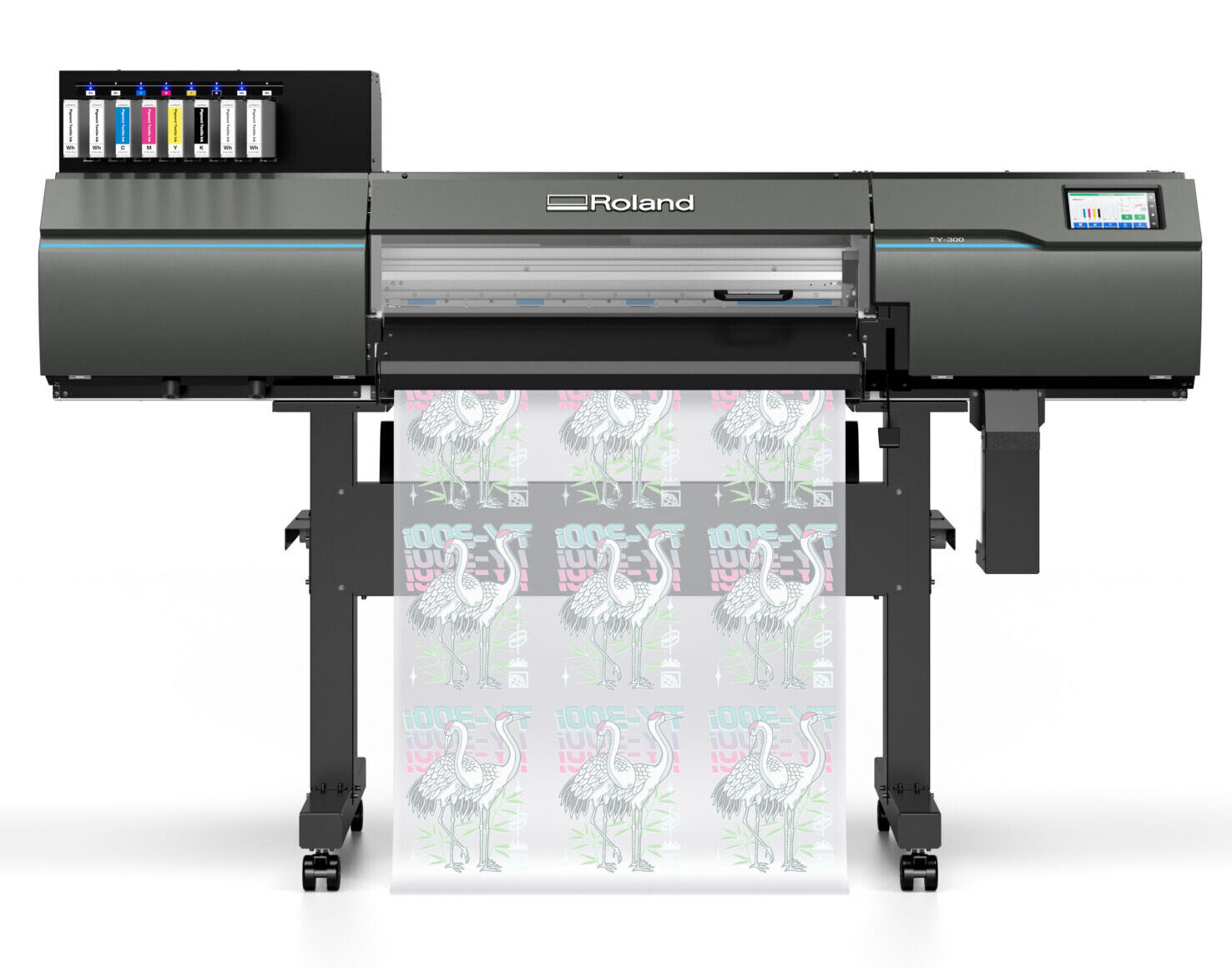
With all these moving parts, shops can't afford to skip training, especially with full end-to-end workflows like DTF printing, Daniel Valade, senior product manager for Roland DGA, says.
Digital decoration isn’t the push-button process some might assume. “Good training protects your people, your product, and your profit,” Check adds.
Structuring a Digital Printing Training Program
A good digital printing training program is hands-on, ensuring staff walks through what they’ll experience day-to-day on the shop floor.
From her years in the industry, Iribe says she’s learned that “information” isn’t the same as understanding, which is why she built a curriculum at PrinterBiz, which includes live, interactive sessions that prioritize engagement rather than just observing training personnel for a single day, and hoping you took enough notes to remember everything.
“Whether I’m visiting a shop or hopping on a virtual call, my goal is to see your setup through your eyes,” Iribe shares. “This helps me offer tailored suggestions and ‘nip in the bud’ any procedural mistakes I see during the live training.”
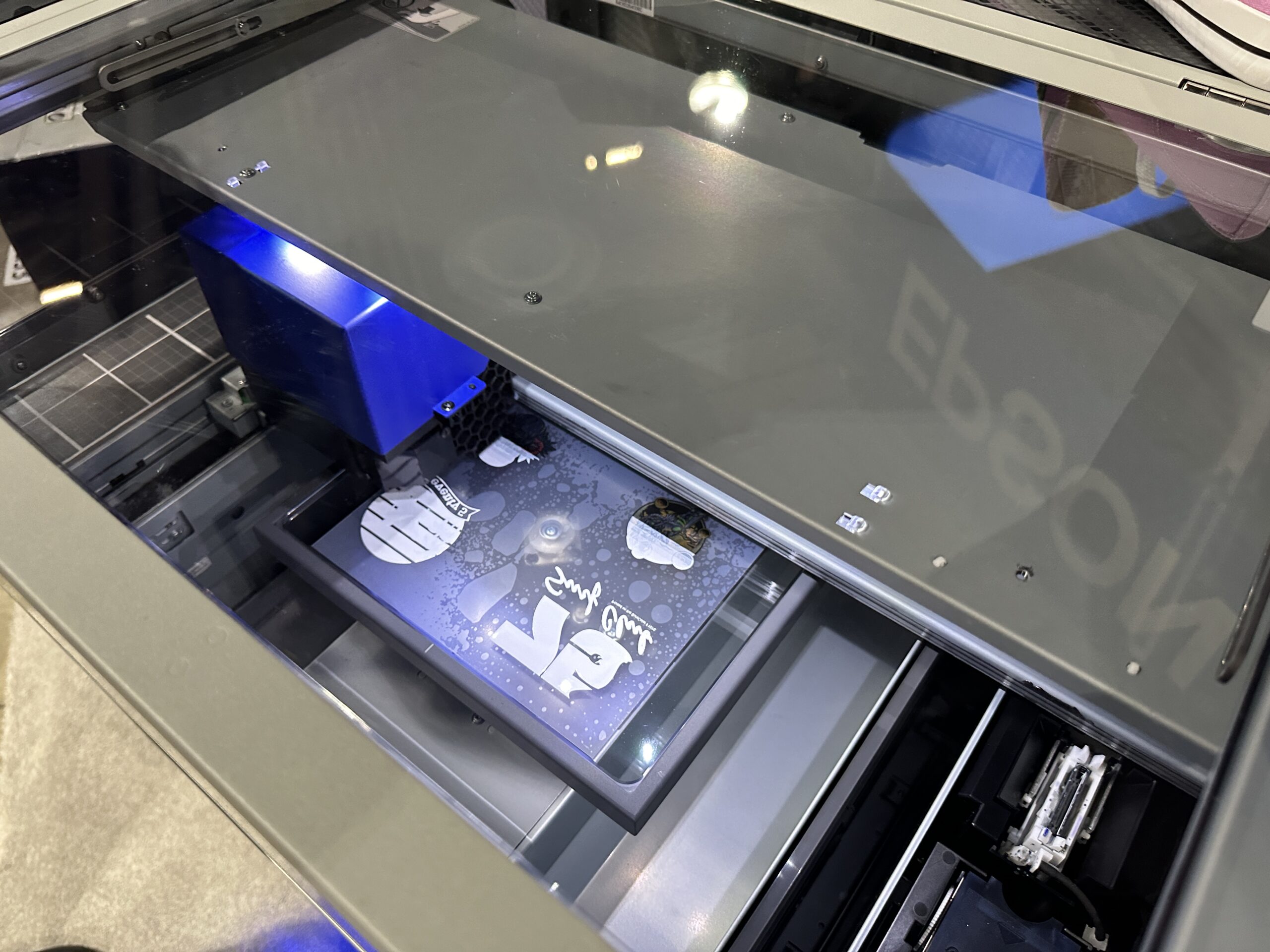
She starts with fundamentals like ink setup and why daily maintenance matters before jumping into pretreatment and gang sheet layouts. From there, she dives into the printer’s control panels and every tool and functionality for daily production.
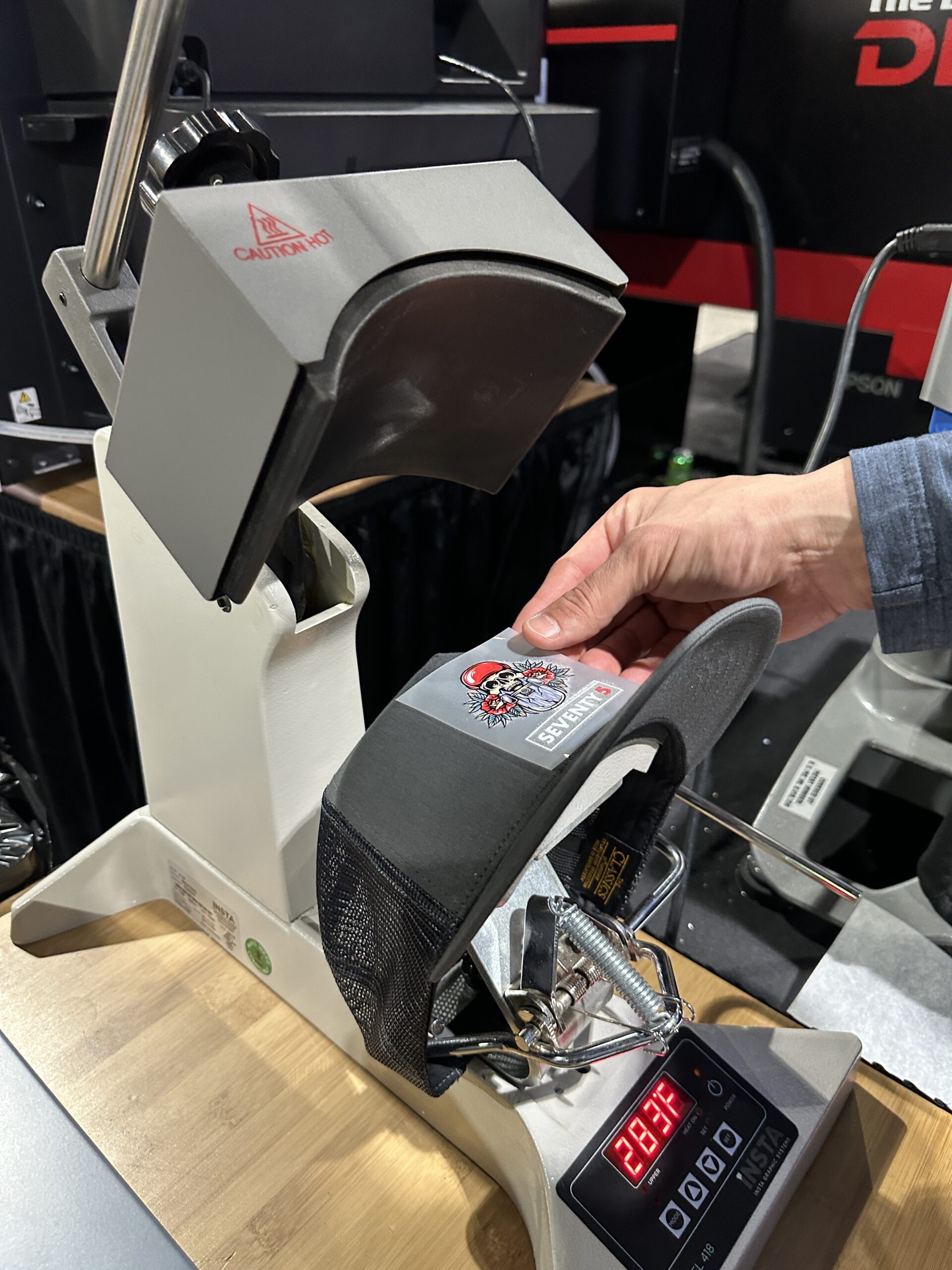
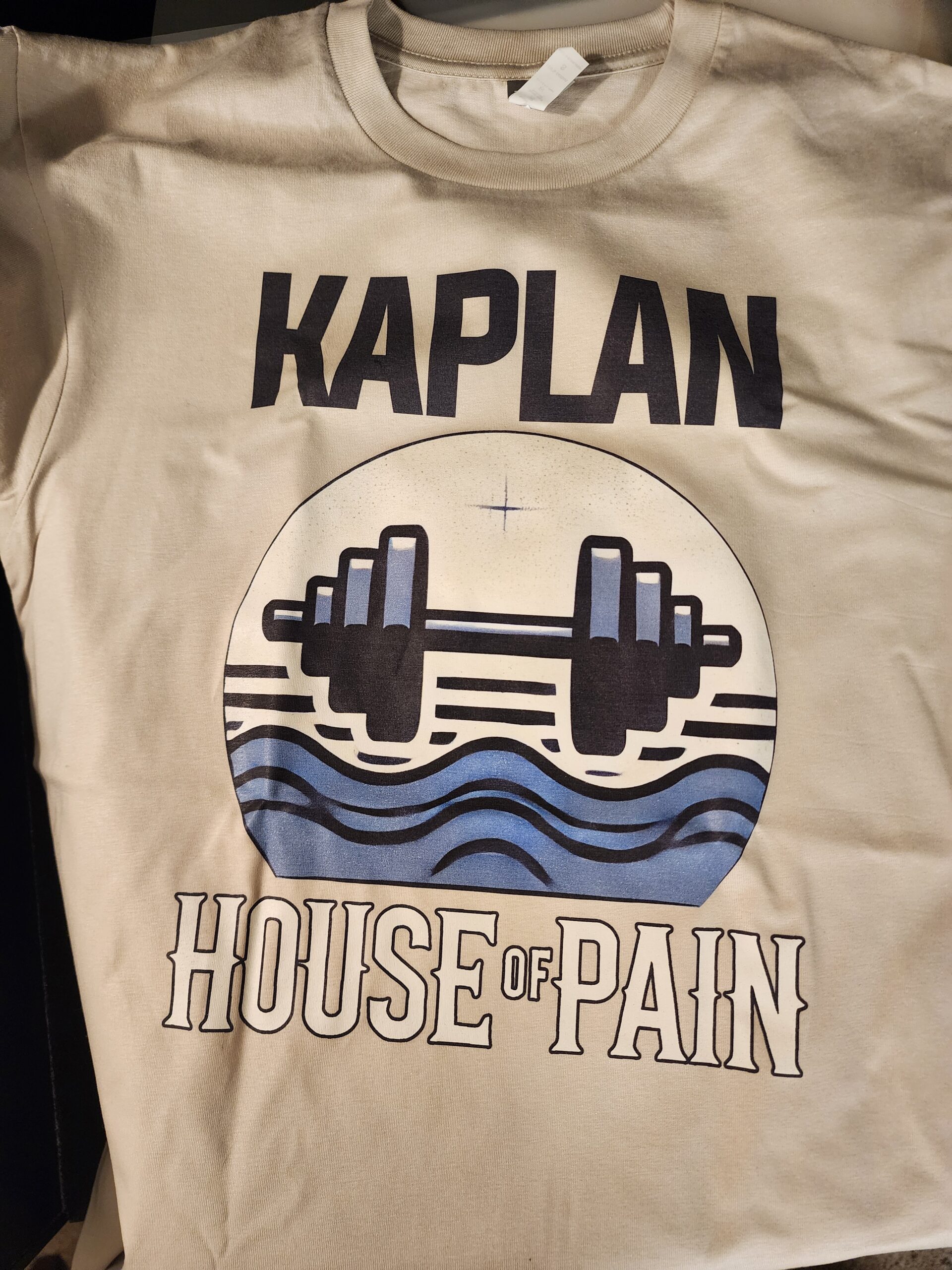
Check highlights the importance of file setup basics, curing parameters, and environmental requirements.
“Then tie it all together with a full production exercise,” Check advises. “From loading the artwork, preparing the garment or film, printing, curing or transferring, and finishing the decorated piece. When operators see the entire workflow end to end, the individual steps make sense.”
The hands-on portion of the training is what builds confidence for staff, he says. Watching a video about pretreatment versus applying it, printing a job, curing it, and seeing how it holds up are completely different experiences.
“The goal isn’t simply to teach someone how to run a printer,” Check continues. “It’s to develop a team that understands how to consistently produce a finished garment they’re proud to ship. That’s when digital really becomes a competitive advantage, not just another piece of equipment on the floor.”
Valade notes that training can vary depending on the size of the business. Larger shops with more printers, and even some from different manufacturers, need to prepare for turnover. It’s just the nature of the work.
“These large shops may be hiring people that are already trained as digital printer operators or have experience that gives them a basic understanding of the operations,” Valade says. “Smaller shops with two people and possibly a summer hire may need to design a more basic training program, but will likely only have to train people on one or two devices.”
With that in mind, Valade says the training program needs to be scalable, ensuring it’s maintained as a business grows from a two-person business to a larger operation.
Where File Prep Fits In
As sources suggest, file prep needs to be included within the training program. Laying out graphic specifications for a given printer, including image resolution, file types, ICC profiles, and color mode (RGB versus CMYK), is especially important here.
“Start with the basics and get them right,” Check says. “It’s critical to understand consistent lighting when evaluating color, as well as underbase strategy for DTG and DTFilm, and how different fabrics shift the appearance of color. Most color complaints are not printer problems. Color inconsistency primarily is a result of file preparation and expectation problems. Training staff on preparing files and basic color management reduces reprints more than almost anything else.”
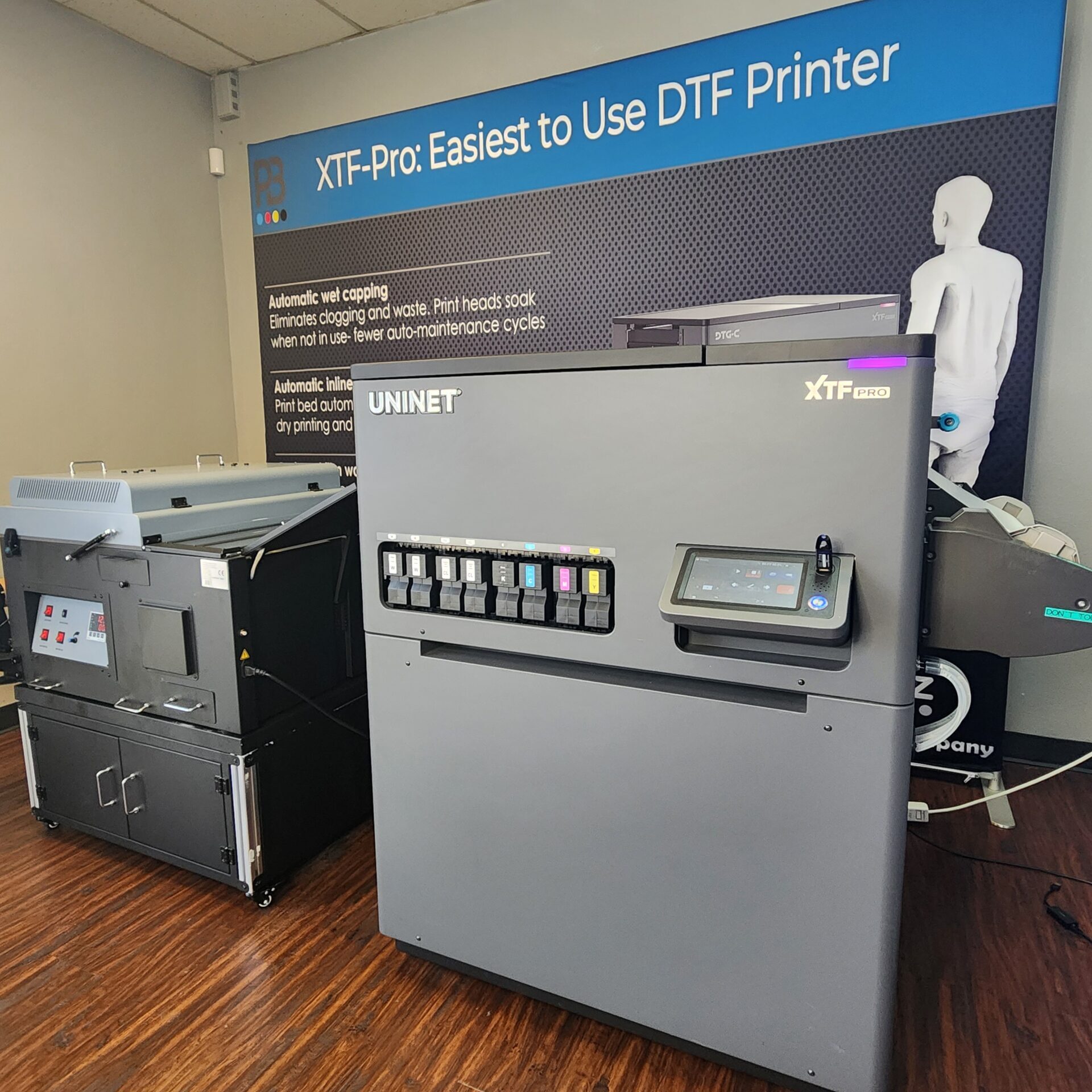
Valade notes that opting for a printer with a complete software solution, including an approved RIP software for the printer, ink, film, and powder, in the case of DTF, can only make the training and printing process go more smoothly.
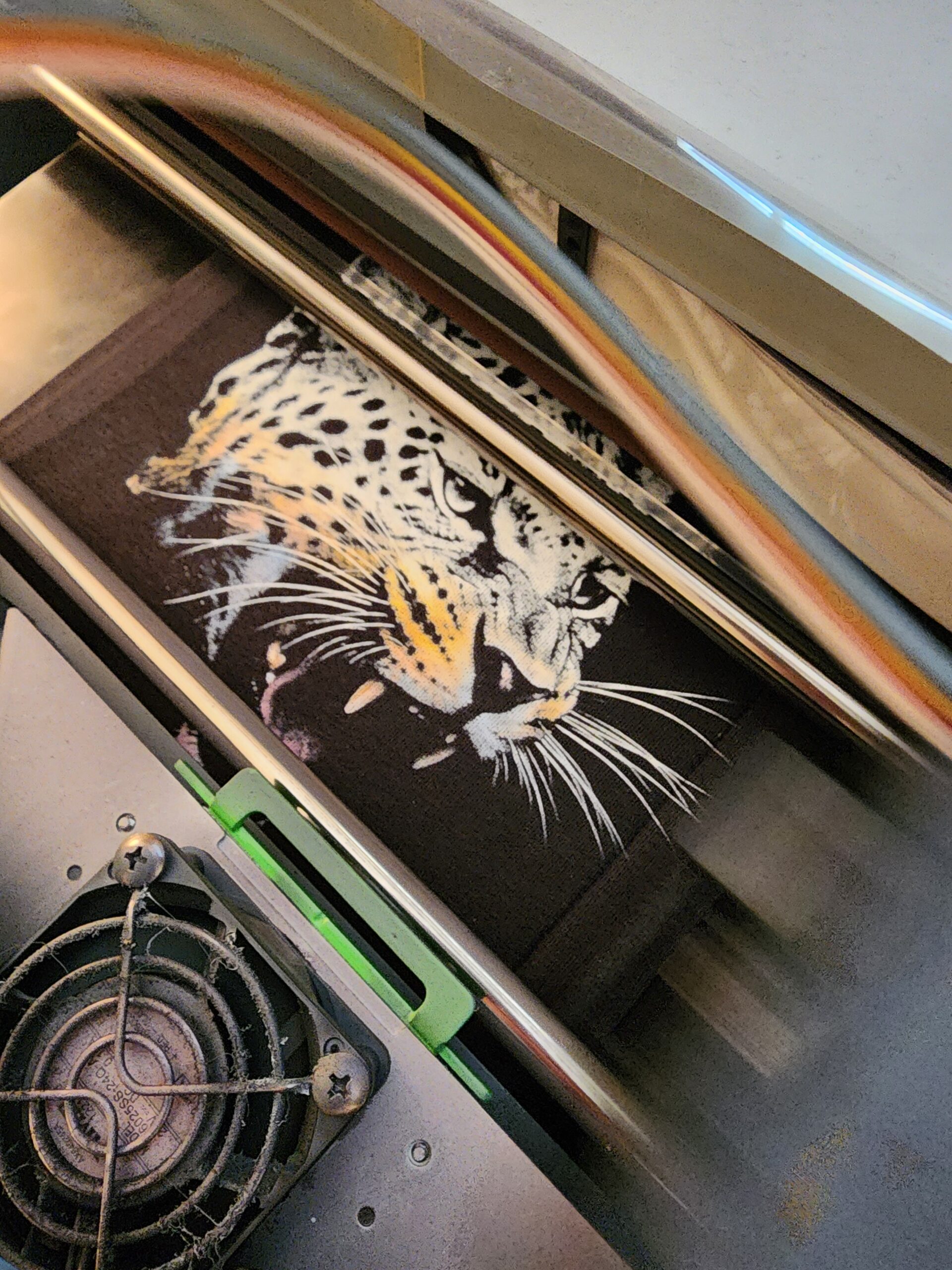
“Operators should be comfortable in the RIP settings, including job setup, batching, ink limits, and white controls,” Check adds. “It’s essential they understand daily and weekly maintenance routines, how to perform nozzle checks, and how to recognize early warning signs before they become downtime. Preventative maintenance training is cheaper than emergency service calls, every time.”
Some manufacturers make maintenance easier to tackle by offering kits, which can help with avoiding downtime. Roland DG, for example, offers three-, six-, and nine-month kits with all the necessary tools — wiper, felt pads, sponges, and a cap top.
After a full training session, with significant time spent in the RIP software, Iribe provides a recording of the full session, and schedules smaller learning modules to ensure the content is digestible.
Who Needs Training?
Machine operators are not the only ones who require training. With different requirements around design and art files, there’s no question that your art department needs to be included in training.
“Digital success isn’t just a production issue," Check says. "Art and prepress need to understand resolution, color handling, how underbases affect output.”
The art department needs to know the strengths and limitations of digital printing methods, especially as new printers offer expanded color gamuts, Iribe says. Not to mention, file prep varies between DTG and DTF.
Want more digital printing tips? Tune into the March 2026 episode of the Apparelist podcast.
With that, a shop's order entry folks need to know what fabrics and processes are best to handle a job based on artwork and job size. Further, production managers plan around cure times, batching, and maintenance windows, and quality control needs to know the durability standards, Check says.
“When only the operator is trained, the shop can still struggle,” he adds. “When the whole workflow understands digital, things run smoothly.”
Silos create significant obstacles. Ultimately, strong training programs create shared SOPs within a shop, from design and file prep to production and quality control. When every department understands how digital printing works, the workflow becomes more predictable.
Comprehensive Training Means Less Waste
In addition to reduced friction within your team and with your client, comprehensive training for digital apparel decoration methods means less waste.
“Better-trained teams apply pretreatment correctly, cure properly, set files up right the first time, and catch issues before running 50 bad shirts,” Check says. “That means fewer reprints, less wasted ink and film, and fewer ruined garments. Most shops don’t need more equipment to grow; they need tighter process control. Training is usually the fastest way to unlock capacity that’s already sitting on the floor.”
That said, even with proper and complete training, mistakes will happen, but well-trained shops learn from those moments.
“Think of training as the ‘why’ and testing as the ‘how,’” Iribe encourages shops. “You’re going to make mistakes and use up resources — that’s expected. But if you’ve paid attention to the training, that waste becomes a lesson instead of a dead end. Don’t fear the mistakes; just make sure they’re informed ones.”