
Beyond DTF: Which Heat Transfers are Best for You?

Heat printing has never been more popular as a custom apparel decoration method, thanks to advancements in both heat press technology, types of heat transfers, and low-temp thermal adhesives. And no one in the apparel printing industry can deny the explosion in popularity that direct-to-film (DTF) transfers have recently experienced.
While DTF transfers are a popular choice, there are many other transfer types that can elevate your projects to the next level. This article covers the basics of each transfer type, offers advanced tips for achieving the best results, and showcases the versatility of your heat press. By the end, you’ll be equipped with the knowledge and confidence to choose the best option for every project.
The Basics of Heat Transfer
Heat transfer is a method of transferring designs onto various surfaces, typically fabrics, using heat and pressure. This process allows for the creation of custom apparel, promotional products, and more. Heat transfers can range from simple designs to complex, multi-layered artwork.
Heat printing has emerged as a popular decorating choice these days for several reasons:
- Versatility: Heat printing can be used on a wide variety of materials, including cotton, polyester, blends, and even non-fabric items like mugs and mouse pads. This makes it a go-to method for many different types of projects.
- Cost-Effective: Compared to other methods like screen printing or embroidery, heat printing is generally more cost-effective, especially for small runs or custom one-off items. This is because it doesn't require the creation of screens or extensive setup.
- Ease of Use: Modern heat presses are user-friendly and require minimal training to achieve professional results. This accessibility allows both hobbyists and professionals to create high-quality products.
- Quick Turnaround: Heat printing allows for rapid production. Once the design is ready, the actual pressing process takes only a few seconds, enabling fast turnaround times, which is crucial for meeting tight deadlines or fulfilling rush orders.
- High Quality: Advances in heat transfer materials and technology have resulted in exceptionally high-quality prints that are durable, vibrant, and long-lasting.
- Small Footprint: You don’t need a lot of space to use a heat press. A press can fit into any shop, office, or operation — no need for excessive floorspace or cleanup measures.
- Customization: Heat printing excels in personalization. From individual names and numbers on sports jerseys to custom gifts, the ability to easily customize each item is an advantage. Plus, you can easily print on products or print locations other decoration methods can’t reach or are too time consuming to make it worth it, such as backpacks or sleeves, laptop cases, hoods, and pockets.
Direct-to-Film Transfers
DTF transfers are a relatively new technology in the heat printing industry. They involve printing a design onto a special film, which is then transferred to the substrate using a heat press. DTF transfers are known for their vibrant colors and ability to adhere to a wide range of fabrics. They are particularly favored for their versatility and ease of use, making them an excellent choice for many projects. However, they do have some limitations that must be considered.
Advantages:
- Vibrant and detailed prints
- Suitable for various fabrics
- Great for on-demand or one-offs
Disadvantages:
- Not ideal for large-scale production
- Can be more expensive than other methods
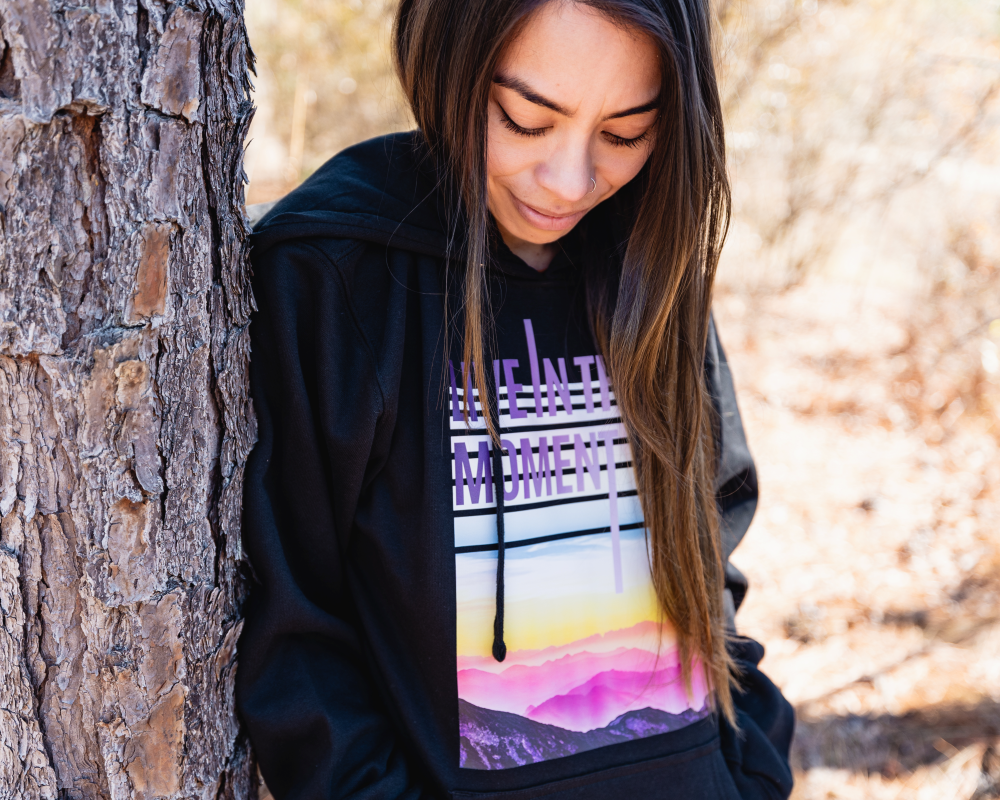
Understanding these advantages and limitations can help you decide when DTF is the right choice and when another transfer method might be more suitable. For example, if you have a one- or two-color logo, you might want to consider a screen-printed transfer.
Screen-Printed Plastisol Transfers
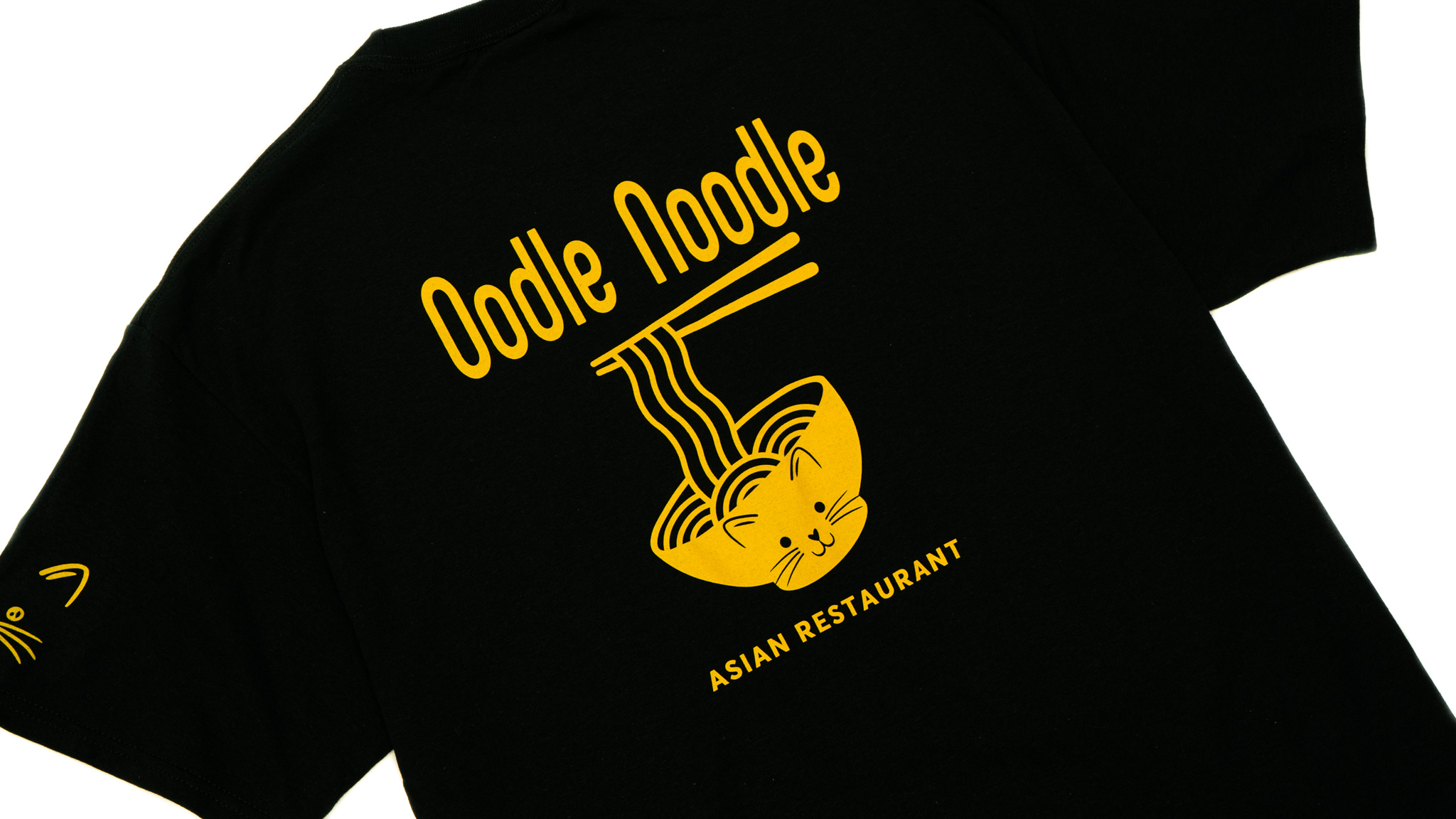
Screen-printed plastisol transfers are a popular choice for creating durable, high-quality prints with a soft ink hand or finish. They involve screen printing a design onto a transfer paper or clear film, which is then heat pressed onto the substrate. This method is ideal for group orders such as family reunions, camps, schools, and more.
Advantages:
- Vintage, soft screen-print feel
- Pantone color matching
- Ideal for high-volume production or group orders
- Usually cheaper than DTF for 1-3 spot color orders
Disadvantages:
- Requires precise temperature and pressure settings
- Limited to spot color artwork
Hybrid Transfers
Hybrid transfers combine elements of digital and screen printing to offer a soft, detailed finish. They are perfect for designs that require fine details and a soft hand feel.
Advantages:
- Soft, high-quality finish
- Better for full-color artwork in higher quantities
- Versatile for different fabrics
Disadvantages:
- Thin, clear adhesive outline may be visible depending on artwork and shirt color
- Higher cost at lower quantities
Sublimation Transfers
Sublimation transfers use a dye-sublimation process to embed the ink into the fabric, resulting in a permanent, vibrant design. This method works best on white or light-colored polyester fabrics and is ideal for creating all-over prints.
Advantages:
- Permanent, vibrant colors
- No feel on the fabric
- Perfect for all-over prints
Disadvantages:
- Only works on white polyester or polymer-coated surfaces
- Colors may not be as vibrant on darker fabrics
Vinyl Transfers
Heat transfer vinyl (HTV) designs involve cutting a design from heat transfer vinyl and then heat pressing it onto the substrate. This method is versatile and allows for a wide range of colors and finishes, including puff, reflective metallic, and glitter. HTV materials give you the ability to print a wide number of finishes that aren’t possible with any other type of transfer.
Advantages:
- Wide variety of colors and finishes
- Durable and flexible
- Ideal for custom, one-off designs
Disadvantages:
- Not suitable for highly detailed designs
- More time-consuming for large quantities

Patches and Emblems
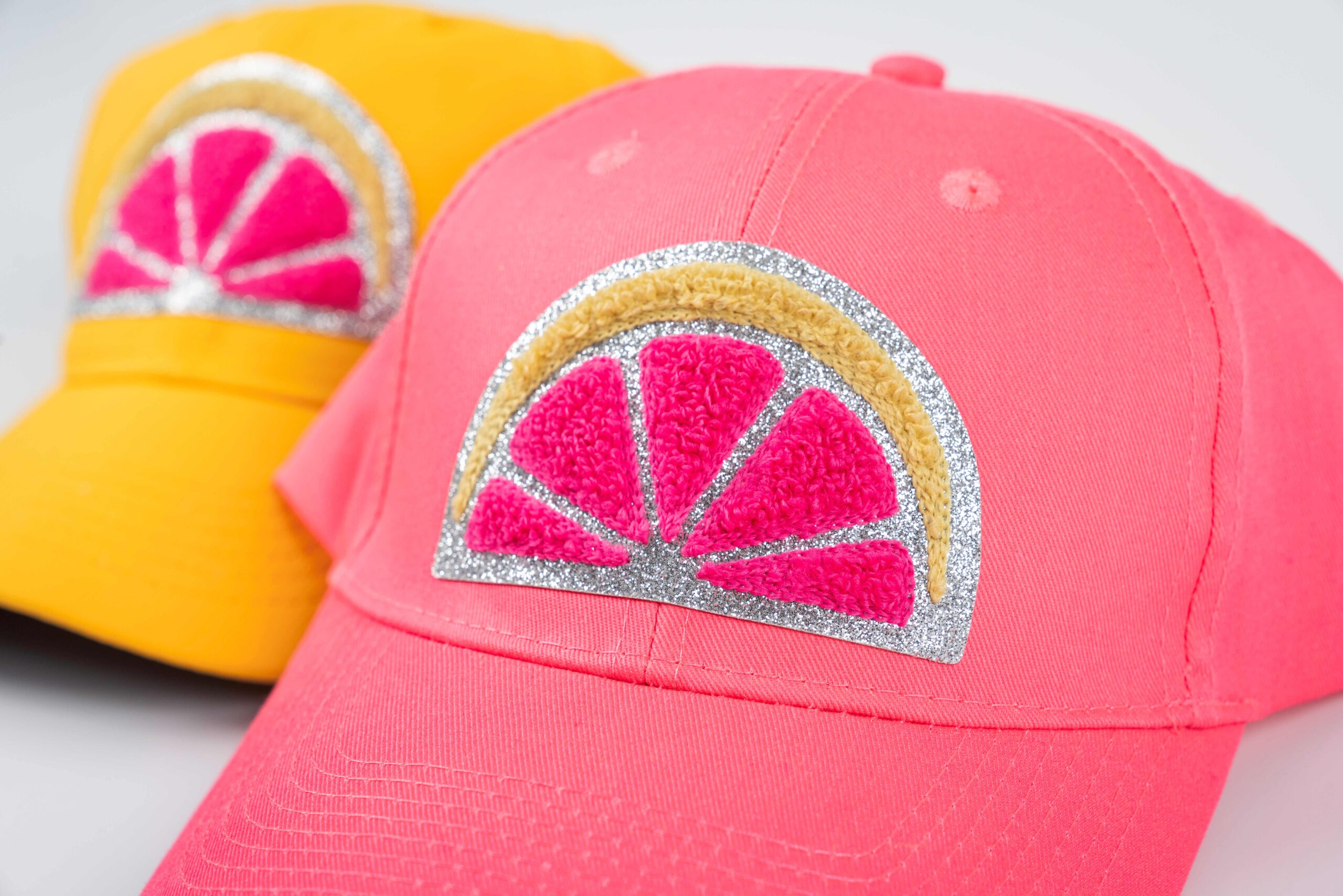
There are also a wide range of patches and emblems designed for heat application to caps, bags, shirts, and more. There are embroidered, chenille, leather, silicone, embossed, raised plastic, and many more types from which to choose. Since patches and emblems are thicker than other types of heat transfers, you will need a specialty heat press that has both a heated upper and lower platen to apply them properly.
Advantages
- No need to sew patches on hats
- Permanent adhesion with proper heat press
- Add texture and sought-after fashion elements
Disadvantages
- Heat press with heated lower and upper platen needed
- Minimum order usually required
Choose the Right Heat Transfers for Your Project
When choosing a transfer type, several factors should be considered to ensure you achieve the best results for your project.
- Fabric Type: Different transfer methods work better on different fabrics. For example, sublimation transfers are ideal for polyester, while vinyl transfers can be used on a variety of fabrics, including cotton and blends.
- Desired Finish: Plastisol transfers offer a classic screen-printed feel, while hybrid transfers and DTF transfers provide a softer, high-quality finish for fashion items. Consider how the overall finished shirt should look and feel.
- Design Complexity: The complexity of your design can influence your choice of transfer. Vinyl transfers are great for simple, bold designs, while hybrid transfers and DTF are better suited for detailed artwork. Screen-printed plastisol transfers are ideal for spot color artwork.
- Production Volume: For high-volume production, plastisol transfers are often the best choice due to their efficiency and durability. For smaller batches or one-off designs, vinyl or DTF transfers may be more appropriate.
- Cost: Budget is always a consideration. While some transfer methods, like hybrid and DTF, can be more expensive, they offer unique benefits that may justify the cost for certain projects.
Advanced Tips for Achieving the Best Results
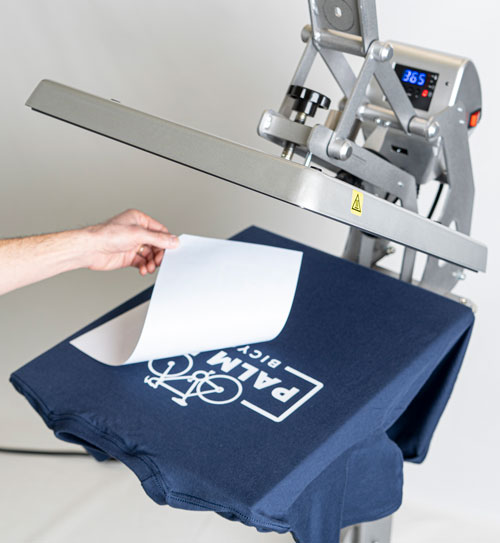
- Pre-Pressing: Always pre-press your garment to remove any moisture and wrinkles, ensuring a smooth surface for the transfer.
- Accurate Temperature and Pressure: Follow the manufacturer's instructions for temperature and pressure settings to achieve optimal results.
- Test Prints: Perform test prints on a sample fabric to fine-tune your process and ensure the final product meets your standards.
- Proper Storage: Store your transfers in a cool, dry place to maintain their quality and longevity.
- Use of Heat Press Accessories: Some applications will require the use of cover sheets, pillows to raise print areas, and other techniques to ensure proper applications.
- Use of Specialty Heat Platens: There are heat presses available with interchangeable heat platens that allow you to easily print sleeves, youth jerseys, pant legs, and even shoes.
Conclusion
Choosing the right transfer type for your T-shirt printing project is crucial to achieving the best results. By understanding the advantages and limitations of each transfer method, you can make informed decisions that enhance the quality and appeal of your custom apparel.
Whether you opt for DTF, plastisol, hybrid, sublimation, heat transfer vinyl, or patches and emblems, each method offers unique benefits that can cater to various needs and preferences. Equip yourself with this knowledge and experiment with different techniques to discover the perfect heat transfers for your next project.

Software Case Study: Mountainy’s Journey
By Nicole Rollender
Website: MtnyMade.com
Of equal importance is selecting the right software to run your business. Check out one shop's experience finding the right fit.
Products and Services Offered: Print-on-Demand, Warehousing, 3PL Fulfillment Services, Fulfillment By Amazon Prep, Contract Decoration
Decoration Options/Machines:
- 7 Epson 3070s
- Mutoh UV Printer
- Barudan Single-Head Embroidery Machine
- Stahls' Dual Air Fusion Heat Press with Hotronix ProPlace IQ
- Stahls' Hotronix 360 IQ Hat Press
- Stahls' Hotronix Fusion IQ Heat Press
- 2 Stahls' Hotronix Auto Open Clam Heat Presses
- Supporting Equipment
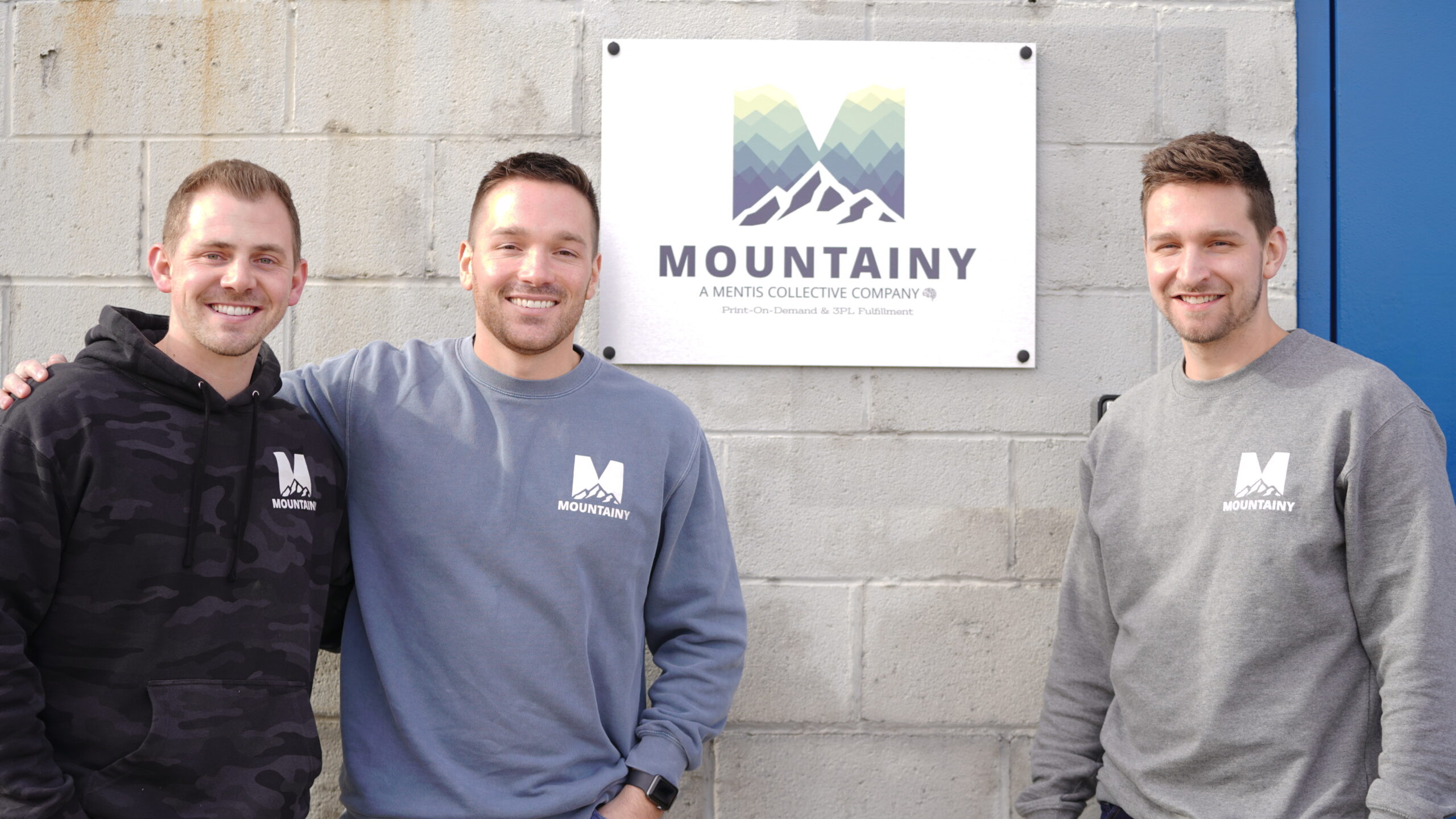
During the pandemic, sourcing products became increasingly challenging, prompting partner Josiah Lowe to search for a better solution. “The biggest challenge we faced was creating a branded experience around print-on-demand apparel while relying on third-party printers,” business partner Eric Dunion explains. “We couldn’t control the quality or timing, which often led to customers losing trust in our brand.”
In 2022, the partners established Mountainy in a 7,000-square-foot warehouse space with one Epson DTG printer. As demand for their services grew, they expanded to 16,000 square feet, and now to 20,000 square feet.
The integration of STAHLS’ Fulfill Engine with Mountainy’s 3PL warehouse management system (WMS) has been a game-changer. “There aren’t many POD platforms that can integrate with a robust WMS like ShipHero,” Dunion says. “An order containing both a POD and inventory item can enter our system, where it waits until we produce the POD item. This integration saves our clients time and thousands of dollars in shipping costs, while providing their customers with a seamless experience.”
Operating on Both Sides of the Platform
Mountainy uses Fulfill Engine to run its two POD apparel brands on autopilot. One brand has more than 10,000 products. "Our brands are niche-specific, focusing entirely on direct-to-garment printed apparel,” Dunion says. “The uniqueness lies in our large design output. The strategy of POD offers significant advantages over traditional screen printing large quantities and holding inventory. With POD, we can list thousands of products and designs, providing a level of service that's hard to achieve with screen printing or overseas manufacturing."
In late spring 2021, Dunion and his partners started using Fulfill Engine to produce and fulfill items for other brands. “We’ve been able to operate on both sides of the platform, first as a brand and then assisting others, which has been really unique,” he says.
Right now, Mountainy runs POD for 121 accounts and 3PL fulfillment for 25+ clients. Dunion’s business also expanded to include building Shopify stores for clients.
Integrating POD and Fulfillment
Setting up a print shop for production and fulfillment with the Fulfill Engine platform is straightforward, according to Dunion. The process begins when a customer places an order on a Shopify website, which then gets pushed into ShipHero. “ShipHero checks if the item is in our current inventory,” Dunion says. “If it is, the order gets allocated and moved through the system. If not, then it’s a POD item that integrates with Fulfill Engine, which passes the POD item into our production workflow.”
Fulfill Engine automatically batches the day’s orders then places a purchase order with an apparel supplier for the items. “Then, the products arrive, move through receiving, get decorated, and moved to an inventory location,” Dunion says. “Then, once the POD items and inventory items are ready, we pick, pack, and ship them together.”
This automation consolidates shipments, which is crucial for brands managing thousands of SKUs in apparel. “SKU management in apparel is a nuisance,” Dunion says. Fulfill Engine simplifies this, providing opportunities for small nonprofits, private equity companies, and other businesses to manage their inventory and reduce warehousing costs.
Reducing Labor Costs
Fulfill Engine has also transformed Mountainy’s operations in terms of reducing labor costs. There is reduced stress from the ordering side, eliminating the need for dedicated personnel to manage orders. Instead, Moutainy’s print shop manager views apparel batches and monitors purchase orders as they come in. The receiving department handles everything else, catching any discrepancies during the receiving process.
Another benefit of Fulfill Engine is its white label store option. This allows training during onboarding, after which clients can manage the software independently, eliminating the need to pay an account manager to create products for them.
Fulfill Engine connects shop APIs to suppliers like SanMar and alphabroder, creating customizable product groups. “For example, clients wanting to sell only hats or products from a specific supplier can have product groups organized accordingly,” Dunion says. “Clients can see their products with the applied markup and print cost, offering a transparent view of the total product cost with decoration.”
Prices are set clearly for each account. “If a client doesn’t like the price of a T-shirt, they can easily see other options at different price points,” Dunion says.
Managing High-Volume Orders
The Mountainy team decorates up to 1,400 garments a day on two shifts, using mainly DTG and direct-to-film (DTF) printed transfers. “Fulfill Engine’s daily batching makes it easy for us to manage this daily production load,” Dunion says. “We turned out 54,000 in Q4 of 2023, which is pretty amazing in orders-of-one.”
Even though Dunion doesn’t have screen printing, laser engraving, or large-scale embroidery equipment in-house, Mountainy can still turn out those POD orders for clients. “The beauty of Fulfill Engine is we can route those orders into the system’s network of vetted decorators who can produce the work,” he says.
Right now, Dunion has a single-head embroidery machine. “It's great to have experienced decorators supporting us as we learn the technique and scale,” says Dunion, who points to Fulfill Engine’s decorator network. “All we have to do is upload customers’ embroidery DST files for each design they want to sell. [You might be] a person starting out with just a heat press who can do 10 T-shirts a day and you suddenly get orders for 100 to 500 shirts a day. If you end up in this situation, you can accept the orders and route them to one of the vetted decorating facilities.”
Mountainy has also benefited from Fulfill Engine’s screen-printing functionality. “When you upload your design, the platform allows you to simplify the design to fewer colors,” Dunion says. “This cuts down the back-and-forth conversation with customers about numbers of colors and price in a design.”