
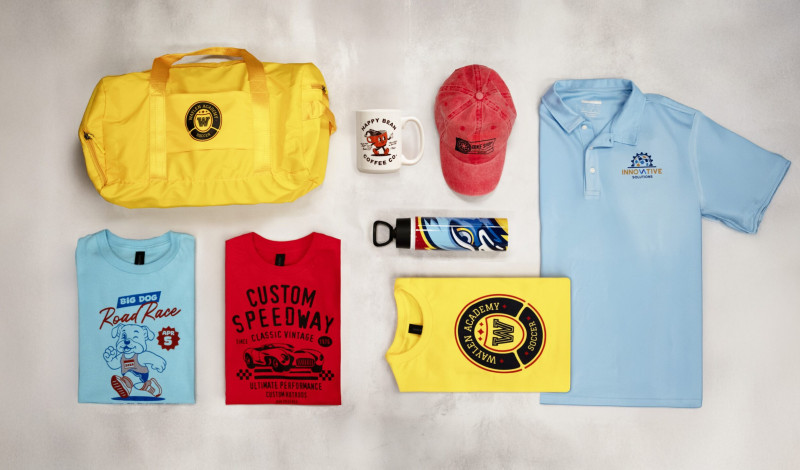
Expanding Apparel Decoration Possibilities with Sublimation
For apparel decorators, dye-sublimation has long been a go-to process for producing detailed, permanent graphics on polyester fabrics and poly-coated hard substrates. The results speak for themselves: sharp color, photographic quality, and prints that hold up wash after wash. That track record is why sublimation has become the foundation for so many decoration businesses, from solo creators to full production shops.
But the substrate list has always been the sticking point. Cotton, linen, uncoated wood, and ceramics — the materials customers ask for most — have remained out of reach for traditional sublimation. Decorators who wanted to offer them either took on extra equipment, juggled multiple ink systems, or turned the orders away. Advances in ink technology are finally changing that picture.
Advancements in Sublimation Technology
Sawgrass Technologies develops tools that enable professional sublimation printing. The company began in ink development. That early ink technology became the backbone of what Sawgrass is today.
As the ink evolved, it became clear that performance depended on more than chemistry. How the ink was delivered and managed by the printer mattered just as much. That realization led Sawgrass to build their own printers and pair them exclusively with their ink systems, creating a fully integrated setup.
Software came next. By bringing design and print management under the same roof, Sawgrass turned a collection of hardware and consumables into a complete production system.
Traditional sublimation bonds ink permanently to polyester and poly-coated surfaces. Decorators who wanted to offer those products on natural fabrics, uncoated wood, or unglazed ceramics had to bring in separate equipment, learn new workflows, and manage multiple ink systems. That overhead adds up fast, especially for smaller shops.
VersiFlex, launched in 2025, solves that problem at the ink level, in our opinion. It is a patented ink technology that works on more than 20 fabrics, including cotton, linen, and chiffon, as well as on uncoated hard materials such as wood and unglazed ceramics.
That means one desktop system can now handle custom cotton Ts, personalized mugs, drinkware, wood décor, and signage.
Which Ink Is Right for You?
Sawgrass offers two primary ink systems for the SG500 and SG1000. The choice comes down to what you plan to make. If your work centers on polyester fabrics and poly-coated blanks, SubliJet UHD is the proven pick. It has been the industry benchmark for sublimation on mugs, drinkware, and traditional sublimation blanks for years.
If you want to offer cotton apparel, natural fabrics, uncoated wood or ceramics alongside your regular sublimation work, VersiFlex is the one to choose. The VersiFlex ink set covers both traditional sublimation (using TruPix paper on poly-coated products) and natural materials (using VersiFlex Light paper), all from the same printer. One thing worth knowing: because Sawgrass ink formulations are purpose-built, ink sets cannot be mixed or swapped within a printer once you have started.
Step-by-Step Guide: Creating a VersiFlex Fabric Application
The steps below cover a standard fabric transfer from start to finish.
Skill Level: Beginner
Tools and Supplies
- MySawgrass+ Subscription
- SG500 or SG1000 Printer
- VersiFlex Inks loaded in your printer
- VersiFlex Light Paper
- Flat heat press
- Fabric substrate (canvas, duck cloth, cotton apparel, linen, or chiffon)
- Blowout paper
Step 1: Design
- Click the DESIGN button on your MySawgrass dashboard
- Select Custom Canvas
- Choose or upload your design
- Size it to fit your substrate
- Click PRINT to send the design to Print Utility
Step 2: Print
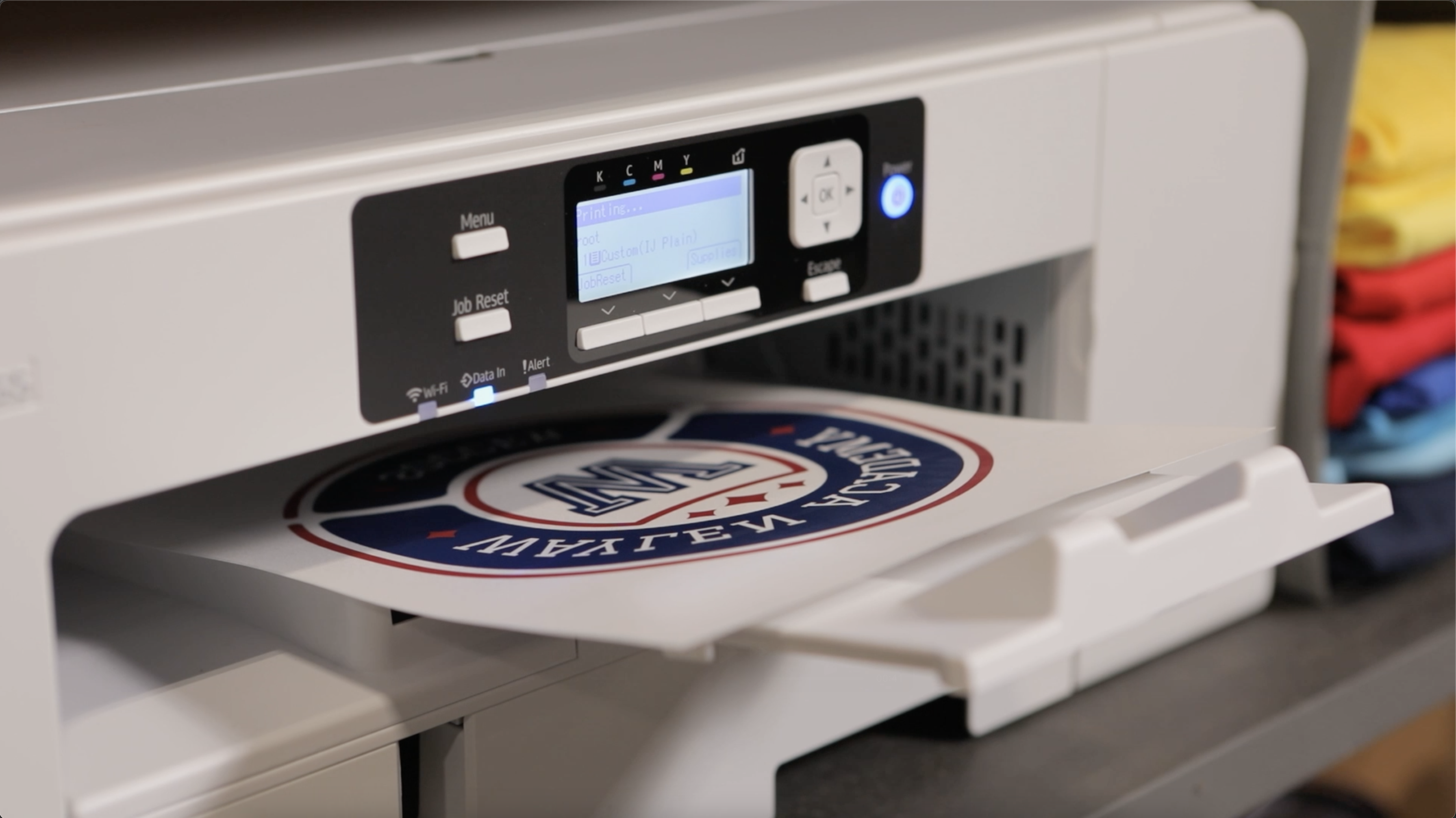
Step two – print the transfer. | Credit: Sawgrass
- Select your Sawgrass printer loaded with VersiFlex inks
- Choose the Canvas preset, or select Natural Fabrics (Burlap, Canvas, Linen) as the product type
- Load VersiFlex Light paper into the printer
- Click PRINT
Step 3: Press
- Temperature: 375 F (190 C)
- Time: 30 seconds
- Pressure: Medium
Press sequence:
- Lay your fabric flat on the base of the heat press.
- Pre-press for 10 to 15 seconds to release moisture. If steam appears when you open the press, close it and press again until the steam is gone.
- While the print is still warm, lay it face-down centered on the fabric. Once it is down, do not move it.
- Place a sheet of blowout paper over the print to protect the press from excess ink.
- Press for 30 seconds at 375 F with medium pressure. May vary based on fabric thickness.
- When the timer goes off, open the press and peel the paper right away.
- Put the blowout paper back over the printed area and press for another 10 seconds to seal the transfer.
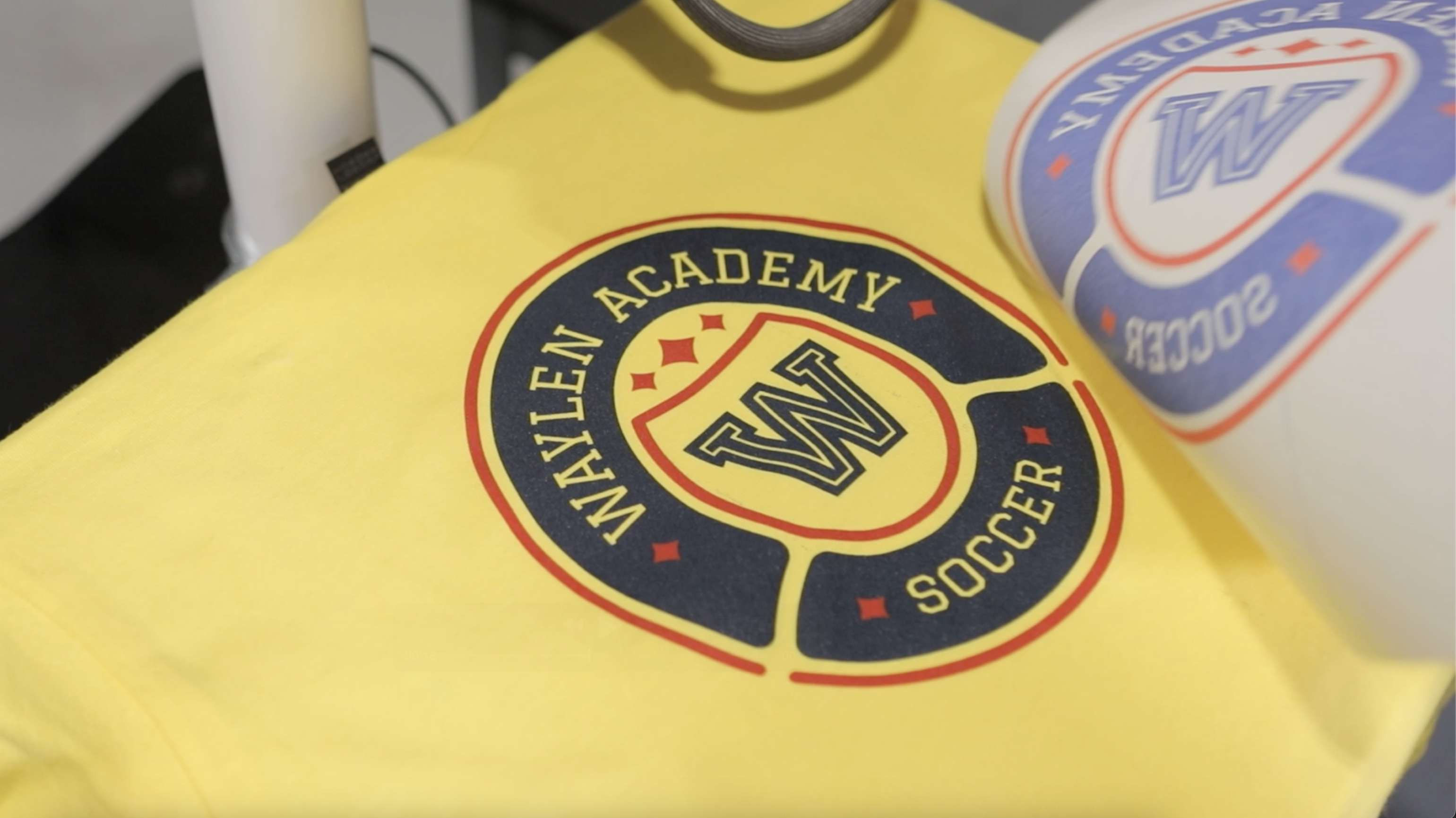
6. When the timer goes off, open the press and peel the paper right away. | Credit: Sawgrass
Substrate Tips
VersiFlex does not use white ink, so lighter fabrics and surfaces will give you the most vibrant results. Texture and surface porosity also play into how well the transfer bonds.


