
From Dirt Bikes to POD
Shawn Sckoropad used to race dirt bikes; now, his community consists of a laser focus on high-quality print-on-demand apparel decoration services and retail influence
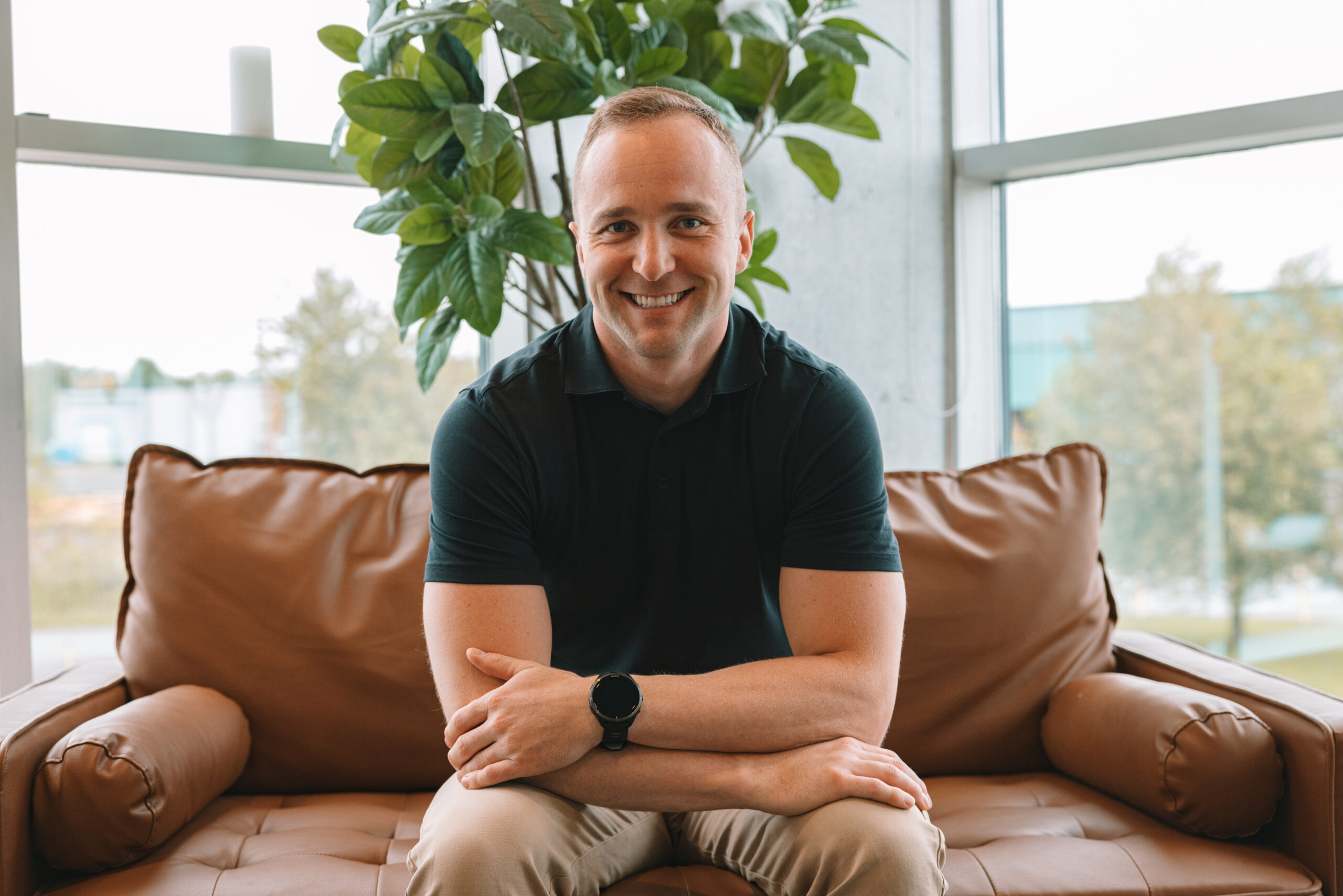
Pictured Above: Shawn Sckoropad, Managing Partner, Printeez
There are many in the apparel decorating industry that get their start through bands and music. Some find it through their kids’ sports teams. Still others find apparel decorating because they offer other printing services.
And then there are some that find it through extreme sports.
Shawn Sckoropad used to race dirt bikes. To be more specific, he used to race dirt bikes “very intensely.” It’s pretty much all he knew growing up, competing so often that he was home schooled. Then at age 16, he was badly hurt and his dad put a stop to the racing.
But it wasn’t necessarily the accident that led him to apparel. It was a combination of constantly being at the races, seeing the gear, and eventually, the need to do something other than land back in the hospital.
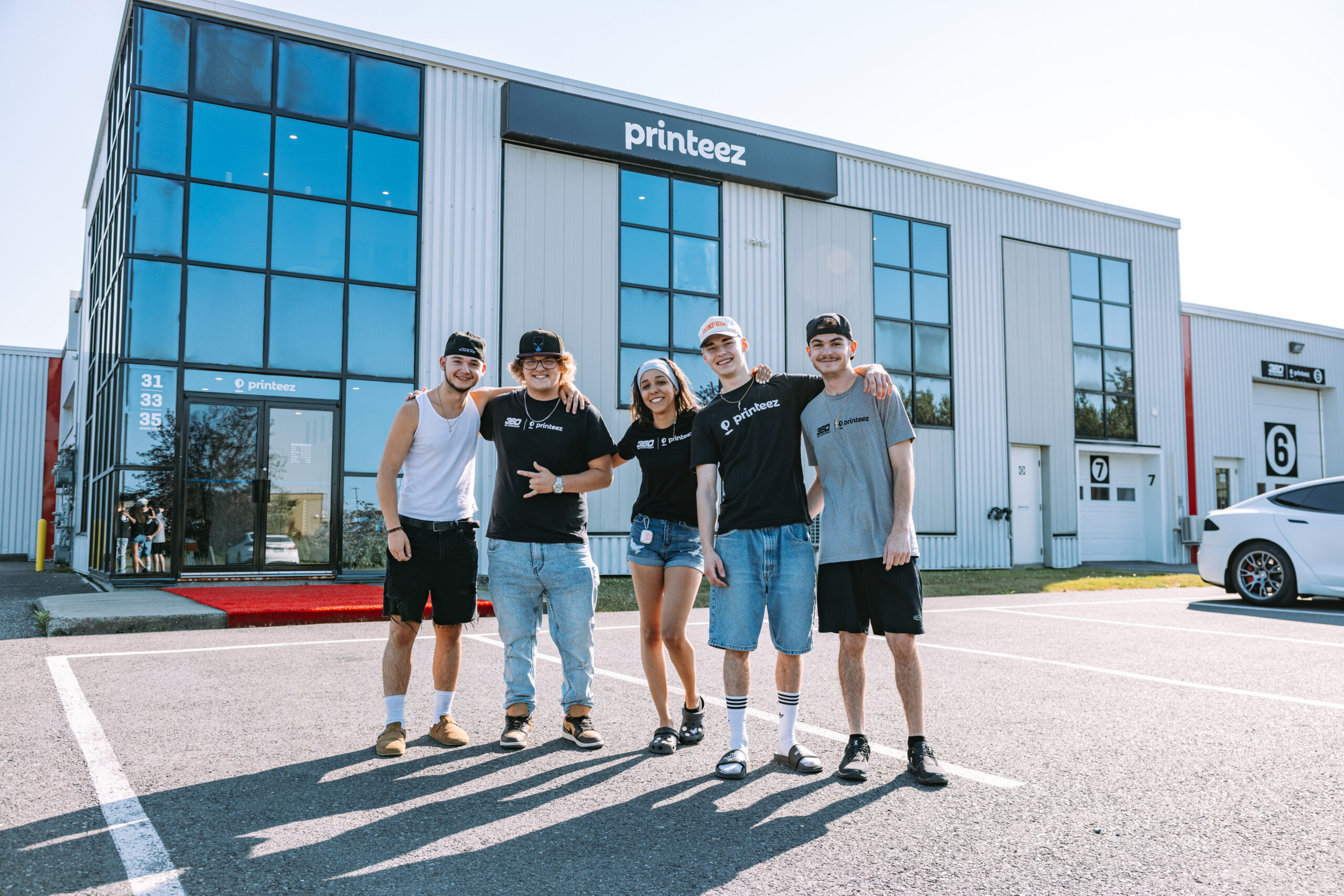
What started as heat printing for dirt bike racers grew into Printeez, a Canadian-based business that’s passionate about creating quality custom T-shirts.
From the Dirt Bike Track to Apparel Decorating
After officially calling it a day on dirt bike racing, he took another cue from his dad — and a woman they saw frequenting the events. “Every time we would go to the races, there was this lady that sold names and numbers on the backs of jerseys — you could go and get them made there [with] heat transfers,” says Sckoropad. “My dad used to always say, she's a smart one. She's coming here, not losing money, [and] she's making something. That stuck in my mind.”
As all of this was happening, Sckoropad took a good look at what the next step for him was. “I was 16, and … all my friends were at the races. I was homeschooled, so I told my dad, I want to start a business.” That business was printing names and numbers on the backs of shirts.
At the time, it was a great way for him to stay connected to his friends and the dirt bike community. Sckoropad notes that like many decorators, they started small with basic heat transfer equipment and transfers that were tough enough to stand up to the dirt bike beating. They experienced success almost immediately. “I spent around $5,000 investing into the equipment, renting the space at the event, because you have to pay to be there. And that first week, we made $22,000 of profit,” he says.
That’s pretty big money to most entrepreneurs, let alone a 16-year-old.
Shortly after his successful entry into the business, Sckoropad moved from Florida to Canada, where he still lives today. While he didn’t immediately jump back into apparel decorating, he eventually found his way back through manual screen printing. And it grew.
It grew into a retail-brand approach and water-based printing.
It grew into fashion retail printing using auto screen presses.
And as it grew, Sckoropad thought to himself, what’s next?
The Itch for Print-on-Demand
“We can sell T-shirts to anybody. And my vision was always to scale this business as big as we can and go worldwide,” explains Sckoropad. Screen printing, while a very viable apparel decorating method that’s a tried-and-true favorite, didn’t feel like the answer he was looking for.
Five years ago, Sckoropad’s brother, Alex, joined this business. That’s the point where they made the big push to change and go fully online. “We switched our business model, bought [direct-to-film] DTF machines at that time, had small entry-market [direct-to-garment] DTG machines,” he says. “We started dabbling into online and that's when the itch for on-demand started.”
It's the “itch” that the entire industry seems to be caught up in. Sckoropad says they did all the typical things decorators do when first jumping into print-on-demand (POD): connected to platforms like Shopify and ShipStation, did manual billing, the whole nine yards.
“But then you realize, after 100 orders a day from your customers, it's hard to handle, it's hard to navigate,” he says. “So that's when we started to invest into finding a solution, finding a tech platform that would support us for that.”
In addition to external partners, the team also made some internal hires that have helped developed the model. They also build and use their own proprietary software.
During the transition, they also sold all their screen-printing equipment and went all in on DTF. “We went fully DTF to try and test the waters because of the entry-to-market costs, and we quickly found the pain points of DTF as soon as you have volume,” Sckoropad says with a little laugh. “We were producing roughly 2,800 shirts, one-off, single units with DTF a day. That required a lot of labor.”
While on the hunt for equipment that could meet their needs somewhere between where DTF shines and screen printing shines, they found larger-scale DTG.
The Dive into DTG
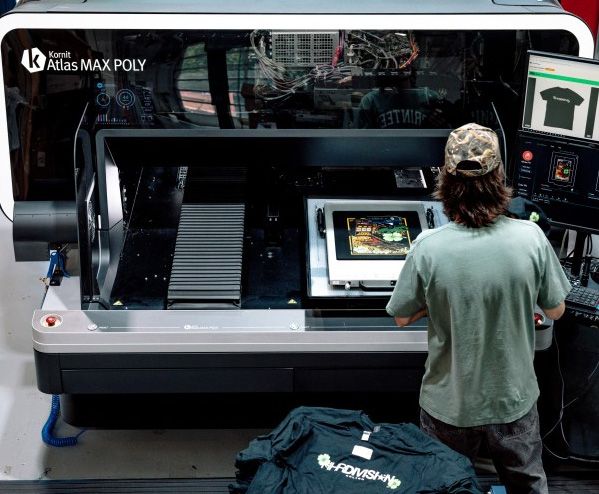
Now, Printeez has four Atlas Max POLY machines from Kornit. This year will be the business’s first peak season running the machines, and Sckoropad is excited at what it means for the company. “As soon as the first Kornit arrived, that was a big milestone for us,” he says. “It's not just the equipment, but it's the mentality that goes behind it, the investment that you make into your future and where you're going.”
And for Sckoropad and team, the future looks bright indeed. And not just for Printeez — for the industry as a whole. Sckoropad knows POD has reshaped the industry, but he also believes big retailers and cutting-edge technology like AI are also impacting decorators.


He points to big companies like Shein and Amazon where users can order a custom piece of apparel with one click, and within days, sometimes even hours, it’s on their doorstep. And regardless of how you feel personally about this “Amazon effect,” Sckoropad, like others, believes it’s reshaped our corner of the apparel world.
“You see a massive shift in not just a massive retail brand, but the consumers,” says Sckoropad. “The consumers want something that's done tomorrow morning, and they want it personalized.”
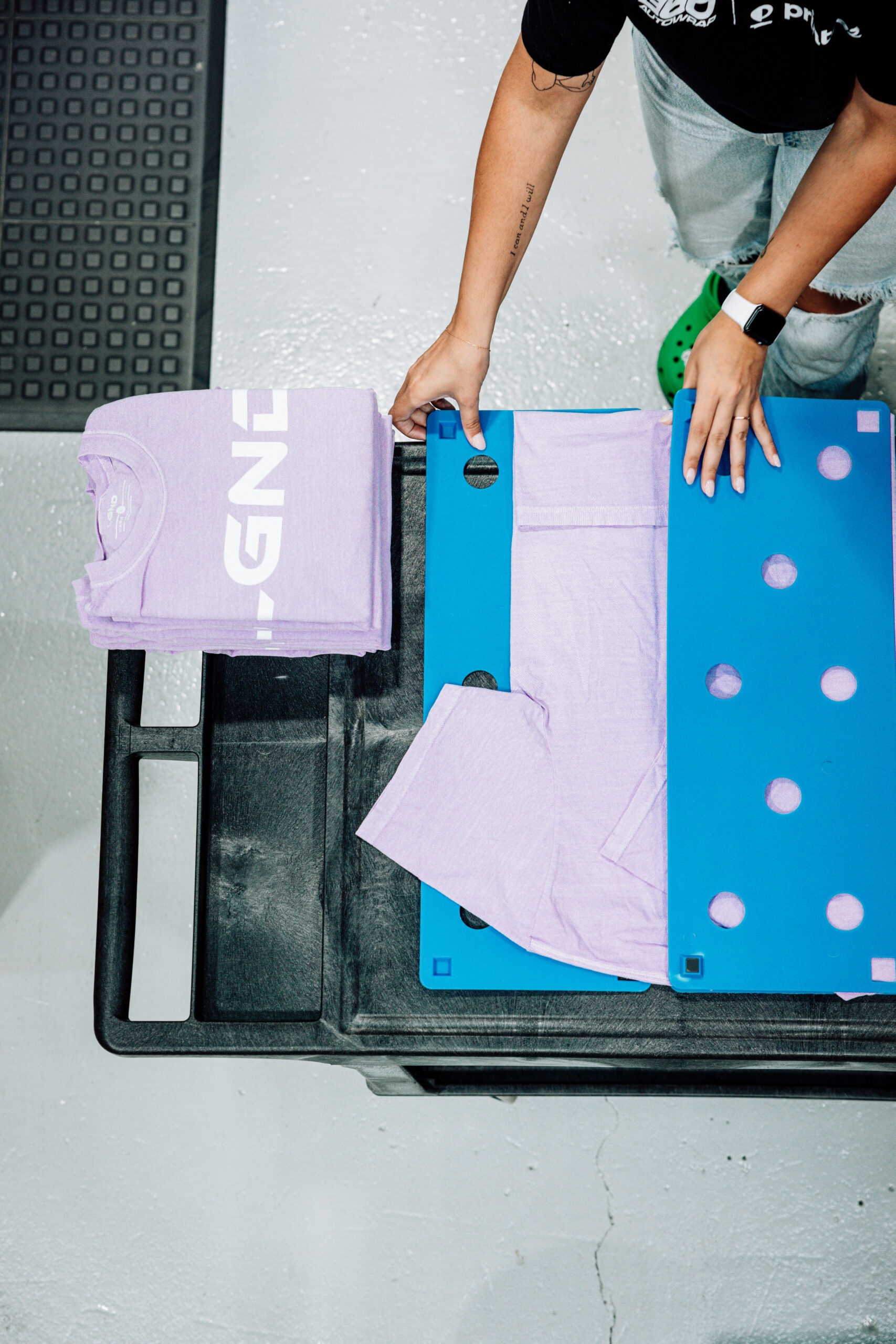
All that being said, for Printeez specifically, the next step for Sckoropad is more facilities. “Our goal is to be market disruptors,” he says. “We want on-demand to truly be a solution for large retail brands, not just your funny T-shirts or easy ways [you] might make money online. We want it to be retail-ready quality, whether it's adding hang tags, hem tags, whatever, all done on-demand with your custom products with a folded bag and shirt.”
Those big dreams of expansion, maybe even with sights on a global reach, don’t detract from the feeling of community Sckoropad had from his dirt bike days. Not only does he see this sense of connection shine through in partnerships with companies like Kornit, but he sees it in the industry at large. “It's not competition, it's co-operation,” he says. “Being able to help each other out and find solutions is what I love the most … we can all grow this industry and move it forward.”