
BELLA+CANVAS Issues First-Ever Impact Report
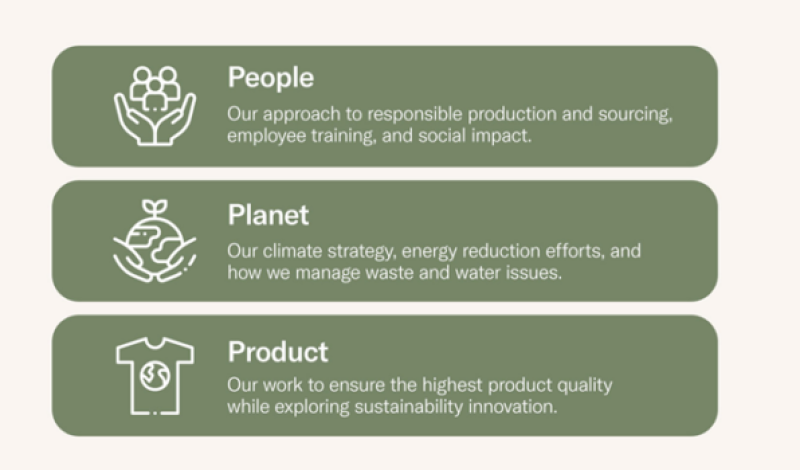
BELLA+CANVAS has released its inaugural Impact Report, outlining 2024 performance metrics and goals across its three sustainability pillars: People, Planet, and Product.
Key 2024 results:
- FLA Accreditation and WRAP Certification across U.S. and contracted sewing facilities
- First greenhouse gas inventory and first product lifecycle assessment
- Renewable energy investments: 1.1 MWh rooftop solar in Maryland, 1 MWh in Nicaragua
- EcoMax Tee: 100% recycled materials, GRS Certified
- $500K+ in donations, 5,900volunteer hours, 43,000 t-shirt donations
The company’s governance structure, led by its Global Sustainability Executive Committee, ensures integration of sustainability into operations, with their reporting aligned with industry best practice frameworks.
“Transparency, innovation, and collaboration will define the apparel leaders of tomorrow,” said Norm Hullinger, President of BELLA+CANVAS. “This report is our commitment to leading that change.”
In an exclusive interview for Apparelist, Hullinger notes that establishing these baseline metrics is just the beginning. “We’re energized to apply our Be Different mentality to spark bold, creative, and collaborative sustainability initiatives across the industry.”
He adds that the company intends to share updates on its sustainability progress on a regular basis. “For our 2024 Impact Report, we partnered with technical experts and sustainability communication specialists to review and confirm our impact data, including our greenhouse gas inventory and life cycle assessment results,” explains Hullinger. “Going forward, we plan to leverage our baseline data to guide our key focus areas around people, planet, and product, with the goal of building on our progress and driving meaningful improvement.”
Jenny Huynh, global sustainability manager at BELLA+CANVAS, believes that this provides a powerful opportunity “to reduce textile waste, extend the life cycle of garments, and help consumers reconnect with the value of their clothing. Achieving this vision will require deep collaboration with stakeholders and a commitment to sustainable practices throughout our value chain, but it’s a worthy goal that ensures future generations inherit a thriving, sustainable world.”
The 2024 Impact Report is available to industry stakeholders here.


