
Fast Fashion Under Fire: What EPR Means for the Industry
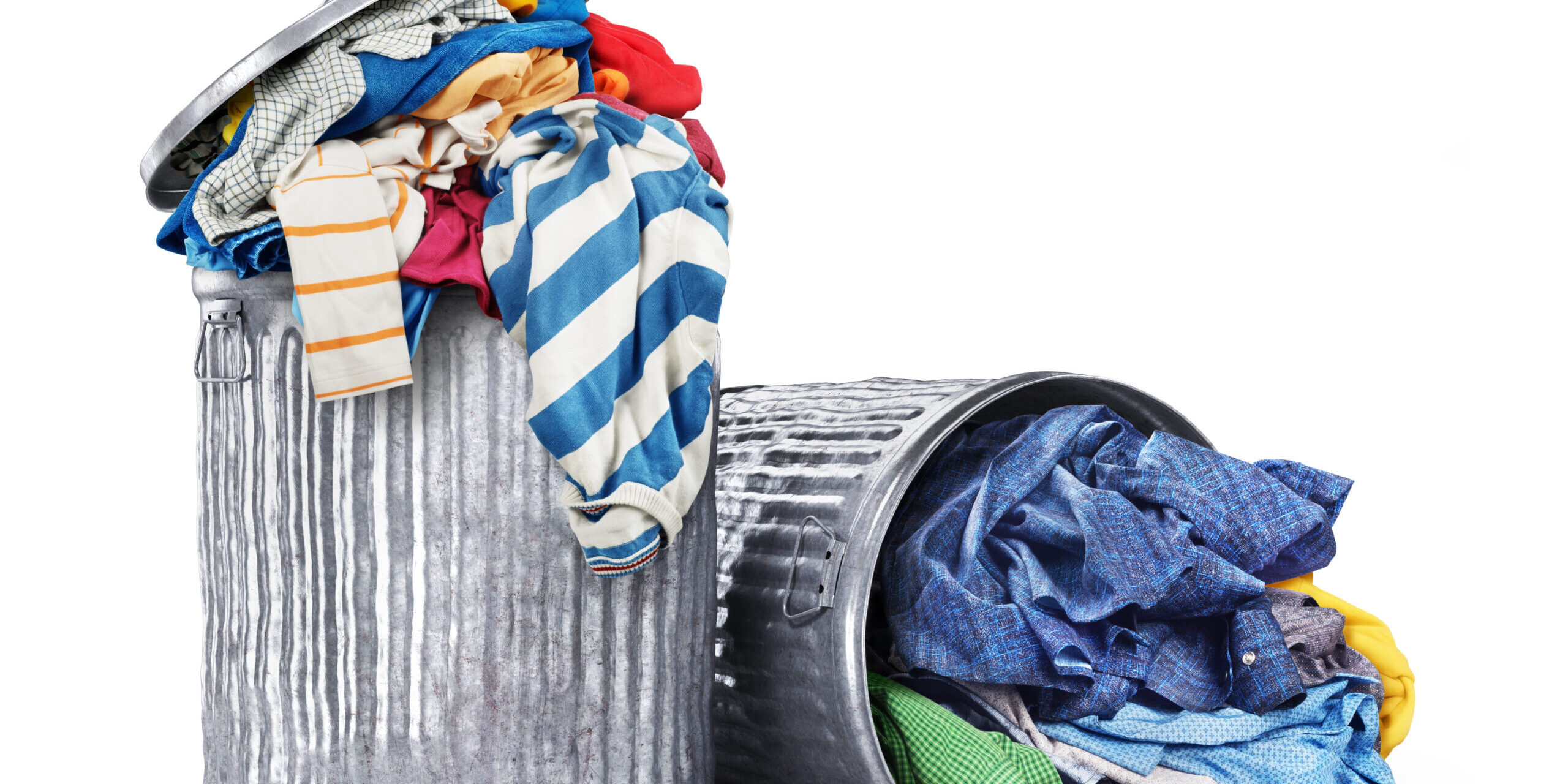
Understand the price of fast fashion, and how regulations like EPR and France’s ‘Kill Bill’ trickle down and affect the wholesale apparel industry.
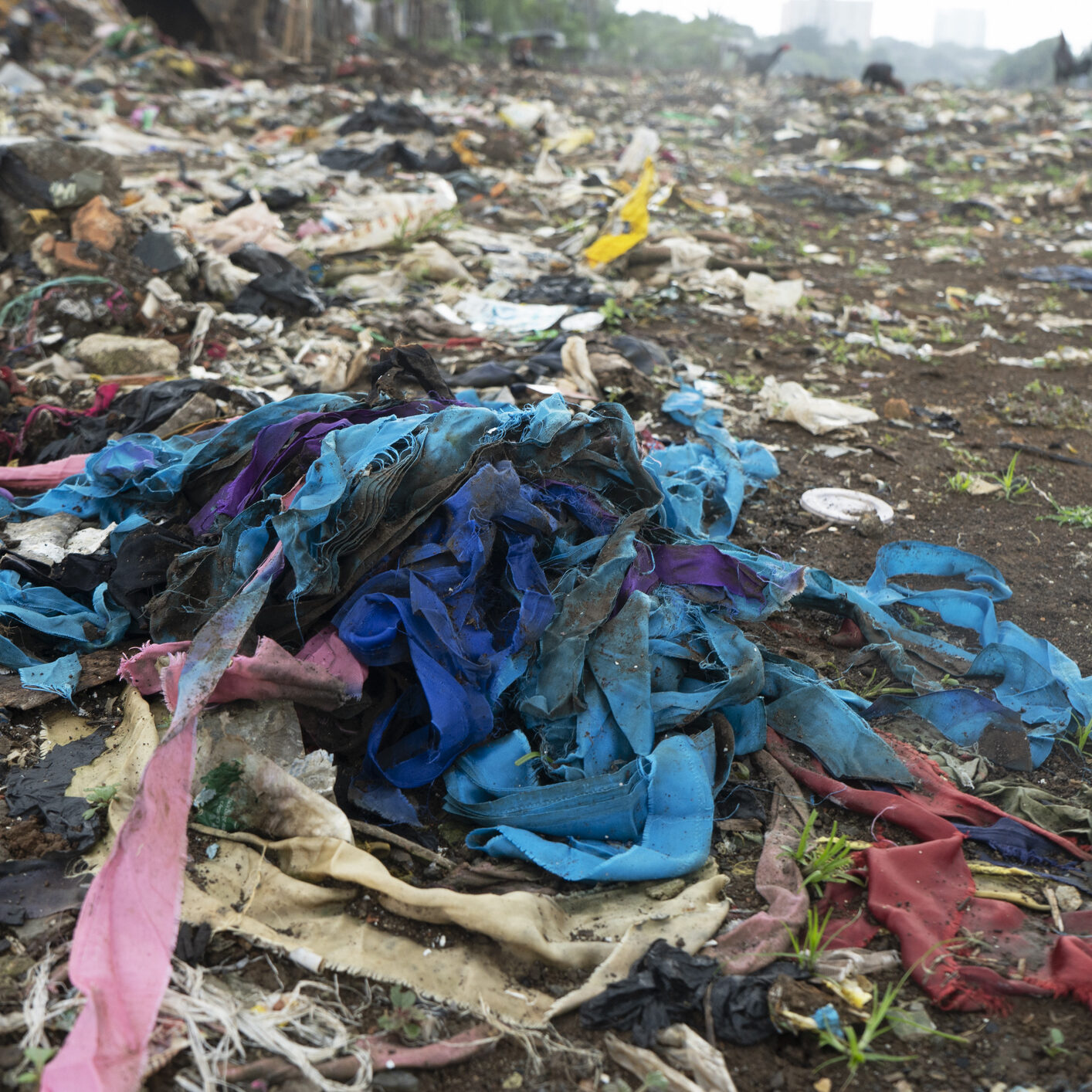
In 2018, roughly 17 million tons of textiles were generated in the U.S. and 11.3 million ended up in landfills, according to the United States Environmental Protection Agency (EPA). Despite growing environmental concerns, fast fashion and overconsumption continue to grow as retailers like Temu, Shein, and H&M produce inexpensive clothing at high volumes and consumers continue to be enamored with micro-trends.
“From 2000 to 2014, clothing production doubled, and consumers began keeping clothing pieces for half as long, signaling the rising popularity of fast fashion,” states the Ivey Business Review. “The global fast fashion market approached a value of $68 billion in 2020 and is expected to see a 19% CAGR to $163 billion in 2025, and $212 billion in 2030.”
Despite its affordability, fast fashion comes at a price. Beyond textile waste, fast fashion brings up other environmental and social concerns, including the use of large amounts of water and energy, chemicals, and microplastics, in addition to raising questions about labor practices.
“It doesn't surprise me that [fast fashion] is growing,” says Gary Jones, vice president of environmental, health and safety (EHS) affairs at PRINTING United Alliance. “If we use an analogy, there's been a lot of pressure on plastics in the general category for years, and yet plastic use continues to grow.”
As environmental pressures mount, efforts to slow fast fashion production and impact can be seen across various sectors of the apparel industry.
Is Fast Fashion’s Time Up?
Despite fast fashion's growth, Michel Hublet, head of sustainability at Stanley/Stella, says it will be under more pressure as time goes on. And we’re already seeing some of that pressure come to a head.
In March 2024, French lawmakers approved a bill that would penalize fast fashion, banning certain brands from marketing their products on social media, where many of these micro-trends are being pushed to consumers via influencer marketing. The bill also calls for gradually increasing penalties of up to 10 euros ($16) per item of clothing by 2030.
In June 2024, the Congressional Slow Fashion Caucus was formed to curb the pollution caused by fast fashion. It “seeks to transform the fashion industry by fostering sustainable practices, which will likely influence both wholesalers and apparel decorators to adapt to a more environmentally conscious market landscape,” Stephanie Buka, government affairs coordinator at PRINTING United Alliance, explains.
In September 2024, California passed the first textile EPR (Extended Producer Responsibility) program. “SB 707 is designed to reduce the amount of textiles sent to landfills,” Jones states. “It will also support the development of upcycling and recycling across California and help address the environmental impacts of fast fashion and the throwaway culture it has created.”
And EPR doesn't just affect fast fashion and retail; it impacts all apparel and textile producers in the industry.
EPR Compliance, Infrastructure, and Fees
To ensure producers comply with EPR regulations, any California company producing fashion pieces must join a Producer Responsibility Organization (PRO). The PRO administers and implements EPR regulations and collects fees from producers. “It's an independent bureaucracy created by the law,” Jones explains. “The PRO becomes the implementing arm of the EPR requirements, but they haven't written any of those regulations yet.”
With five states adopting EPR legislation, programs are gaining traction across the U.S., says Buka. However, California is the first and only to address textiles specifically, with New York looking to follow suit.
The New York Fashion Act has been introduced three times but continues to fail. Buka says it looks to impose “unrealistic demands and significant financial burdens on companies, particularly small and medium-sized enterprises. Sustainability and social accountability are crucial, but the proposed regulations would stifle innovation and competitiveness in the apparel decorator community.”
What's Happening in Retail
With environmental concerns rising, fast fashion retailers have put in effort to make changes.
Recycled, Regenerative, Renewable
While Reformation is known for leaning into fast fashion trends, issuing two new styles per week, 97% of its materials used in 2023 were “recycled, regenerative, or renewable,” according to an article by Trellis. Twenty-six percent of that was non-virgin materials, including deadstock, recycled, and “next-gen” materials like Circulose. Seventeen percent of its 2023 business included resale, vintage, and rental sales. Additionally, it hopes to become “climate positive” in 2025 and use zero synthetic fibers by 2030.
Recycling Gone Wrong
Meanwhile, other companies have tried and fallen short. In 2023, H&M’s in-store recycling program was called out for misleading recycling claims. Two Swedish reporters dropped 10 H&M garments into one of the fast fashion chain’s collection boxes, all equipped with Bluetooth trackers. After five months, none of the garments ended up at sorting stations or recycling facilities and many ended up in landfills in Ghana and Benin.
She looks forward to advocating for a more balanced approach that encourages voluntary compliance and provides incentives for adopting sustainable practices alongside New York lawmakers in 2025. One organization employing business voluntary agreements is WRAP, an environmental NGO focused on transforming broken food and product systems to create circular living. It says voluntary agreements work in food, plastics, and textiles.
That said, Jones expresses concern about infrastructure, or a lack thereof, and the fee associated with EPR programs. He says the infrastructure isn’t quite there to handle the volume of clothing that will be collected through recycling programs. There’s only so much apparel that can be effectively collected.
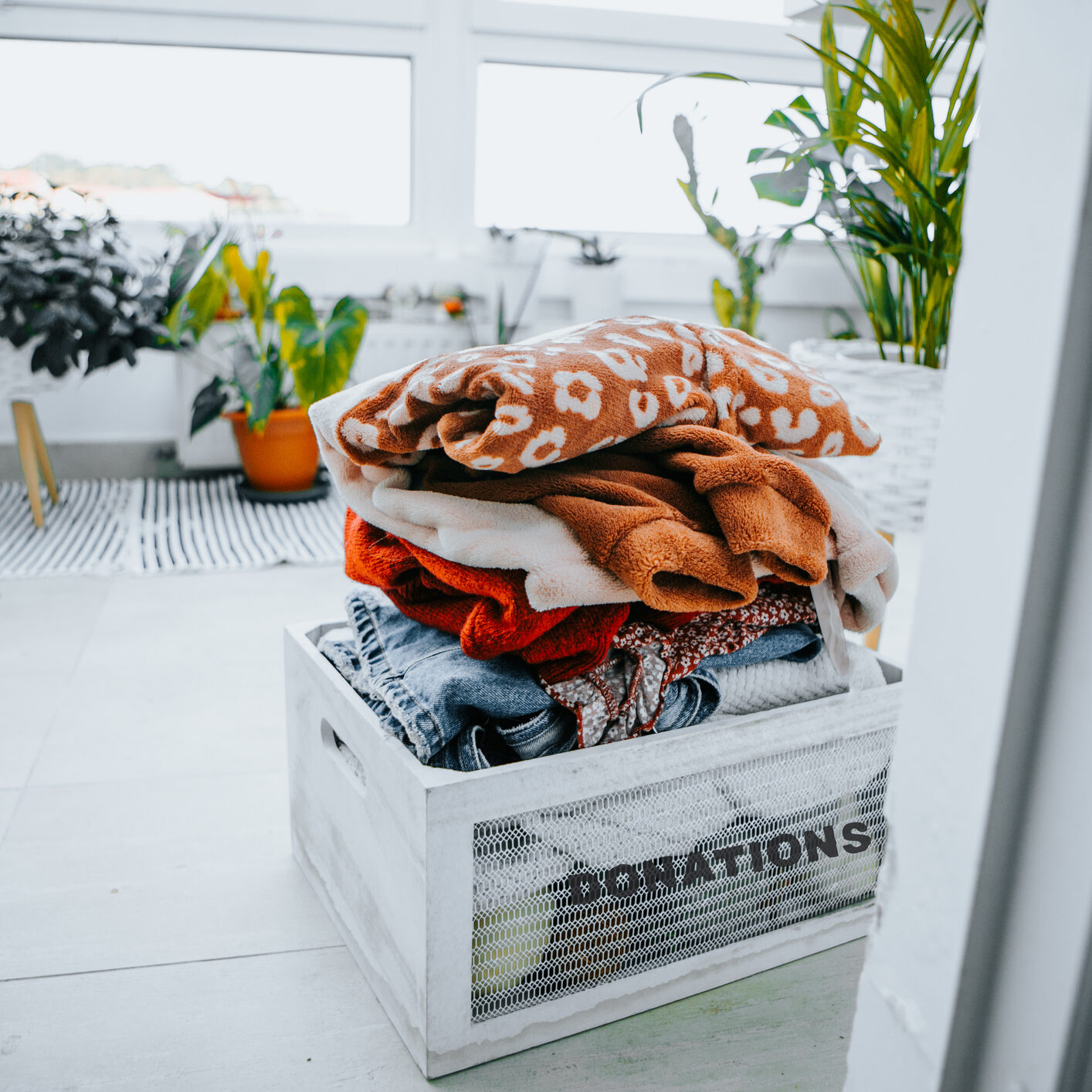
“When you look at the mountains and mountains of clothing, the mountains and mountains of packaging, there's people saying, ‘You're kidding yourself that you're really going to build enough infrastructure to handle all this material,’ but I will say on a positive basis, we're seeing more of that on the packaging side. We're seeing more infrastructure come up because people can make money on it,” Jones shares.
Not to mention that once a recycling center receives a garment, the process of getting it back to a reusable fiber is challenging. Jones says chemical recycling can take care of a lot of the non-organic type of fabrics like polyester, but when dealing with polyester/cotton blends, it gets tricky.
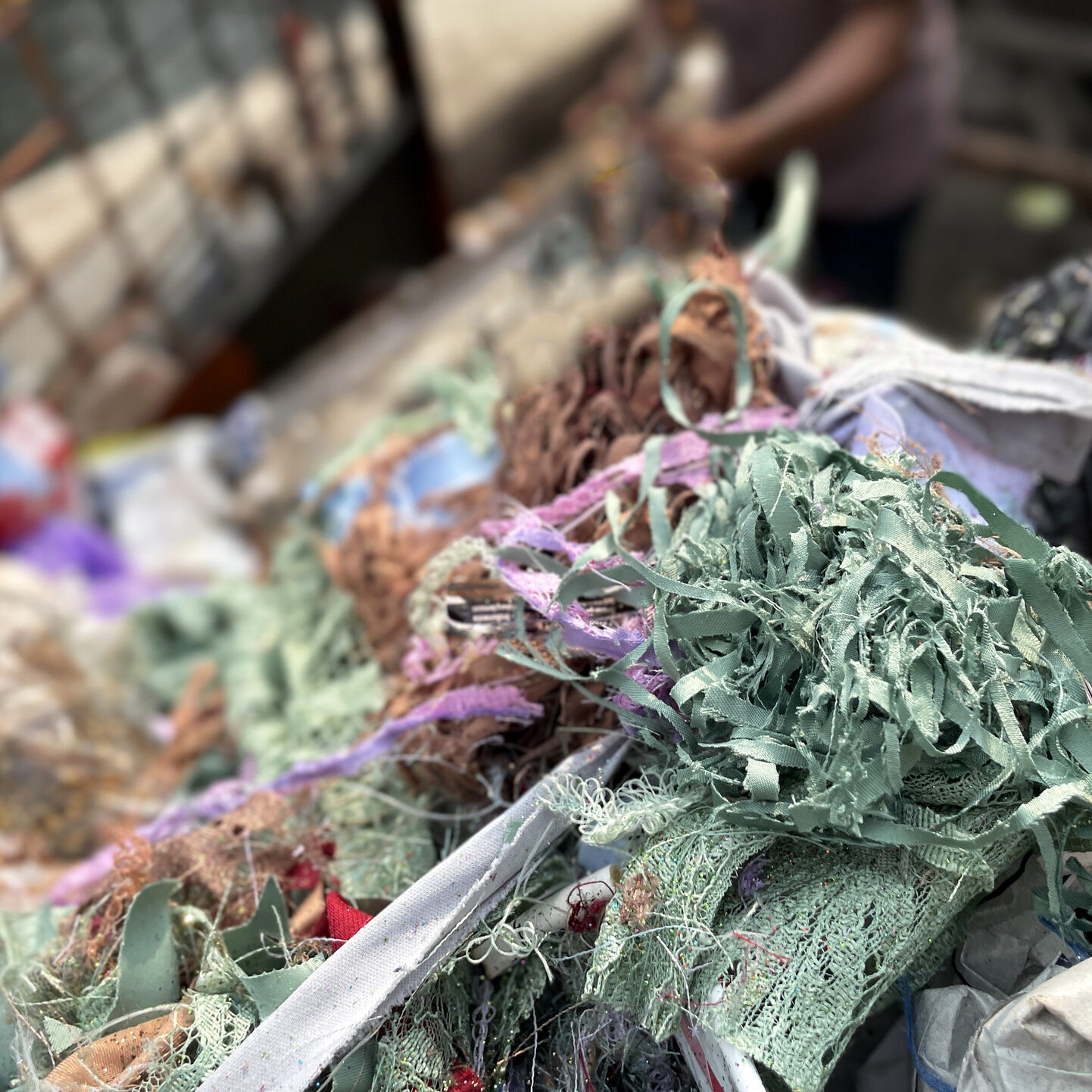
While cotton is ideal for recycling, growing it has a larger impact on the environment, stripping nutrients from the soil and requiring fertilizer and large amounts of water. The full life cycle impact must be considered, Jones says, which is why it's important to source cotton sustainably.
Beyond infrastructure issues, Jones also worries about the fee associated with EPR, requiring producers to pay for each item placed into commerce. The producers won’t absorb that cost, he says, so the consumer will end up bearing it.
While he advocates for drawing less on natural resources and figuring out ways to recycle materials and move toward a circular fashion economy, he says EPR tends to only focus on one piece of the circle without thinking about what it takes to process, recycle, and breakdown fabrics and fibers for reuse.
One state the industry can learn a lot from is Michigan, where it’s implemented NextCycle Michigan, a program that funds companies bringing innovative technologies to the market and provides grants to encourage recycling. Through this, its recycling rates have started to increase, and funds have gone toward infrastructure development. This is a good example that EPR isn’t always necessary and voluntary compliance works.
“I'm not a proponent of forcing markets,” Jones adds. “But I think they need that incentive, or otherwise they wouldn't naturally want to do it. But ultimately, the consumer is going to pay.”
Despite these concerns, federal EPR legislation could be a potential, and it’s something the Alliance supports. “That framework would be much easier than dealing with the patchwork of 50 state laws,” Buka adds.
Awareness to Action: What You Can Do Now
What’s coming out of Europe and California should encourage the wholesale apparel industry to do better, Hublet says, and there’s no better time than the present.
“The new legal obligations coming in Europe have a clear objective to reduce low quality, ethical material and products to reach the market, and to make sure that customers are informed about what they buy through a much higher level of transparency,” Hublet says. “These principles of quality, sustainability, and transparency are part of Stanley/Stella from the start of the company, and we see through our partnership with SanMar that it also resonates at wholesaler level in the U.S.”
Much to what Hublet highlights, Jaime Griggs, brand partnership director at Hohenstein, says the consumer focus on transparency in sustainability initiatives and global regulation causes the wholesale apparel industry to be held to a higher standard than before.
“The greatest takeaway is knowing your supply chain and vetting your SKUs/materials on a regular cadence – whether through testing, certification, or both,” Griggs states.
Shifting to better quality materials and sustainable production practices requires significant investment and time, but Hublet says it allows wholesale apparel industry makers and producers to differentiate themselves. “It means also that regulations will be less of a constraint but more a supporting tool for the brands who are leading the sustainability journey like Stanley/Stella,” Hublet says.
Jones advises apparel makers and decorators to take a page from the packaging industry’s book and start their own PRO. By doing this, they can help create custom solutions, influence governance and fund allocation, collaborate with like-minded companies, shape policies and regulations, and build a reputation as a leader. With plenty to consider when starting a PRO, he encourages stakeholders to learn about every element.
He adds that California’s EPR legislation serves as a wake-up call for apparel brands. Clothing needs to be recyclable and durable, and its afterlife must be considered.
To be part of the shift away from the fast fashion model, sources have some suggestions:
- Collaborate with like-minded organizations focusing on quality and sustainability
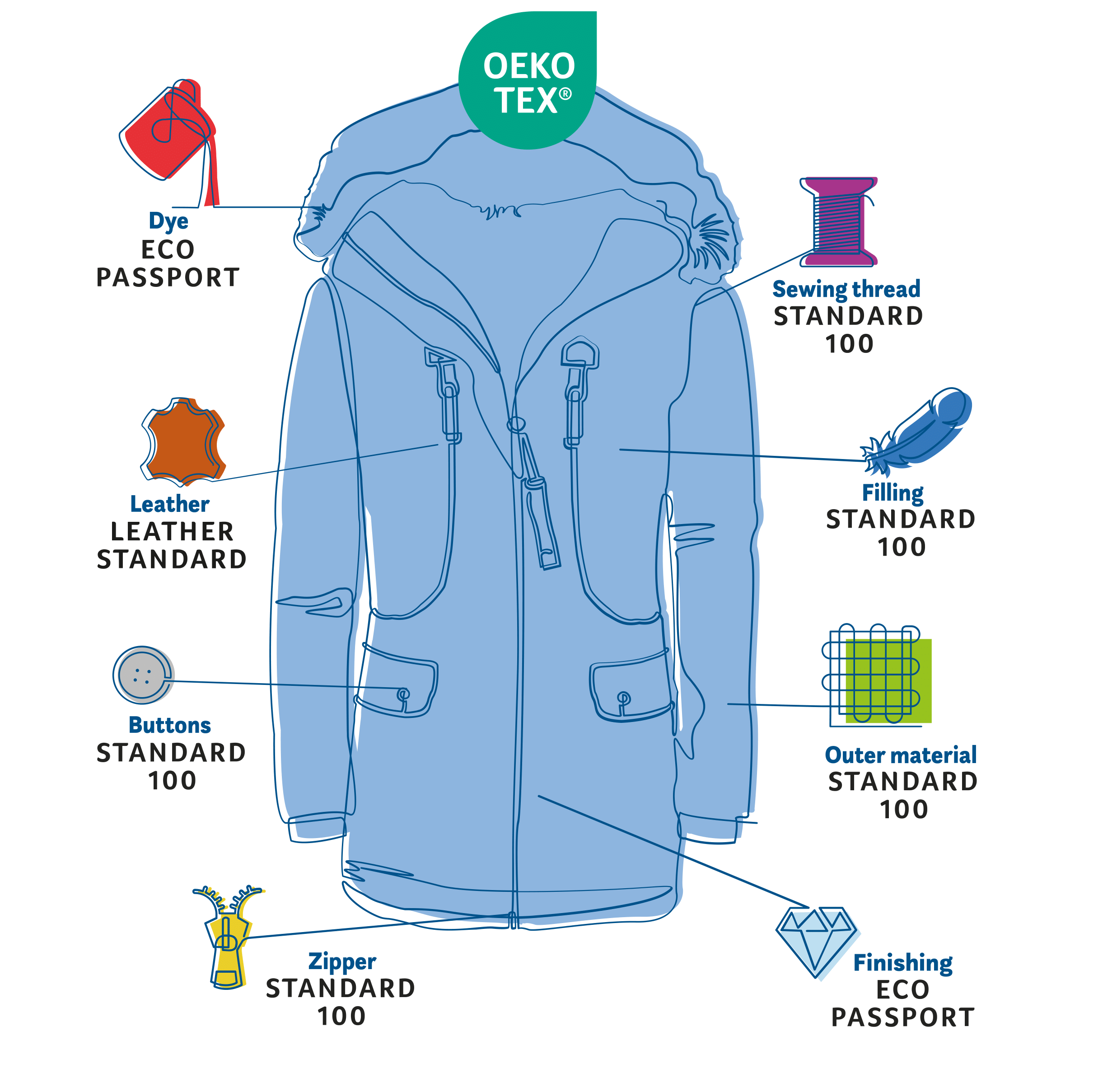
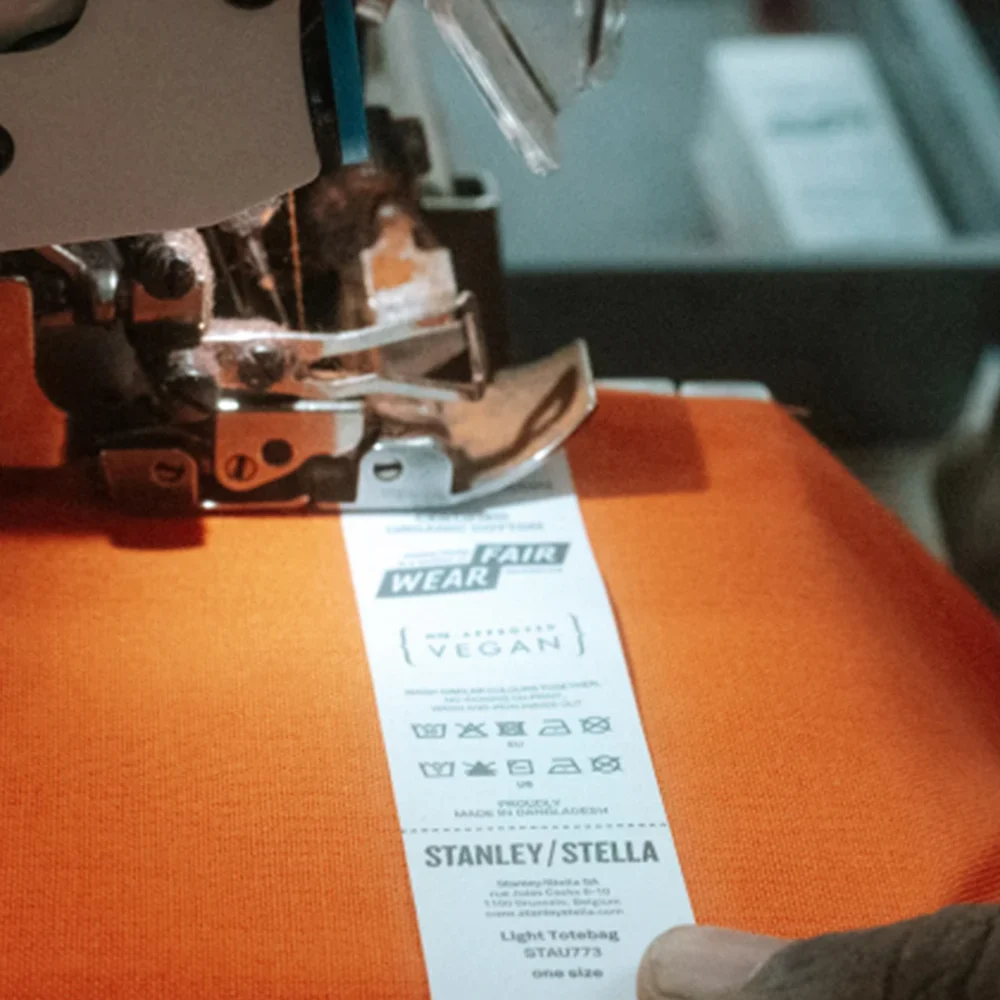
- Understand third-party certifications and standards like OEKO-TEX, GOTS, bluesign, Better Cotton Initiative, Fair Wear, WRAP, and others
- Stay informed on national and global regulations through the Alliance’s EHS Affairs team, which is available to answer any questions about current or emerging policies and trends in sustainability (email govtaffairs@printing.org)

It’s evident all apparel industry stakeholders will be impacted by the regulations coming out of a need to slow fast fashion and textile waste. While reducing, reusing, and recycling are all crucial parts of the overall solution to address environmental and social concerns, infrastructure needs to be developed.
In the meantime, the EPA's Green Team reminds us to refuse. Refuse is saying "no" to apparel we don’t need and "yes" to wearing garments already in our closets.