
Attention Garment Decorators: Prepare for Peak Season!
Implement these helpful tips across multiple areas of your business to achieve a successful peak season
The peak season rush is approaching rapidly, making it vitally important for garment decorating businesses to prepare effectively. Whether your expertise lies in screen printing, embroidery, dye-sublimation, direct-to-garment (DTG), direct-to-film (DTF) transfer printing, or other decoration methods, being well-prepared is essential for managing the expected surge in orders.
As demand for custom apparel often soars during this busy period, it is crucial to evaluate your inventory, streamline production processes, and ensure your team is both well-trained and motivated. Although getting ready for peak season can seem overwhelming due to the influx of orders and tight deadlines, adopting the right strategies will enable your business not only to survive but to thrive.
With strategic planning and a proactive mindset, you can enhance efficiency, keep your customers happy, and capitalize on the opportunities this busy season presents.
Stock Up on Supplies
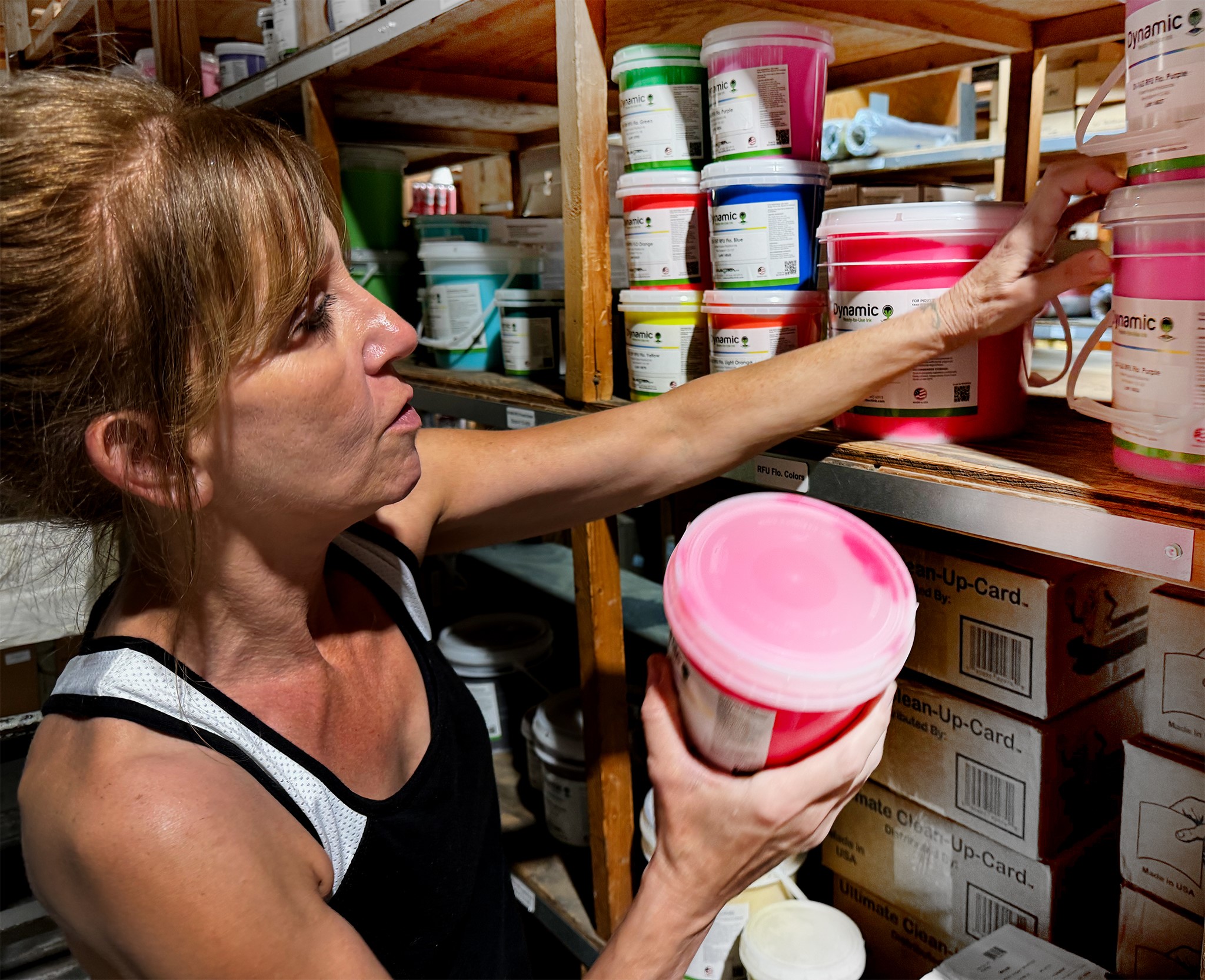
Running out of essential supplies can derail your peak season, so it's important to be proactive. Begin by taking stock of your current inventory and compiling a list of needed items. Start with the basics — such as paper, inks, and threads — but don’t overlook the smaller essentials that are vital during busy times, like maintenance tools, ancillary products, and machine cleaning supplies.
Next, consider your suppliers’ lead times. The last thing you want is to place an order only to discover it won’t arrive on time. Contact all your suppliers now to confirm their availability during peak season and their shipping policies. Your suppliers and the shipping companies are experiencing peak season, too. Placing bulk orders not only often secures better pricing but also ensures you have everything you need when the rush begins.
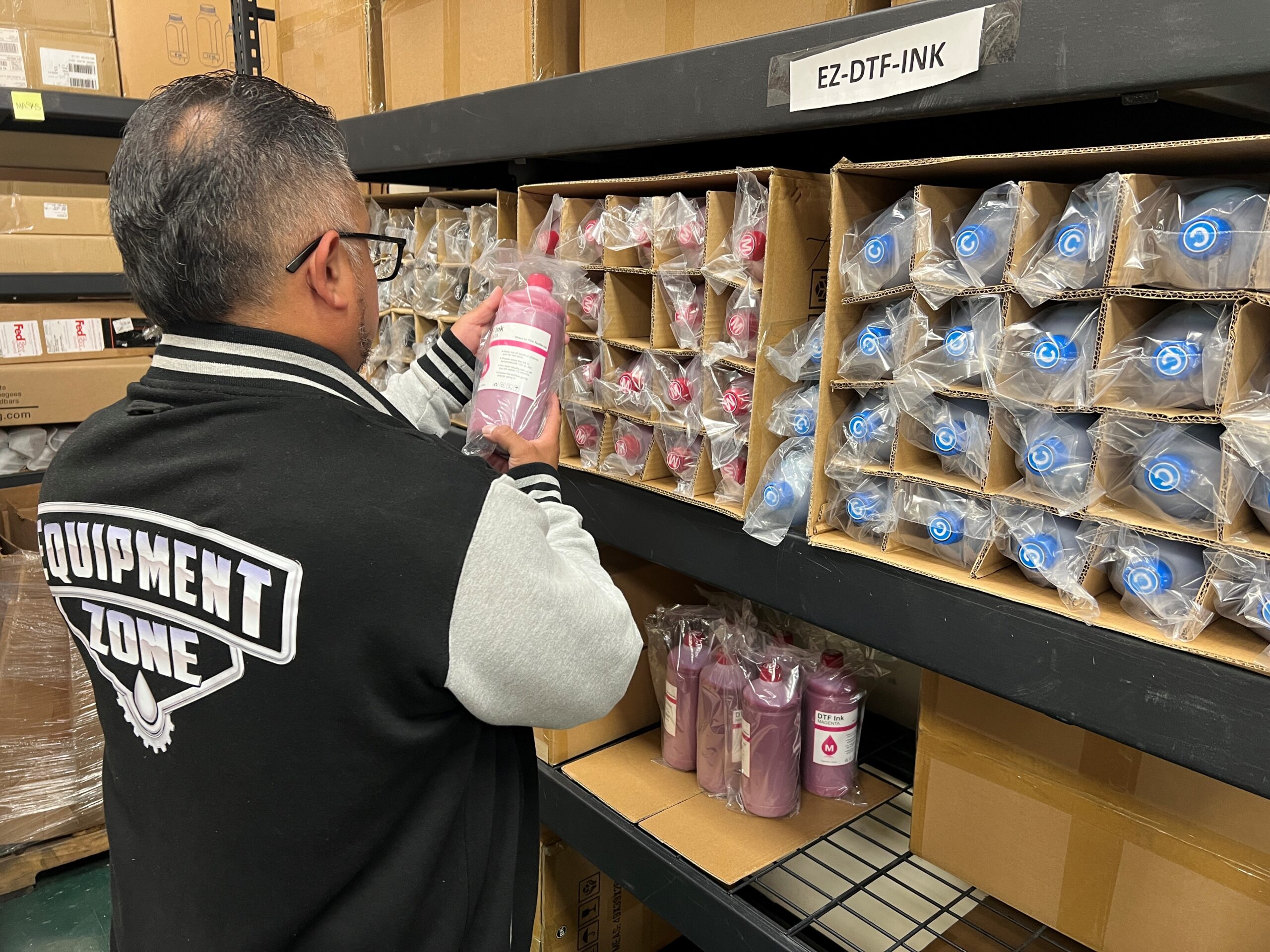
If you can manage it, stock up on all the supplies and printed materials you anticipate needing during peak time. Having products readily available is far more advantageous than having machines and employees sitting idle, waiting for the delivery truck.
Lastly, evaluate your storage options. Ensure you have sufficient space to store all supplies without creating clutter or disorganization. A well-organized workspace saves you time and alleviates the stress of searching for supplies during the busiest weeks. Consider renting additional temporary space to warehouse shirts and cartons of supplies.
Employee Training
Even the best equipment and thought-out plans cannot compensate for inadequately trained staff. Prior to the onset of peak season, dedicate time to training and retraining your employees. Begin with the fundamentals of your garment decoration processes, ensuring that everyone is proficient in the safe and efficient operation of machinery.
Subsequently, implement role-specific training. Whether an employee is responsible for printing, preparing production, or ensuring quality control, ensure they are well-versed in identifying the key aspects of each job. When onboarding new hires, consider pairing them with seasoned employees who can mentor them through the learning process.
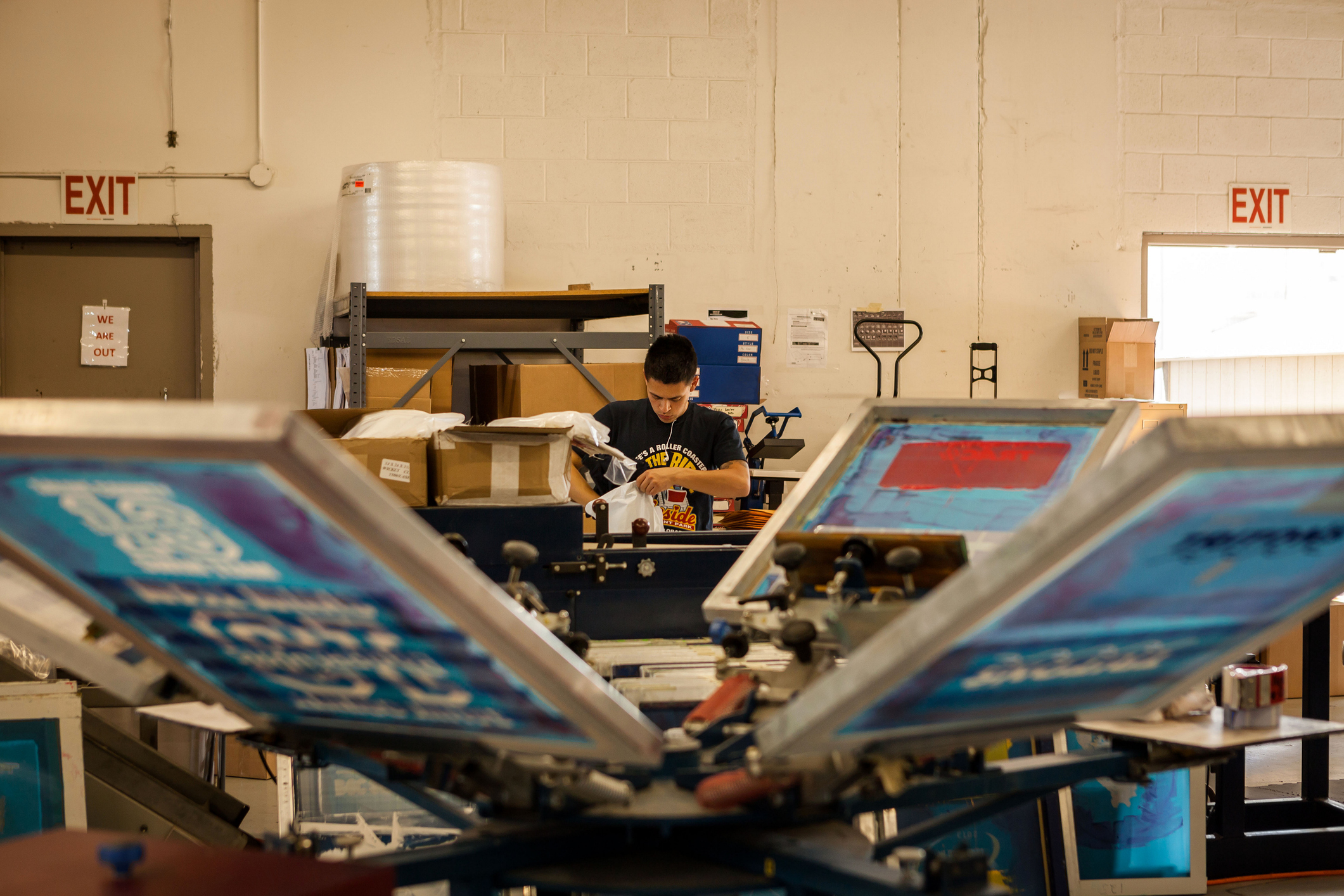
Lastly, emphasize the significance of customer service training. During peak periods, tensions can escalate, and customers may experience heightened stress. Equip your team with the skills necessary to manage inquiries and complaints with tact, ensuring a positive experience for your clients.
Service Equipment
Peak season is not the time for equipment malfunctions and breakdowns. It’s important to conduct a thorough inspection of all machines and production tools now. Look for signs of wear and tear, and address any issues immediately. Common problems to check for include loose bolts, worn-out belts, and missing print head nozzles. The malfunctioning machine that caused problems this summer needs to be repaired or replaced before the busy season begins.
Regular maintenance can help prevent most breakdowns. Establish a routine for regular checks and servicing, and be diligent about cleaning your equipment. Adhere to the manufacturer’s maintenance guidelines to extend the life of your machines and ensure they operate smoothly when you need them most.
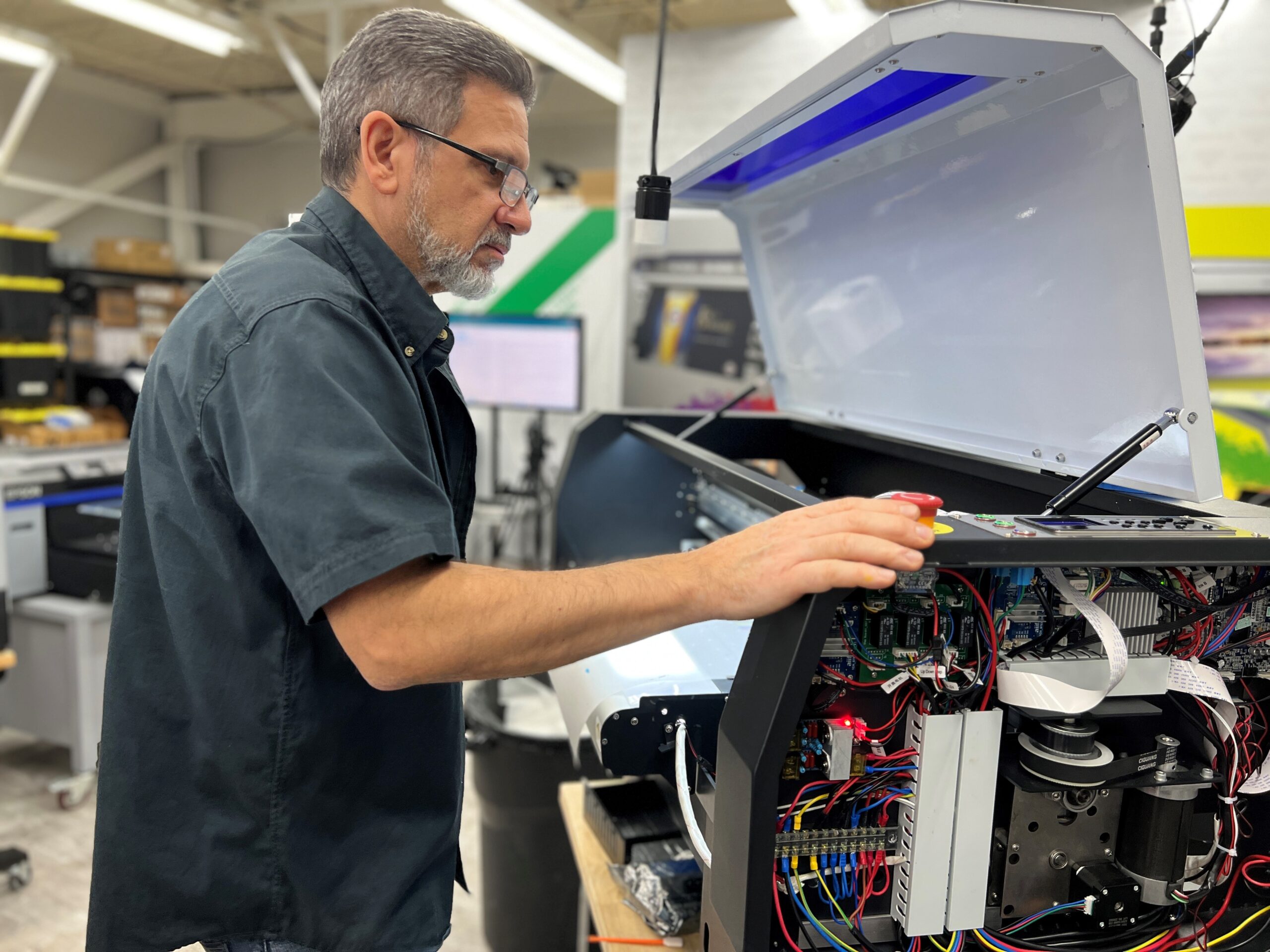
In addition to preventive maintenance, it's wise to have a contingency plan in case of equipment failure. Know who to call for emergency repairs and keep spare parts on hand, as local suppliers may not have critical components like print heads or servo motors readily available. Being prepared in advance can significantly minimize downtime and help you meet your production deadlines.
Check with your machine dealer or the manufacturer about their repair and service policies during peak season. This isn't the time of year to be stuck with a broken machine while orders pile up.
Add New Equipment
If your current equipment lineup is barely keeping up with regular orders, peak season will push it over the edge. Now might be the perfect time to invest in new machinery. Evaluate your current setup to identify bottlenecks and areas for improvement. Investing in new technology can significantly boost your productivity.
Consider equipment that offers faster production times or requires less labor to operate. Don't forget to look at your current computer equipment. If your PC or Mac is a few years old, it might be time for an upgrade.
Don’t forget to factor in the learning curve. New machines often come with new software or operational procedures. Ensure your production team receives adequate training before peak season begins. This way, you can hit the ground running when the influx of orders starts rolling in.
If you're considering ordering new equipment, it's best to place your order now. Most large equipment requires time for shipping. Certain machines, such as conveyor dryers, are built to order and may have lengthy lead times. Ensure you have adequate space, as well as the necessary air or power requirements, ready before the equipment arrives. Avoid disrupting your operations by scheduling installations before the busy season starts.
Optimize Workflow and Staff Up
Even with a well-trained team, you may find yourself short-handed during peak season. Hiring temporary staff can be an effective solution, so start your recruitment process early. Seek candidates with experience in garment decoration or related fields to reduce training time.
When selecting temporary workers, prioritize reliability and a positive attitude. The peak season can be demanding, so it’s essential to have team members who can thrive under pressure and collaborate effectively. Conduct thorough interviews and check references to ensure you are bringing the right individuals on board.
Once hired, integrate temporary workers into your team as smoothly as possible. Provide a comprehensive orientation and pair them with experienced staff members. Clear communication is vital; ensure that everyone understands their roles and responsibilities to prevent confusion and inefficiencies.
Streamlining your workflow can save valuable time during peak season. Start by mapping out your current processes. Identify any steps that can be eliminated or combined to increase efficiency. Look for tasks that can be automated or delegated to free up your team for more critical work.
Implementing a workflow management system can help keep everyone on track. Use software to track orders, deadlines, shipping, and inventory levels. This not only improves organization but ensures that everyone is on the same page, reducing the risk of errors and miscommunication.
Regularly review and adjust your workflow as needed. What works at the beginning of peak season may need tweaking as you go. Encourage feedback from your team and be open to making changes that improve efficiency and productivity.
Invest in Marketing, Enhance Customer Communication
Effective and consistent communication with your customers is vital during peak season. Clearly set expectations regarding turnaround times and potential delays from the outset. Transparency fosters trust and helps manage customer expectations.
Utilize multiple channels to keep your customers informed. Email updates, text messages, and website notifications are all excellent methods for sharing important information. Ensure it is easy for customers to reach out with questions or concerns, and make it a priority to respond promptly to their inquiries.
Consider implementing a loyalty program or offering special deals for repeat customers. This approach not only generates goodwill but also encourages repeat business during slower periods. Satisfied customers are more likely to share their positive experiences, leading to new business opportunities. Encourage your repeat customers to share their forecasted needs or to place their orders in advance. Avoid being overly ambitious. While it's tempting to accept more orders, it's important to be realistic about your production capabilities. The last thing you want is to accept orders that you are unable to fulfill.
Prepare for Downtime
Although it may seem counterintuitive, preparing for downtime after peak season is just as important as gearing up for high-demand periods. Use the off-season to assess your performance and implement necessary adjustments. Conduct a comprehensive review of what worked well and what didn’t.
Preparing for peak season as a garment decorator can feel overwhelming, but with effective strategies in place, you can manage increased demand with confidence. From stocking up on supplies to training your team and optimizing your workflow, every step is vital to your success. Remember to maintain clear communication with your customers and continuously monitor your performance metrics to stay on course.
By investing in your team and equipment, you position your business not only to be ready for peak season but also for sustained growth throughout the year.