
Tackling the Top Challenges in Embroidery

More and more, apparel decorators and printers are finding new ways to stand out and become the ultimate one-stop destination. You may already be offering an array of services, so what’s one more? And that one more could be embroidery — it sounds simple enough, right?
Unfortunately, nothing is ever that easy. Embroidery may seem like a straightforward process, but in reality, it’s a craft filled with unique challenges. From navigating intricate designs on tricky fabrics to maintaining quality at scale, the art of embroidery demands precision, creativity, and constant problem-solving. Let's dive into the top hurdles that can turn a simple stitch into a complex puzzle for professionals in the industry — and more importantly, how to overcome them.
Don’t Dodge Digitization
If you were to ask Joe Kramar, head of operations, development, and design for AMB3R Creative, he’d tell you the most difficult aspect of embroidery is “dealing with logos that were never intended for embroidery.”
Kramar explains that before anything else, you should come up with a game plan for translating someone’s logo into embroidery.
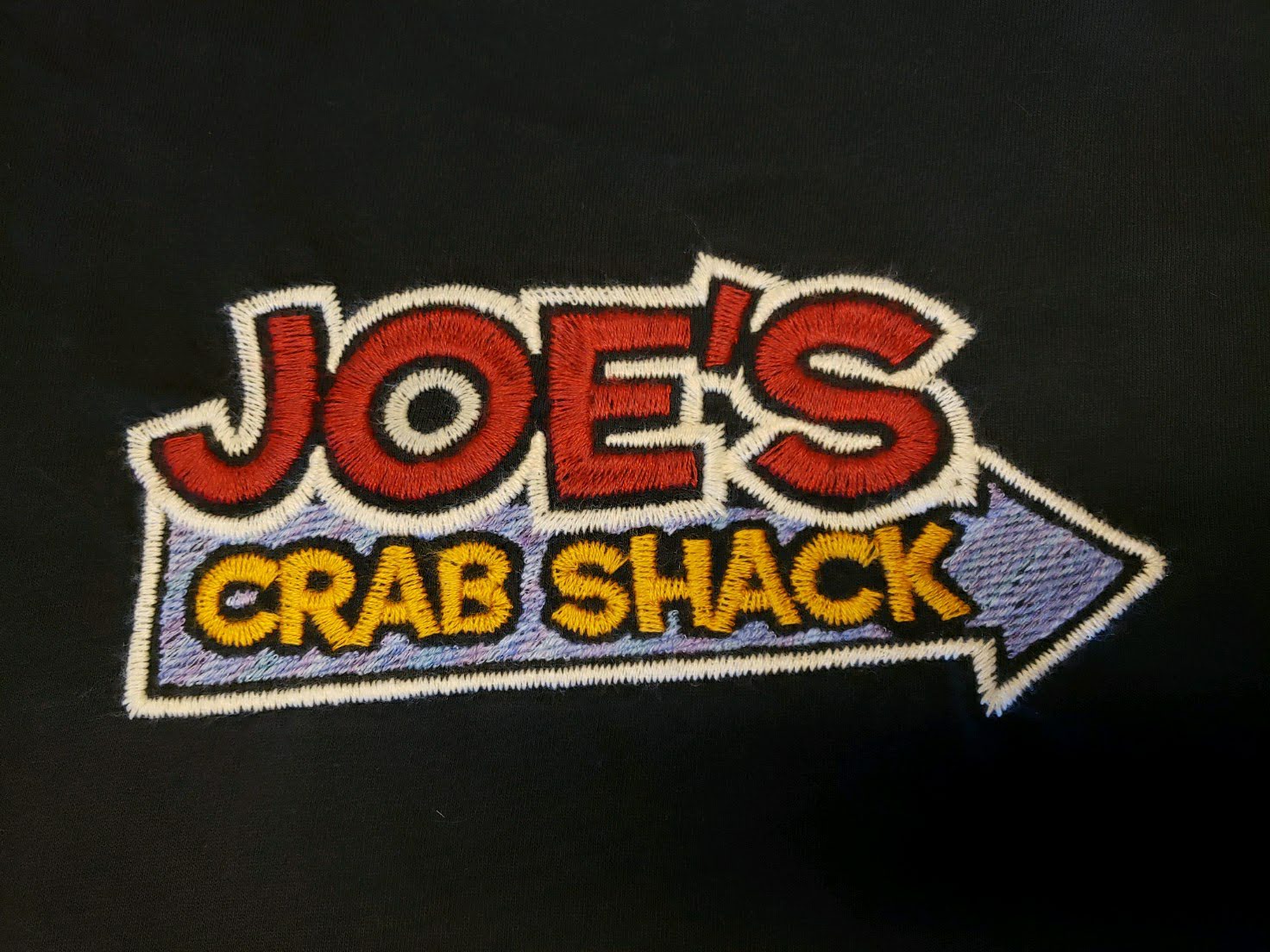
“Sometimes there [are] very specific gradients and sometimes there [are] very specific artifacts that were designed into the logo from day one,” Kramar says. “And it’s difficult to figure out how you’re going to translate that into something that would go onto a left chest cleanly, or a hat or something like that.”
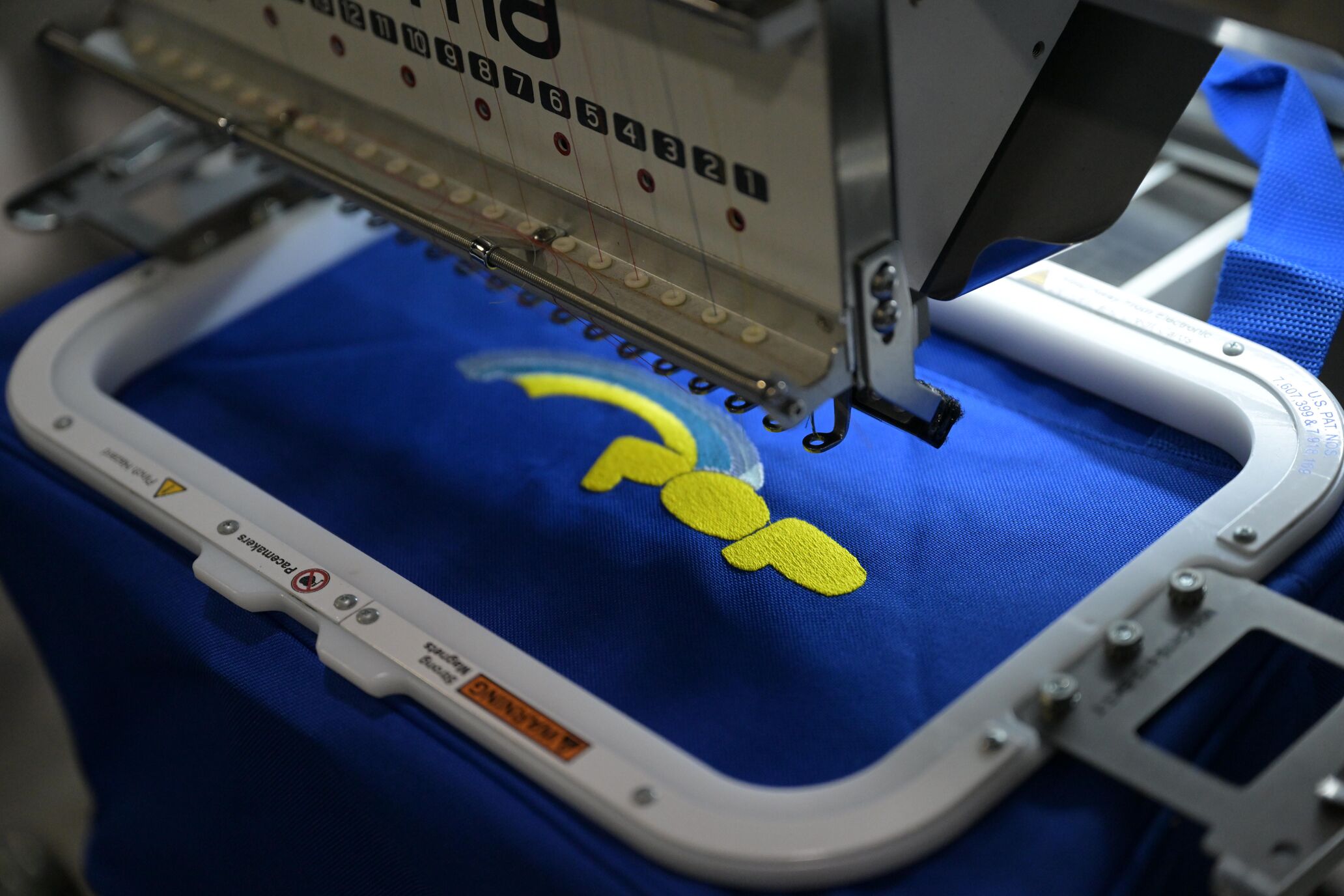
Apparel decoration expert Kristine Shreve describes digitization as its “own special animal,” and believes that not enough people know the importance of digitizing.
“When you hear someone say, ‘Oh I can digitize this myself,’ or ‘I have a program that’ll digitize this,’ yeah, it’ll digitize but it won’t be well done,” Shreve says. “And there are a lot of bad digitizers out there — the guy who’s selling 50 digitized designs for $2 isn’t going to do a great job.”
Kramar agrees, saying that just because you have knowledge of apps like Photoshop, that doesn’t translate to digitizing designs. So, what can you do to avoid bad digitization?
Kramar and Shreve both advise that you seek out a digitizer instead of attempting to do it yourself — and communication with your digitizer is key.
“The digitizer needs to know what fabric you’re putting the logo on,” Kramar notes. “They need to know if you're doing a hat and a shirt so that they know they need to send you two different files. If you don’t have an intimate relationship with your digitizer yet, make sure they’re sewing out their work and showing it to you. It's worth that extra few dollars.”
And say you still want to give digitization a go on your own, but you want to learn from the experts. Shreve says the internet is a heck of a learning tool, but to make sure you’re double-checking people’s credentials because anyone can claim to be an expert.
“You have to do the groundwork,” she says. “It's like any other information that you take in. Who's saying it? Are they qualified to say it? How do they know what they're saying? In a perfect world, everybody would be vetted, but that’s not the case, so make sure you do your homework.”
Choosing the Right Thread
When it comes to choosing the right thread, Shreve says that the short answer is the best thread is the thread that works for you.
“However, there are things that you can look at if you're looking at a thread. If you're going to try a new thread, you want to look at things like dye lots. Is there consistency between one lot of thread and another thread that's the same color? You want to be sure that it's a reasonable, consistent thickness. You want to make sure that you don't have thin spots, you don't have thick spots, and you don't have knots or anything like that that can mess up your machine and slow things down,” Shreve says.
She also suggests that you consider whether you can run the thread at a reasonable speed. And while that will vary from machine to machine, she advises having a thread that's going to be able to run consistently at a decent speed so you can get your production where it needs to be.
Shreve also shares her preference for thread, saying, “I tend to think, and not everyone agrees with me, that polyester thread is a better choice than rayon. Polyester's more durable now that they have gotten away a little more from matte polyester and now you can get polyester with a gorgeous shine on it, and it tends to be more color fast.”
For those looking for brands to buy thread from, Shreve suggests Madeira, King Star, and Candle thread — which she says has sort of “burst onto the scene” recently.
Kramar believes it’s helpful to know that there are different weights and diameters of thread, but just as important as the thread is the size of the needle you’re using. He says that most embroiders use 40 WT, but in his opinion, Kramar thinks that a 60 WT thread and a 65/9 needle size is the magic formula for smaller text and more intricate logos.
Know Your Stabilizer
Shreve recently authored a book titled “Understanding Stabilizer,” so it’s no secret that she’s passionate about people knowing more about specialty stabilizers.
“There are so many specialty stabilizers out there that people don't get told about or they think they're too expensive, or they think all they need is a sheet of tearaway. But that's not really true — the specialty stabilizers are there for a reason,” Shreve says.
She adds that when it comes to different stabilizers, the right one depends on the fabric you’re working with. For example, if you’re working with lighter fabric, Shreve explains that you most likely don’t want a big wad of stabilizer behind it. Instead, opt for poly-mesh, which is textured and thin. Vice versa, if you’re working with performance fabrics, Shreve advises going for an “action back” stabilizer that can be fusible or adhesive.
And, in Shreve’s mind, the main reason that decorators don’t know about these stabilizers is because there’s a lack of education.
“If you're a beginning embroiderer, usually what happens is you buy your machine and you get a box of supplies with your machine,” she says. “You'll get some brand of thread. You’ll usually get a package of stabilizers or some samples of stabilizers. And for a lot of people, that's their first exposure to what's available. And some people never go beyond that because nobody ever teaches them.”
And that’s why to this day, Kramar goes out of his way to host seminars and teach, so that the industry becomes better as a whole for it.
“When I was coming up in the industry in the early ‘90s, there was a lot of well-perceived proprietary information and a lot of pretentious prejudice against sharing that information to newbies,” Kramar recalls. “But I think more people are trying to change that narrative now — you should be taking people under your wing so that this industry can flourish.”
Don’t be Scared to Make Mistakes
A top mistake Shreve sees in embroidery is not having the willingness to make a mistake. She believes that the reason some apparel decorators run into problems with embroidery stems from the fear of failure.
“A lot of apparel decorators are really intimidated by their machines. They're intimidated by screwing something up and wasting a garment. So, they'll stay in their little lane or their box because that's what they know. And I think that's one of the things that can be really exciting about embroidery or any decoration technique really, is the possibilities, so people shouldn’t miss out,” Shreve says.