
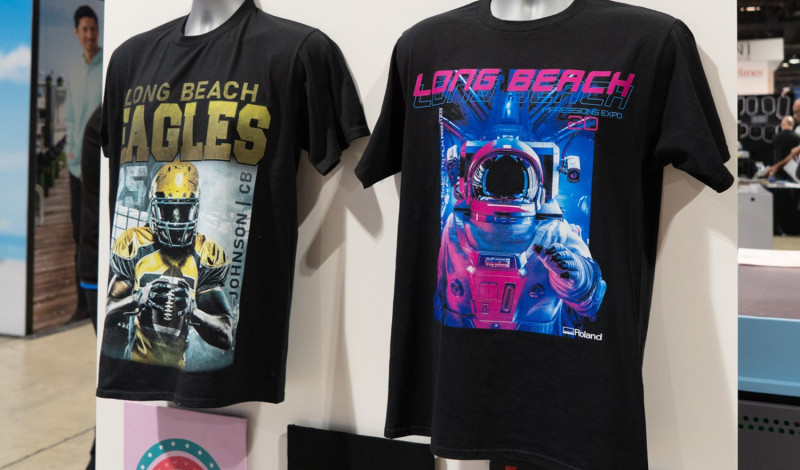
How to Design DTF Prints People Want to Wear
Direct-to-Film (DTF) printing produces graphics on apparel by transferring ink from a film to fabric using heat. Key design rules: use 300 DPI resolution, keep line widths at .2 or above, and use halftones to reduce ink coverage and improve hand feel.
As anyone in the apparel industry knows, creating a design for a T-shirt is not enough — you need to create something that people want to wear. Even when designing for popular and easy-to-use printing techniques such as DTF, there are design decisions that can produce a variety of outcomes in terms of a design’s texture and hand feel. It’s important to know the tricks of the trade that can help you maximize your DTF production and boost your profits.
Below is a list of some of the specific do’s and don’ts for designing and printing a DTF graphic that will result in a garment most people will find both appealing and comfortable.
Why Use DTF?
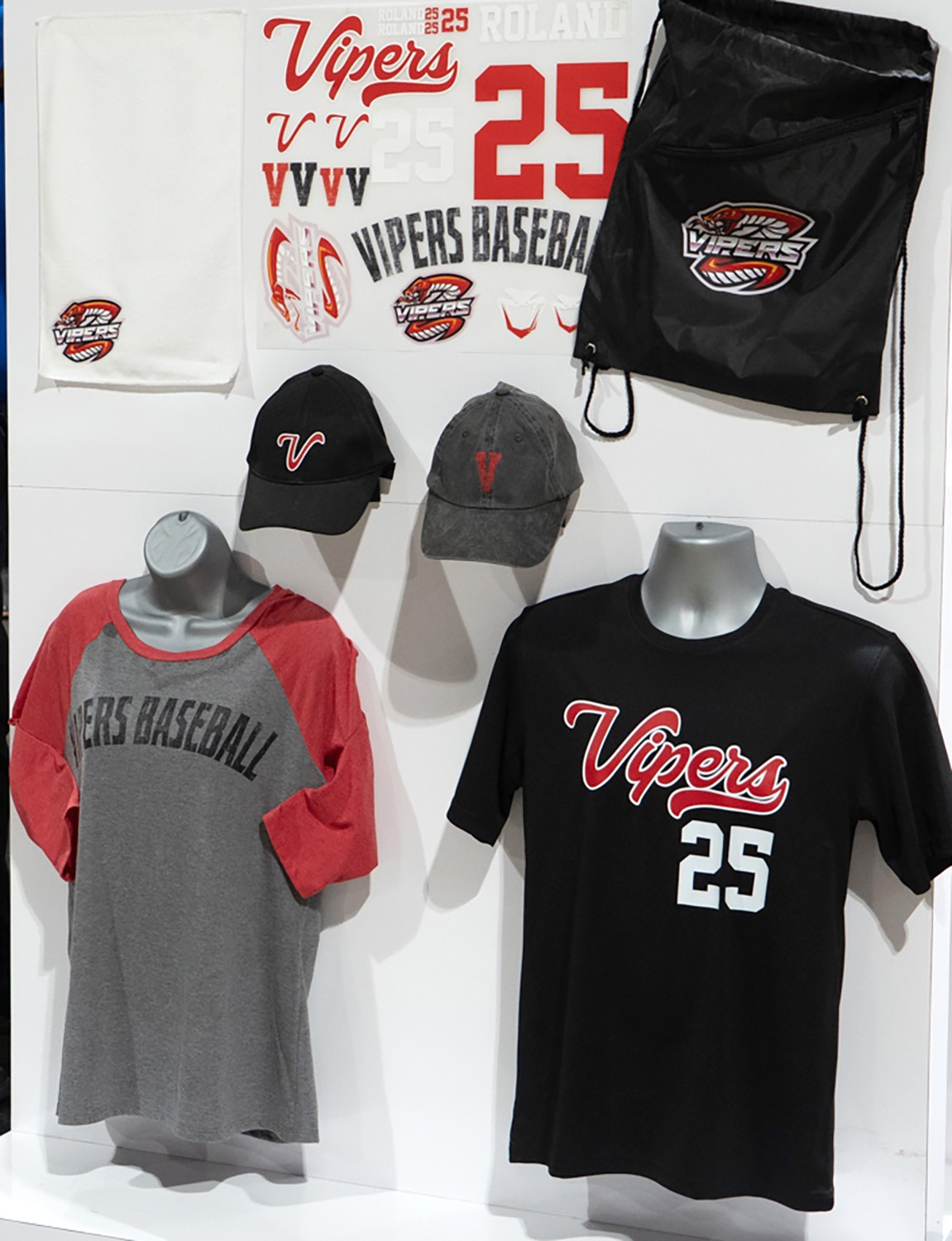
The average person is looking for the graphics they prefer on a comfortable, wearable garment. | Credit: Roland DGA
Here are some of the advantages of designing a graphic for DTF production.
Setting up the file for a DTF print is essentially the same as for a heat transfer vinyl (HTV) print. The only difference is you need to add a cut line on an HTV graphic, which is not needed for DTF. At times, an HTV graphic creates a heavier or more plasticky hand feel on the garment than a well-designed DTF graphic does.
DTF printing can create a very similar look and feel to a screen-printed image when designed correctly. For very large print runs, screen printing is a more cost-effective technique; however, a screen-printing setup for a multi-color design would take several hours, whereas DTF setup for the same file takes only minutes. DTF is more cost-effective for shorter runs and sampling.
What Resolution and Size Should a DTF Design File Be?
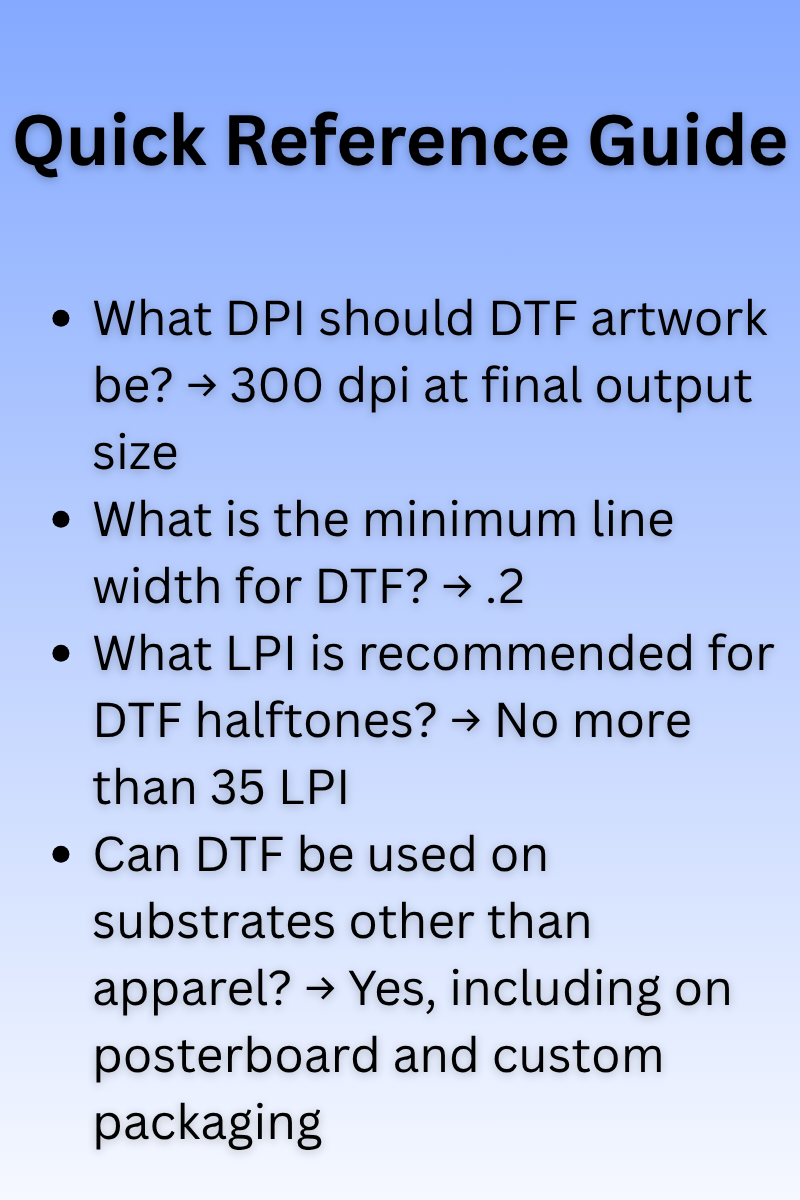
As a first step, I recommend that you start off with your image at approximately the same size as the output size you are looking to create, and at a resolution of 300 DPI. If, for example, you are looking to create a 12×18” transfer, create your art at 12×18”, or maybe a little larger. You don’t want to design a smaller raster image (an image formed from a series of pixels) and then try to blow it up, as that can result in distortions.
What Design Elements Do You Need to Consider?
It’s important to remember when designing your DTF graphic that you should not have any elements that contain line widths less than .2. The reason for this is although the line may print at lower widths, it may not actually transfer to your garment.
Even at .2, it’s important to ensure that your printer’s prints will accurately transfer at the speed you are printing. Roland DG’s TY-300i DTF production printer, for example, has the ability to reproduce halftone images at .2 line frequency in production mode with no issues.
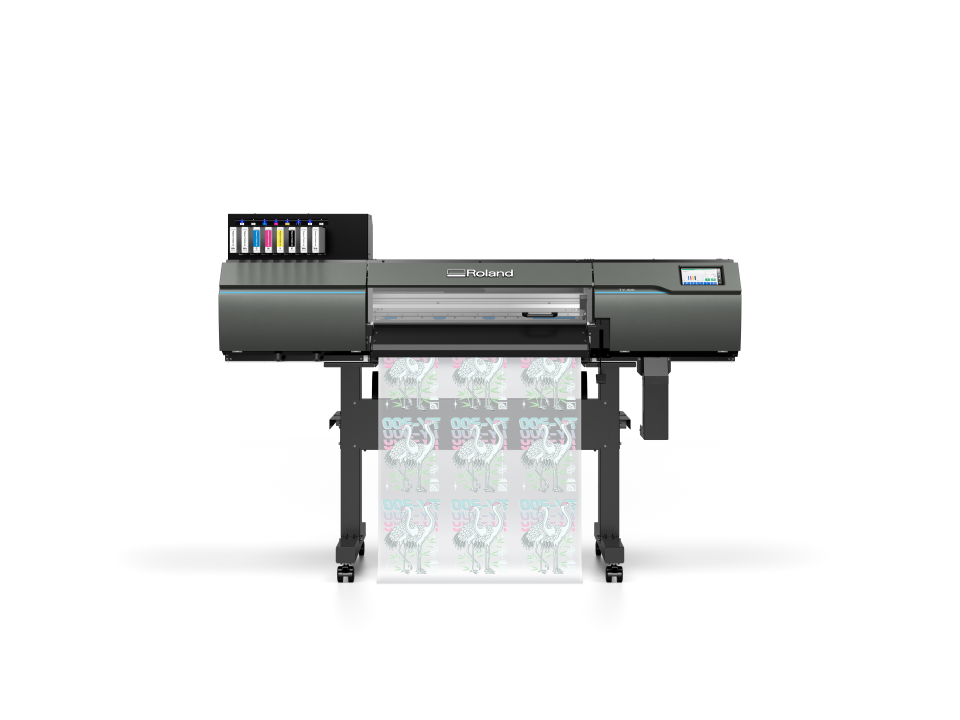
Roland DG’s TY-300i DTF production printer can reproduce halftone images at .2 line frequency in production mode. | Credit: Roland DGA
Are There Any Color Guidelines When Designing for DTF?
In general, you want your colors to be vivid and accurate, but vibrancy is not always necessary — sometimes colors can be muted depending on your customer’s preference. In any case, you want your colors to accurately match what your customer is looking for, and you want your file resolution optimized so you don’t have artifacts or pixelation in the print.
You should also take steps to optimize the use of colors in the image and improve the hand feel of your printed image. This is where halftones come in.
Why are Halftones Important?
Using halftones can improve the hand feel of your garment and save you ink.
To start, it’s important to know the color or colors of the garments your design will be applied to. Then, for each garment color, you can identify large sections of that color in your design and eliminate them. For example, if the shirt is black and your image has a fair amount of black, you can eliminate the black in the image, which will result in a softer hand because you won’t feel as much of that transfer structure on your shirt.
Here’s how that works: I can set up my art on a black shirt, then use my design software to go through the halftone process. The software will identify all the areas that are 100% black, and all the gradient areas that contain shades of black. All of the 100% black areas will be eliminated, and all the gradient tones will be converted to a series of dots that will print against the black background and yield the original colors.
As a general rule for halftones, remember that your lines per inch (LPI) should not exceed 35. Depending on your DTF printer, you may be able to successfully print higher LPI; however, unless you know that to be the case, try not to exceed 35 LPI.
What Other Advantages Does DTF Offer?
DTF provides versatile production for shop owners. For shops with dye-sublimation equipment, DTF expands the range of fabrics and colors of fabric that they can customize. For those with HTV, it adds an option that provides a softer hand and less plasticky feel.
For screen-printing shops, having DTF in-house will allow them to reduce their minimums, adding customers while bringing in money at a lower order size. With DTF, you can easily halftone and print a graphic that from a distance looks like a screen print. With its time-efficient set up, DTF broadens your income potential.
In addition to being able to use DTF prints on a wide range of apparel, DTF transfers can also be pressed onto a variety of substrates, including posterboard and custom packaging.
How Does DTF Satisfy Apparel Customers?
In choosing apparel, the average person is looking for the graphics they prefer on a comfortable, wearable garment. They may or may not be knowledgeable about which technique is used in printing a shirt, but if you provide a DTF or screen-printed shirt, it will have broad appeal.
A DTF transfer, when created using the guidelines above, allows you to quickly and easily produce a decorated garment that people will like because it creates a soft hand and a screen-printed look. Try these tips for yourself to maximize the appeal of your DTF designs.


