
Better Shop Productivity Starts with a Fresh Crew
In the world of apparel decoration, consistency is the goal everyone is chasing. We want the last piece of a long run to look just as crisp as the first one, whether it is a screen print, an embroidered jacket, or a heat-applied graphic. Most shop owners look at their inks, threads, or equipment settings to solve for quality, but we often overlook the most unpredictable variable in the shop: operator fatigue.
Decorating apparel is a physical skill. As the day goes on, the physical toll of the work leads to subtle changes in attention and execution. These are not just comfort issues; they are quality control issues. If you want to achieve continuously high-quality results across your entire production floor, you have to address the fatigue that leads to mistakes.
Improving Your Shop Environment is Not an Option
Keeping good people in a physical industry is tough. Providing a positive work environment is no longer just a nice perk; it is a business requirement. When a shop floor is designed poorly, employees burn out, turnover increases, and the cost of recruiting and training new people becomes a drag on the business trajectory.
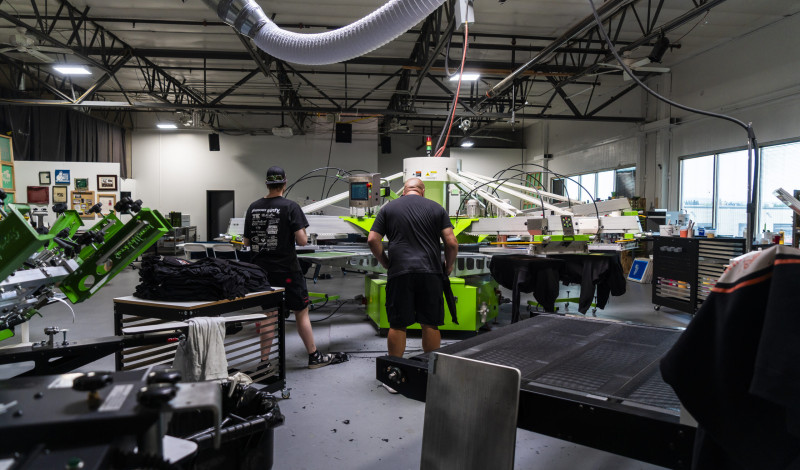
Creating a supportive environment means looking at your shop through the lens of ergonomics. Small adjustments to your workflow can have a massive impact over time.
- Smart Space Planning: Evaluate your layout. Whether it is your office space, your production area, or your heat press station, ensure the workflow is functional and efficient. Reducing repetitive, unnecessary steps keeps your team’s energy focused on the skill rather than walking across the shop for supplies.
- Adjusting Heights: Check your folding tables, weeding stations, and embroidery hooping areas. Make sure they are at heights that allow for proper posture. Constant hunching is a fast track to back pain and a crew that is counting down the minutes until they can clock out.
The Business Case for a Better Shop Environment
Beyond employee morale, there is a clear financial argument for investing in a better work environment. Fatigue is expensive. When an operator is tired, they make mistakes, and in our world, those mistakes look like ruined garments, wasted ink, and missed deadlines.
A fresh crew is a profitable crew. By reducing the physical strain of the job, you are effectively buying back the quality of your production. When your team is not fighting their own exhaustion, they can focus on the technical details that keep customers coming back. Less fatigue means fewer misprints and higher hourly output, which directly impacts your bottom line. Investing in the health of your shop floor is an investment in the longevity of your business.
Better Production Tools Drive Profit
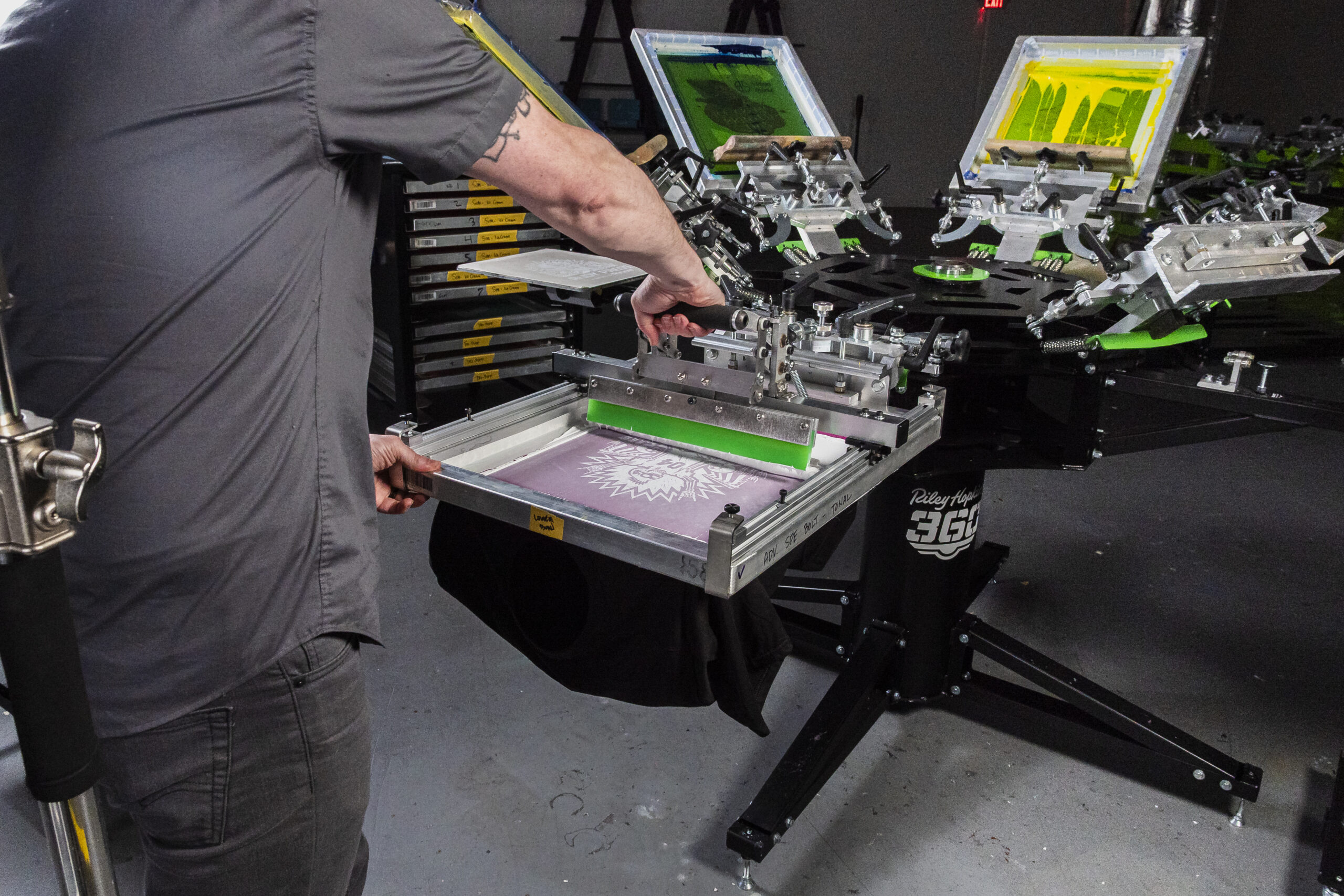
Tools like the Rudy Press, coupled with smart shop floor layout, help prevent operator fatigue. | Credit: Ryonet
While layout and planning help, the heaviest fatigue usually happens during the actual decoration process. This is where the right equipment bridges the gap between a tired crew and a perfect product.
Investments in these areas may feel optional, but in the long run, they can be the difference in profiting or losing on a job. In the screen printing department, for example, guided manual press attachments like the Rudy Press have entered the conversation to solve this exact problem. By guiding the stroke, this equipment removes the heavy physical aspect of printing while also removing the guesswork from the flood and print cycles.
Similar ergonomic logic applies to automated hooping stations for embroiderers or slide-out platens for heat press operators. These tools allow a decorator to maintain high-level consistency without the physical burnout. This makes the skill more accessible and ensures that a physical limitation does not prevent a talented person from producing professional results for your customers.
Sustainability Through Better Habits
When you invest in the physical well-being of your team, you are investing in the profitability of your business. A fresh, comfortable operator makes fewer mistakes, produces higher quality work, and stays with your company longer. By focusing on ergonomics and a positive work environment, you are not just making the job easier; you are making your shop a place where the skill can thrive for the long haul.


