
8 Sustainable Strategies That Also Increase Print Shop Profit
We often think of sustainability as an added cost, but you’ve most likely implemented some eco-friendly practices in your shop just by being efficient. Here are a few examples that show sustainability as not only better for the environment, but for your profit margin, too.
Strategy No. 1: The Medium is the Message
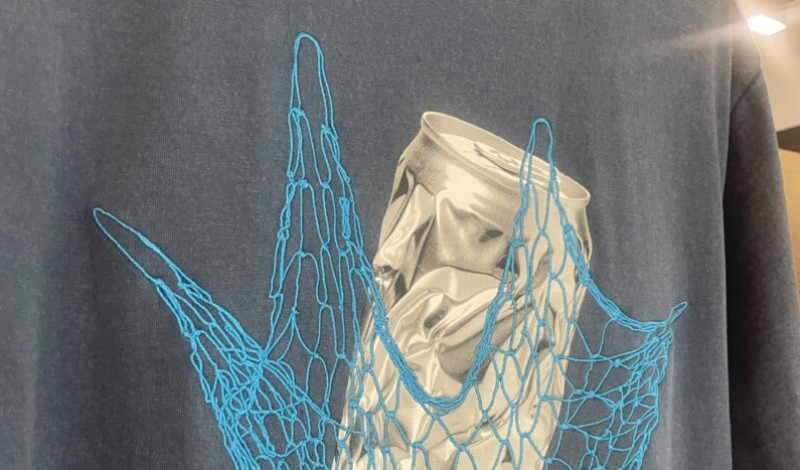
 Sustainability doesn’t begin with the print; it begins with the fabric itself, when the base material is grown and crafted responsibly. At Stanley/Stella, for example, our story starts with GOTS certified‑ organic cotton: fibers grown without toxic chemicals, with careful water management, and under strict social and environmental standards.
But sustainability isn’t only about how a fabric is made. It’s also about how it performs. A well-constructed, stable, high-quality fabric behaves predictably under a screen-printing press, which is its own form of sustainability. When fibers are long, clean, and consistent, they absorb ink more efficiently. Prints sit smoothly, requiring fewer test rounds, fewer adjustments, and less material ending up in the trash.
The result is a more fluid, efficient process — where sustainability isn’t an add‑on, but something woven into the material from the very beginning.
The same logic applies to the inks. Choosing OEKO-TEX ECO PASSPORT-certified dyes and inks ensure the print is free from harmful substances and meets global safety standards.
In short, the materials themselves — the fabric and the inks — already set the foundation for a more sustainable print.
Strategy No. 2: Mise En Place
Ensure that you’re ready to finish a job before starting. No one wants to set up a multi-color job to find out the shirts haven’t arrived. Or worse, after tear down and reclaim, you get a message from the client saying they’re short a few pieces. Having everything counted and accounted for before setup saves a lot of headaches, wasted time, and money.
Strategy No. 3: Combining Like Jobs
With a little planning, group similar jobs together. If your platens are clean, run as many shirt jobs as possible before throwing fleece on. If you have multiple prints with the same color, gang up the art on a screen to save on reclaim and color changes. Having dedicated squeegees and flood bars for your most-used colors also saves time, mess, and materials.
Strategy No. 4: Enough is Enough
Sometimes when you’re mixing ink by eye, you make way more than you intended. Or worse, you lose the plot completely and start over, with a bucket of mud-colored plastisol to show for your efforts. If you’re “eyeballing” a color, I find it’s best to make a tiny amount first and then scale up.
Even better, a mixing software or ink management system can give you precise measurements for an exact Pantone and estimate how much you’ll need for the job. Regardless of your method, getting your ink volume right for every job is better for the environment and your wallet.
Strategy No. 5: Get Low
You probably already know the benefits of low-cure inks and additives for preventing dye migration and heat damage to sensitive garments. But by using less heat, electricity, and gas, you’re also saving money.
Strategy No. 6: More Isn’t Always Better
A lot of times the tendency is to juice the emulsion remover — whether in the spray bottle, dip tank, or reclaim machine. Not only does this cost more, but it can even be counterproductive. Proper exposure time also helps the chemicals to break down the emulsion. By using the right exposure time at the start of the process, and the right dilution and dwell time at the end, you’ll spend less time and product on reclaim, and put less chemical and water down the drain.
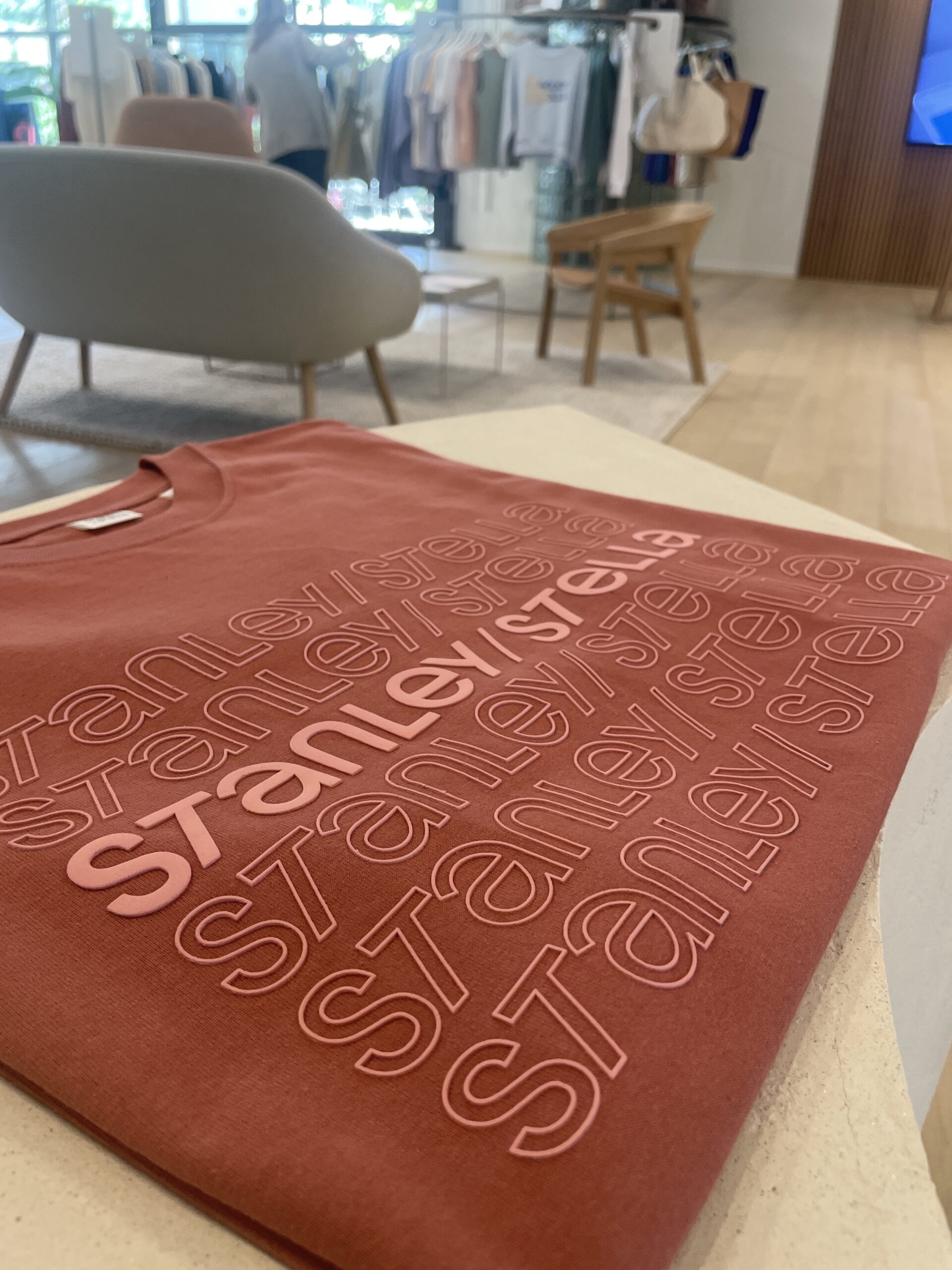
Credit: Cassie Green, Stanley/Stella
Strategy No. 7: Steps in the Right Direction
Get a wastewater treatment system in place. Water filters are cheaper and easier to use than you might think, and cost a whole lot less than an OSHA fine.
Use water-based adhesives instead of sprays. It’s cheaper, keeps the shop cleaner, and it’s better for your team’s health.
Re-purpose damaged garments first as testers and then as rags, a good example of second and third use. What else can you apply that principle to?
When possible, donate misprints and overages to charity.
Strategy No. 8: One Thing at a Time
At the end of the day, sustainability is a natural result of running a tighter, more intentional shop. It’s a pursuit like any other. You can’t overhaul your entire operation overnight, but you can make steady, realistic improvements. With the right products and practices, print shops can reduce waste, improve efficiency, and deliver better results for their customers while becoming more sustainable and profitable.


