
How to Produce the ‘Perfect’ Direct-to-Film Transfer
A Q&A with shops that have taken a leap of faith into the world of DTF printing
Direct-to-film (DTF) printing may be the hottest thing since sliced bread, but the truth is, it’s still the new kid on the block in the apparel decorating industry. With so many manufacturers, suppliers, decorators, and educators focused on the technology, the process is quickly getting dialed in. And while there is still a lot of room to improve upon DTF printing, there are already some best practices in place to achieve awesome transfers.
It might not yet be a “perfect” process, but employing some best practices can bring those who are producing transfers in-house to a high-quality outcome. We spoke with two different shops that are all-in on DTF printing:
Davis Slagle, Vice President, Bee Graphix, with locations in Fredericktown and Belle Vernon, Pennsylvania – creating transfers since January 2021:
- 4 Mongoose two-head direct-to-film printers with the associated dryers
- 10 to 11 heat presses, majority being dual shuttles
- Rotating shuttle
- 4 hat presses
- Sleeve presses
- Specialty stamping presses
Mehmet Ugur, Manage, Tidal Colors, located in Alpharetta, Georgia – started printing transfers in early 2021:
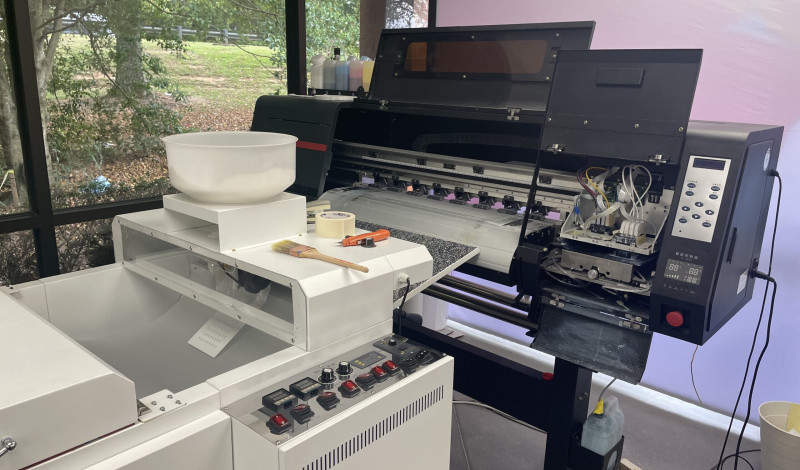
- 6 DTF 24” wide-format commercial printers
- 4 four-base hydraulic heat presses
- 1 two-base heat press
Both shops decided to take a leap of faith and have been immersed in learning the process over the last few years. Following, they share their advice, tips, and tricks for creating the “perfect” DTF transfer.
Q: How long did it take from the arrival of your equipment until you felt comfortable producing transfers?
Credit: Bee Graphix
Ugur: The first steps were the hardest. It took a couple months for us to be able to commercially start printing because, back then, there was no support or any technicians available, so we became technicians.
Slagle: It took us a solid four months to take it from learning curve to production, and it took a solid year after that to nail down what film and ink we wanted to use.
Q: What challenges did you initially encounter and how did you troubleshoot them?
Slagle: Initially, we had issues with films — just with bad quality. We had bad matches of ink. We had multiple print head strikes. We had bad customer service from buying overseas. Those were caused mostly by a variety of early market issues. Once local stateside companies started selling in, honing in on what types of products they’re buying, the space got better.
When we troubleshoot, we have a step-by-step process of what we look at first. Say the ink is banding: We will clean heads; we will clean the carriage. We will flush the ink. We then replace a head. We will check the filters, so there’s a whole step-by-step list of things we do if we’re troubleshooting.
Ugur: Poor ink quality, clogging, head strikes, artwork managements, powder issues, heat press settings, curing time … DTF has too many issues that needs handling [in my opinion]. For us, troubleshooting is basically trial and error for all steps because there weren’t any guidelines when we first started.
Q: Describe your physical environment — how does the environment affect the quality of a transfer?
Ugur: We try to keep the humidity level around 60% to 70% and the temperature around 19 C to 24 C (66 F to 75 F). My DTF printers work well next to other printers like dye-sublimation. The environment not only affects the quality of the transfer, but also the printer’s lifespan.
Slagle: We have our printers in one room that sits between 40% and 60% humidity (the temperature stays at 70 F year-round). We have humidifiers and dehumidifiers based on the season it is here in Pennsylvania. The printers are isolated in the room just by themselves. The environment affects the transfer because how it sits will change the curing time. It will change if it’s overcooked or undercooked. It will also change the viscosity of the ink, so the transfers may not come out as vibrant.
Q: In your opinion, what are the things that make a “perfect” DTF transfer?
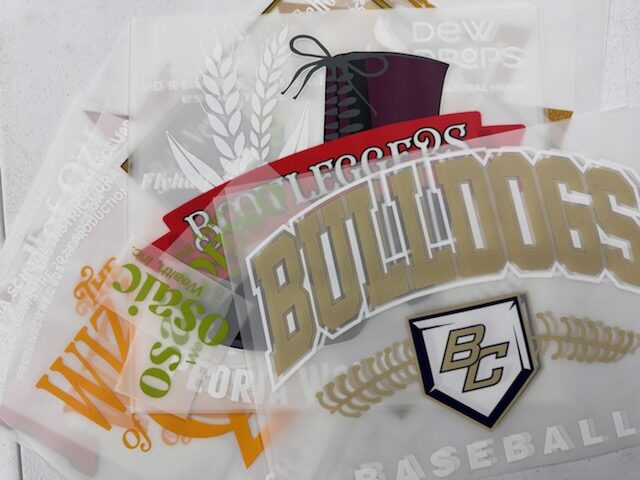
Slagle: “Perfect” DTF is a print that does not fall off and does not come back from the customer. It will be color matched to your specific customer. That’s a big process with this — getting the right PMS colors and matching them to your machine and creating your color profile.
[The transfer shouldn’t] have that plastic feel. It has that very soft hand finish and really once you figure out which one is best and what film, ink, and powder work for you, you can repeat it time and time again, month after month. That’s when I feel like we have a perfect transfer.
Ugur: [You need] properly aligned and calibrated print heads, use quality inks and film, and depending on the application, correct powder, then perfectly cured is the ideal transfer for me.
Credit: Bee Graphix


