
Epson Partners with the 5 Gyres Institute to Battle Plastic Pollution
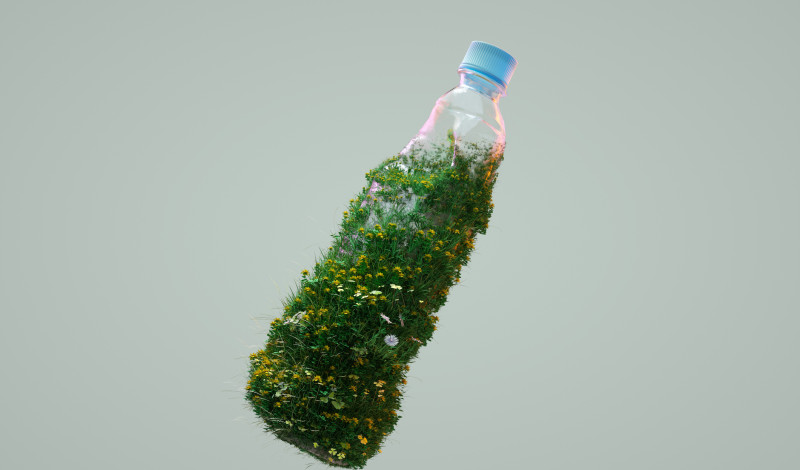
Epson announces a partnership with The 5 Gyres Institute, a nonprofit organization dedicated to empowering action against the global crisis of plastic pollution through science, education, and advocacy. Through the partnership, Epson will focus on raising awareness of plastic pollution and identify solutions for customers to reduce plastics in their work and home.
“There is no change without dedicated corporations that will make it part of their mission to reduce plastic usage in their supply chain and support scientific innovation” says Sara Mais, development director, 5 Gyres. “Epson is a strong partner because of our shared commitment to bettering this world, and together we will be able to motivate others to truly affect positive environmental and social change.”
5 Gyres is a leader in the global movement against plastic pollution with nearly 15 years of expertise in scientific research and engagement on plastic pollution issues. The team leads research to drive upstream solutions, vet innovation, and support good policy measures that address the many sources of plastic pollution.
“At Epson, we are dedicated to being part of the solution when it comes to taking care of our world,” says Kendra Jones, chief legal and sustainability officer, Epson America Inc. “This partnership will help us learn from the experts and inspire Epson and our customers to further reduce our plastic footprint.”
Epson’s philosophy of developing efficient, compact and precise technologies – or “Sho-Sho-Sei” as it’s known in Japan – has been infused into every Epson product since the beginning. Designing for low energy consumption, minimized waste, small footprints, high reliability, and minimal moving parts results in outstanding solutions for customers. Epson’s Environmental Vision 2050 outlines its commitment to specific goals and actions supporting global efforts to achieve sustainability.
Through this partnership, Epson will support 5 Gyres’ leading solutions-focused research in 2023 by investigating the environmental fate and toxicity of bioplastics, determining the release of nano- and microplastics from everyday items, and assessing novel materials in waste management streams, including compost.
The preceding press release was provided by a company unaffiliated with Apparelist. The views expressed within do not directly reflect the thoughts or opinions of the staff of Apparelist.


