
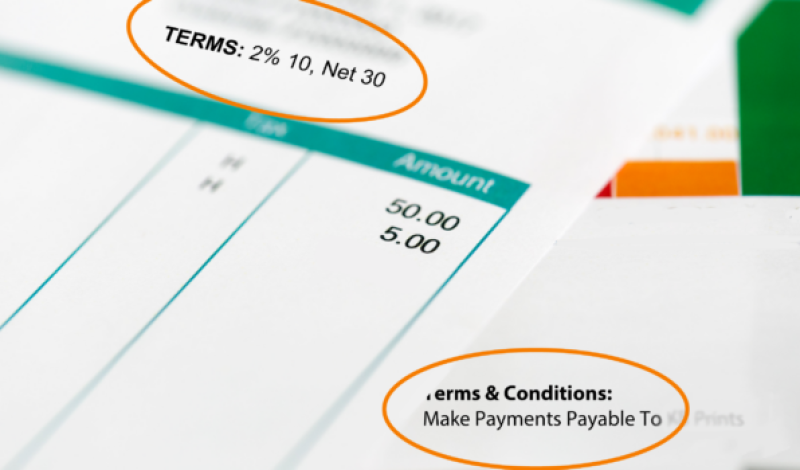
The Importance of Automating Invoicing and Accounts Receivable
Management Tips for Your Business
Ever had to hound a customer for payment? According to a 2021 Forbes article, six in 10 invoices are paid late. It is also estimated that between 75% and 80% of entrepreneurs use personal assets to fund their businesses — 16% use loans.
You might be wondering why these stats matter. Imagine you’ve got your personal funds tied up in your business, due overhead expenses, and large outstanding balances from customers. If it isn’t clear yet, neglecting to track cash in and out of your business is a recipe for cashflow shortages. In laymen’s terms, you’ve got bills but no money to pay them.
There are two big ways to protect your business from cashflow instability:
- Make paying for your goods or services easy
- Track and follow up on what’s owed to your business (i.e., accounts receivable)
It is important to note that to successfully master these processes, you must first establish your payment terms. Later on, I will discuss payment terms, what they are, and why you should choose wisely.
How to Automate Invoicing
Let’s get back to how you can make paying for your goods or services easy and the dangers of not getting with the times by going electronic.
The “2021 Diary of Consumer Payment Choice” reported that in 2020 and 2021, only 29% of in-person payments were cash. This data confirms that today’s consumer prefers card and other electronic payment methods as opposed to cash. With this in mind, in order to create a user-friendly payment process you have to invest in automated invoicing software. Luckily, the investment is not costly.
Automating your invoice creation process:
- Saves you and your customer time
- Encourages timely payments via your preferred payment method
- Allows you to create automatic payment reminders
- Reinforces brand identity with standardized logoed templates
- Typically gets the money to your business account quicker once payment is processed
Note: For online businesses, you’ll want to confirm with your site provider how and when payments are transferred to your bank account.
Now that we all agree that automation is necessary, here’s how you do it.
Get an app! There are apps that do the leg work for you, making the transition easy. One to two hours of your time setting up the backend of the invoicing software can save you hours and hundreds on … not car insurance, but invoicing!
Most invoicing apps also automatically track your accounts receivable, meaning you can manage your cash flows with little to no effort.
When choosing an app, make sure that accounts receivable tracking and customizable templates for the following commonly-used documents are included features:
- Quote: An estimate of the cost for goods or services
- Sales invoice: A document sent to your customer detailing the products
- Quantities and agreed-upon prices for products or services
- Past due invoice: A copy of the invoice showing the outstanding balance, typically stamped “past due”
- Statement: A document that summarizes outstanding payments by the number of days each payment is past due
- Credit memo: A document issued when goods are returned
Another feature that I’ve found useful is a built-in messenger. Some apps allow admin users to chat with their customer within the document preview. You can then take it a step further and integrate those messages with your CRM software. Presto! You’ve now enhanced the customer’s profile with intimate details about their ordering habits that can be used for targeted marketing/advertising, but that’s another topic.
Payment Terms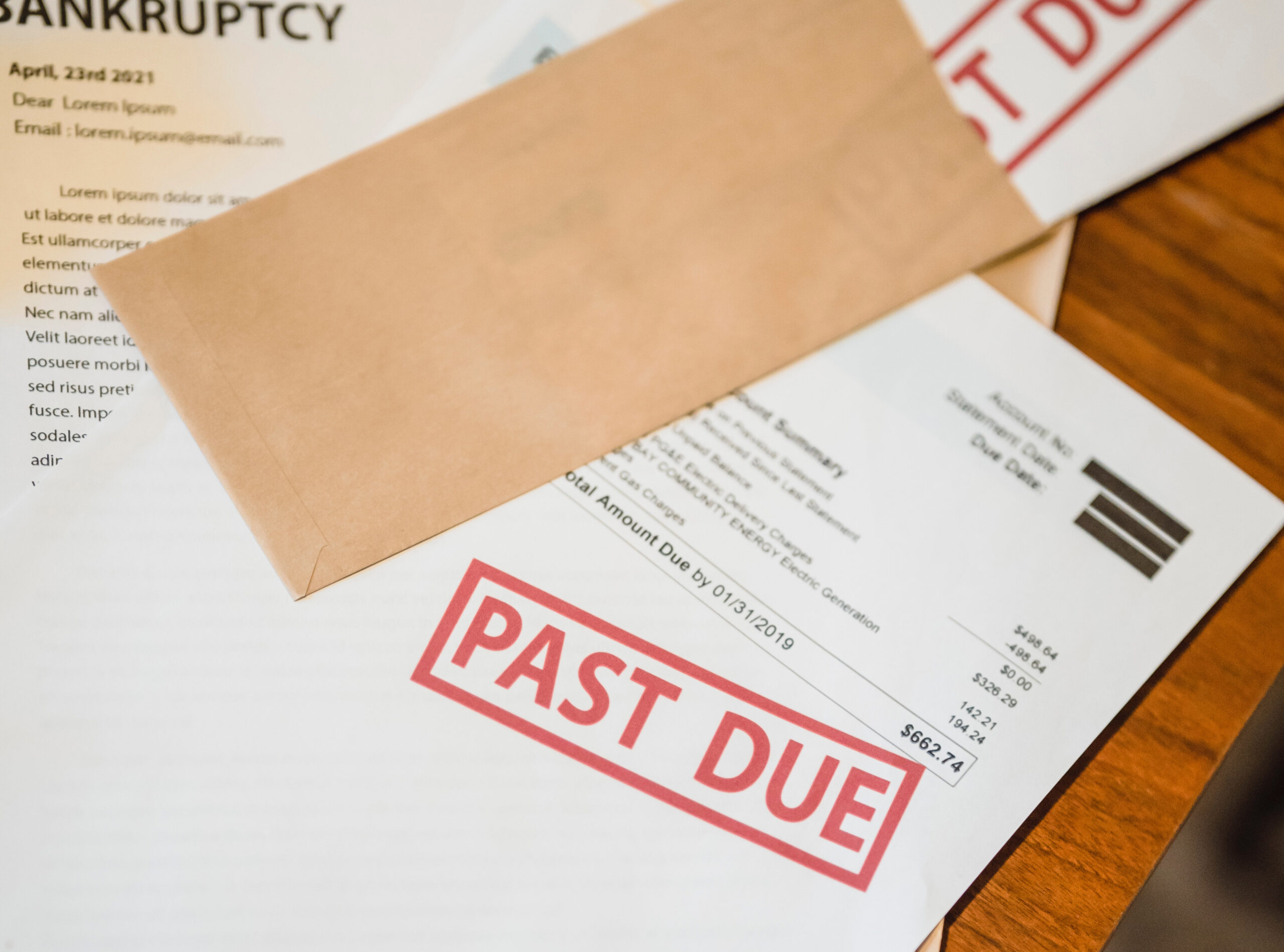
As promised, let’s review payment terms. Payment terms indicate when payments should be made and how — cash, credit card, purchase order, check, etc.
Are your payment terms clear? Payment terms are not meant for fine print. For e-commerce sites, include the payment terms with the general Terms and Conditions. For invoices, proformas, or quotes sent via email, make sure that the terms are clearly displayed.
When it comes to establishing payment terms, consider what’s standard for your industry. Once, you’ve identified industry standards, tweak them to work for your business. Some businesses successfully incentivize early payments by offering a percentage off of the invoiced total for payments made in advance of the due date. Others use interest charges to discourage late payments, ultimately, reducing the total of outstanding payments carried forward month to month.
Although, it might be tempting to follow trends such as post-purchase payment options like Klarna, you must consider how that will impact your cash flow. Some might argue that it could steady your cash flows, but if your goods or services require expensive upfront costs, it might not be a good idea. I am not an expert on the topic of post-purchase payments, so please do your research.
For print shop owners, I highly recommend collecting payment upfront for small orders and partial payment for wholesale orders. The reason for this is pretty obvious. You can’t resell printed or embroidered products with Company A’s logo to Company B.
That’s why I strongly advise against adding an order to production without the customer’s buy-in in the form of an upfront expense. Considering that most customers are less likely to walk away from an order after investing in it, upfront payments also help to reduce your risk of uncollectible balances.
The decision as to whether to extend credit or require payment in advance is often handled on a case-by-case basis based on the structure of the customer’s organization and reputation. For example, if you’re doing an order for a reputable retail store, you might extend them credit or accept 100% of the payment net 30. Choose wisely.
Business Longevity
Quite honestly, if you dream of longevity for your business, you have to relieve yourself from playing an integral role in the day-to-day operations. This can be achieved by delegating such tasks to an administrative assistant or through automations. I say, automate, automate, automate!
If the mere thought of automating processes sounds too techy for you, hire someone to do it.
With your new-found free time, redirect your focus on revenue-generating activities such as enhancing your product/service offerings and closing deals — closing being one of the key areas where your time spent directly impacts your ability to secure the order.
Happy printing!


