
Direct-to-Film: The New Tech Taking the Decorated Apparel Industry by Storm
The hottest new technology on the apparel decorating scene is direct-to-film (DTF) printing, and it’s taking the industry by storm. Like any new decorating technique, there’s a learning curve, as well as a few considerations to keep in mind.
To start with, decorators need to understand what makes DTF different from the other embellishing methods that currently exist. “This technology is unique in the wide variety of adhesives available, giving you access to almost any market for heat transfer,” says Nick Buettner of Imaging Supplies Warehouse (ISW).
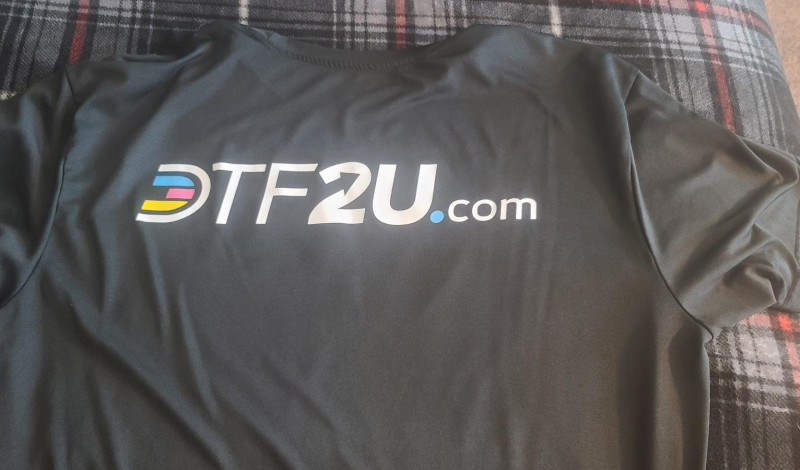
 While some technologies are limited to polyester or cotton garments, for example, DTF is more versatile. “For the first time in my 26 years as an embellishment educator and printer, we have an affordable, no-limitation transfer option,” says Matt Gusse of DTF2U.com. “Using the right mix of the printer and consumables or DTF print provider service, we can create full-color transfers, with no color or textile limitations, without artwork limitations, no weeding, soft to the hand, with no pre-treating, no true two-step process, and no/limited heat concerns.”
He adds that these transfers are printed at high speeds and a low cost. “[They] are very close to indestructible (I’ve heard reports of 50 to 75-plus washings with little to no fade) and can be made in-house or delivered quickly from print providers,” Gusse says.
The versatility of DTF is enough to make any decorator want to add the technology to their arsenal; however, don’t jump in before you consider every aspect. Because it’s new, it’s wise to make sure you have a resource to turn to for education and continuing assistance. “Find a dealer or network where you can get support,” Buettner says. “If purchasing the equipment, be prepared for maintenance and cost of upkeep. [You should also] purchase quality supplies to get consistent results.”
Gusse also points to the topic of maintenance. “Look for machines with auto or easy cleaning options, and machines with easy accessibility to key maintenance areas,” he says. “The good news is there are plenty of options. Give yourself at least a few days after an onsite install and a few weeks to months for an install you might do yourself. The more inkjet and direct-to-garment (DTG) experience you have, the quicker you’ll find your comfort zone. Check with your supplier on what’s truly expected.”
In addition, just because DTF transfers can be applied to so many substrates doesn’t mean decorators won’t run into challenges. Buettner states that decorators should understand which adhesives are best for which applications, as well as how to properly cure the ink and powder and then properly transfer with the correct time, temperature, and pressure.
“For the end-user with new equipment, it’s like any other purchase,” says Gusse. “Become comfortable with the process, get a support system in place, and dial the process in for you and your team, and your clients, upon receiving.”
Despite those few challenges, there’s no denying that DTF will continue to explode in the decorated apparel industry. “It is an easy transfer process that works on almost anything, with commercial/retail digital quality, with very little upfront cost to get involved,” says Buettner.
“We are all in beta still — printers, dealers, manufacturers, and software companies — with what DTF is,” Gusse says. “It will continue to advance and stabilize, but it’s not going anywhere. It has shaken up apparel printing, and will continue to do so. Those not on board with an in-house solution or a stable print provider will be left in the dust.”


