
How to Assemble a Winning Promo Package
When putting together a promo package, factors like design, cohesion, and presentation can be as important as the actual items chosen.
Above: New York-based promo products distributor Whitestone developed this merch campaign for Tastemade’s Pizza Week. Credit: Whitestone
Promotional products packages — multiple promo items in a cohesive bundle — can elevate typical giveaways. They’re also a savvy way for screen printers and other decorators to diversify their offerings beyond apparel and upsell to existing clients.
There’s room to experiment with creative packaging and design choices, which, if done correctly, can leave a lasting impression on the end-user. Here’s a guide for assembling a winning promo package, along with tips from industry experts on how to make such merch bundles stand out.
Choosing the Right Package and Products
Promo packages will vary depending on what the client wants to achieve. Product selection, design, presentation, and delivery are all factors to keep in mind that can change based on the end goal.
If a brand wants to elevate how it’s perceived, it may choose to spend its budget on higher-end products like headphones or speakers, which can be presented in sleek or minimal packaging. But if employee retention is the goal, a company may put more care into personalizing the items to show they understand their employees.
Being intentional about the purpose of the package can make recipients feel like they’re a part of something larger, rather than getting random items that don’t have ties to the company, says Dominique Volker, president of New York-based promo distributor Whitestone. “A lot of it just goes into brand identity,” she says. “You’re going to want to tie in different design elements and different pieces of the brand to bring the cohesion.”
Another factor to consider is how a package will be delivered. While new-hire kits are typically given out in person, the rise in remote work means those types of bundles are increasingly delivered directly to someone’s house.
Griffith McDaniel, president of California-based distributor Brandwell, says he uses reusable tote bags to give out promo in person (because boxes get tossed) and also avoids putting branding on the outside of boxes if they’re shipped to avoid package thefts.
“Let’s say you’re going to a gala and there’s kits on everyone’s table, or they’re picking up — we wouldn’t want to do it in a box,” McDaniel says. “The box thing is pretty new. … Post-COVID, so much stuff gets shipped out.”
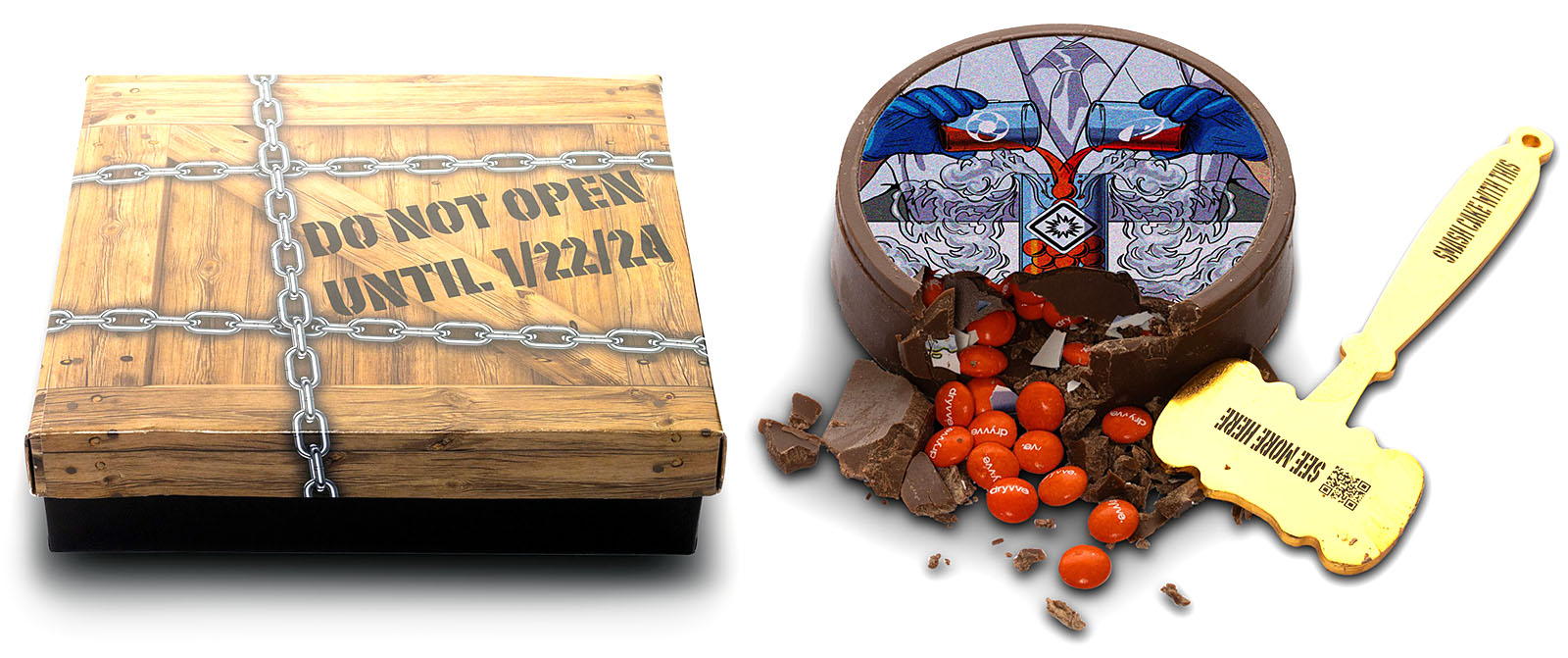
Choosing meaningful items for promo packages is increasingly important as customers become more intentional about sustainability and promo waste. If items aren’t meaningful, they typically end up in a landfill, says Leo Friedman, CEO of Canal Winchester, OH-based distributor iPromo.
Successful promo kits will take the overall intention into account and include items that pair well and fit the theme. Low-cost products like pens and notebooks as well as everyday items like umbrellas and clocks are effective because they’re used so often in daily life.
Friedman adds that seasonal items work well together in a bundle. Sunglasses, sunscreen, beach towels, and hats would all make for a good summer-themed package, he says. “Make it meaningful,” he continues. “It has to be relevant based on the event, based on what people are doing.”
Creativity and attention to detail can make a promo bundle stand out, Volker says. For instance, Whitestone once created a mailer for a major home appliance brand inviting influencers to a mountain home getaway, she adds. Products in the mailer included local snacks, local artisan goods, and name brand goodies from companies like Bombas, Nodpod, Cotopaxi, Corkcicle, and Mophie, with all items geared around the theme the brand was looking to emulate.
“To bring the vision to life, rather than using crinkle paper and calling it a day,” Volker says, “we sourced real pine cones, natural dried pampas grass, moss, and excelsior as the filler to immediately transport the recipient to the mountains they were heading to.”
Using the packaging to tell a brand story and further a mailer’s intended theme is a winning way to make a lasting (and positive) impression on recipients.
“[Packaging] is the first thing that they’re seeing. It’s the first association that they’re having with it,” Volker says. “When you first get a box, if it’s all broken and doesn’t look good or was reused multiple times, you’re already going to have kind of a connotation of what’s inside.”
Cohesion is another aspect to keep in mind during a kit’s design process. Effective packages have some elements to tie each item together, whether that’s the purpose of the bundle, color, geographic region where it’s presented, or something else.
Tying in the design with a company’s brand colors is an easy way to ensure cohesion throughout the package, says Marlo Brenneman, a sales representative at Smart Source.
“If the company has specific brand standards that they have to follow, such as logo colors … you don’t want to switch somebody’s color or take off any type,” she says. “You just want everything to be readable, clear, and leave a good impression.”
Sustainability and Saving Money
More than ever, companies are taking steps to shrink their carbon footprint and reduce waste, and those efforts follow through into their marketing and promotional efforts. Drop-shipping promo kits to individual addresses has an unavoidable environmental impact, but there are ways to make such packages more sustainable.
“When you’re kitting and using a box, there’s no real way to say it’s fully eco-friendly,” McDaniel says, adding that using recyclable brown kraft paper and promo products made from 100% recycled materials can help improve a kit’s sustainability.
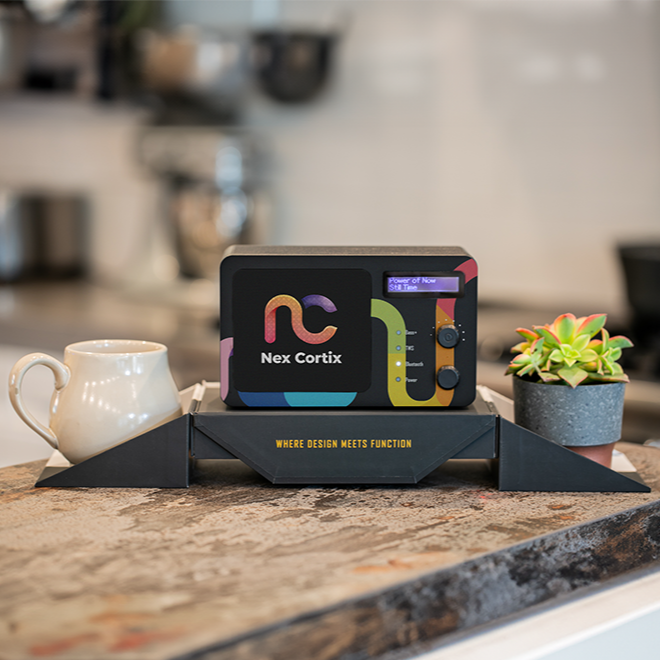
For budget-conscious clients, there are ways to save money while still being intentional about presentation. Adding a sticker to the top of an otherwise plain box and using crinkle paper for filler can help clients economize without letting design go out the window.
For McDaniel, simpler is better when it comes to promo kits. He says he wouldn’t include more than five items — one main piece with smaller promo products to complement it. “A lot of times less is more,” he says. “We usually push our clients to consider [fewer] and more usable items.”
Ultimately, swag is a way to build pride surrounding a brand and make people feel connected to a company in a meaningful way, Friedman says. This is especially important in an increasingly digital world where people have to compete for marketing attention. Including intentional items that people will actually keep can help cut through that noise, he says.
“People get upset if they get bad swag now, and that’s what more companies are starting to understand, both us as the sellers of swag … and companies that are buying,” he says. “You’re better off spending a couple extra dollars.”